Normal Tracing Letters Worksheets for Ages 3-7 - Page 2
32 filtered results
-
From - To
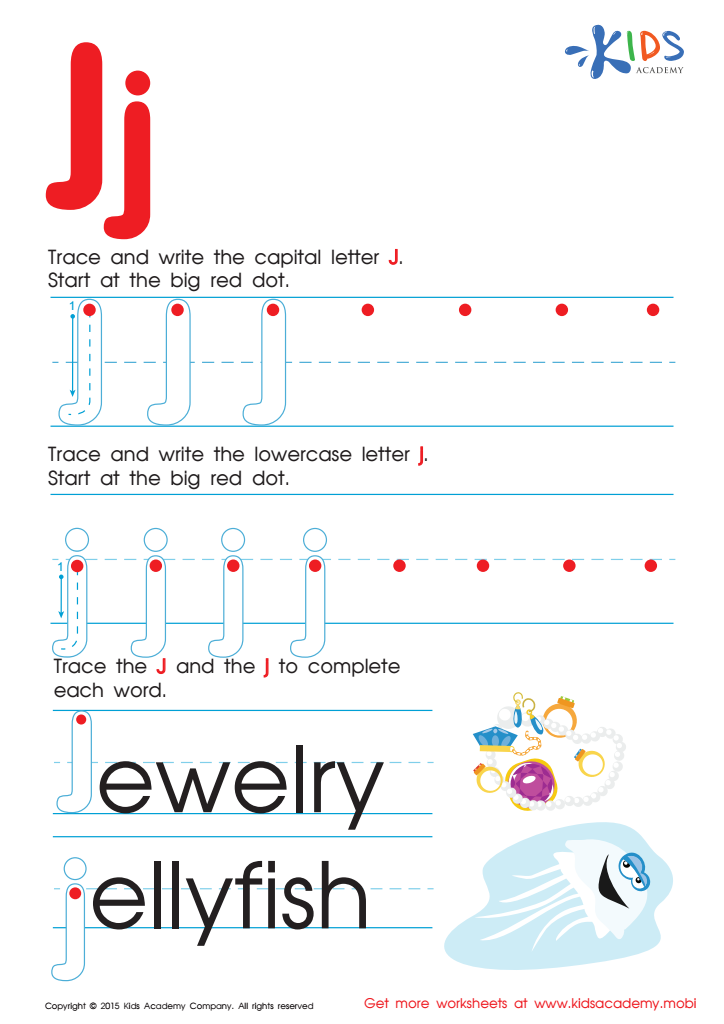
Letter J Tracing Page
 Assign to My Students
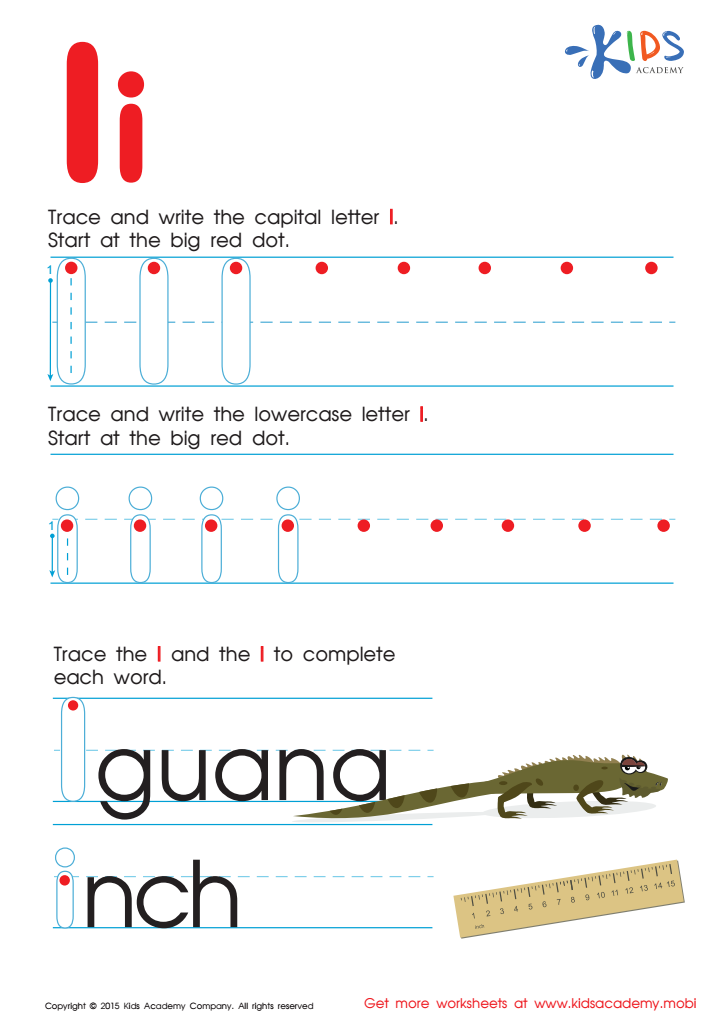
Letter I Tracing Page

Letter H Tracing Page

Letter G Tracing Page
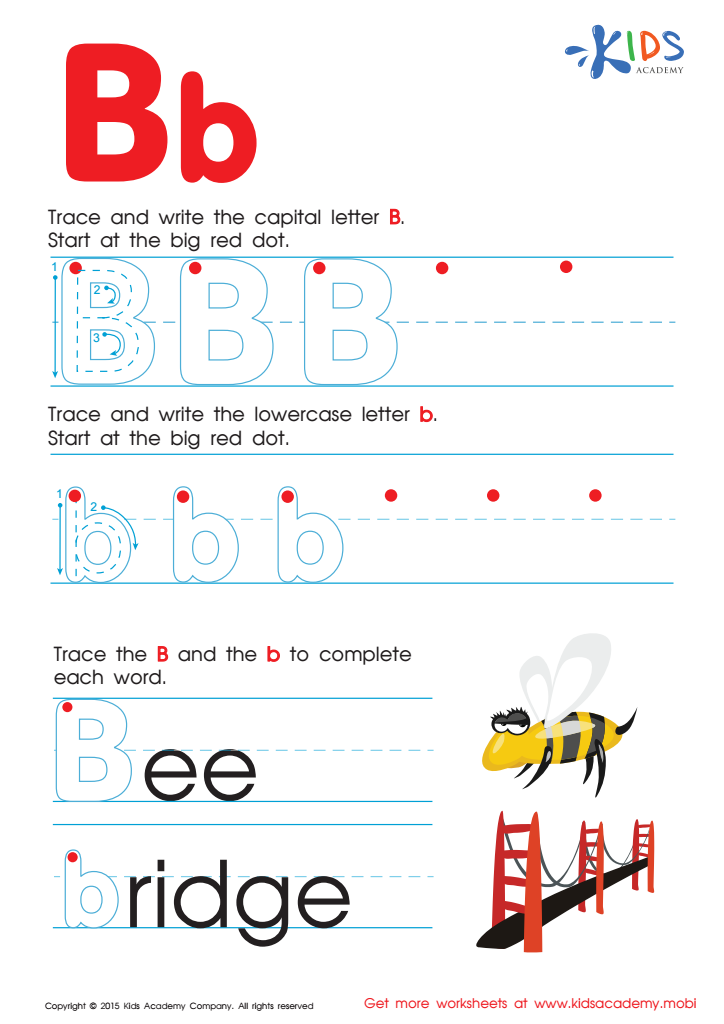
Letter B Tracing Page
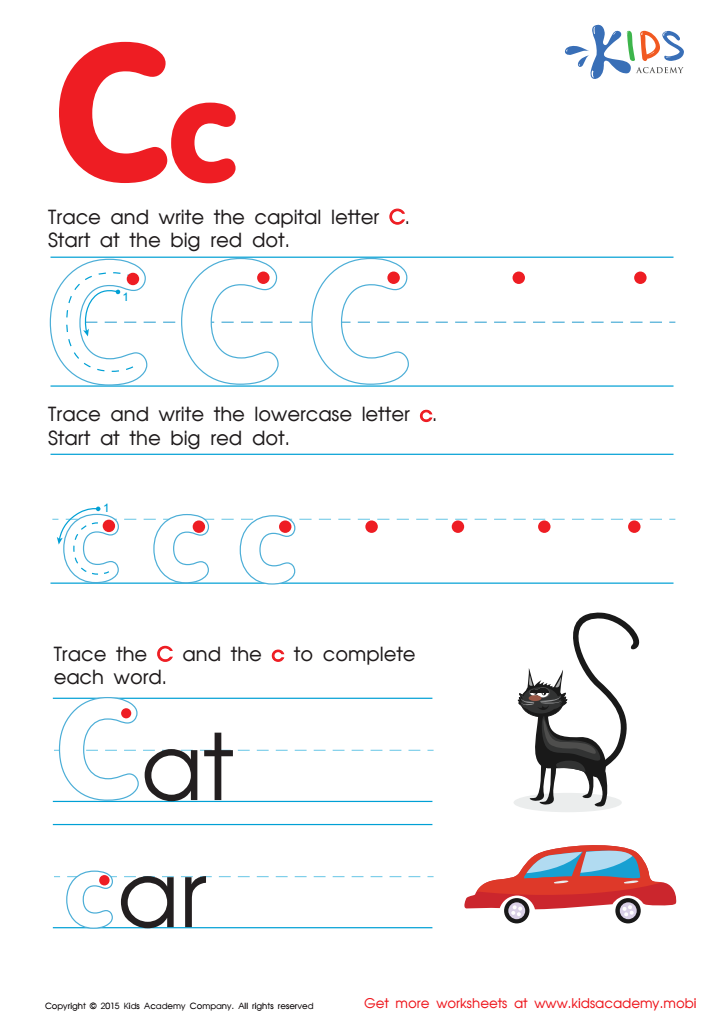
Letter C Tracing Page

Letter D Tracing Page
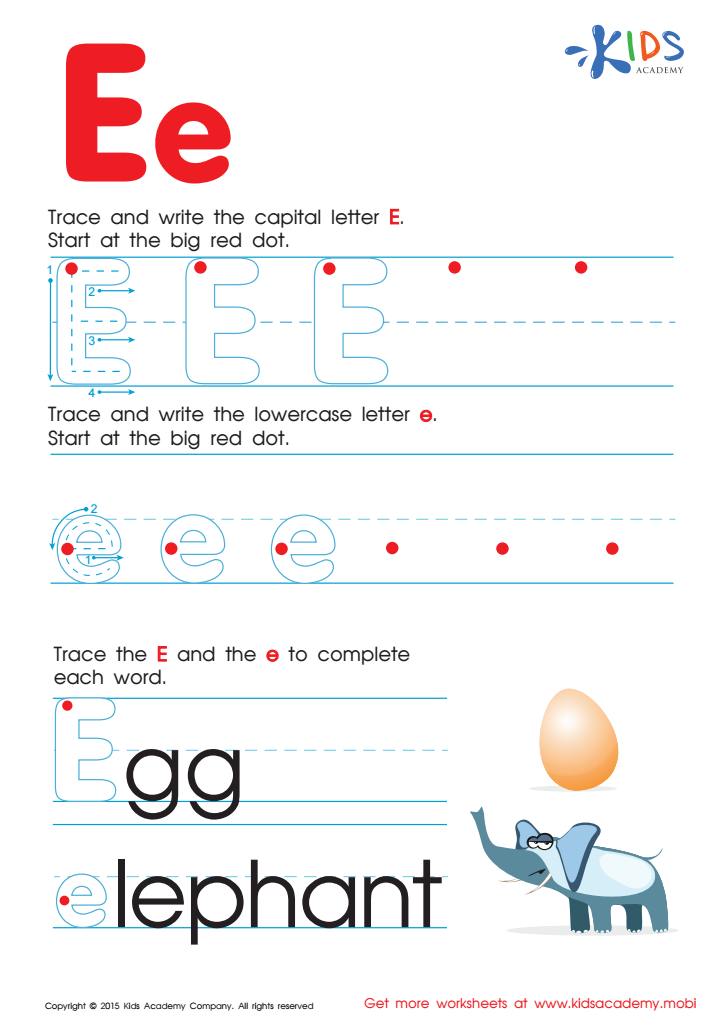
Letter E Tracing Page








Normal tracing letters for ages 3-7 is a formative educational activity that holds immense importance for both parents and teachers by fostering foundational literacy skills critical for lifelong learning. At this stage, children's fine motor skills and hand-eye coordination are rapidly developing. Tracing letters aids in this development, thus enhancing their ability to write clearly and efficiently. Engaging with tracing activities also serves as an introductory step to phonics, enabling children to associate sounds with specific letters, laying a robust groundwork for reading proficiency. Moreover, tracing promotes familiarity with the alphabet, making the daunting task of letter and word recognition easier and more intuitive.
For teachers, incorporating tracing into the curriculum fosters structured, hands-on learning, bridging the gap between play and education. It nurtures attention to detail, patience, and discipline in young learners. Parents play a crucial complementary role by reinforcing these skills at home, thereby enhancing consistency and progress. Real-world engagement between parent, teacher, and student creates a supportive triad that encourages natural curiosity and confidence in learning. Thus, prioritizing tracing activities not only aids individual skill development but also advances collective educational goals by providing young children with critical tools for academic success and personal growth.








