Normal Reading Comprehension Worksheets for Ages 3-7 - Page 7
147 filtered results
-
From - To
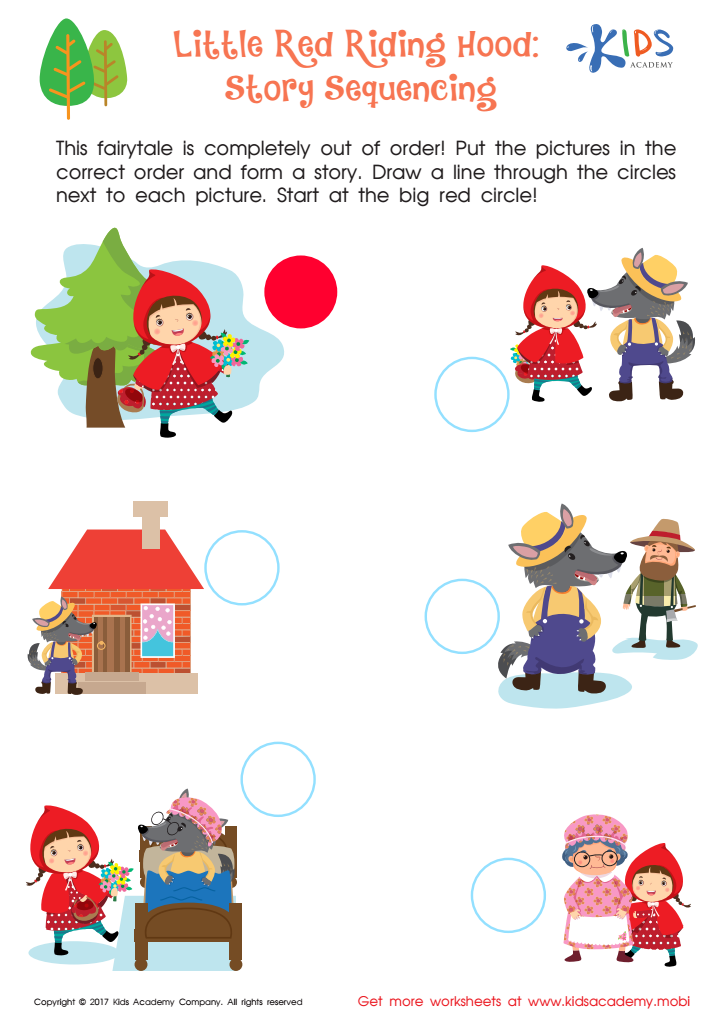
Story Sequencing Printable
 Assign to My Students
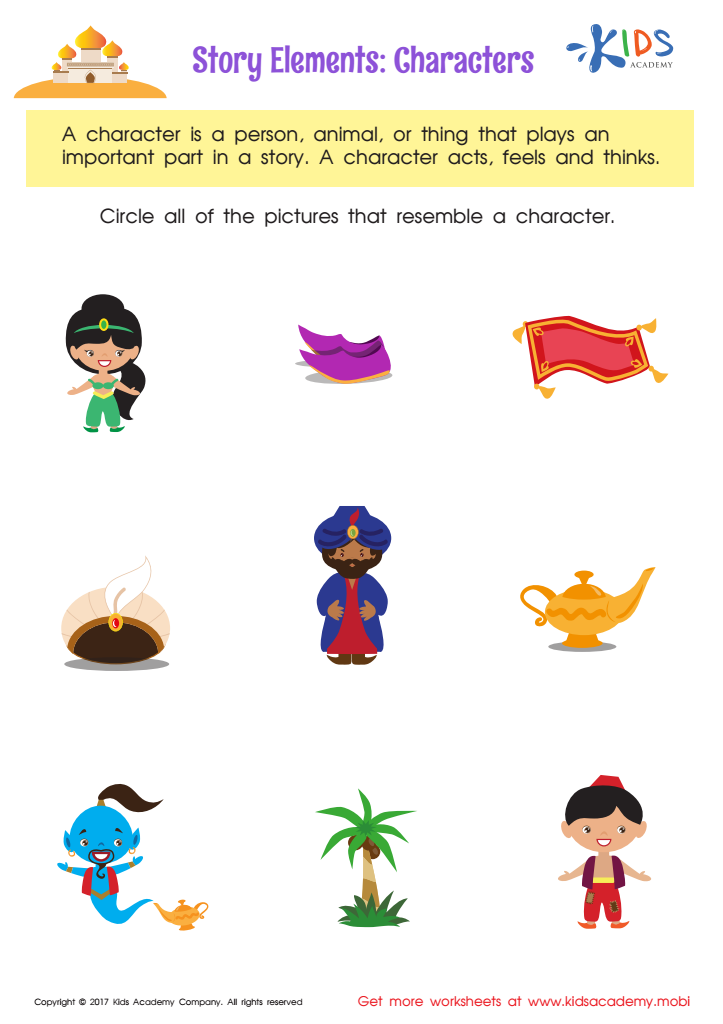
Story Elements Printable
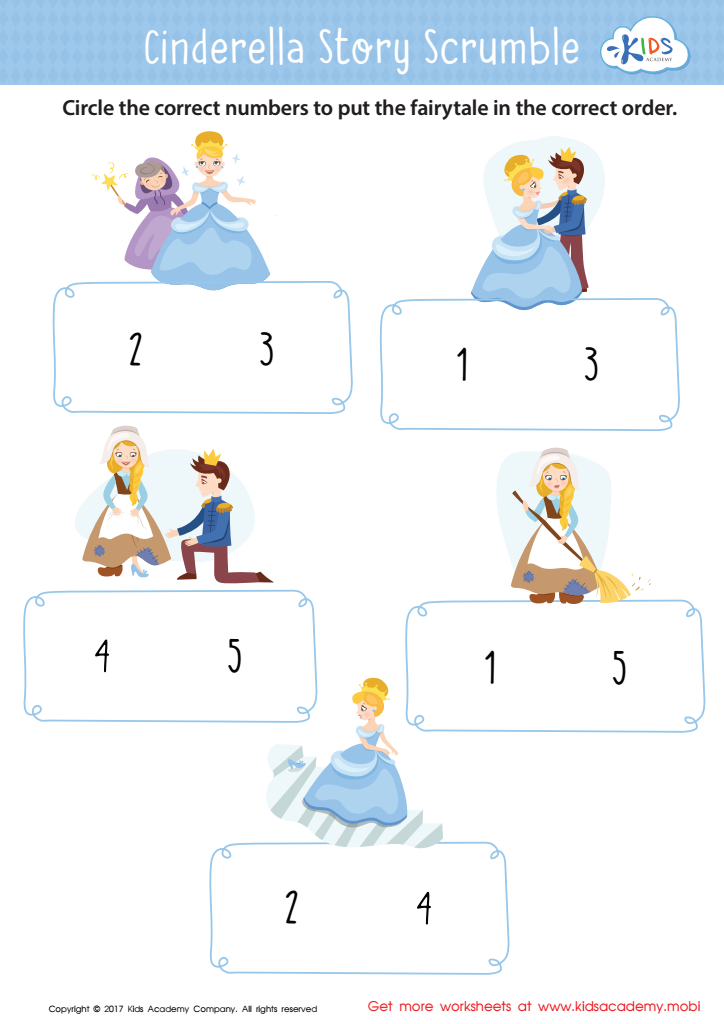
Cinderella Story Sequencing Worksheet




.jpg)



Normal reading comprehension in children aged 3-7 is crucial for several reasons. During these formative years, children develop foundational literacy skills that are essential for future academic success. A strong comprehension ability enables children to understand not just what they read, but also to make connections with their own experiences and knowledge. This skill supports learning across all subjects, as reading is a fundamental component of education.
Moreover, reading comprehension fosters essential cognitive and social skills. Children who can understand stories and concepts are better equipped to engage in discussions, ask questions, and express their thoughts, which enhances communication proficiency. Understanding narratives also nurtures empathy, as children learn to see the world from different perspectives.
Additionally, early reading comprehension predicts long-term literacy outcomes. Children who struggle to grasp meaning from texts may fall behind in their academic journey, leading to a cycle of disengagement from learning.
For parents and teachers, prioritizing normal reading comprehension through activities, games, and shared reading experiences cultivates an encouraging literary environment that promotes a love for reading. Supporting their reading development lays the groundwork for lifelong learning and critical thinking skills essential for personal and professional success.








