Normal Addition and Subtraction Word Problems Worksheets for Ages 3-8 - Page 2
29 filtered results
-
From - To
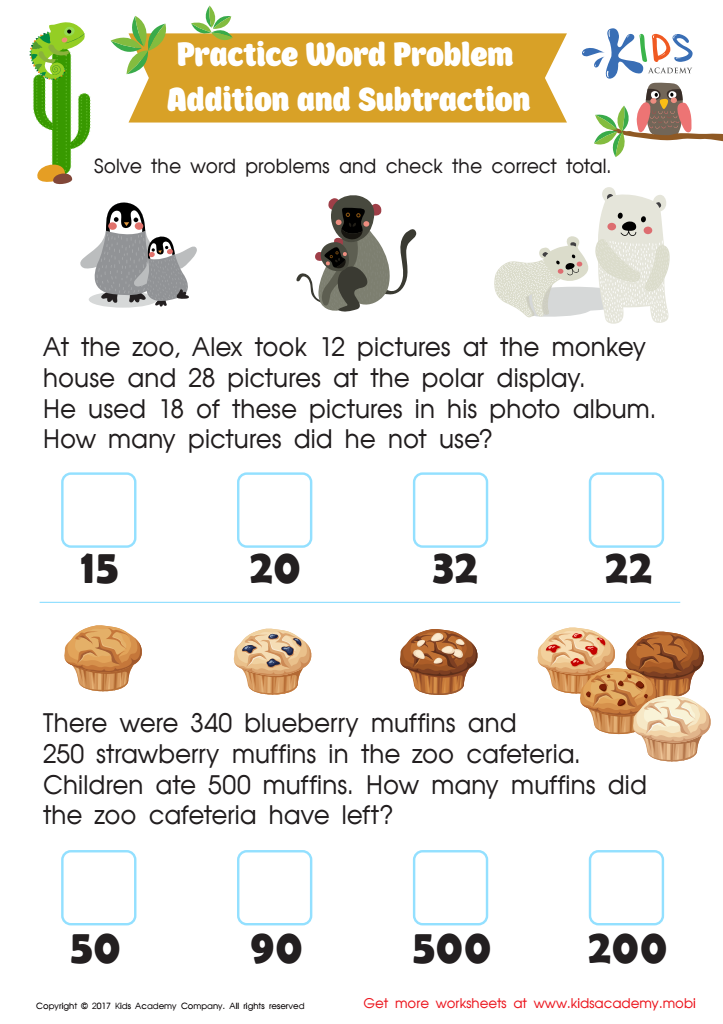
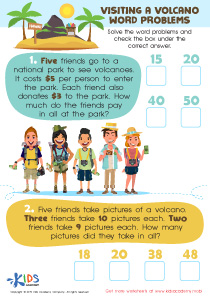
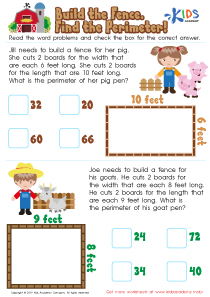
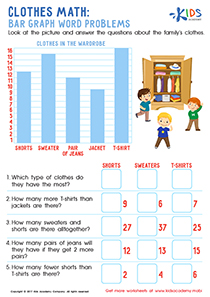
Addition and Subtraction: Word Problems Worksheet
 Assign to My Students
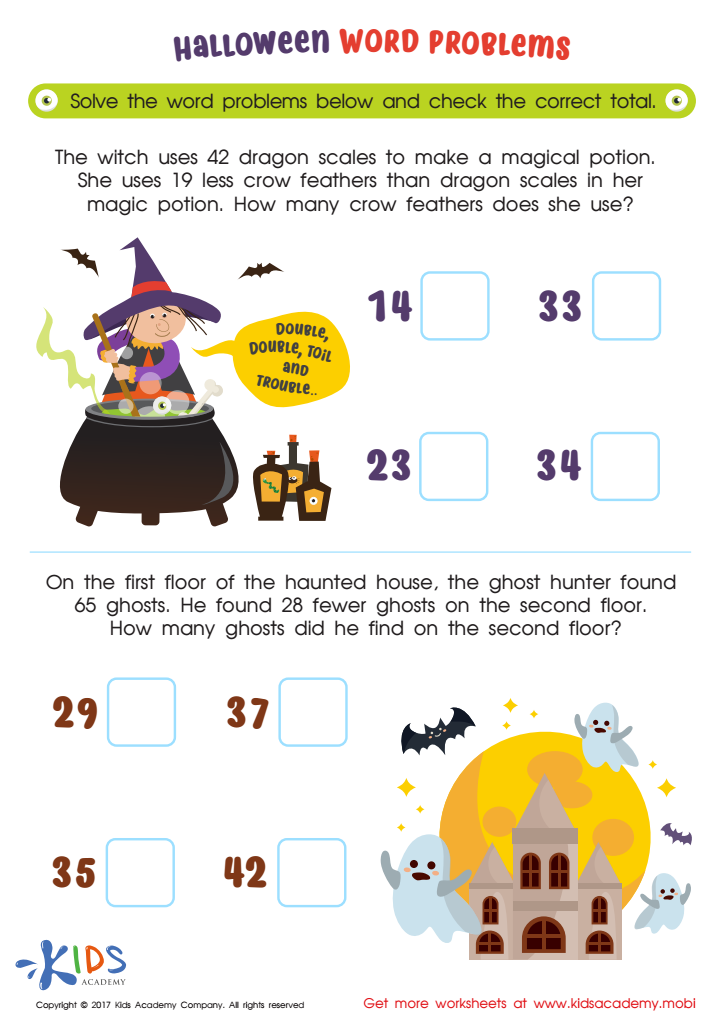
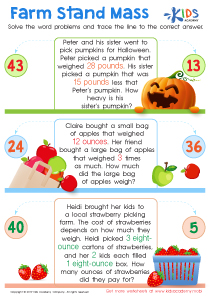
Halloween Word Problems Printable
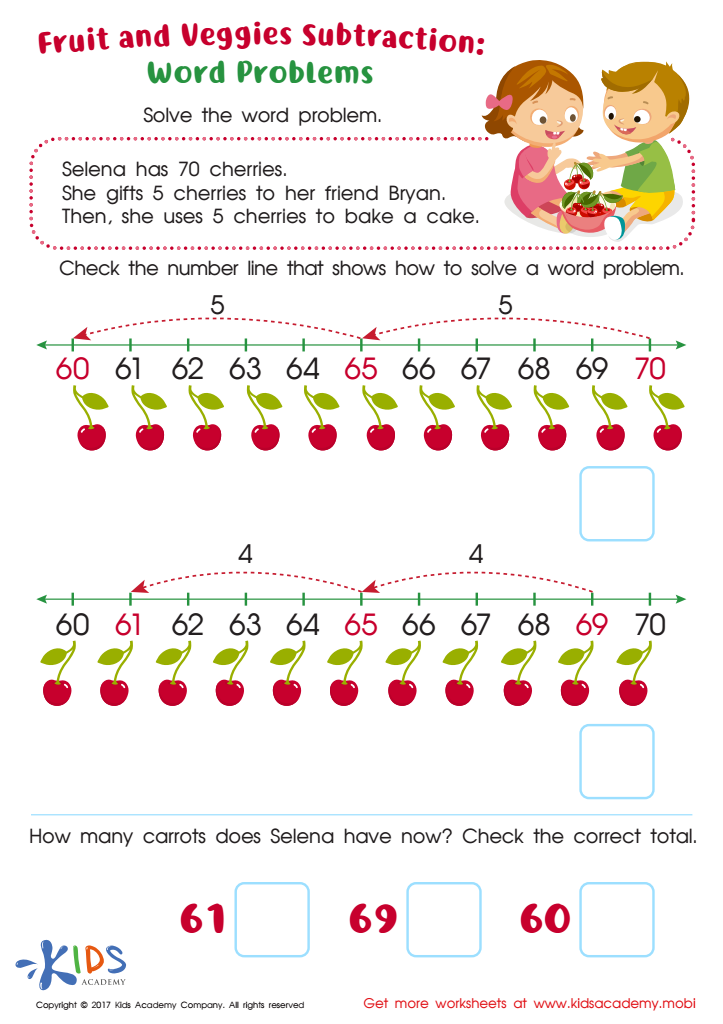
Subtraction Word Problems Free Printable
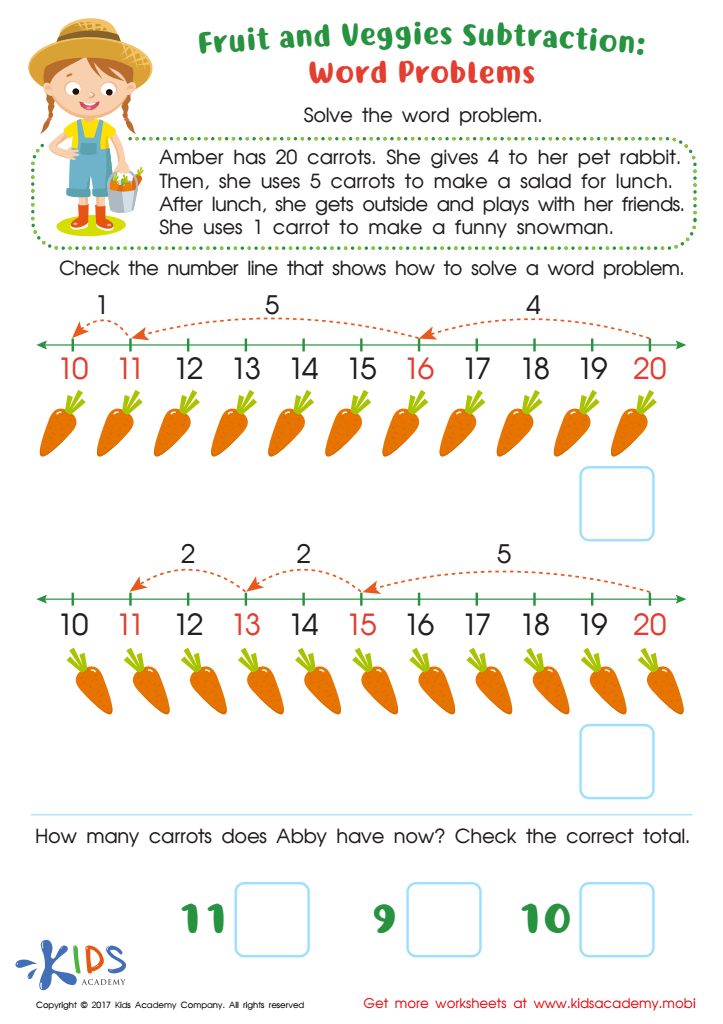
Subtraction Word Problems Printable
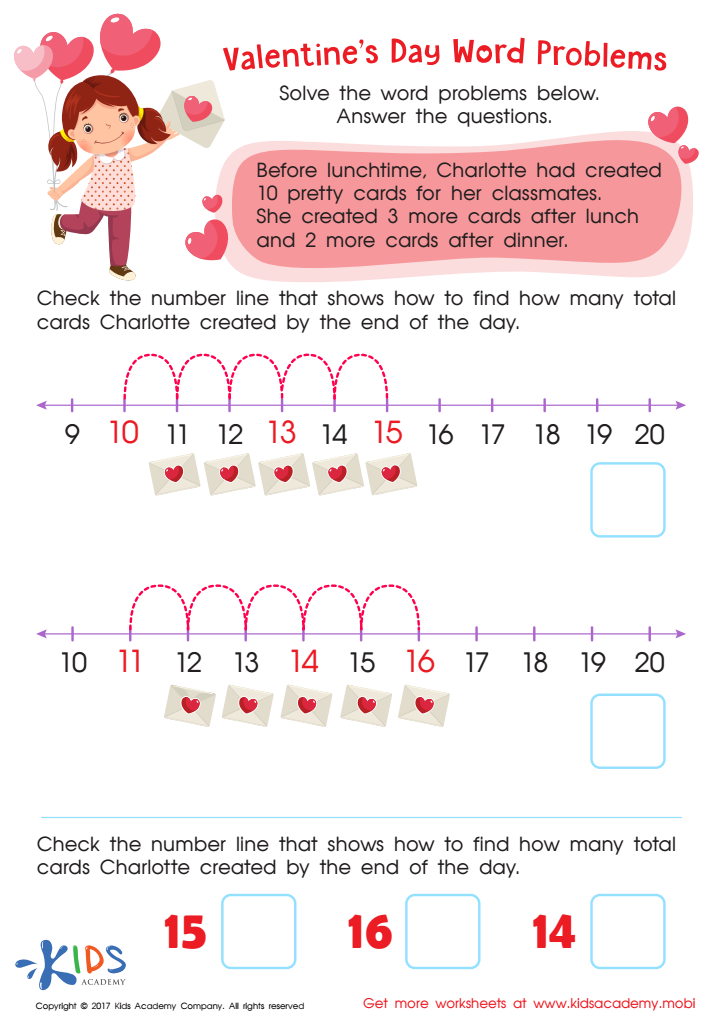
Valentines Day Word Problem Worksheet








Parents and teachers should prioritize Normal Addition and Subtraction Word Problems for children aged 3-8 because they are essential for developing foundational mathematical skills and critical thinking. At this young age, children are essentially building their cognitive frameworks, and engaging with word problems encourages them to recognize and understand the real-world context of math concepts.
These problems promote not only basic arithmetic skills but also enhance comprehension and vocabulary as children learn to decode what is being asked. It helps foster problem-solving abilities and encourages analytical thinking as students must assess the situation, identify necessary calculations, and arrive at a solution.
Moreover, when parents and teachers integrate word problems into daily activities, they make math relevant and enjoyable, boosting children's confidence and reducing anxiety surrounding math tasks. Early exposure to this kind of learning supports greater academic success later on, as children are better equipped to tackle more complex mathematical concepts. Additionally, it nurtures a positive attitude towards math, encouraging a lifelong interest in the subject. Therefore, incorporating Normal Addition and Subtraction Word Problems into educational practices greatly benefits children's overall cognitive development.