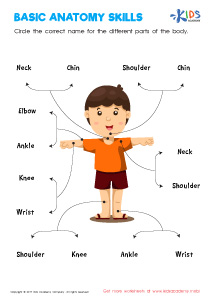
Fun and Educational Life Science Worksheets for Kids Aged 4-6 - Explore the World Around Us!
2 filtered results
-
From - To
Explore the wonders of the natural world with our "Normal Life Science for Ages 4-6" worksheets! Tailored specifically for young learners, this collection sparks curiosity and fosters a love for science through engaging, age-appropriate activities. Children will embark on a journey of discovery, exploring topics from the life cycles of plants and animals to the importance of water, air, and soil in supporting life. With vibrant illustrations and interactive tasks, these worksheets are designed to nurture observation, critical thinking, and a sense of wonder about the environment. Dive into the adventure of learning with "Normal Life Science for Ages 4-6" – where young minds grow and explore the marvels of the natural world!
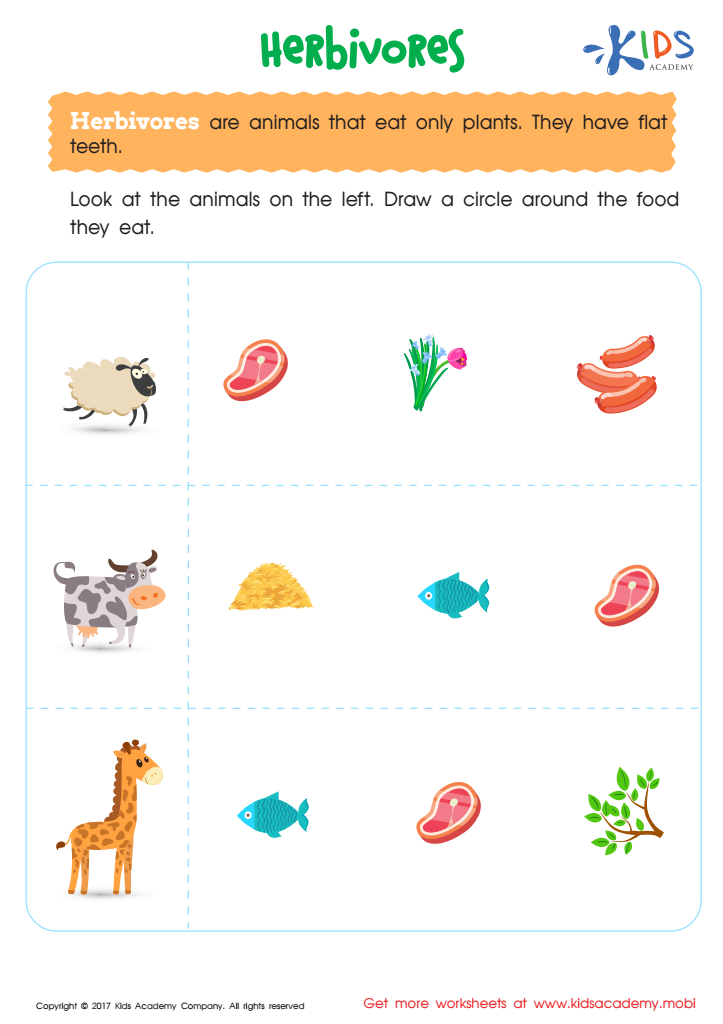
Herbivores Printable
 Assign to My Students
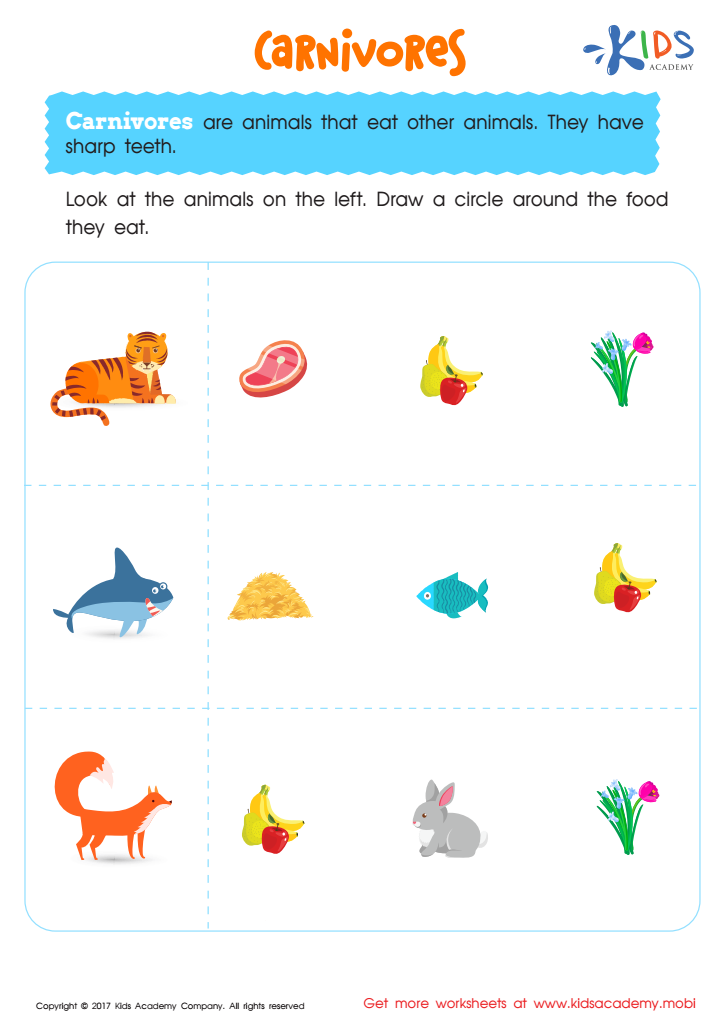
Carnivores Worksheet





.jpg)

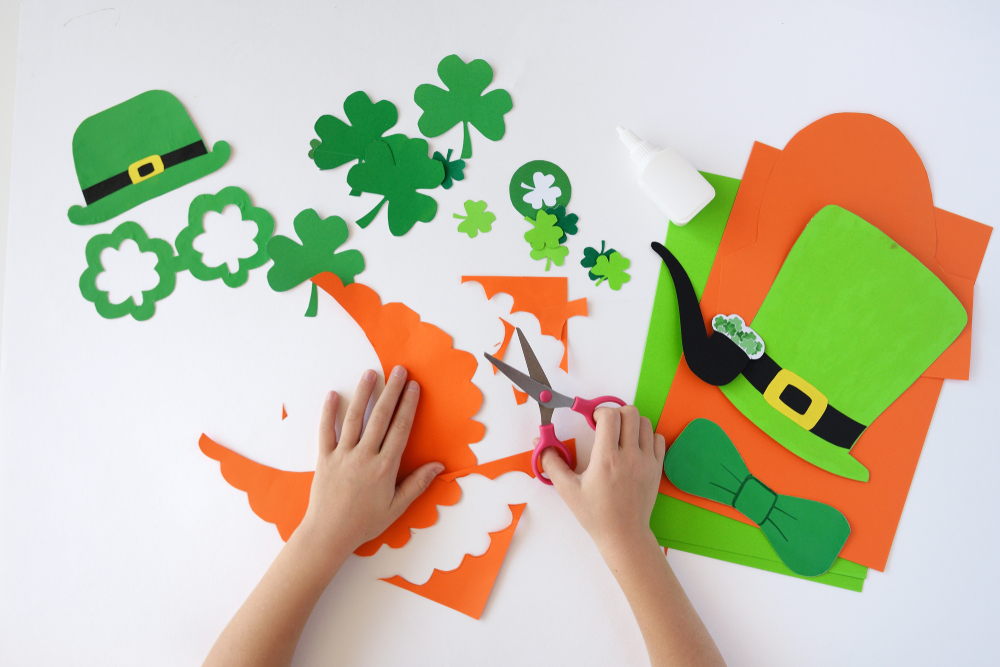
Normal Life Science worksheets crafted for Ages 4-6 stand as a fundamental tool in the early academic journey of young learners. These worksheets are ingeniously designed to cater to the insatiable curiosity of children in this age group, providing them with an engaging and educational exploration of the world around them. By introducing topics from the vast spectrum of Life Science, these materials not only quench their thirst for knowledge but also lay down the foundational blocks for a lifelong appreciation and understanding of the natural world.
These worksheets are particularly useful because they are tailored to the developmental stages of 4-6-year-olds. They employ age-appropriate language, fun illustrations, and activities that not only capture the attention of young minds but also enhance their learning experience. Through these interactive exercises, children learn about various life forms, ecosystems, and the basics of how living things grow and interact with their environment.
Moreover, Normal Life Science worksheets for Ages 4-6 are instrumental in developing critical thinking and observational skills. They encourage children to ask questions, draw connections, and observe the natural world with a keen eye. In essence, these worksheets are not just about imparting knowledge; they are about sparking curiosity, fostering a love for learning, and helping children understand their role in preserving the diversity and beauty of life on our planet.