Normal Place Value Worksheets for Ages 4-7
37 filtered results
Difficulty Level
Grade
Age
-
From - To
Subject
Activity
Standards
Discover our engaging Normal Place Value Worksheets designed specifically for children ages 4-7! These worksheets help young learners grasp the fundamental concept of place value in a fun and interactive way. By incorporating colorful images and relatable examples, kids will develop essential math skills while building confidence. Our easy-to-follow exercises allow for practice in identifying and understanding units, tens, and hundreds, making learning approachable and enjoyable. Perfect for both classroom use and at-home practice, these worksheets support early numeracy development. Download now and help your child unlock the world of numbers with our comprehensive and child-friendly activities!
Favorites
With answer key
Interactive
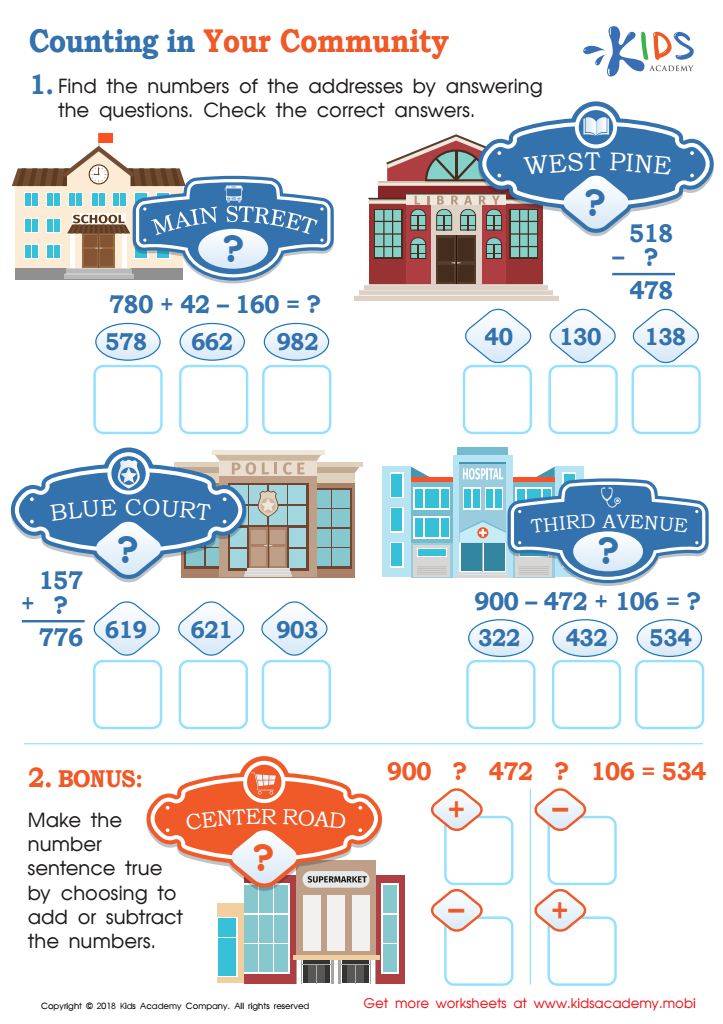
Counting in Your Community Worksheet
Introduce your kids to the idea of a community, where different people and buildings co-exist, each playing their part for the community's progress. Ask them to name the buildings they see in their community. Then work through this worksheet to find the numbers of the addresses by answering the questions. Check the answers once they've solved the equations.
 Assign to My Students
Counting in Your Community Worksheet
Worksheet

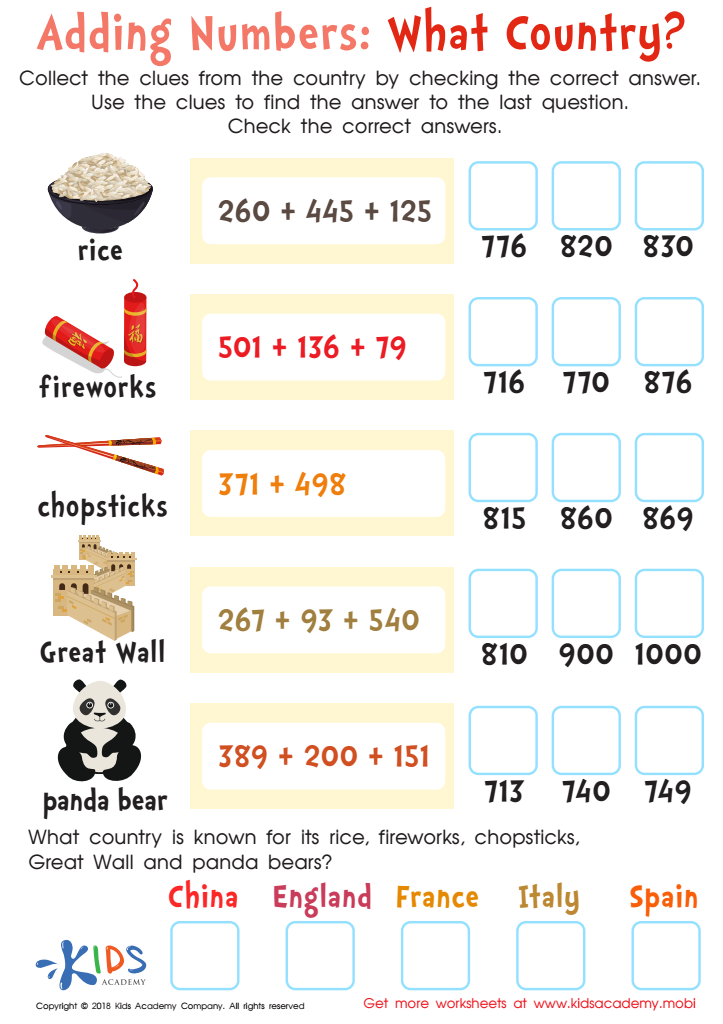
Adding Numbers: What Country Worksheet
Students can use this worksheet to learn more about different countries. Have them collect clues from the worksheet to answer the last question. Help them check the correct answer, and they'll gain knowledge about each country's food, animals, celebrations, and landmarks.
Adding Numbers: What Country Worksheet
Worksheet
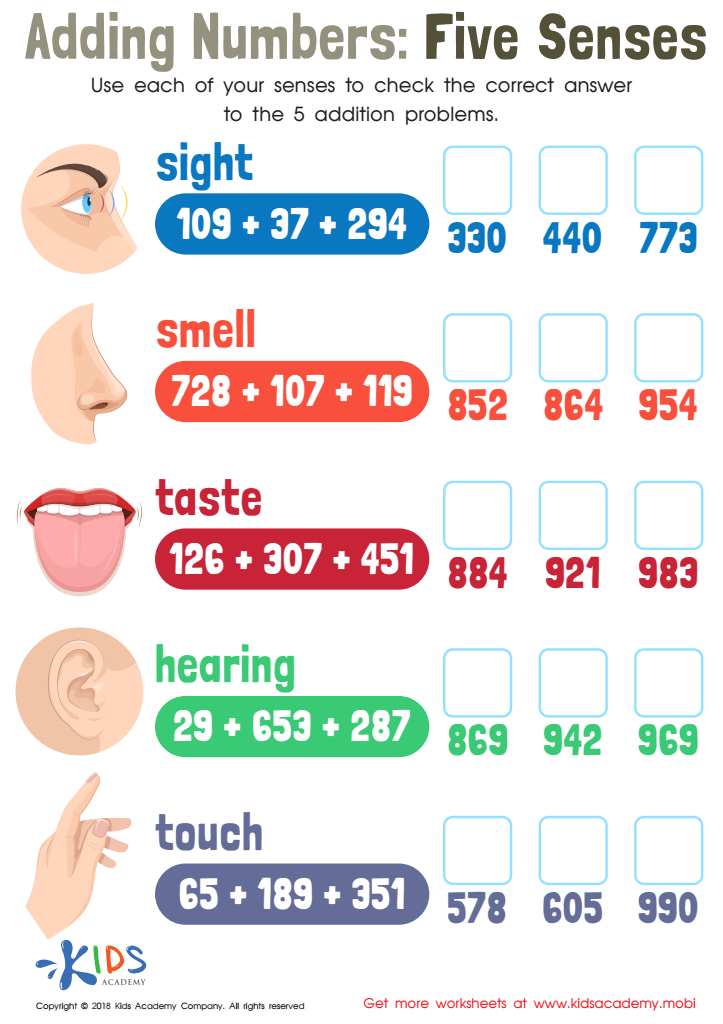
Adding Numbers: Five Senses Worksheet
Help your child identify the five senses on their body: eye, nose, tongue, ear, and skin. Explain that they're used for seeing, smelling, tasting, hearing and touching. Then, have them solve the five addition problems in the worksheet and check the correct answers.
Adding Numbers: Five Senses Worksheet
Worksheet
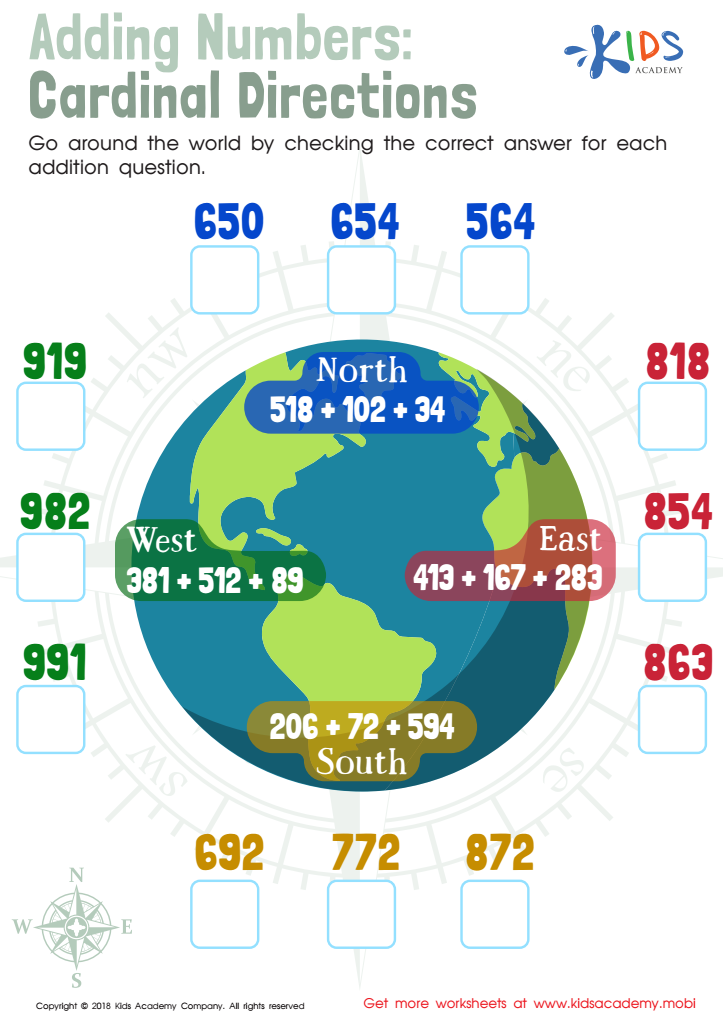
Adding Numbers: Cardinal Directions Worksheet
Are your students familiar with cardinal points? Teach them there are four: North, South, East, West. Used to navigate and mark places, use this worksheet to have your kids go round the world by checking the correct answer for each addition question in the pdf.
Adding Numbers: Cardinal Directions Worksheet
Worksheet
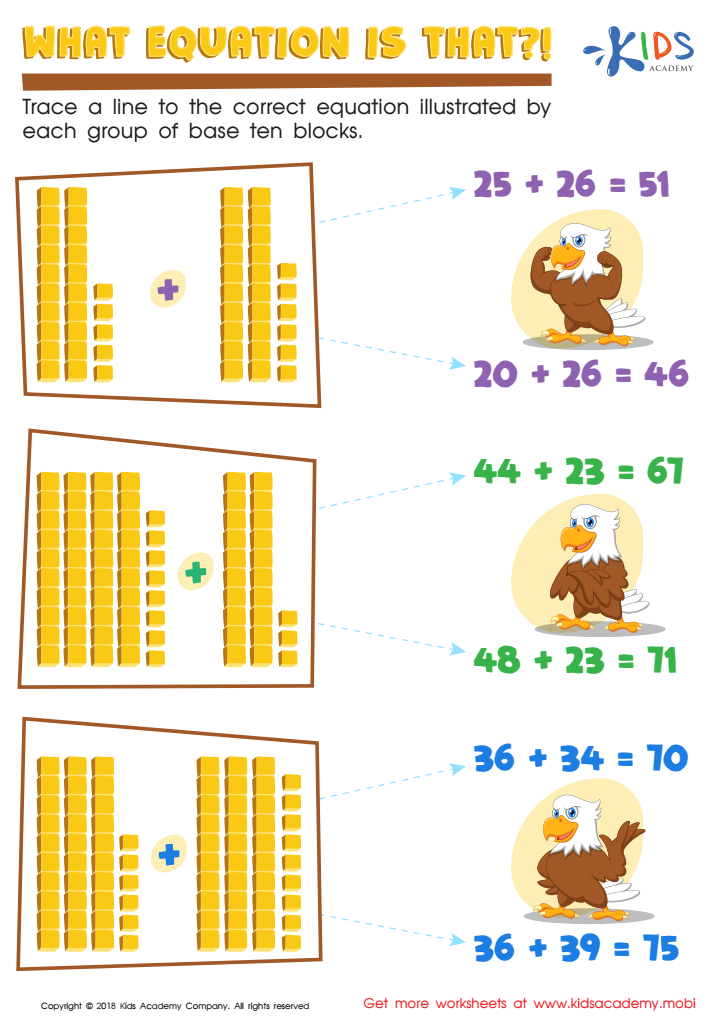
What Equation Is That? Worksheet
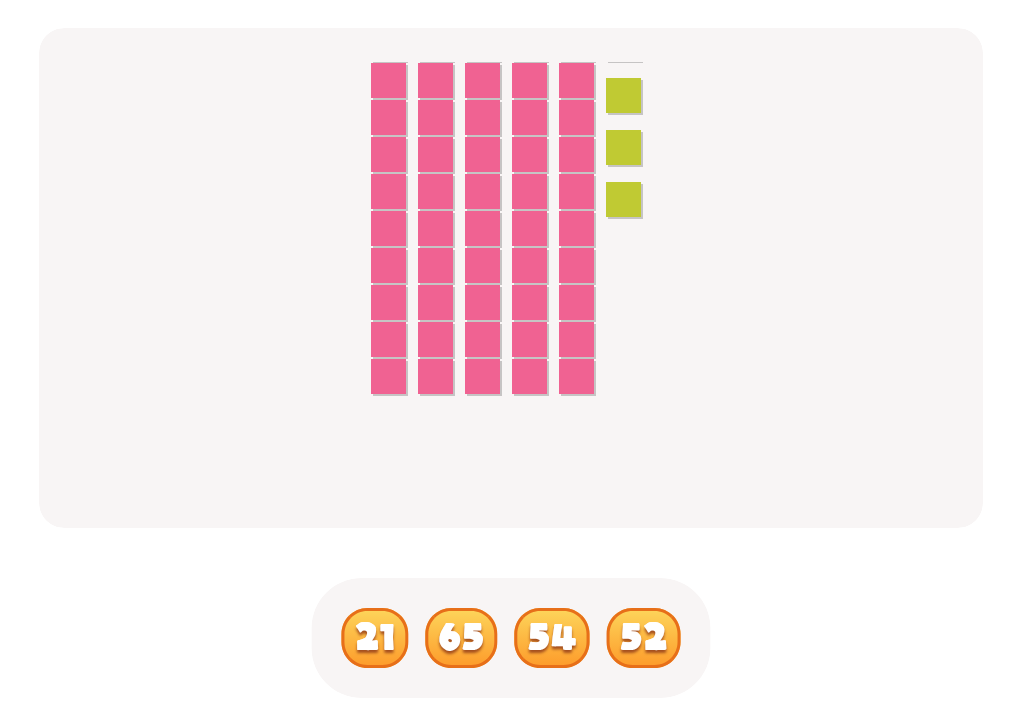
Have your students practice counting with base ten blocks. This will help them with math struggles. Homework and worksheets will help them improve; ask them to trace lines to the correct equation on a tracing sheet. Guide them as they count the blocks and trace the lines.
What Equation Is That? Worksheet
Worksheet
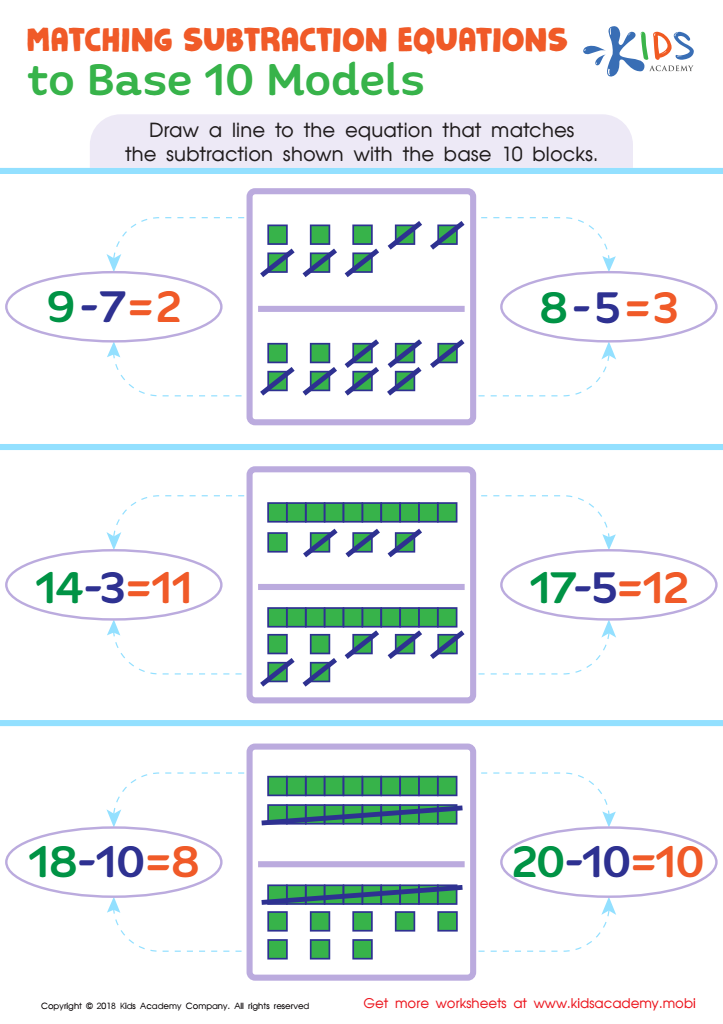
Matching Subtraction Equations To Base 10 Models Worksheet
Help your student draw a line to the equation that matches the subtraction shown with the base 10 blocks. Guide them through the task, ensuring they have good subtraction, counting and problem-solving skills. This tracing sheet is easy enough to complete with your support; the three mathematical problems here should be straightforward.
Matching Subtraction Equations To Base 10 Models Worksheet
Worksheet
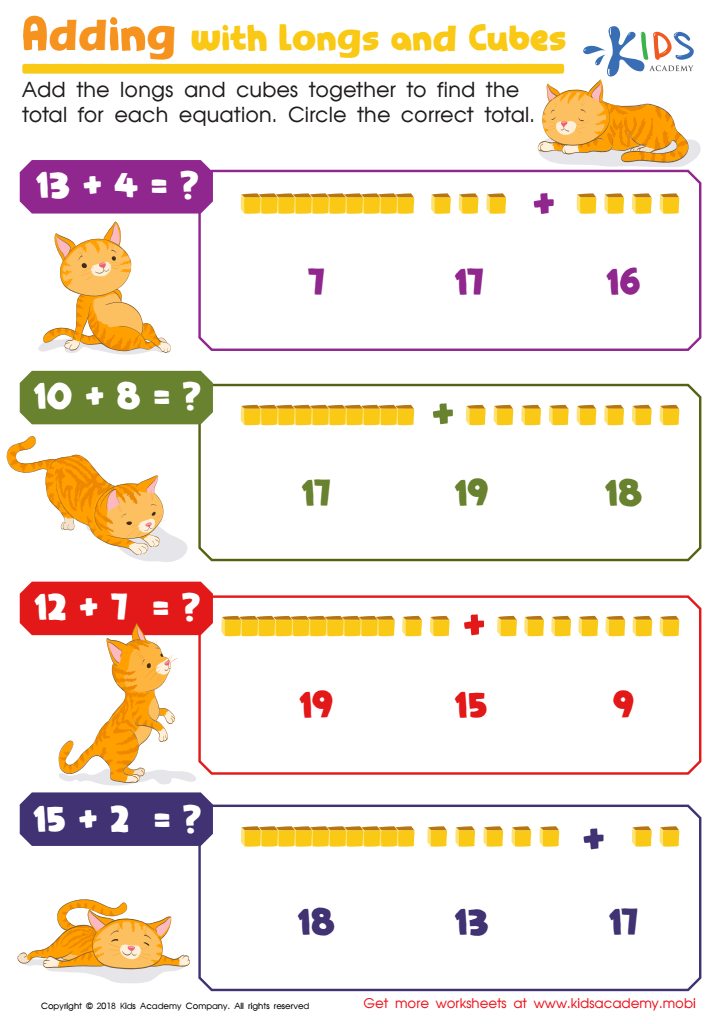
Adding With Longs and Cubes Worksheet
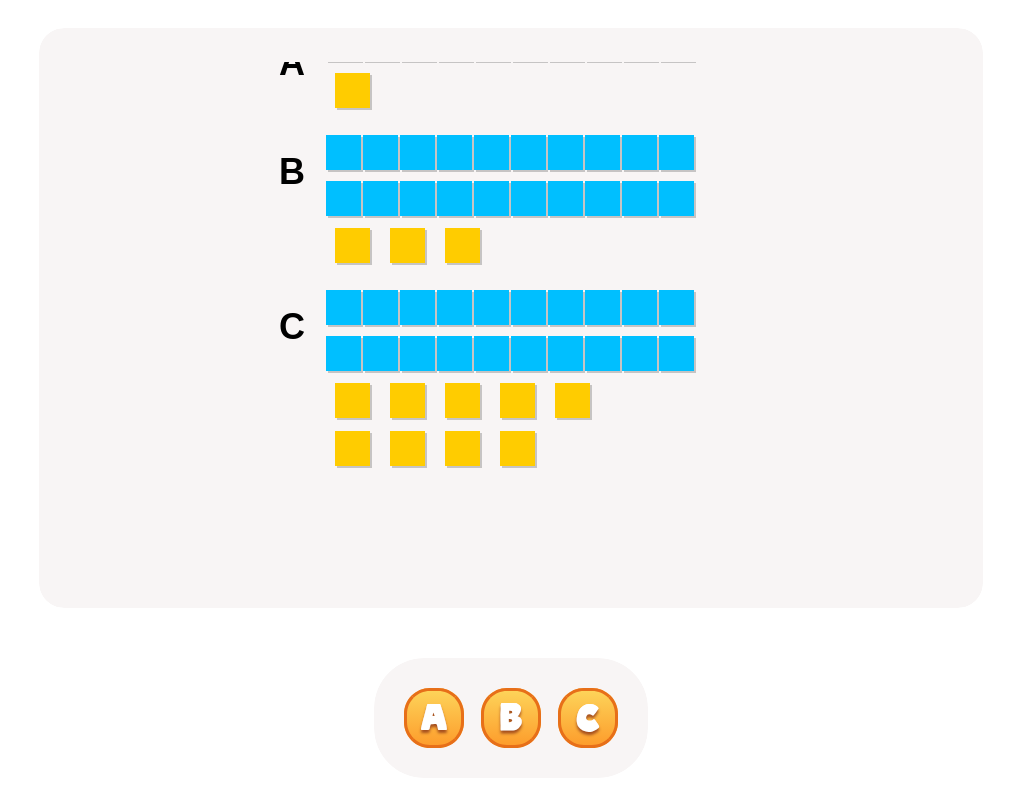
Math might not be your child's favorite, but they must master it to advance. If they're having difficulties or don't like it, use this worksheet to make it easier. Have them add longs and cubes together to find the total for each question, then circle the correct answer. This exercise can help make math experiences better.
Adding With Longs and Cubes Worksheet
Worksheet
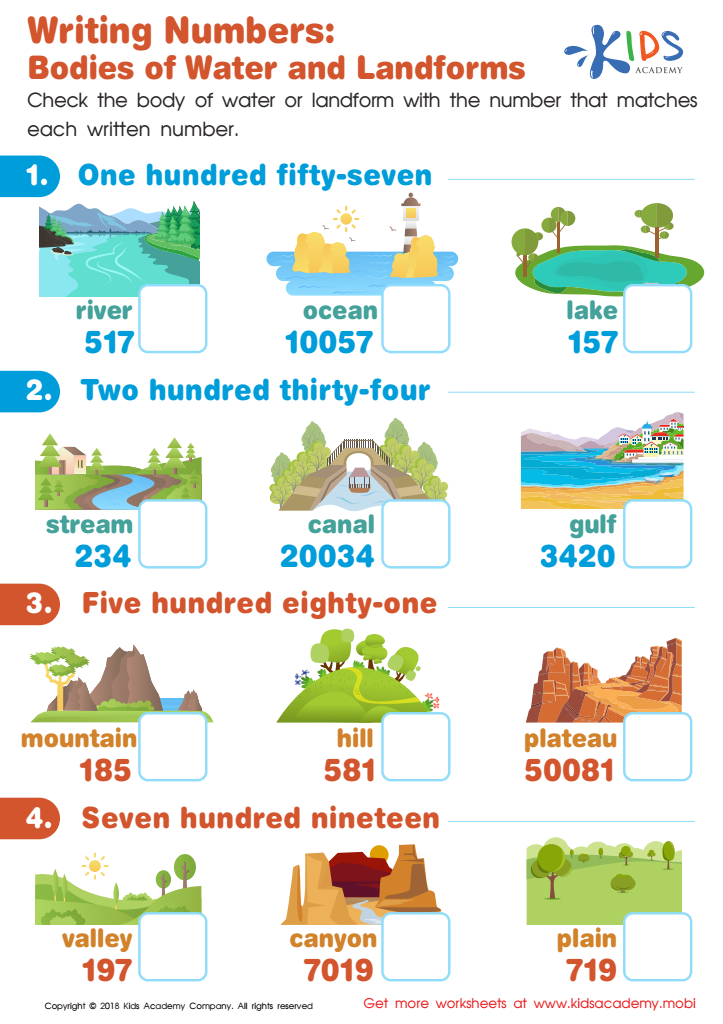
Bodies of Water and Landforms Writing Numbers Worksheet
Your student will love this engaging worksheet with its bright hues, while you give them practice comparing numbers with higher place values. Matching the correct number words to their numeral representations is key for our students as they deal with larger numbers and higher place values.
Bodies of Water and Landforms Writing Numbers Worksheet
Worksheet
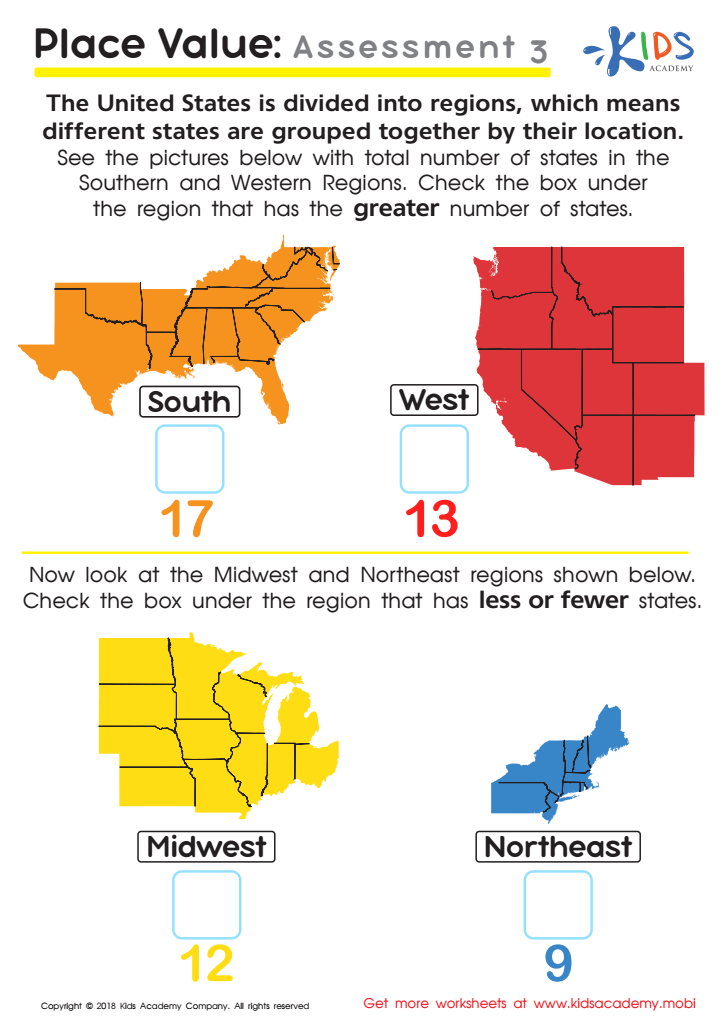
Place Value: Assessment 3 Worksheet
Test your child's math skills without them realizing it! This fun worksheet looks at the states and regions of the U.S. and your child can compare numbers greater or lesser than the other. It's the perfect way to assess your child's number sense without them knowing.
Place Value: Assessment 3 Worksheet
Worksheet
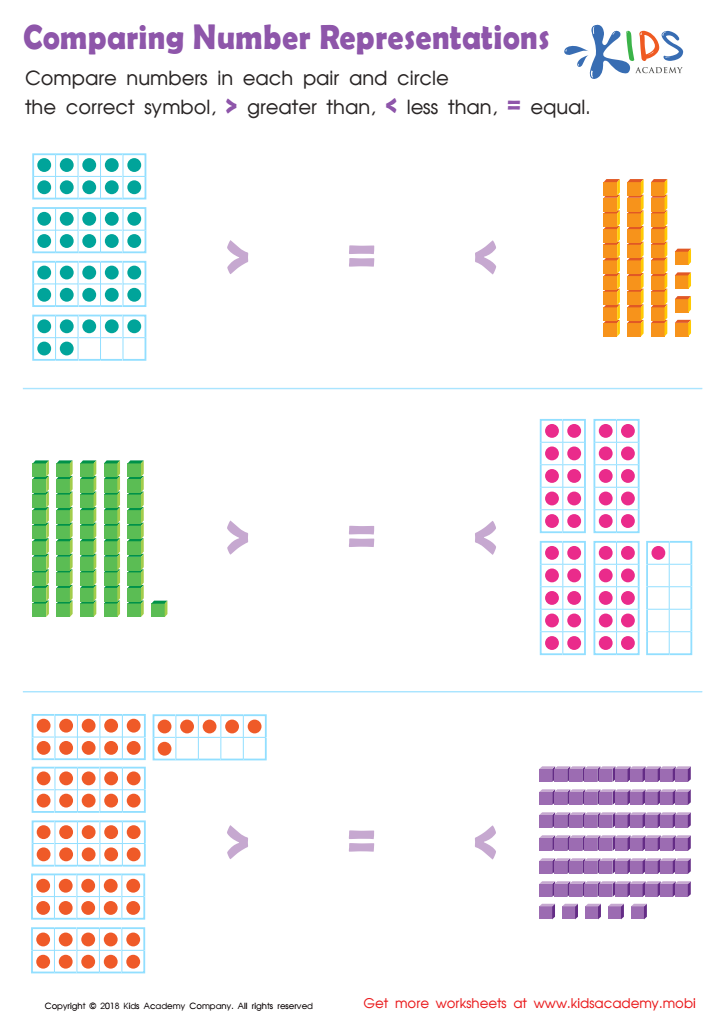
Comparing Number Representations Worksheet
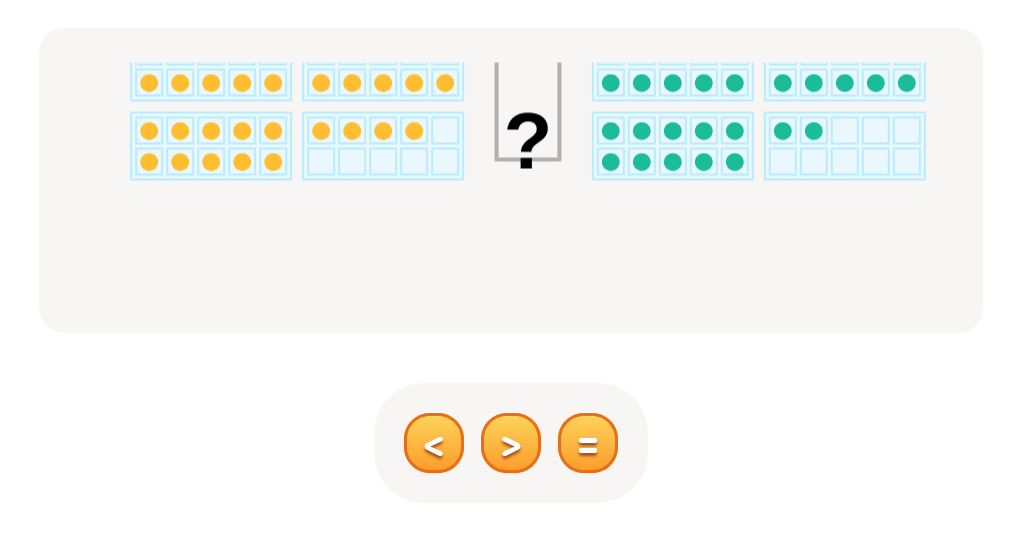
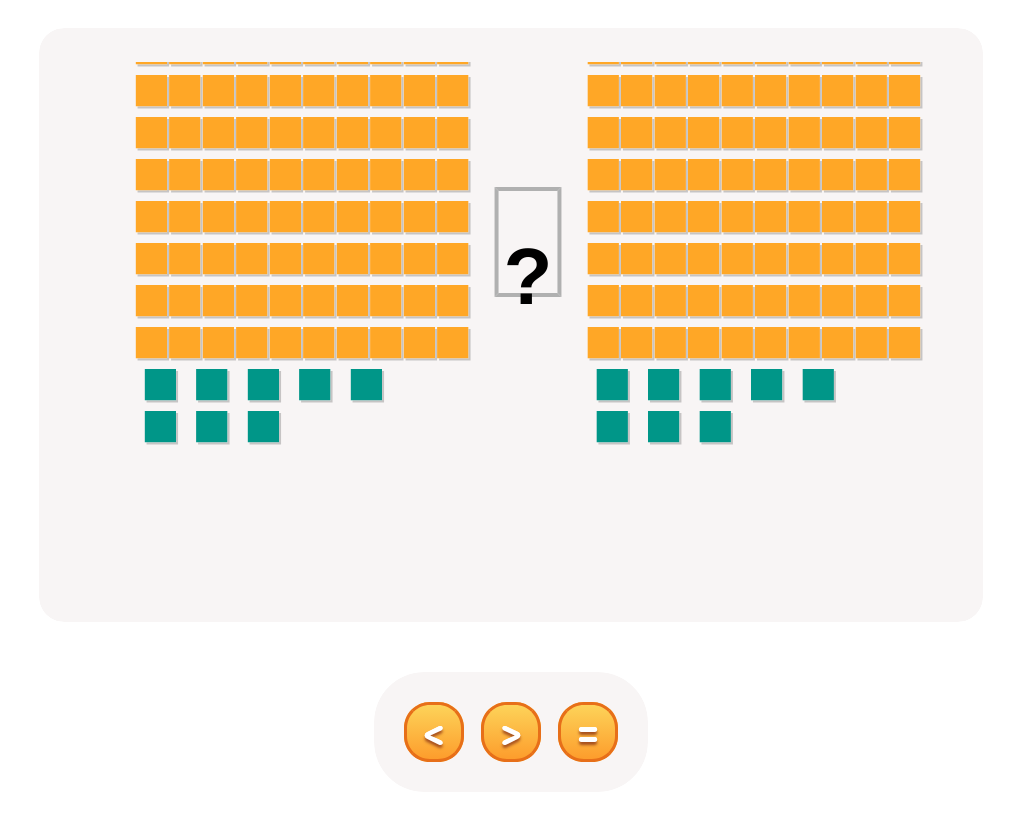
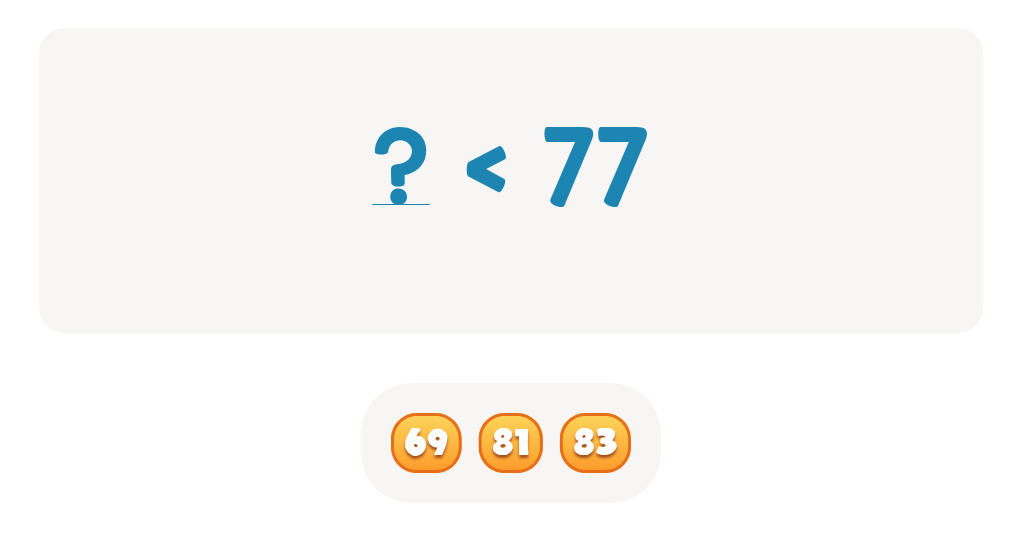
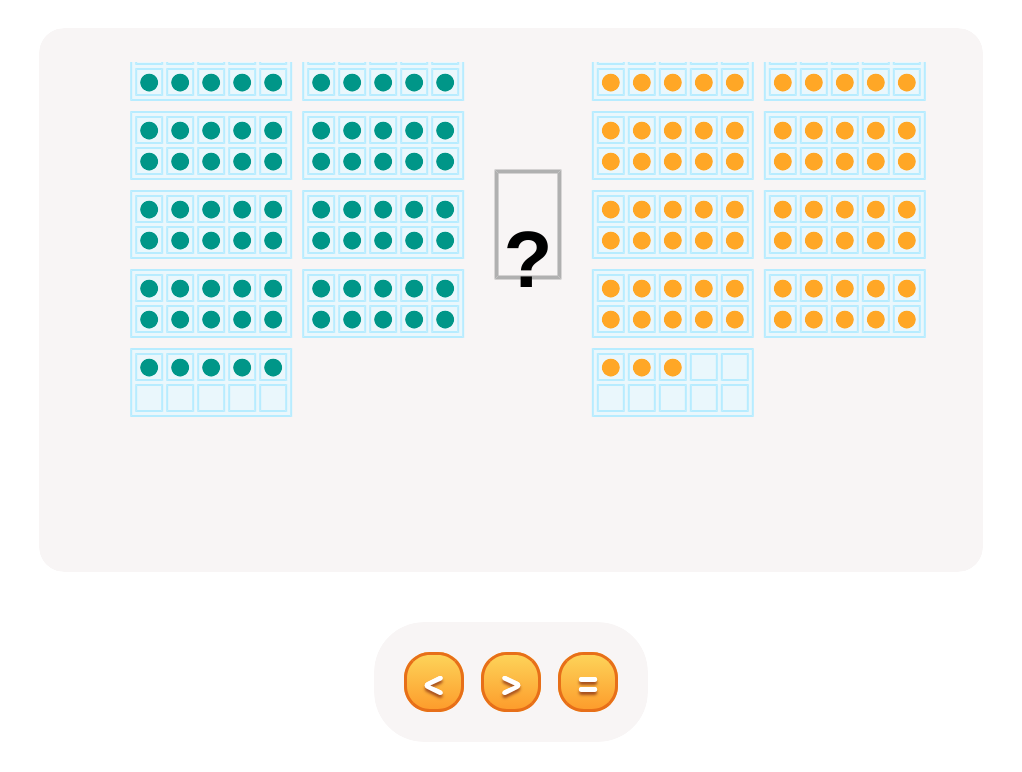
Children need number representation skills to develop efficient computation and number sense. This free worksheet gives them practice with ten frames and place value blocks. They compare numbers and select the right comparative symbol: <, > or =. This helps them build a solid foundation for math.
Comparing Number Representations Worksheet
Worksheet
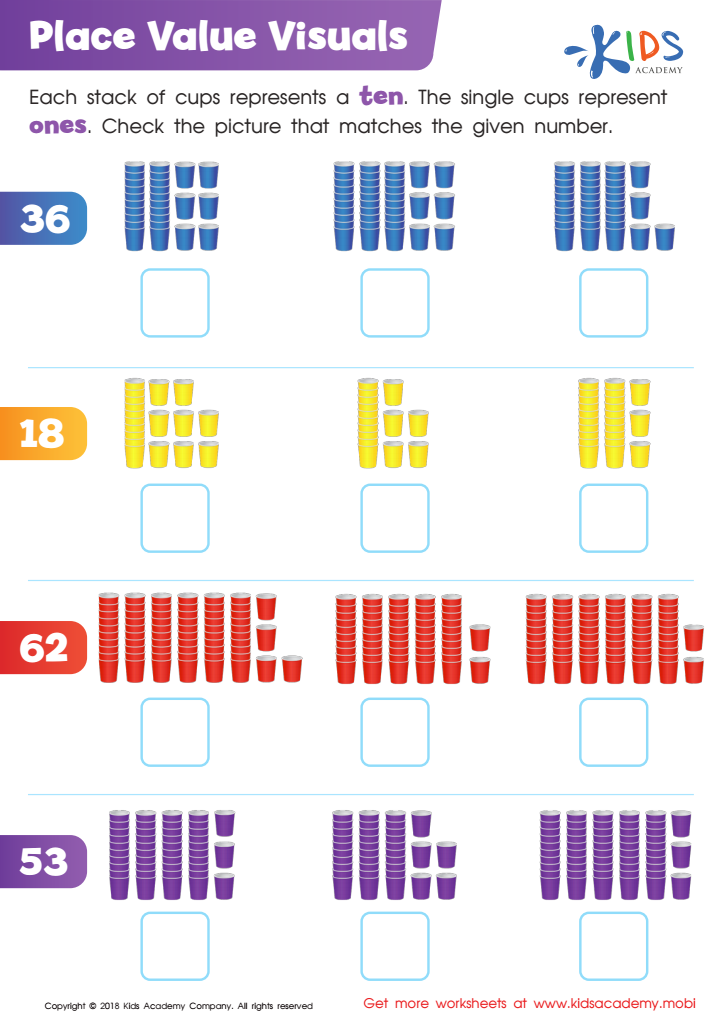
Place Value Visuals Worksheet
Help your child count the cups in each picture, using the simple rule that each stack is 10 and each single cup is 1. Ask them to match the number on the left to the picture on the right. No need to count each cup individually; since each stack is 10, 3 stacks is 30 and so on.
Place Value Visuals Worksheet
Worksheet
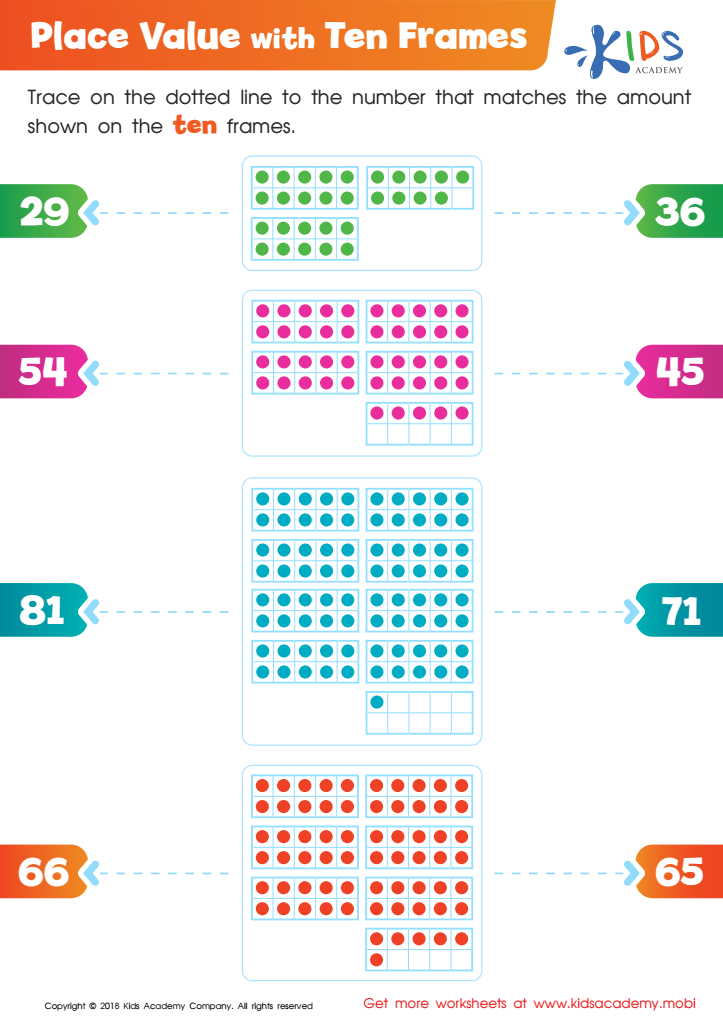
Place Values with Ten Frames Worksheet
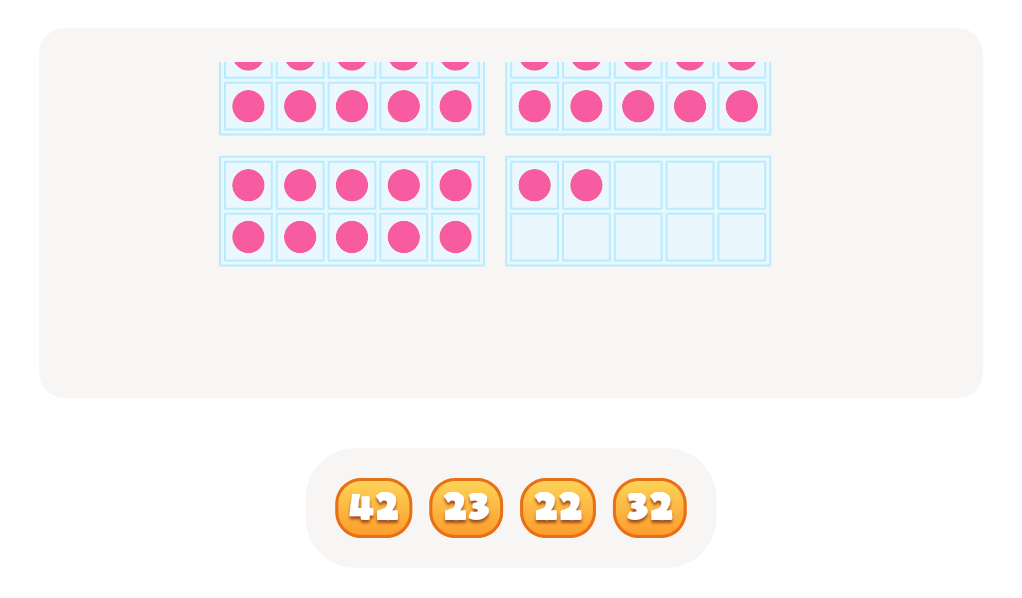
Assist your child in counting the dots in each of the framed numbers. Then, guide them as they trace the dotted lines to the number that matches the amount shown. This worksheet will help them learn more about mathematics, as well as how to count numbers.
Place Values with Ten Frames Worksheet
Worksheet
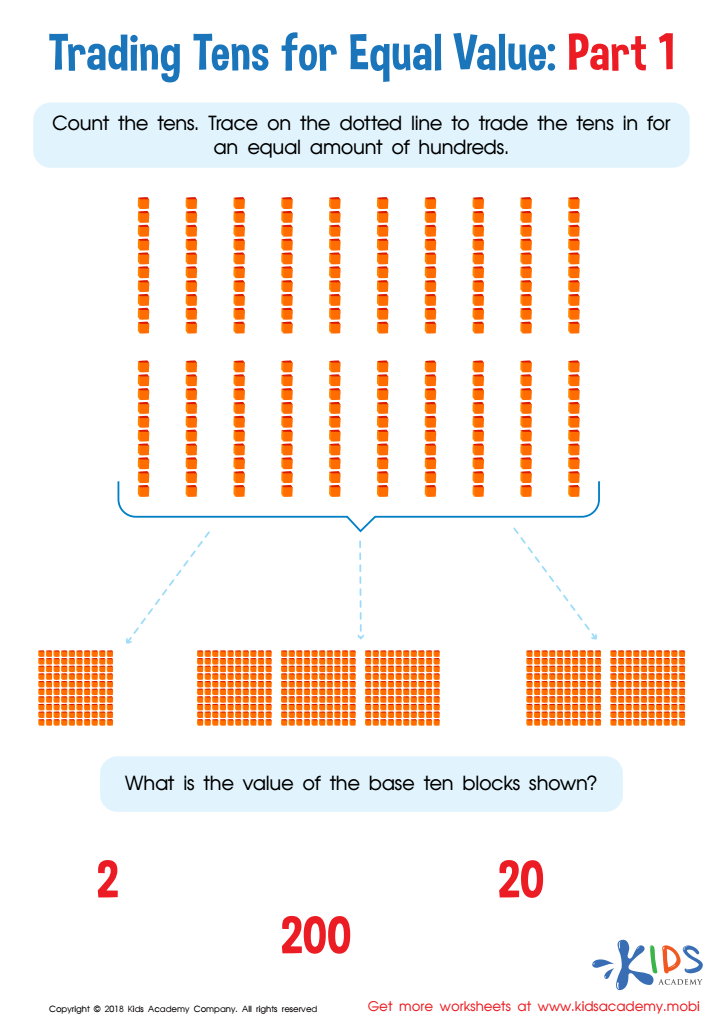
Trading Tens for Equal Value Worksheet: Part 1
This worksheet helps 3rd graders count large numbers and recognize base numbers. It lists 10 cubes and asks students to identify the hundreds, then circle the base blocks. This colorful pdf provides a fun, visual way to help students strengthen their math basics.
Trading Tens for Equal Value Worksheet: Part 1
Worksheet
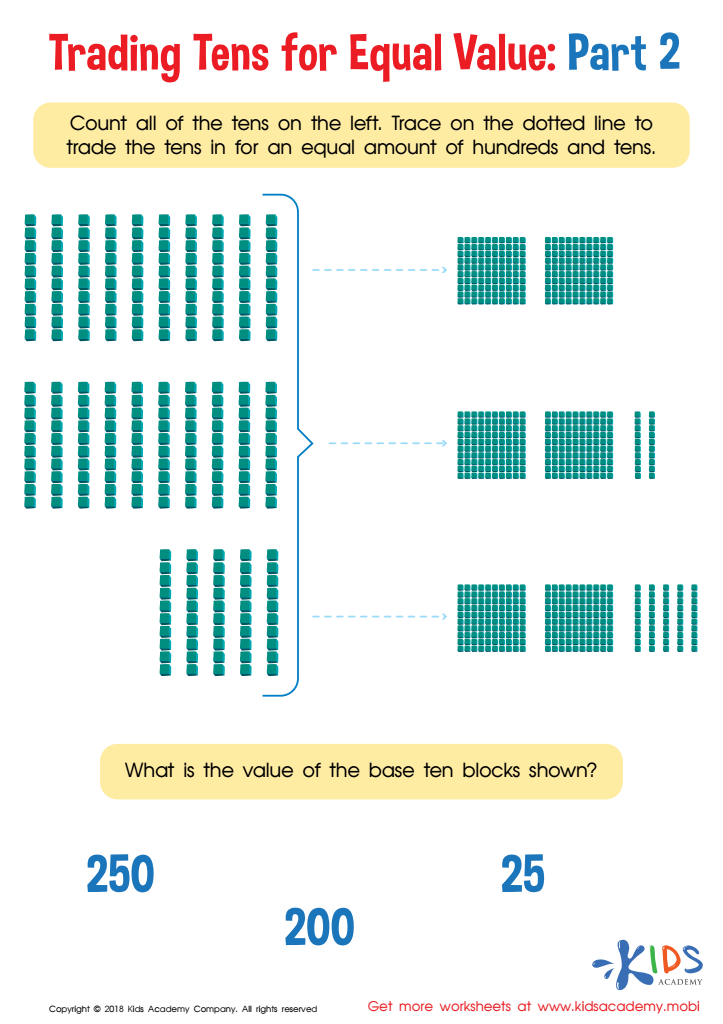
Trading Tens for Equal Value Worksheet: Part 2
Exchange coins for bills and cubes for longs or flats with this helpful place value worksheet! Encourage children to count all the tens, then trace the dotted line to the correct answer and determine the value. This concept can be tricky to teach in elementary math, but this worksheet can help!
Trading Tens for Equal Value Worksheet: Part 2
Worksheet
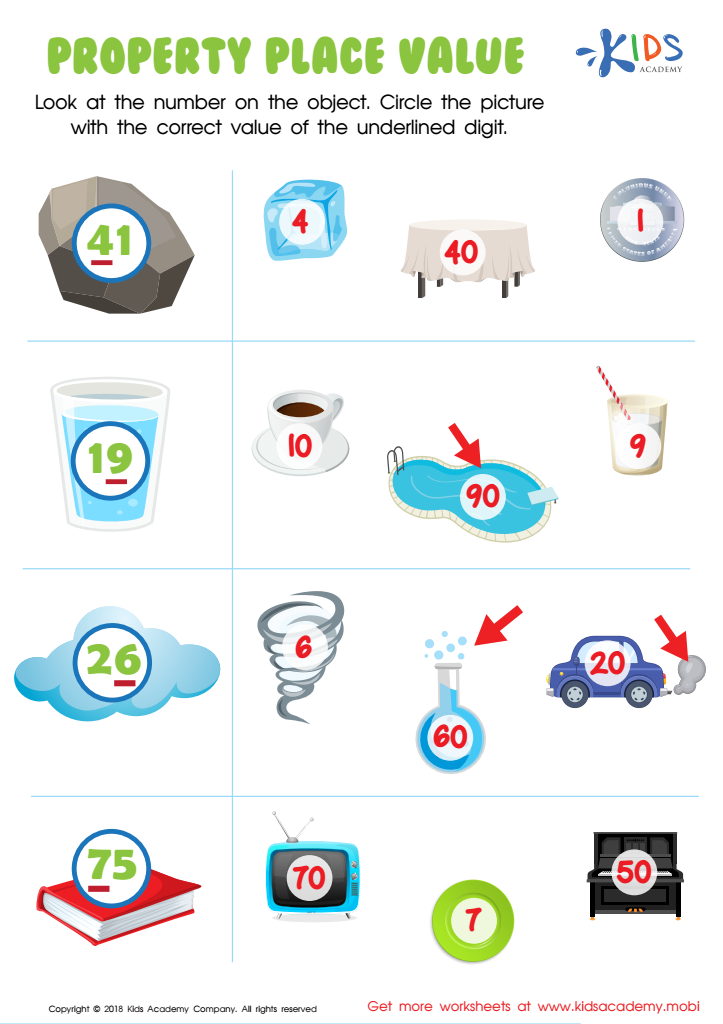
Property Place Value Worksheet
Help your child learn place value with this engaging worksheet! Kids Academy knows that colorful pictures motivate learners. Instruct them to name the place value of the underlined numbers on the left. Then, look through the images on the right to find the numbers that represent the indicated place value.
Property Place Value Worksheet
Worksheet
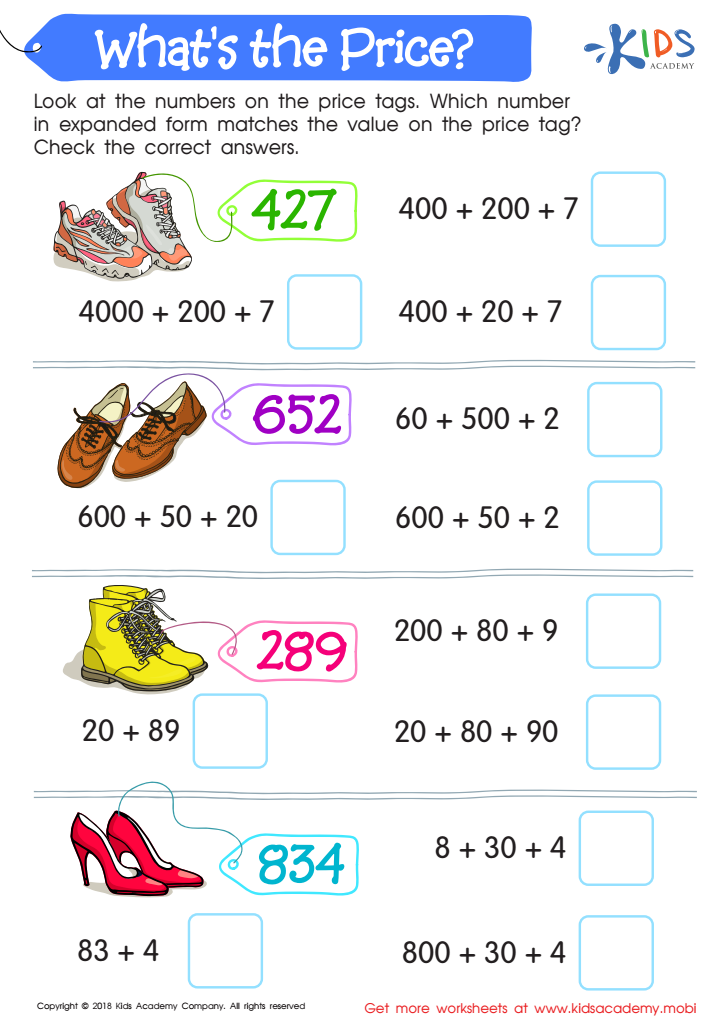
What's the Price? Worksheet
With this price tag worksheet, you and your kids can have some educational fun! Check the numbers on the tags, ask your child to work out their expanded form, and circle the correct answers. It's a great way to teach math and keep them entertained!
What's the Price? Worksheet
Worksheet
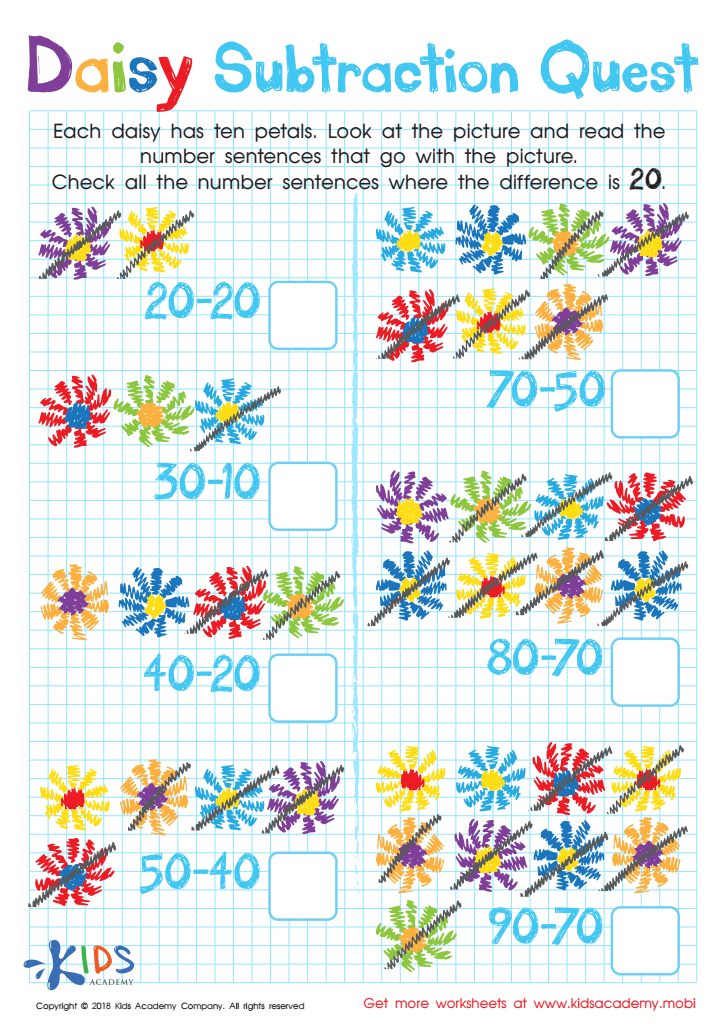
Daisy Subtraction Quest Worksheet
Ohh-la-la! These daisies are something special! With ten petals each, they're perfect for helping little math learners use tens to find number sentences that differ by 20. Our free worksheet is full of bright colors to engage and easy questions to strengthen math automaticity and confidence.
Daisy Subtraction Quest Worksheet
Worksheet
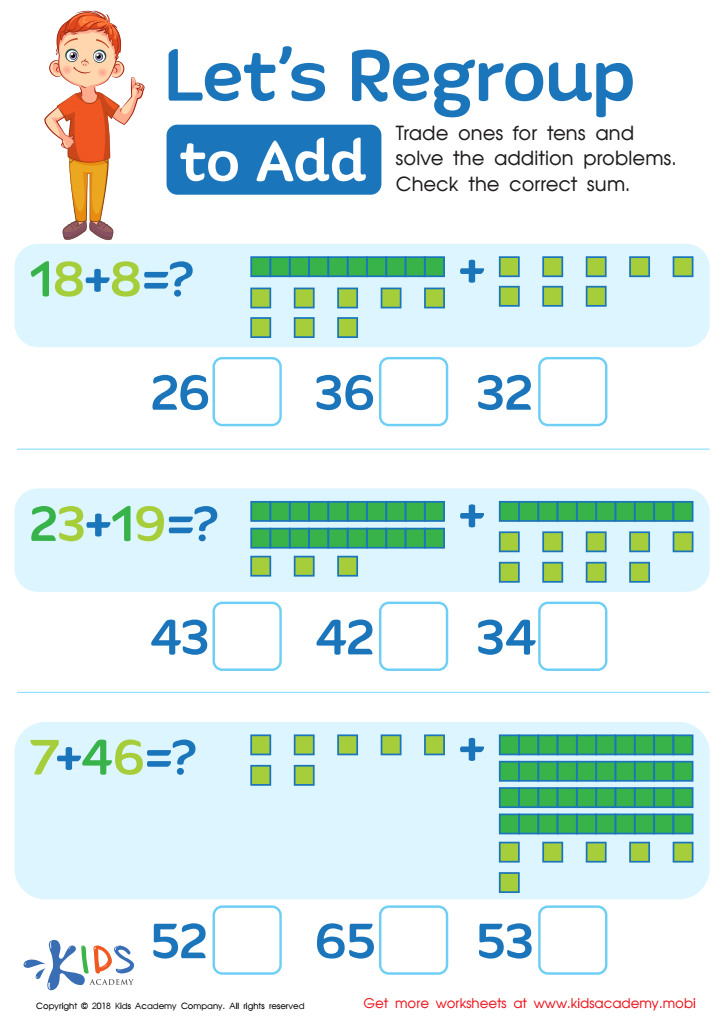
Let's Regroup to Add Worksheet
Practice regrouping and renaming numbers over ten with this worksheet. Using base ten blocks representations, students will turn single digits into '10s' and '1s', helping them to develop deeper mathematical reasoning, rather than just 'carrying the 1' when adding.
Let's Regroup to Add Worksheet
Worksheet
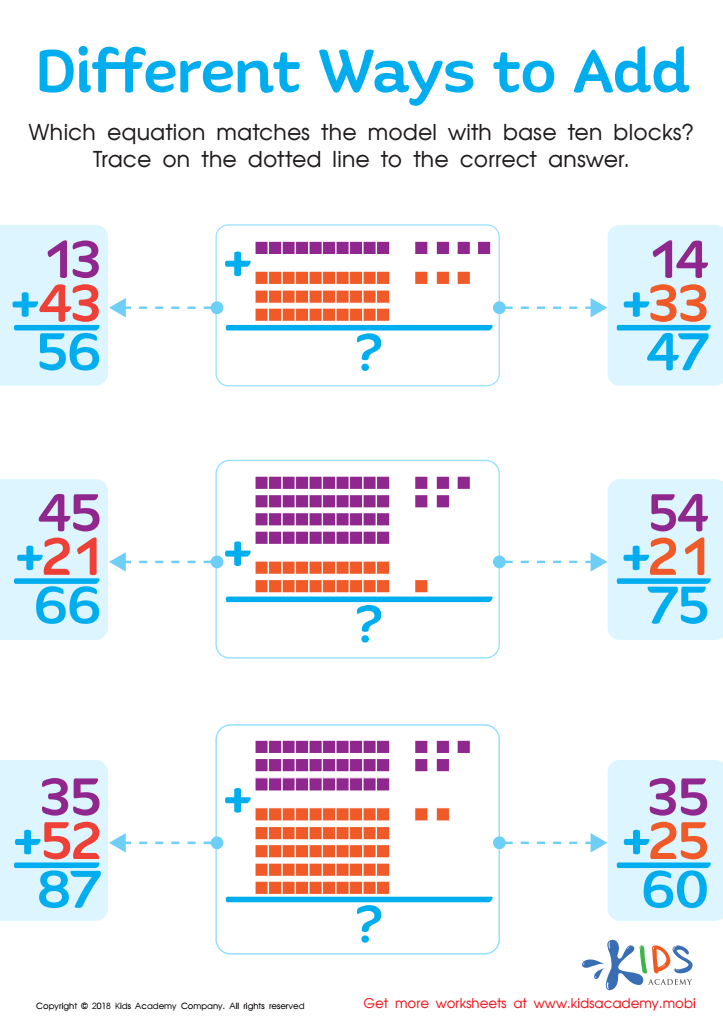
Different Ways to Add Worksheet
This worksheet enhances math skills by having students match equations to base ten pictures and tracing lines. It not only helps with fine motor skills, but also encourages number sense, with various ways to add and build upon existing math knowledge.
Different Ways to Add Worksheet
Worksheet
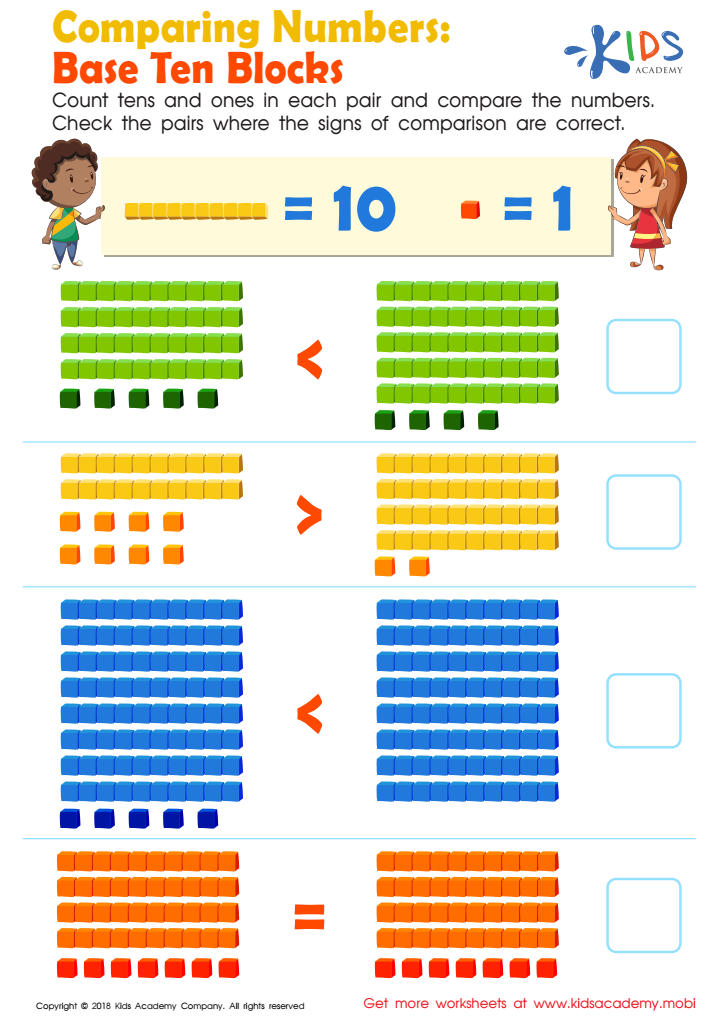
Comparing Numbers: Base Ten Blocks Worksheet
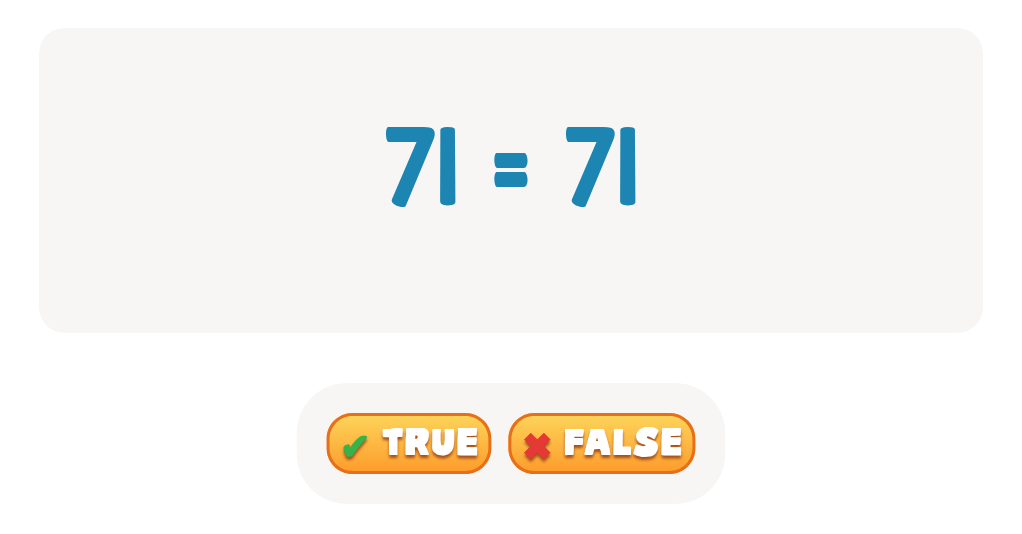
Make math fun for your child with a colorful worksheet. They'll need to compare signs by counting blocks on each side and signifying whether it's correct or not. This is one way to help your child beat the unhappiness that comes with math.
Comparing Numbers: Base Ten Blocks Worksheet
Worksheet
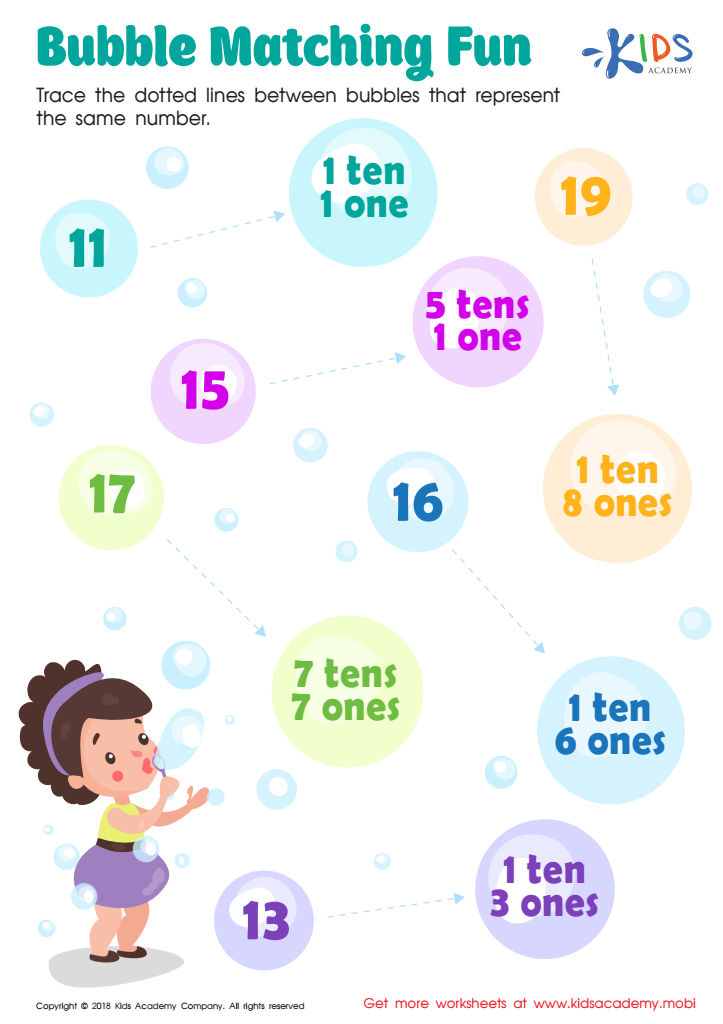
Bubble Matching Fun Worksheet
Try this fun worksheet to stimulate your young one's learning! Test their number matching skills by having them trace the dotted lines between bubbles representing the same numbers. Look through the exercise with your child and watch their understanding of how two numbers can add up to the same value grow!
Bubble Matching Fun Worksheet
Worksheet
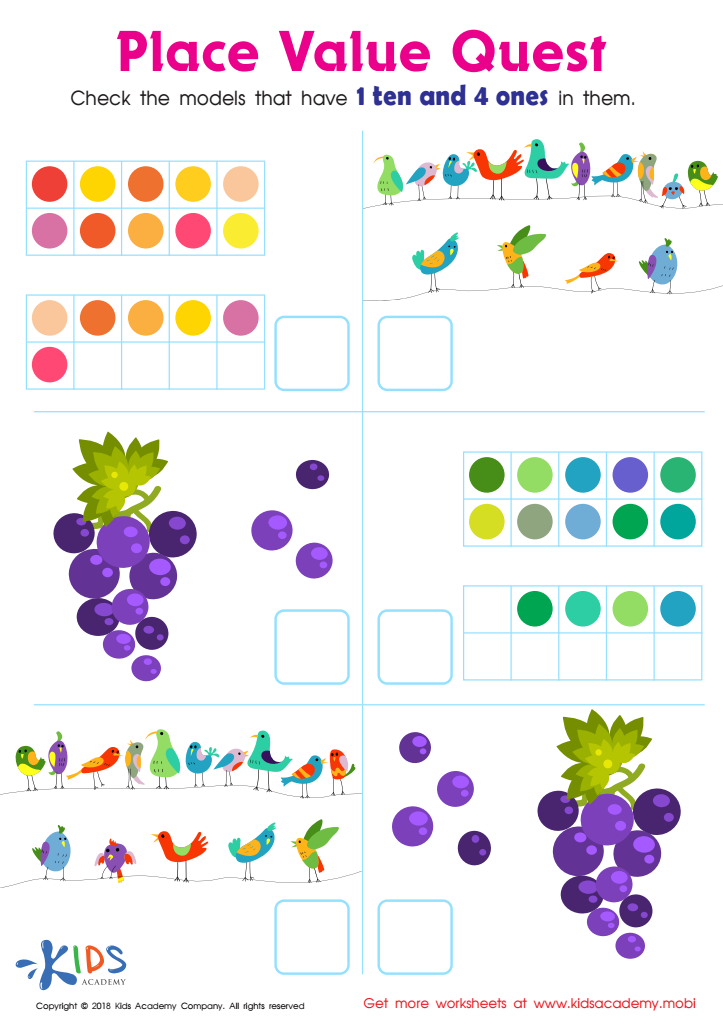
Place Value Quest Worksheet
Help your child explore place value with this fun worksheet! They'll pick the set of images that have 1 ten and 4 ones from a selection of birds, grapes, and dots. Checking the boxes that contain the answer, your child will learn to count and identify tens and ones. A quick math practice page that's sure to be a hit!
Place Value Quest Worksheet
Worksheet
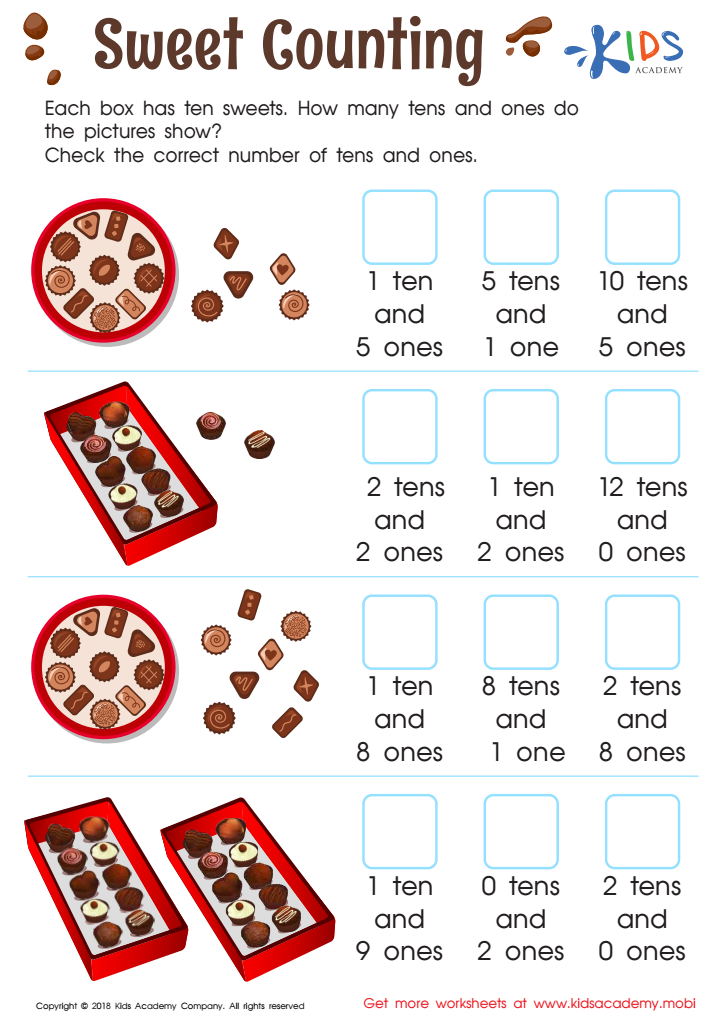
Sweet Counting - Part 2 Worksheet
Kids adore sweets! Make counting fun with this sweet-themed worksheet. Guide your child to count chocolates in boxes of 10, plus individual candies. Group them into tens and ones. Ask: "How many ones and tens are in each row?" Check the answer and complete the practice sheet.
Sweet Counting - Part 2 Worksheet
Worksheet
Trading Ones for Tens Worksheet: Part 2
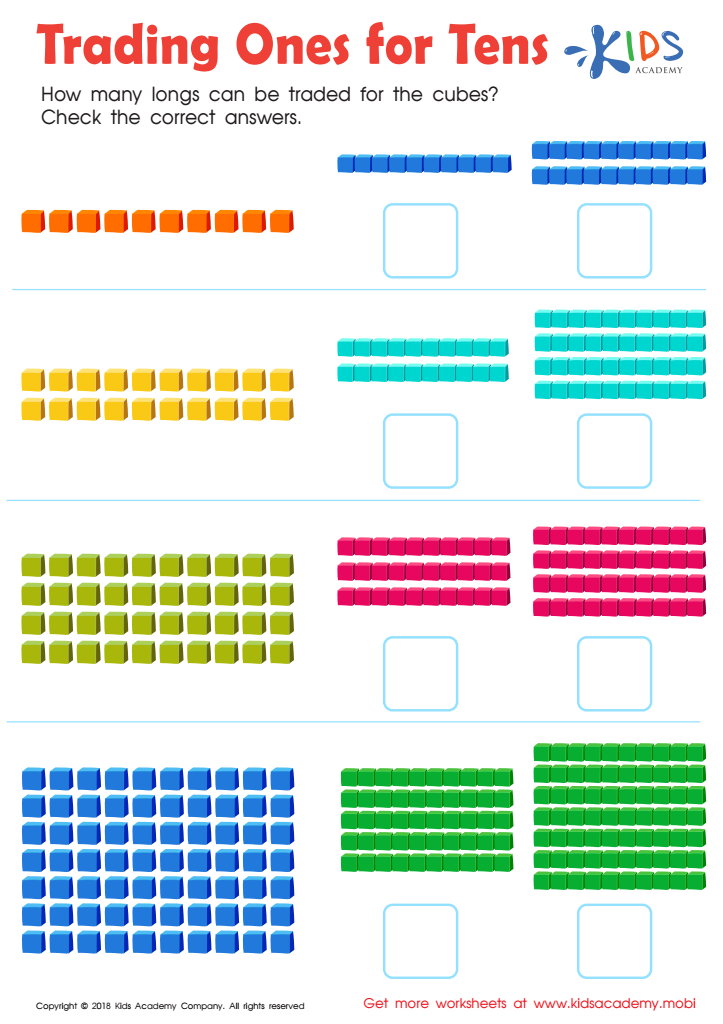
Introduce your early learners to regrouping numbers! Catch their attention with this brightly colored worksheet. See how many 10s can be created from the cubes. Then, check the box with the correct answer to complete the sheet! Download now and get started!
Trading Ones for Tens Worksheet: Part 2
Worksheet
Join Kids Academy for Free
Who is primarily going to use this learning content?







Understanding normal place value is essential for children ages 4-7 as it forms the foundation of their mathematical learning. At this young age, students are developing critical thinking and problem-solving skills, and place value is pivotal for their overall comprehension of numbers. Place value teaches them that the position of a digit in a number determines its value, enabling them to grasp concepts of addition, subtraction, multiplication, and division in future mathematics.
For parents and teachers, supporting this concept can lead to stronger math skills, boosting a child's confidence and competence in the subject. Early mastery of place value allows children to better understand multi-digit numbers, making complex arithmetic manageable. It also helps facilitate mental math and estimation skills, which are crucial in everyday situations.
Moreover, a solid grasp of place value encourages logical reasoning and enhances children's abilities to identify numerical patterns. This understanding fosters a positive attitude toward mathematics, reducing anxiety in later years. In a world increasingly driven by quantitative reasoning, equipping children with strong foundational skills is an investment in their academic and personal success. Therefore, emphasizing normal place value is crucial for parents and teachers invested in their child's mathematical journey.