Normal Science Worksheets for Ages 4-7 - Page 3
239 filtered results
-
From - To
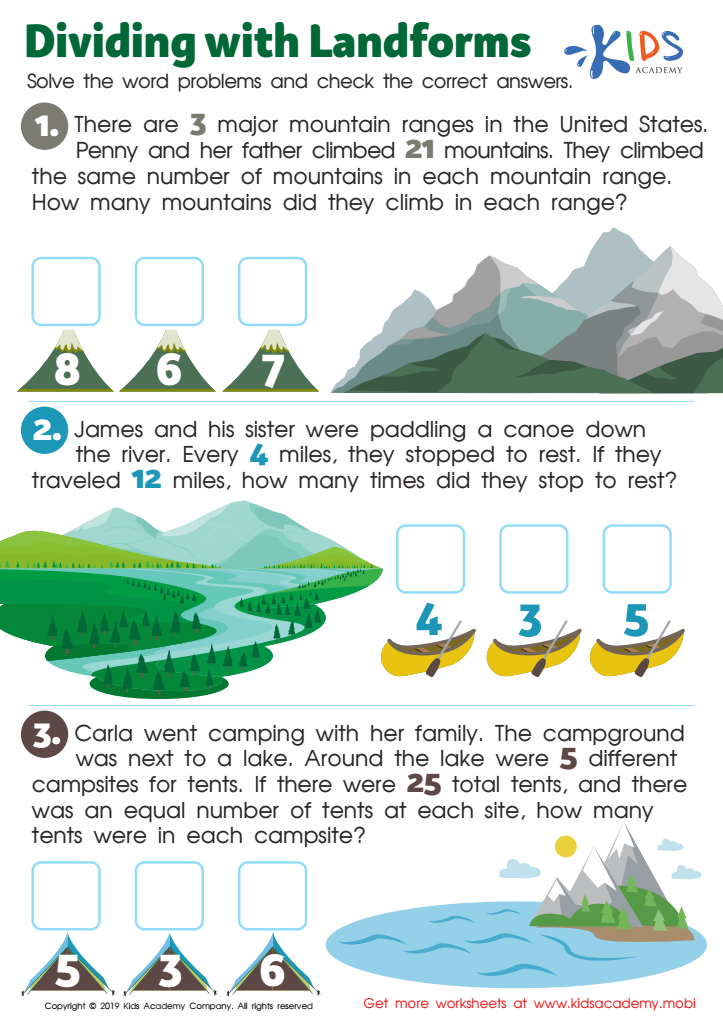
Dividing with Landforms
 Assign to My Students
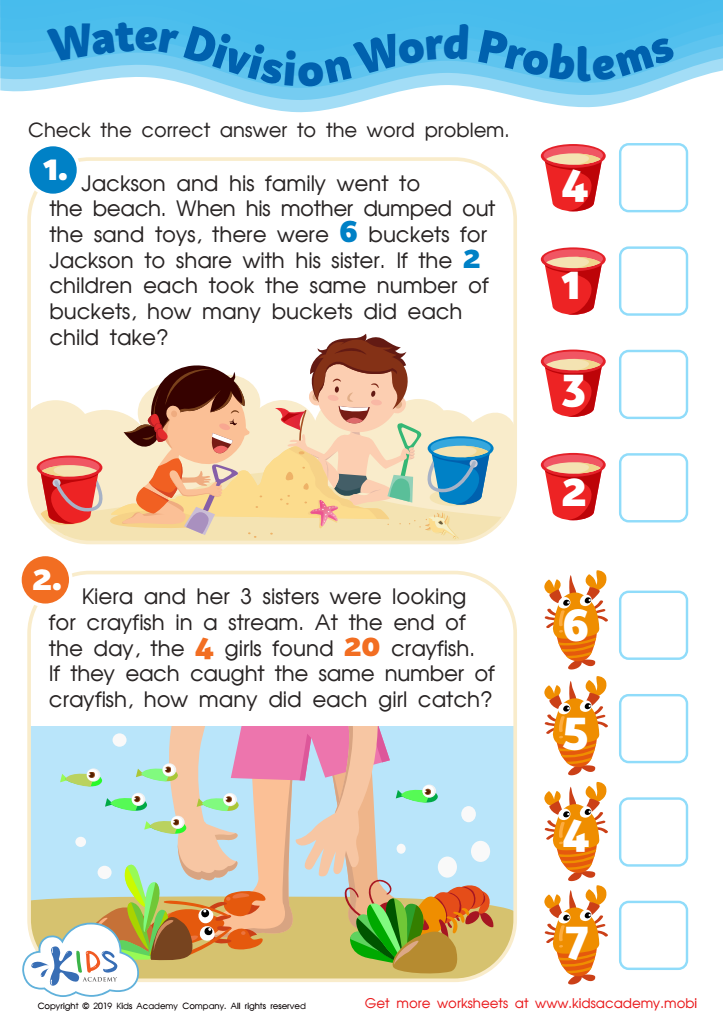
Water Division Word Problems Worksheet
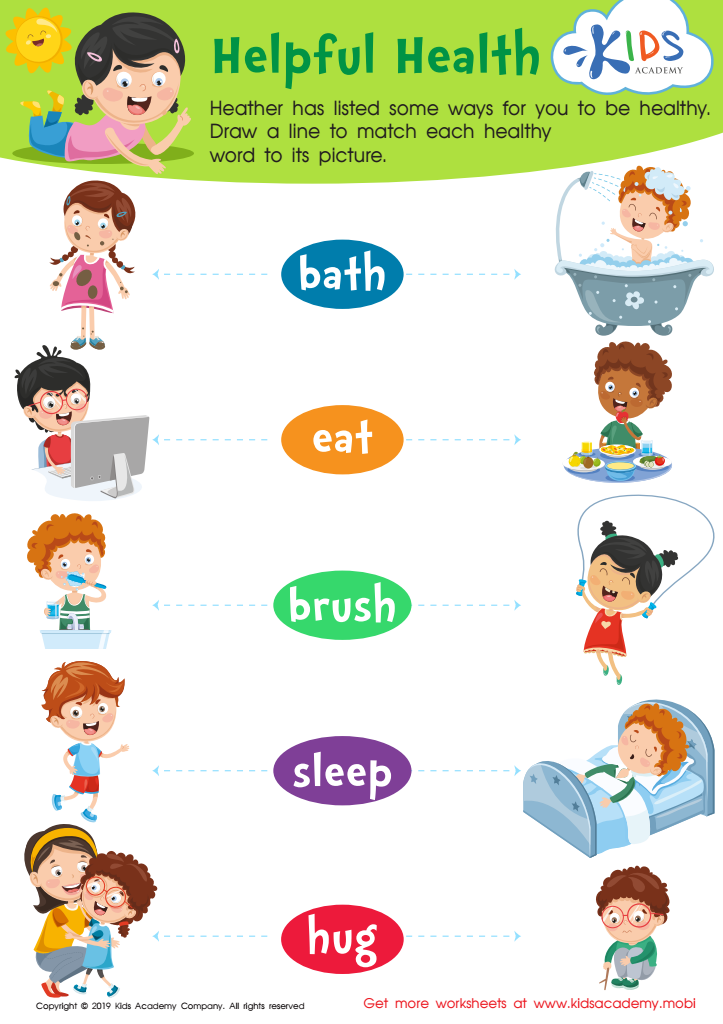
Helpful Health Worksheet
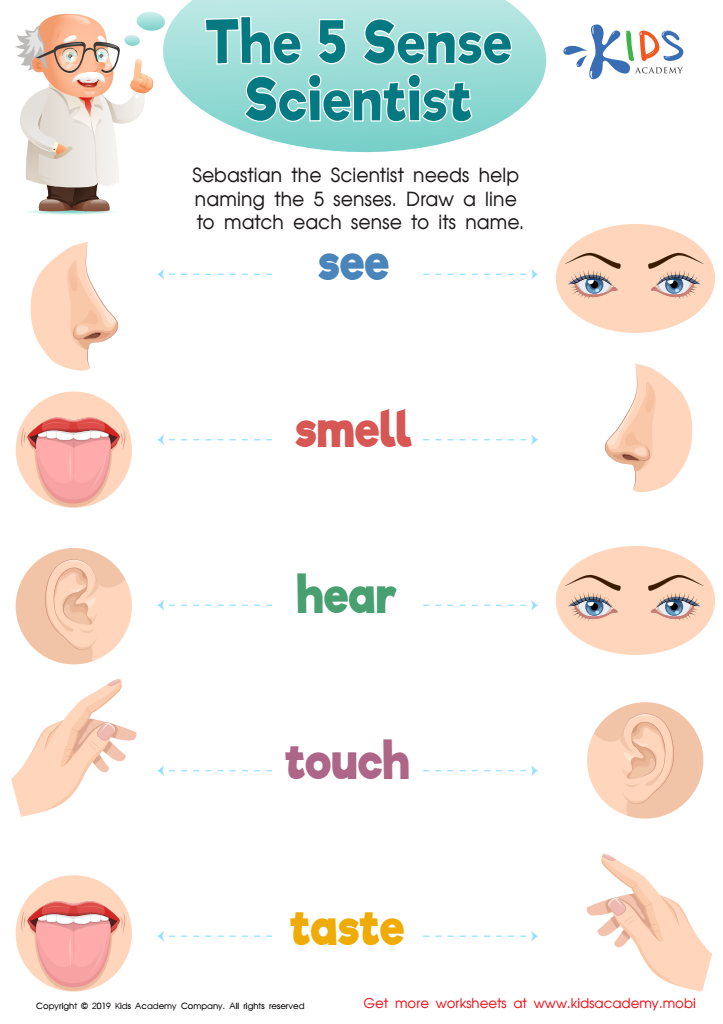
The 5 Sense Scientist Worksheet
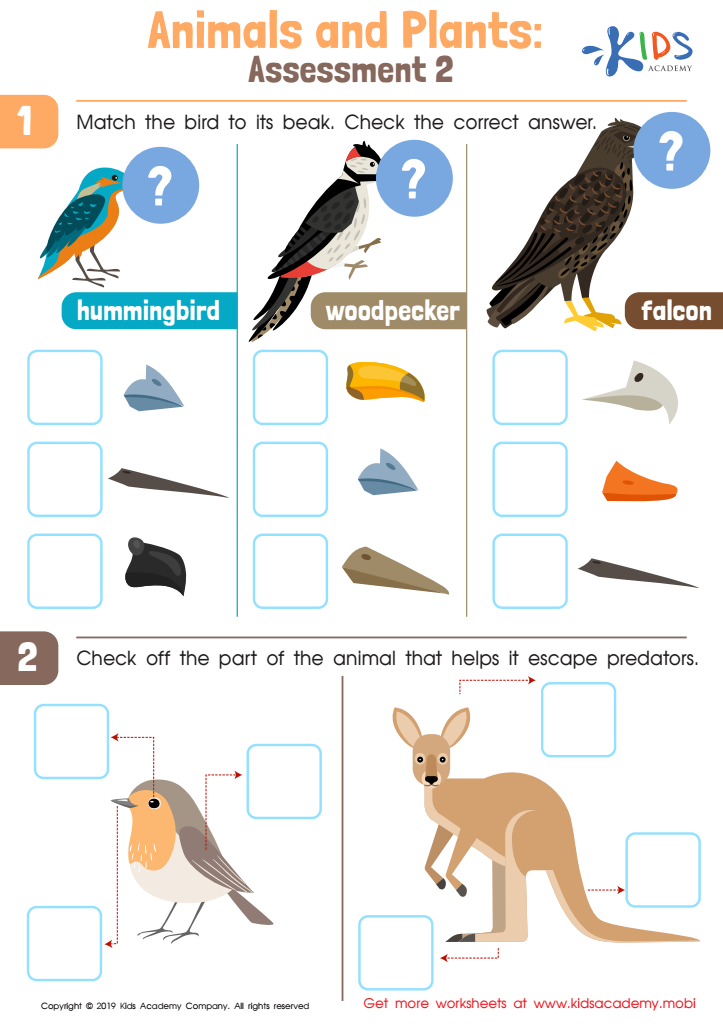
Animals and Plants: Assessment 2 Worksheet
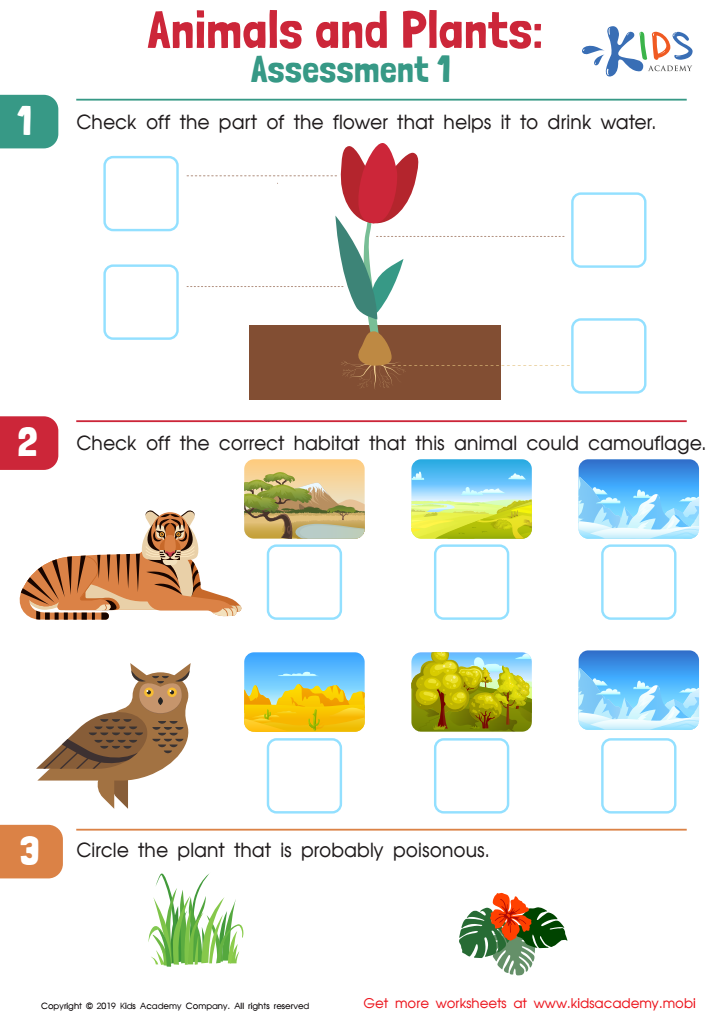
Animals and Plants: Assessment 1 Worksheet
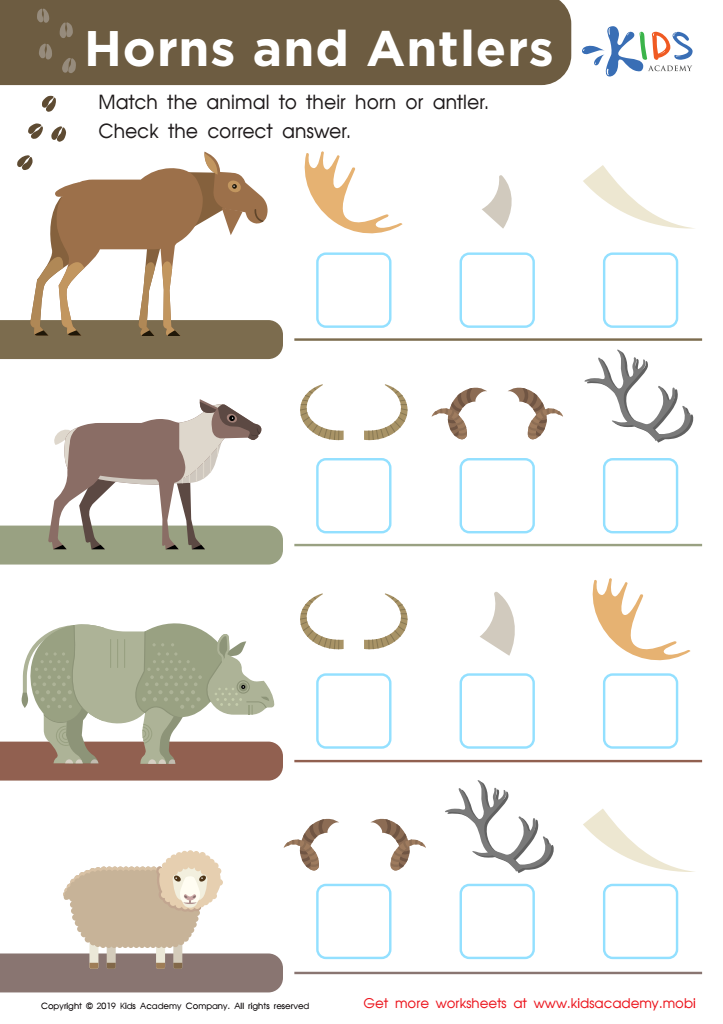
Horns and Antlers Worksheet
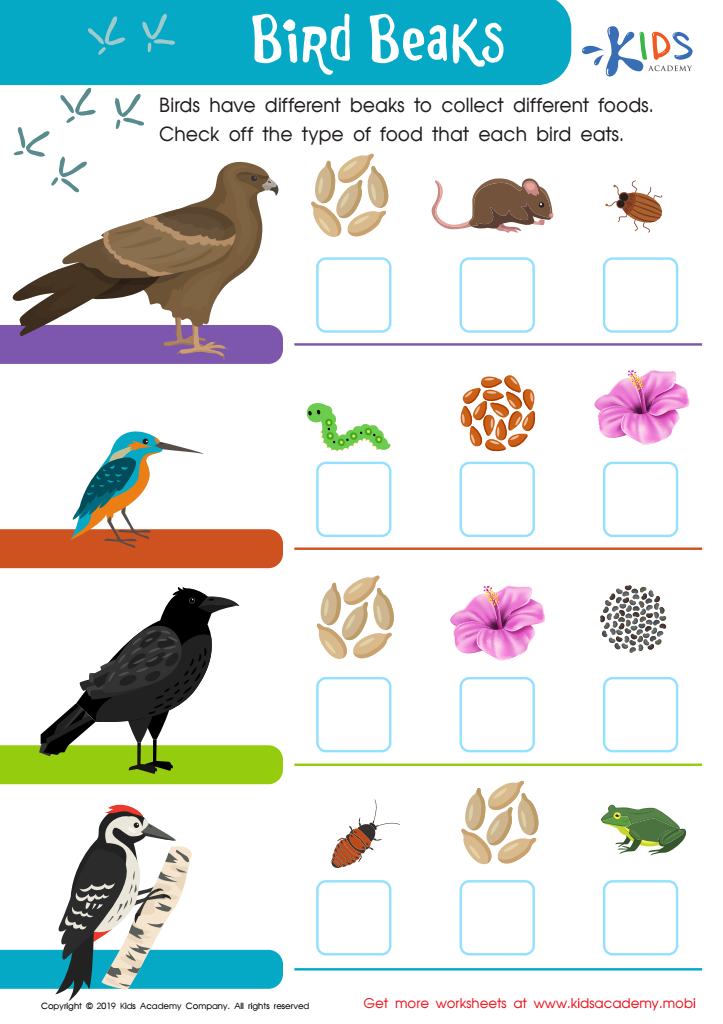
Bird Beaks Worksheet
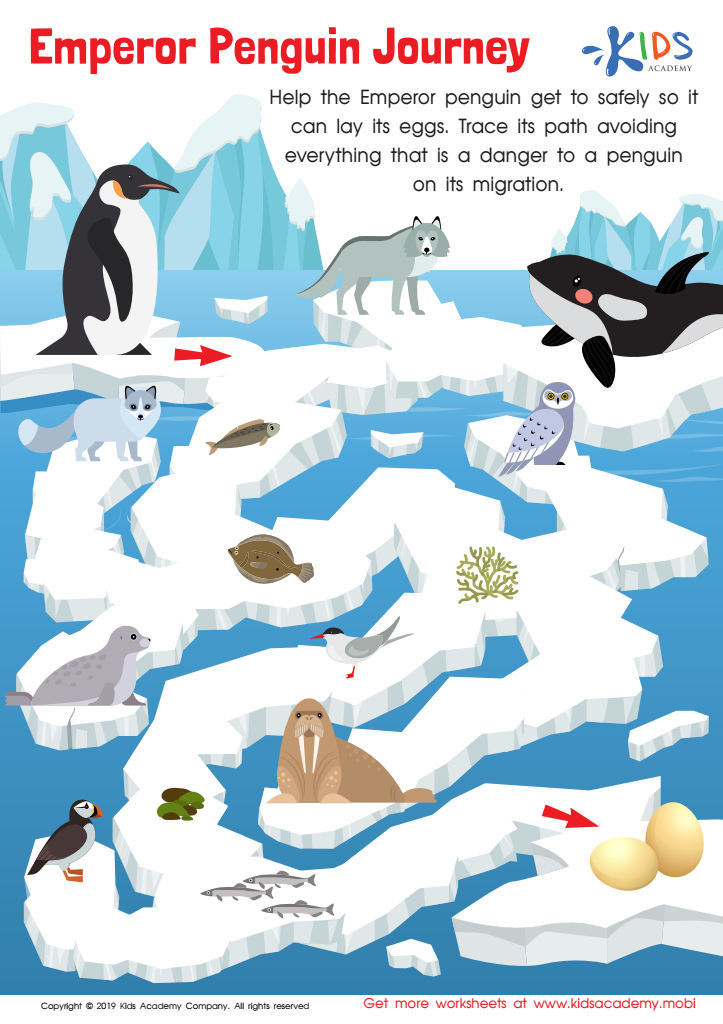
Emperor Penguin Journey Worksheet
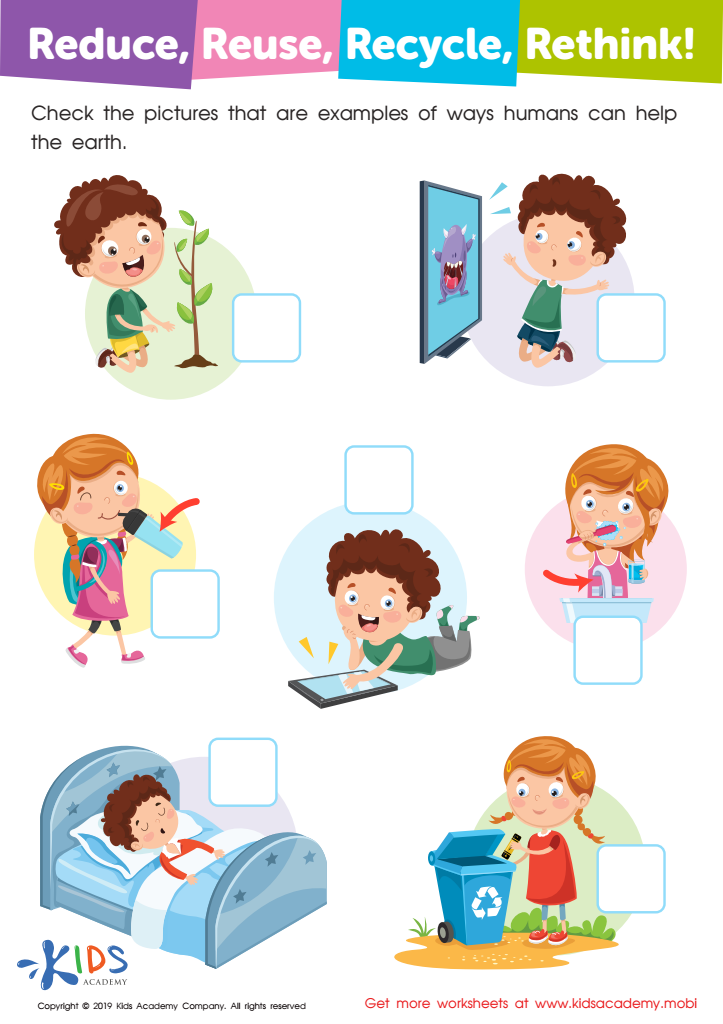
Reduce, Reuse, Recycle, Rethink Worksheet
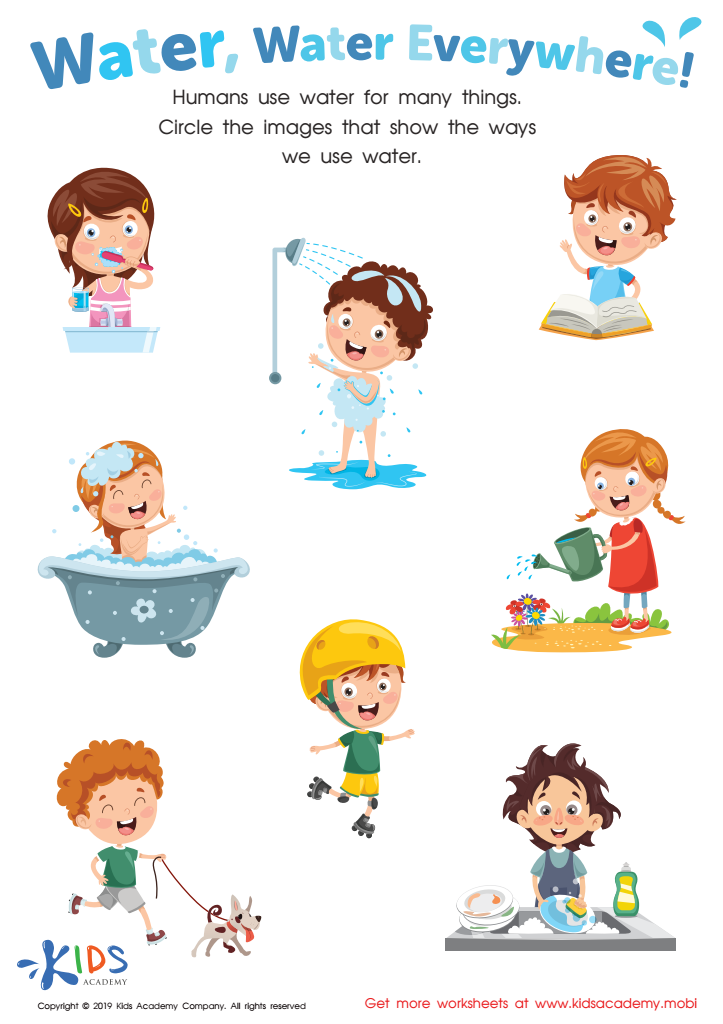
Water, Water Everywhere! Worksheet
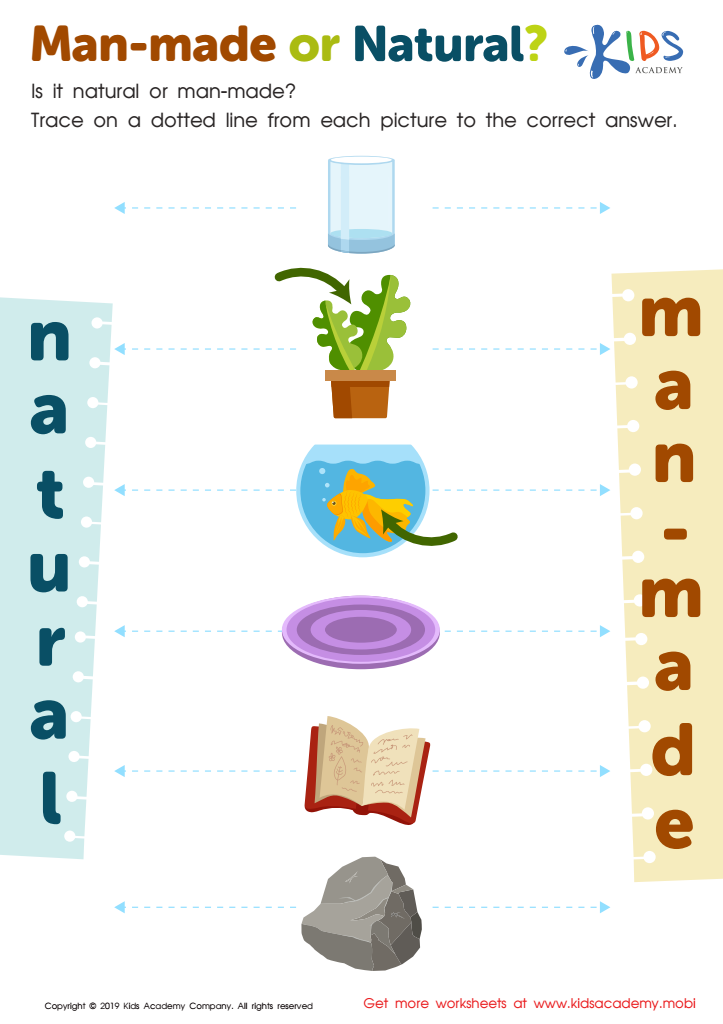
Man-Made or Natural? Worksheet
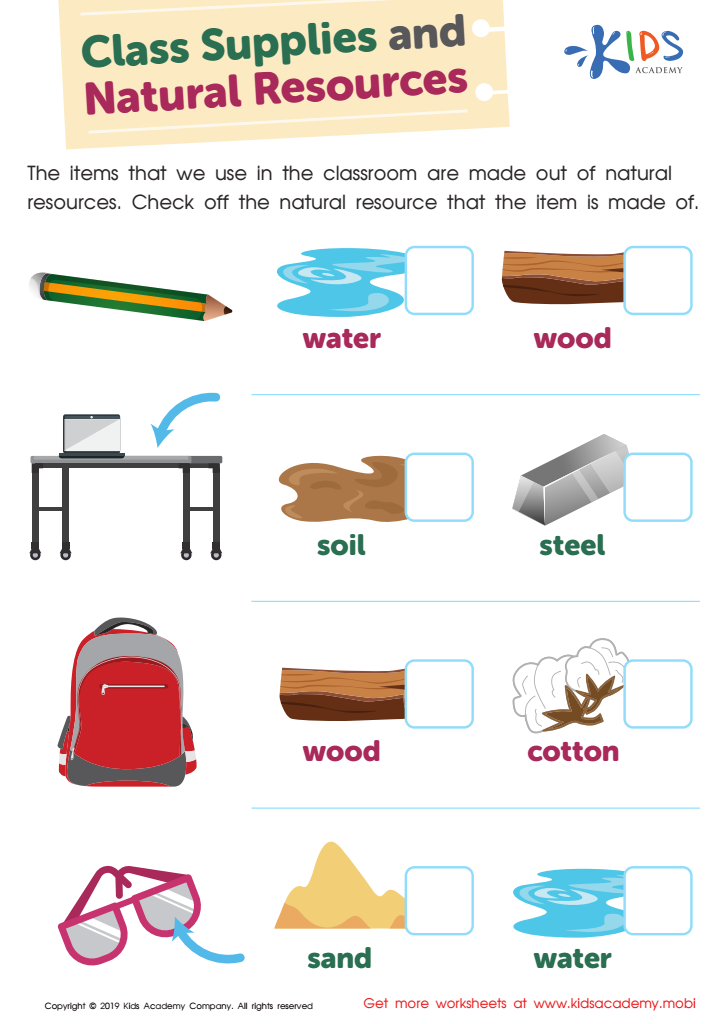
Class Supplies and Natural Resources Worksheet
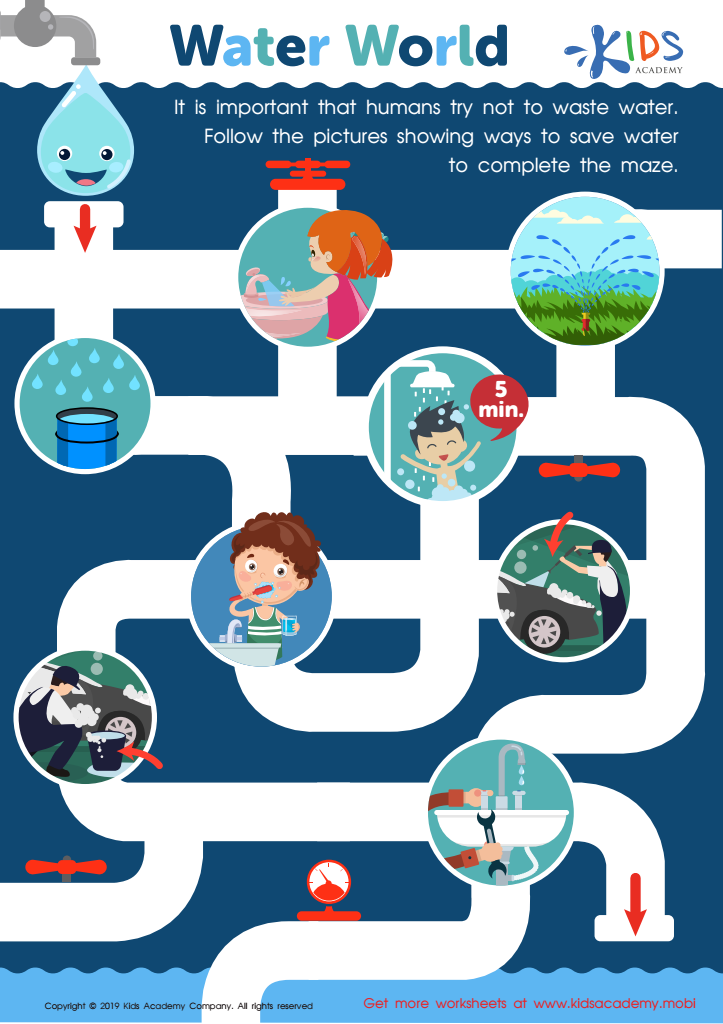
Water World Worksheet
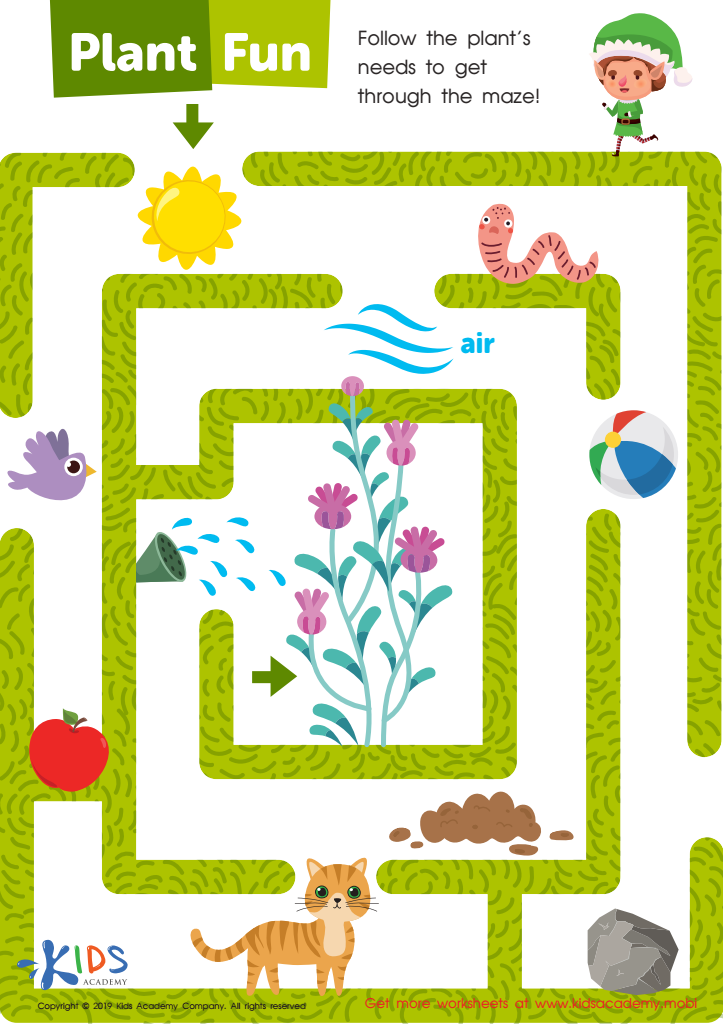
Plant Fun Worksheet
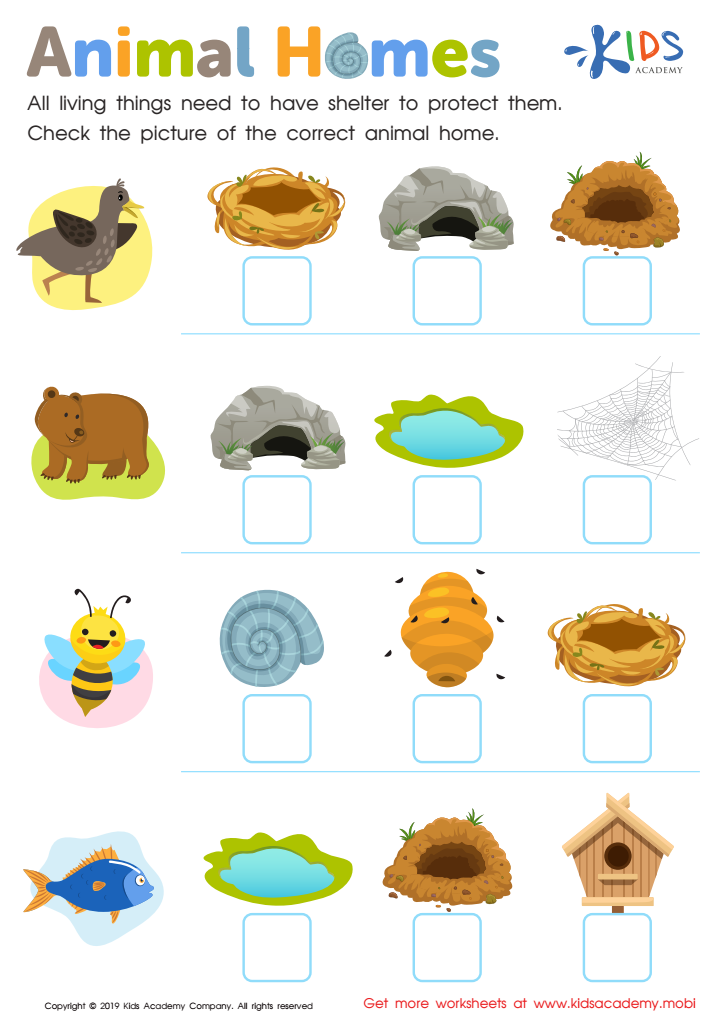
Animal Homes Worksheet
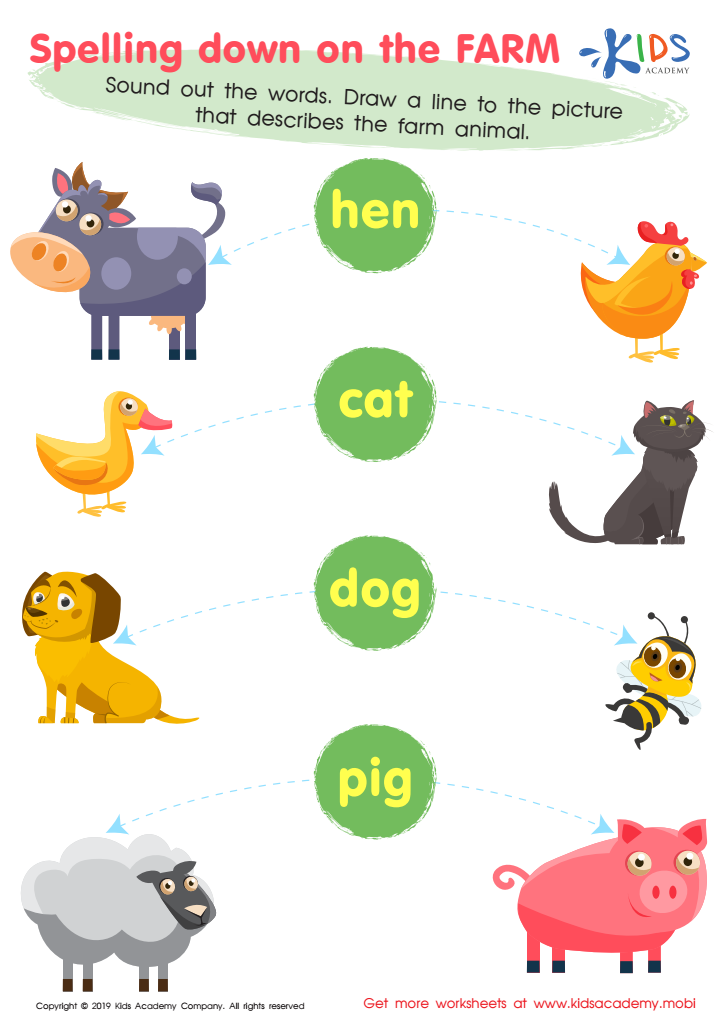
Spelling Down on the Farm Worksheet
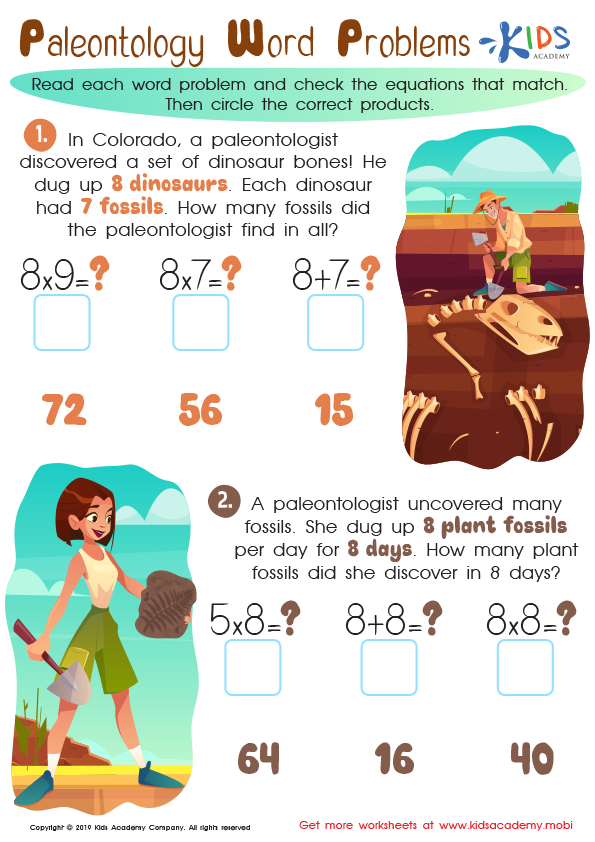
Archeology Word Problems Worksheet
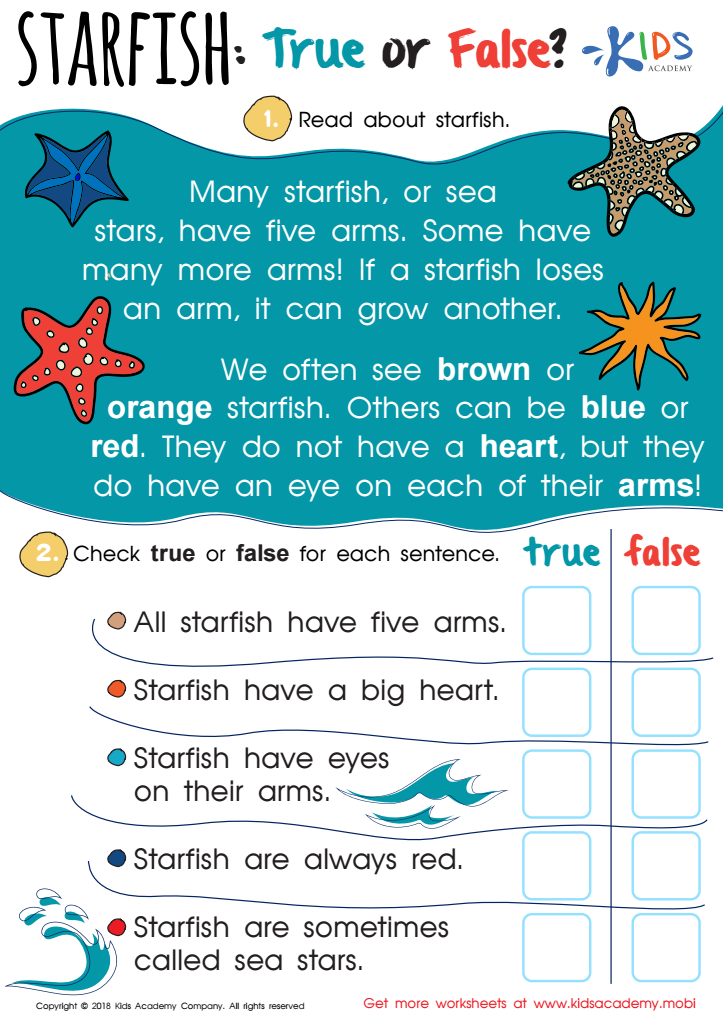
Starfish: True or False Worksheet
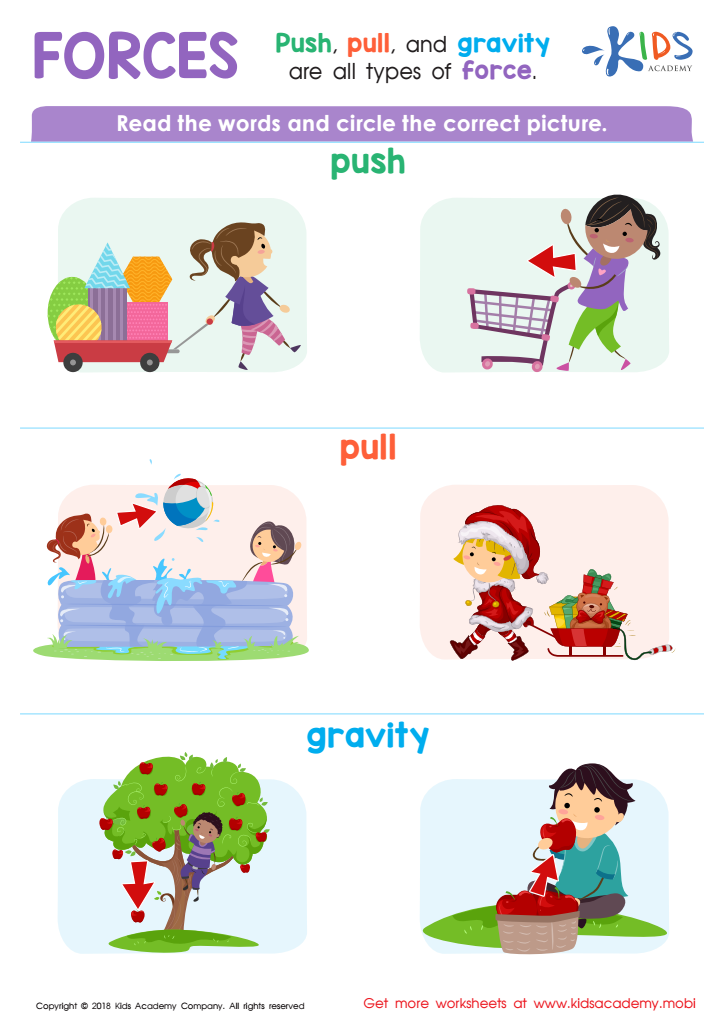
Forces Worksheet
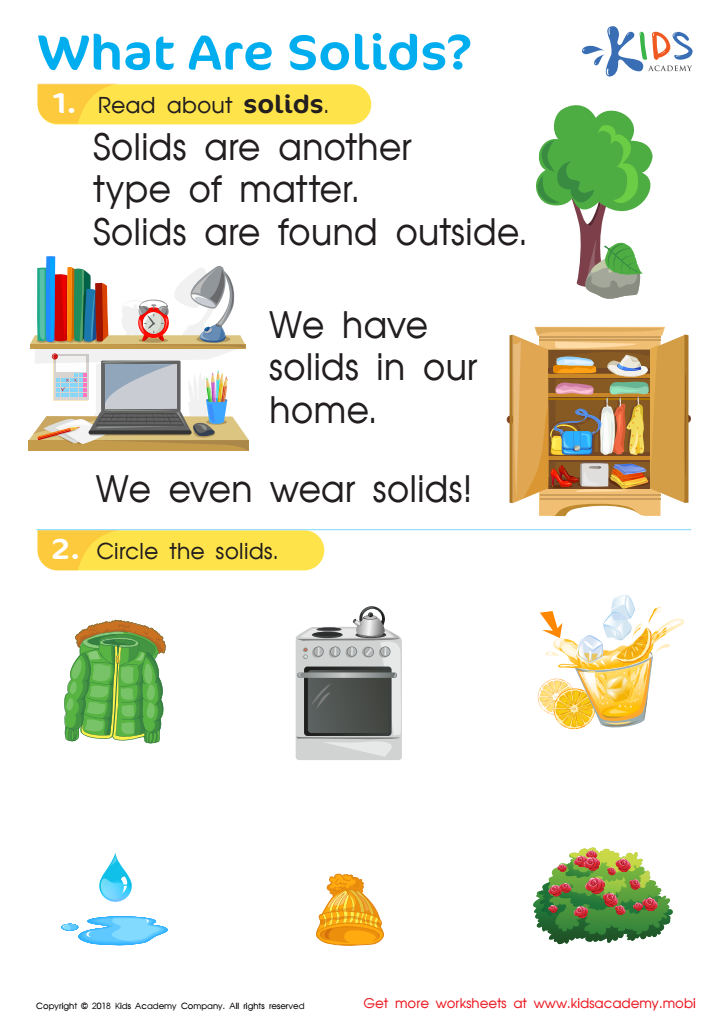
What Are Solids? Worksheet
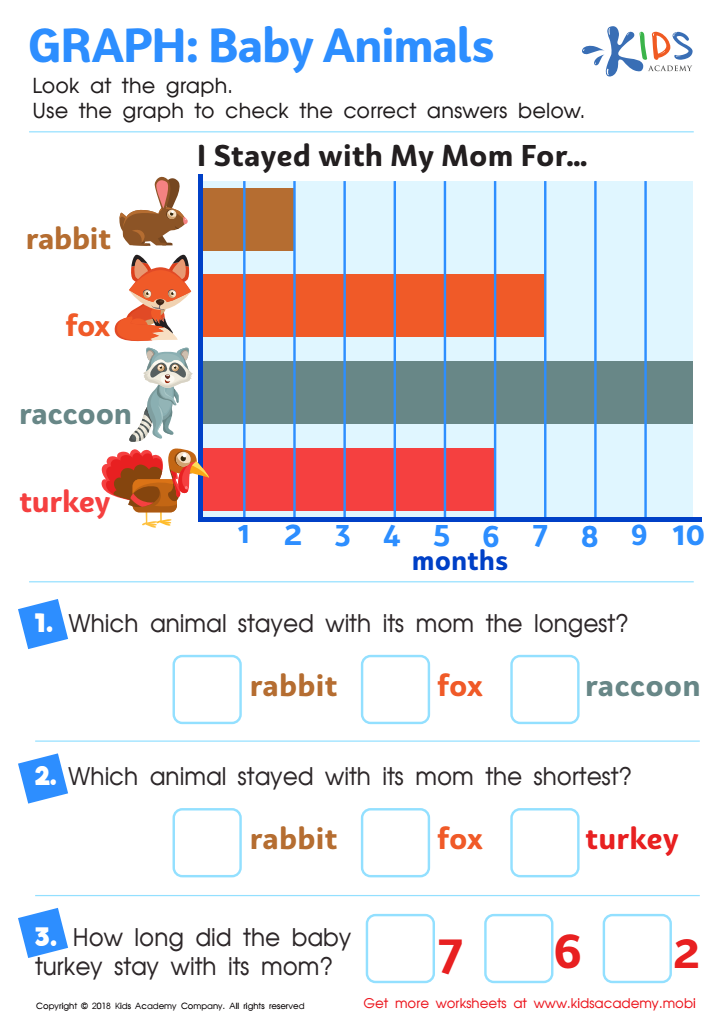
Graph: Baby Animals Worksheet
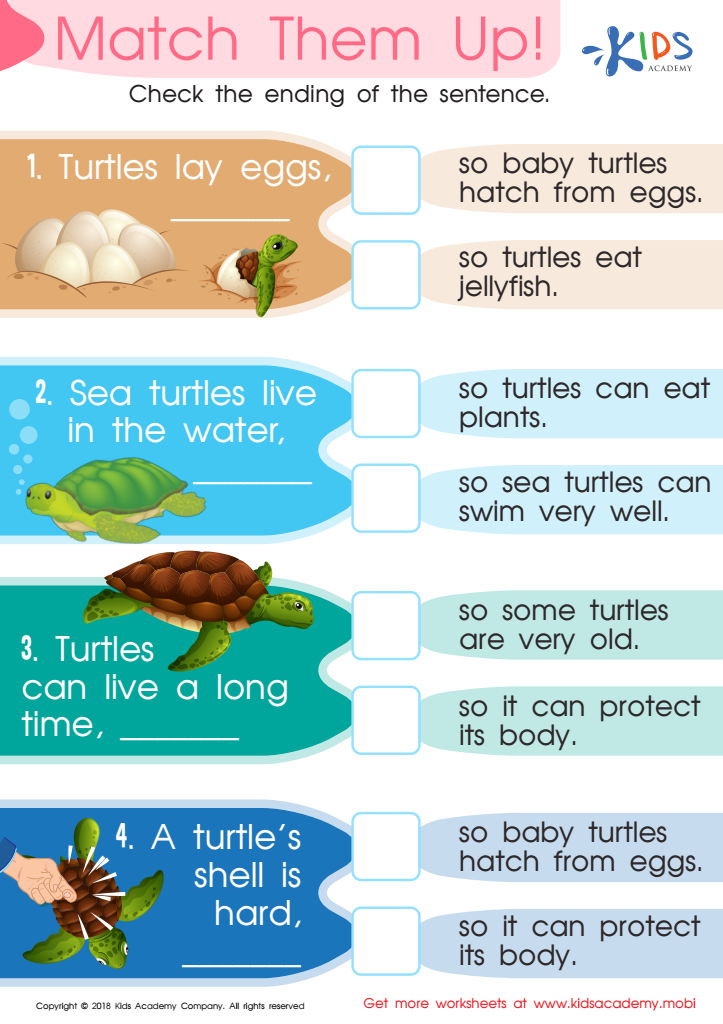
Match Them Up Worksheet
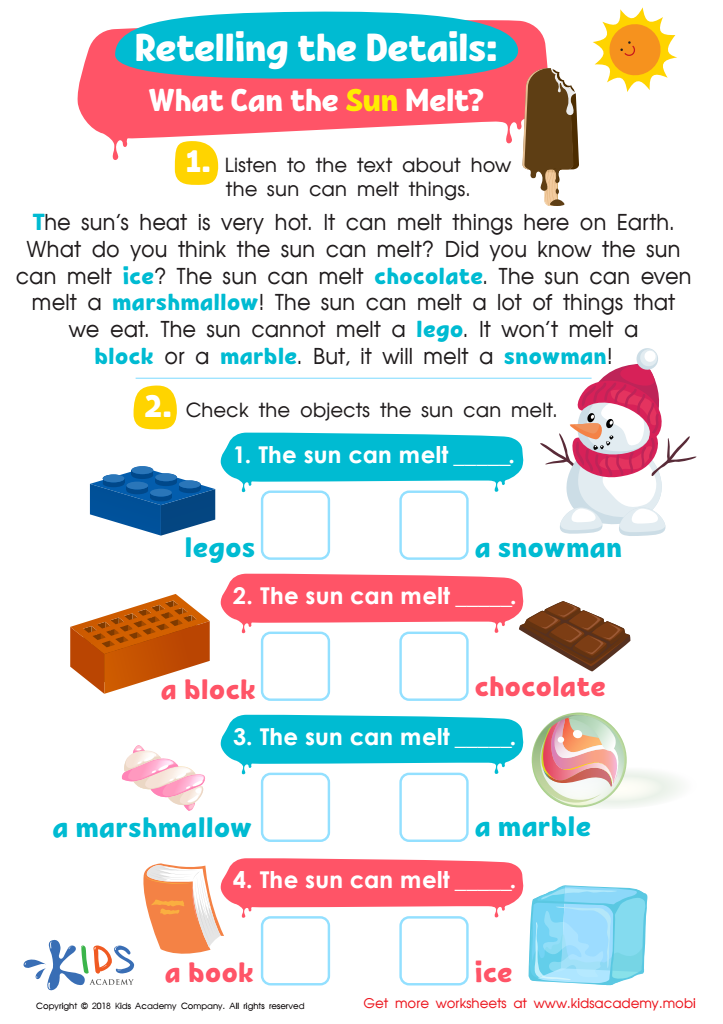
Retelling the Details: What Can the Sun Melt? Worksheet






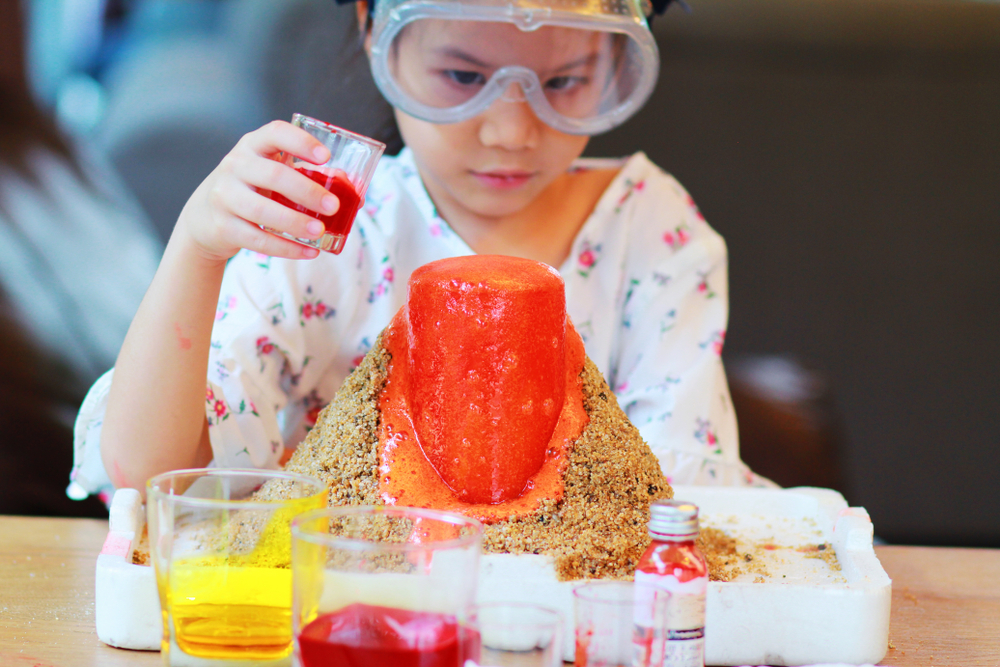

Normal Science, as understood in the context of early education, refers to the fundamental scientific principles and exploratory activities that engage young learners in observation, inquiry, and experimentation. Parents and teachers should care about Normal Science for children ages 4-7 because this crucial period lays the foundation for critical thinking and problem-solving skills.
At this age, children are naturally curious, equipped with an innate desire to explore the world around them. Engaging them in Normal Science encourages this curiosity, transforming it into structured learning experiences that promote cognitive development. Furthermore, it introduces basic concepts such as cause and effect, simple physics, biology, and environmental awareness through experiential learning.
Incorporating Normal Science into early education cultivates a positive attitude toward science and instills a love of learning. By observing, asking questions, and conducting simple experiments, children develop essential communication and collaboration skills. Additionally, it helps in promoting literacy and numeracy, as they gravitate toward data collection and analysis.
Investing in Normal Science not only enriches a child's educational experience but also prepares them for future academic success in STEM fields, ensuring they have the tools necessary to navigate an increasingly complex world.







