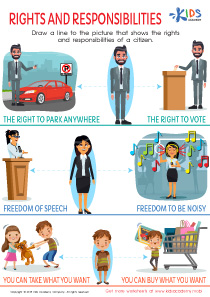
Normal Governance and Civics Worksheets for Ages 4-7 - Page 2
28 filtered results
-
From - To
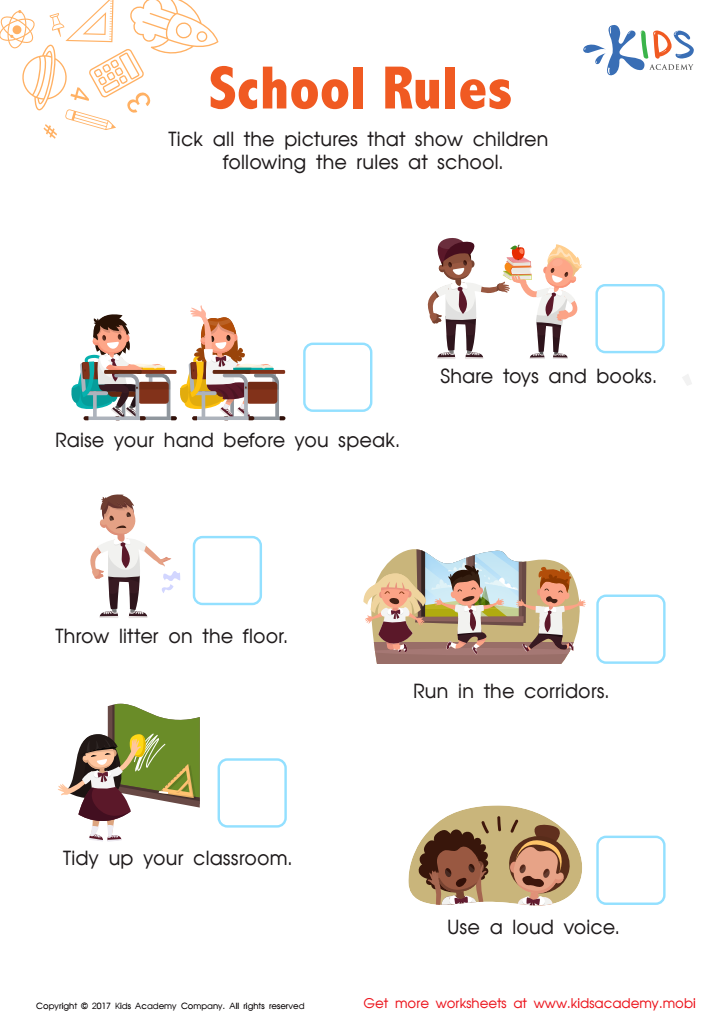
School Rules Worksheet
 Assign to My Students
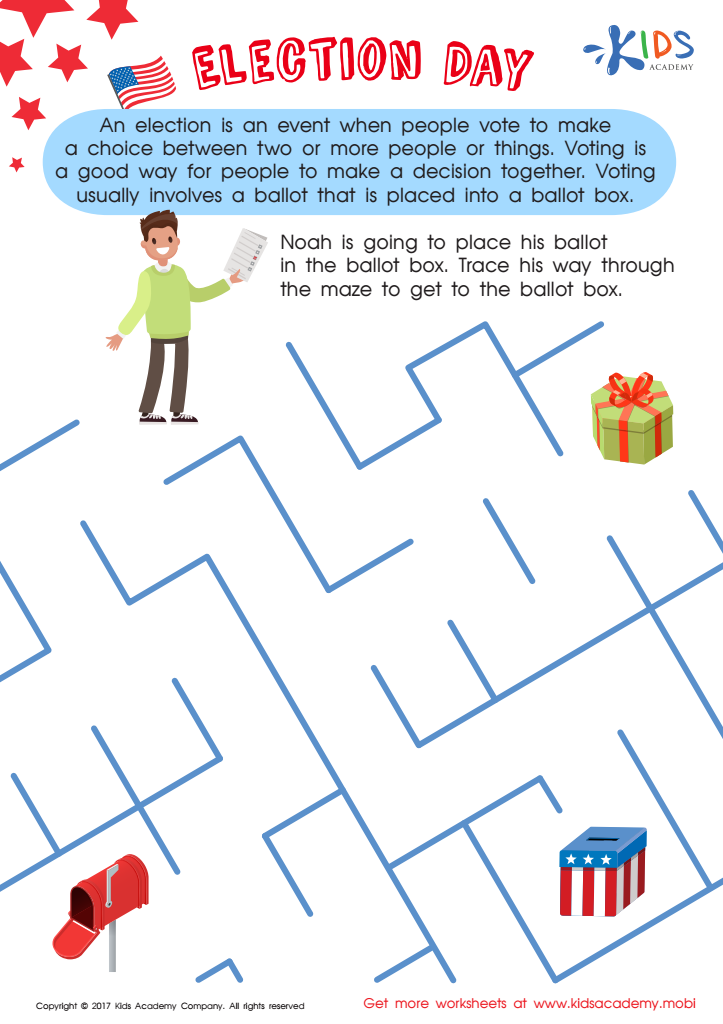
Election Day Worksheet
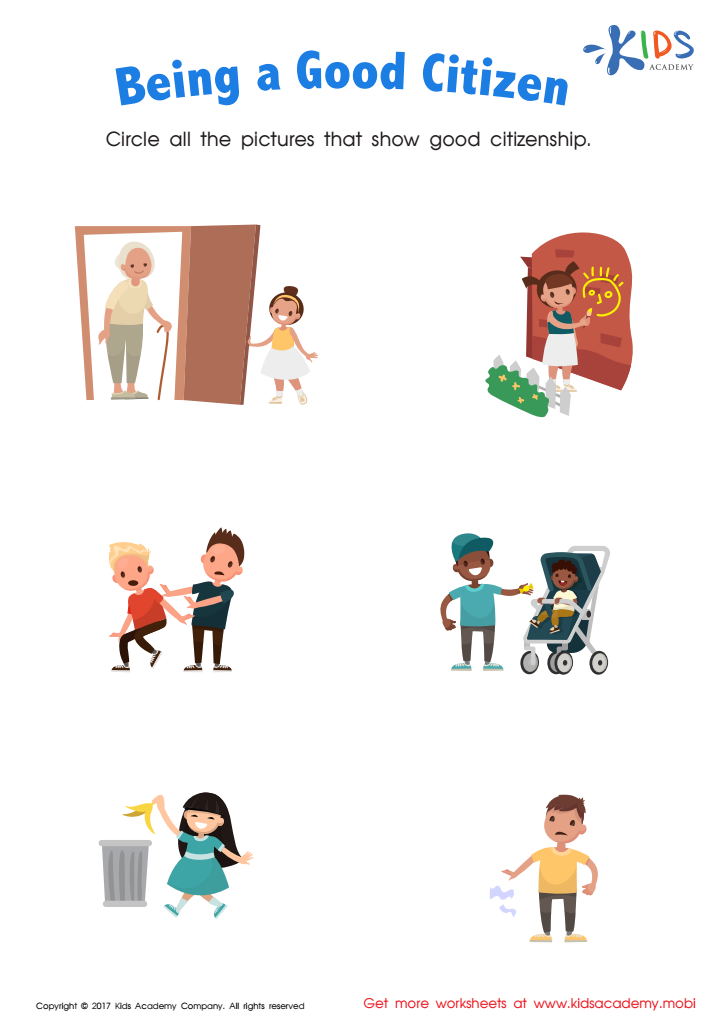
Being a Good Citizen Printable
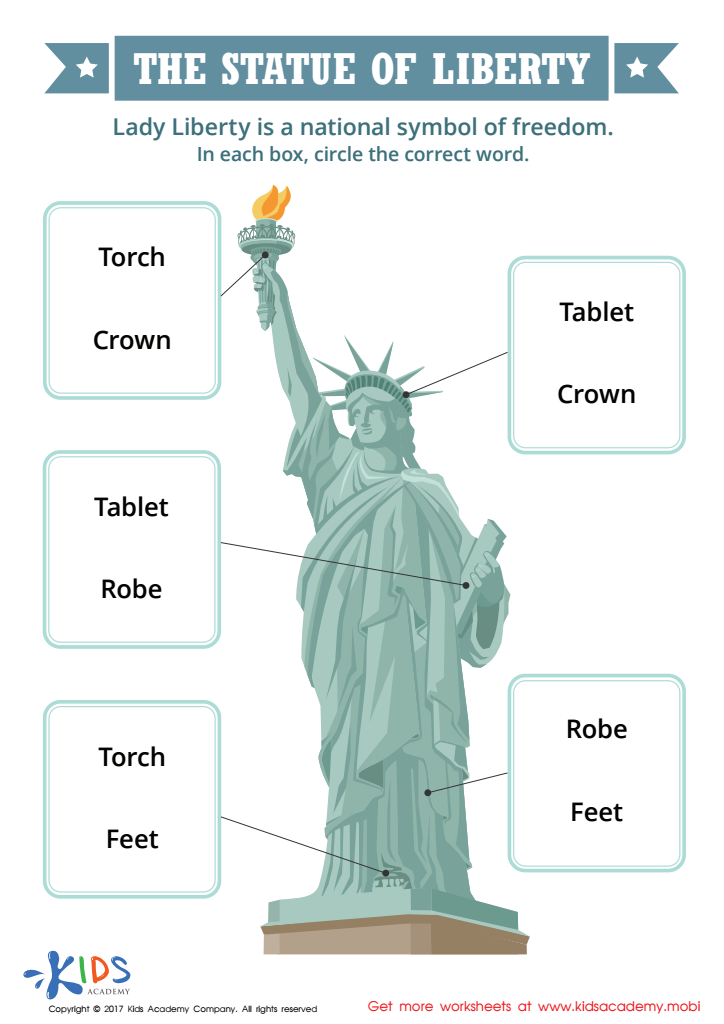
The Statue of Liberty Printable


Parents and teachers should prioritize Normal Governance and Civics for children aged 4-7 because early education lays the groundwork for responsible citizenship. At this age, children are naturally curious and begin to understand basic concepts of community, roles, and rules. Introducing them to the principles of governance can foster a sense of belonging and responsibility, helping them appreciate the importance of collaboration and respect in a community.
Teaching civics at this stage involves engaging children in discussions about fairness, sharing, and collaboration—key elements of democratic principles. It nurtures their ability to express themselves, ask questions, and think critically, skills that are vital throughout their lives. Furthermore, instilling these values early on can help reduce instances of bullying and conflict as children learn to empathize with their peers.
Additionally, engaging with governance from a young age empowers children to appreciate the importance of their own voices and choices, setting the stage for active participation in society as they grow. By incorporating Normal Governance and civics into their education, adults can equip the next generation with the knowledge and skills necessary to become thoughtful, informed citizens who value civic engagement and community service.