Filters

10 filtered results

Clear all filters
Favorites
With answer key
Interactive

10 filtered results

Difficulty Level

Grade


Introducing our Normal Reading Non-Fiction Worksheets, specially curated for 4-Year-Olds! Designed with young learners in mind, these worksheets are the perfect blend of fun and education, helping to spark curiosity about the real world. Through engaging activities and age-appropriate non-fiction content, your child will embark on a journey of discovery, learning about animals, nature, and everyday objects. These worksheets are tailored to encourage early reading skills while expanding their knowledge and vocabulary. Give your 4-year-old the gift of learning and the joy of exploration with our Normal Reading Non-Fiction Worksheets. Start their adventure into the world of non-fiction today!


Check out this FREE Trial Lesson on Reading Non-Fiction for age 4!

Describe the Relationship Between Illustrations and the Text in Which They Appear (i.e. What Person, Place, Thing, or Idea in Th

Favorites
With answer key
Interactive
  • 4
  • Interactive
  • Reading Non-Fiction
  • Normal
Towns Worksheet
Towns Worksheet

Towns Worksheet

Towns are generally quiet and safe, making them attractive for young families. Cities have more people, businesses and tall buildings. Roads are busy, and there is often plenty to do and see. Help your kids check which pictures in this worksheet show towns.
Towns Worksheet
Worksheet
Draw a Line to the Picture Books Worksheet

Draw a Line to the Picture Books Worksheet

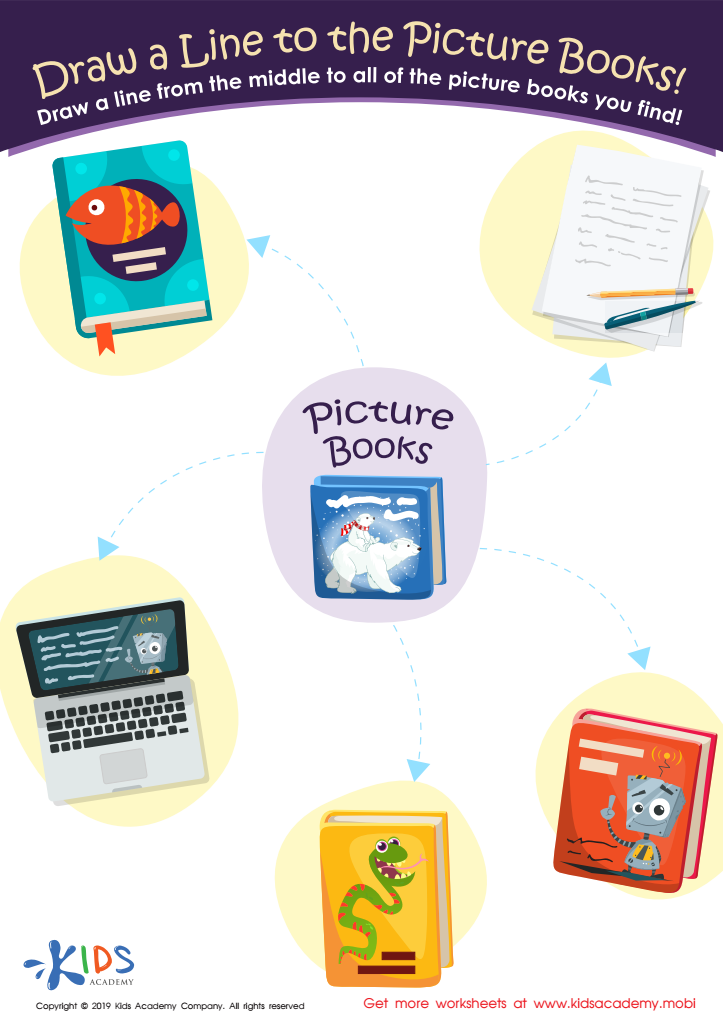
Encourage your students to read and explore with this fun exercise! They'll draw a line from the word 'picture books' to the five objects. Picture books are exciting, with stories and colorful images. Make story time even more enjoyable with this worksheet!
Draw a Line to the Picture Books Worksheet
Worksheet
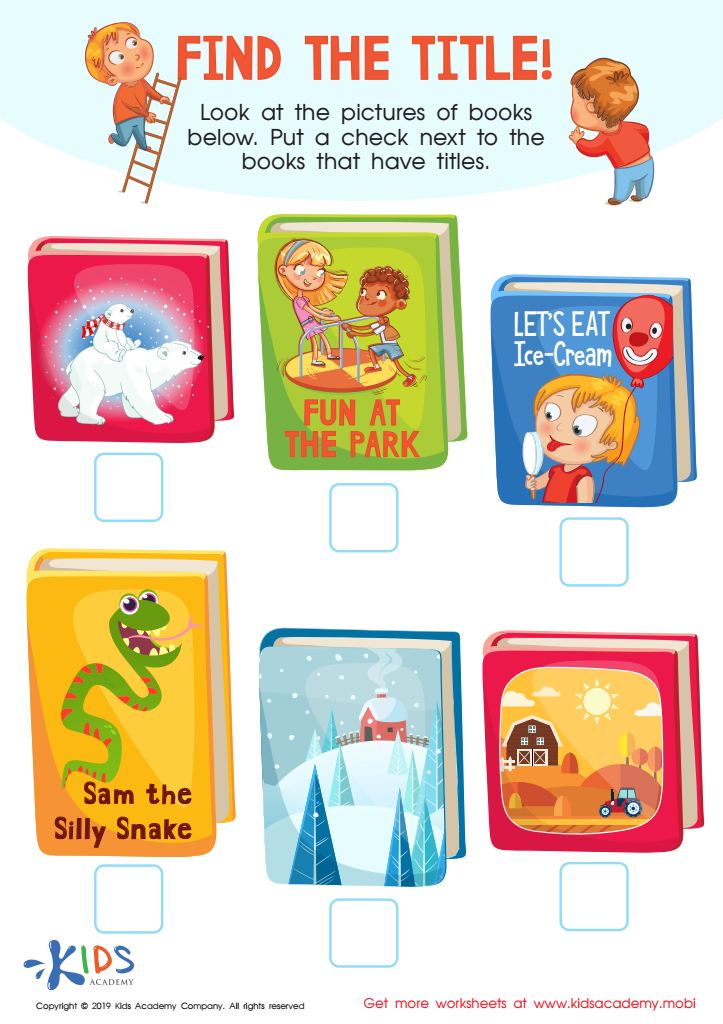
Find the Title Worksheet

Find the Title Worksheet

Help your kids to identify the colors of the books on this worksheet. Ask them to spot the differences between the six books, such as which ones have titles printed on their covers. Ask them to put a check next to the books with titles. This activity will promote your kids' thinking skills.
Find the Title Worksheet
Worksheet
Craft and Structure: Assessment 2 Worksheet

Craft and Structure: Assessment 2 Worksheet

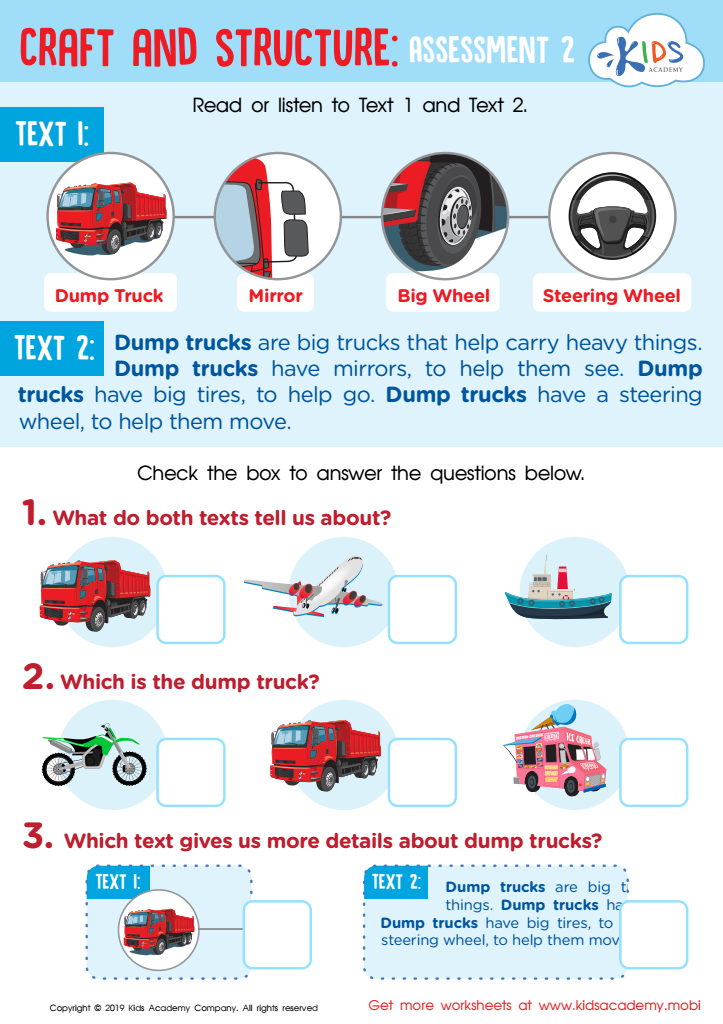
Good readers need to analyze text features and use picture clues to understand. This assessment worksheet gives your child info in different formats and they can show understanding using answer options to check the correct answers. (80 words)
Craft and Structure: Assessment 2 Worksheet
Worksheet
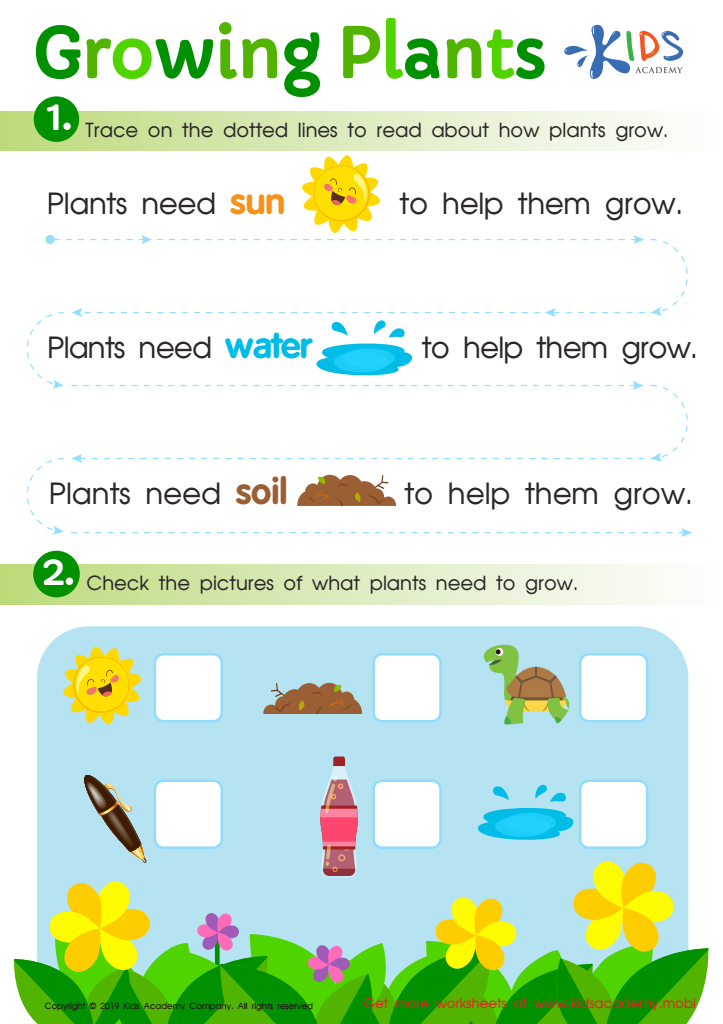
Growing Plants Worksheet

Growing Plants Worksheet

Young gardeners and scientists can learn about what helps plants grow with this fun PDF worksheet. Kids will trace lines to practice left-to-right patterning and use pictures from the rebus story to guide them. Learn that plants need sunshine, water and soil, then check off pictures of what each plant needs. It's an engaging and educational way to help their plants become big and strong.
Growing Plants Worksheet
Worksheet
Authors and Illustrators Worksheet

Authors and Illustrators Worksheet

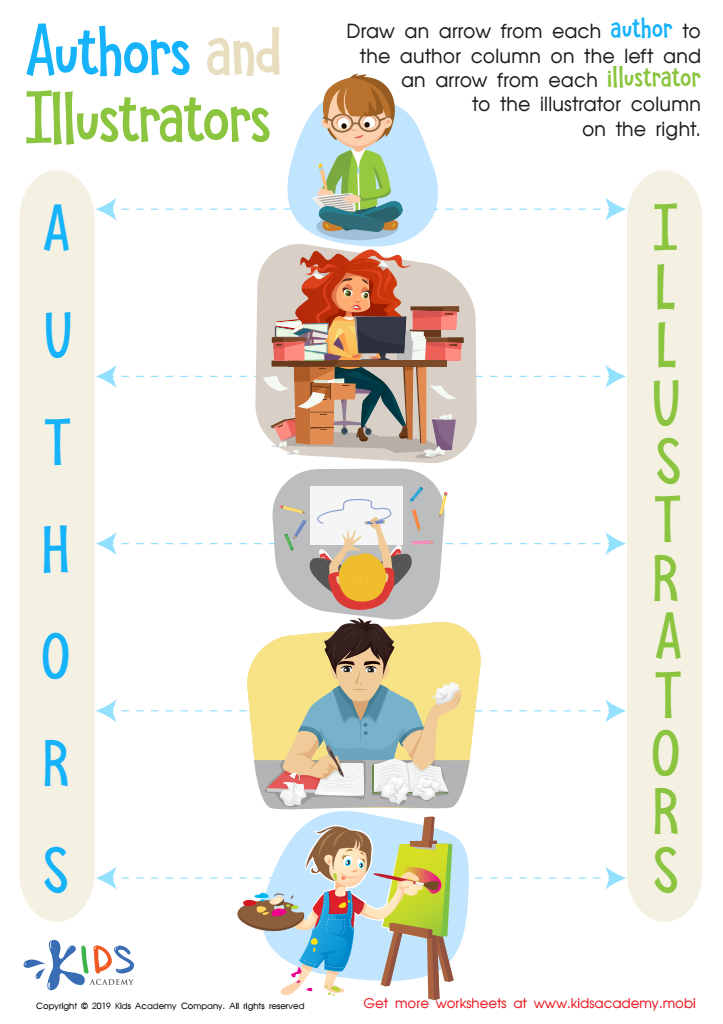
This free PDF provides a simple and fun way to understand the roles of authors and illustrators for beginning readers. It offers concrete pictures of what each one does and traceable lines for children to decide whether they are an author or an illustrator. It will help build their critical thinking skills and foster a better understanding of the book-making process.
Authors and Illustrators Worksheet
Worksheet
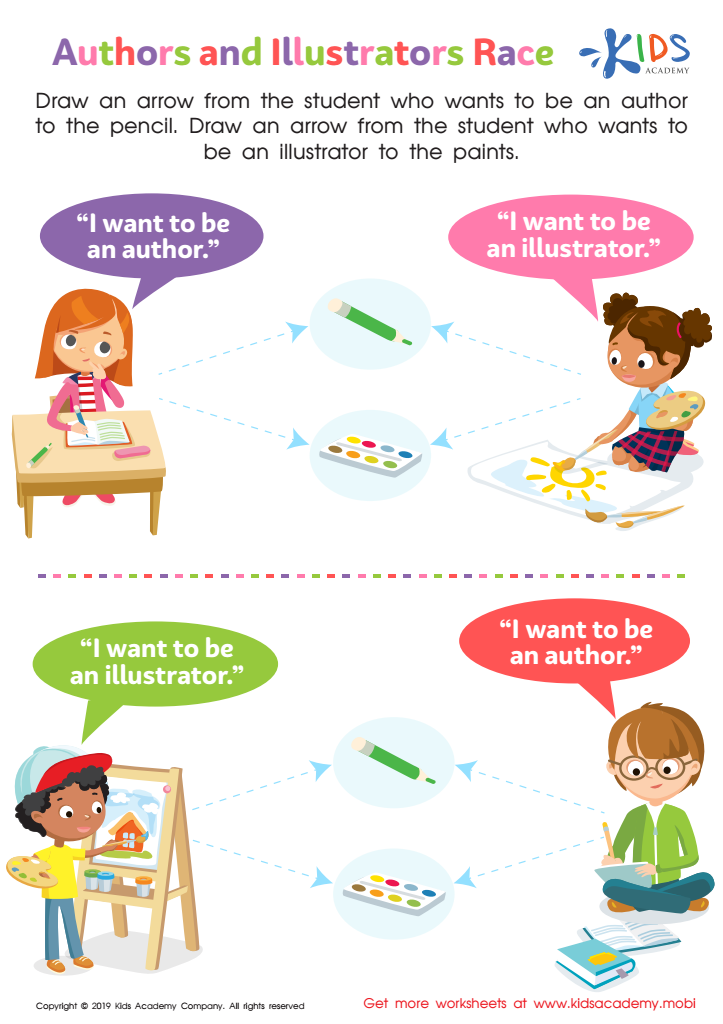
Authors and Illustrators Race Worksheet

Authors and Illustrators Race Worksheet

Help your child learn about the author and illustrator of a book with this free and colorful worksheet. They'll trace lines to pick the tools used by each and understand the difference between them. It's a great way to introduce fundamental concepts of reading.
Authors and Illustrators Race Worksheet
Worksheet
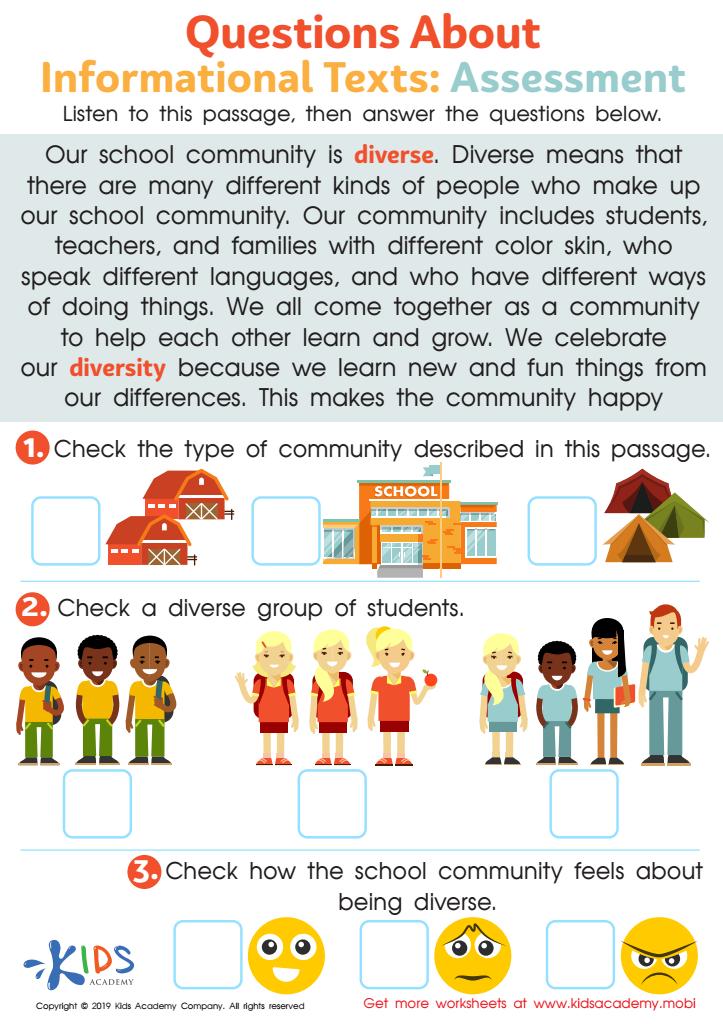
Questions About Informational Texts: Assessment 1 Worksheet

Questions About Informational Texts: Assessment 1 Worksheet

Ask your students: What comes to mind when we talk about a community? What different habits do people practice? What do fellow students do that seems strange? Read this passage aloud to your kindergartners and make sure they understand it. Then, answer the questions at the bottom of the page. (80 words)
Questions About Informational Texts: Assessment 1 Worksheet
Worksheet
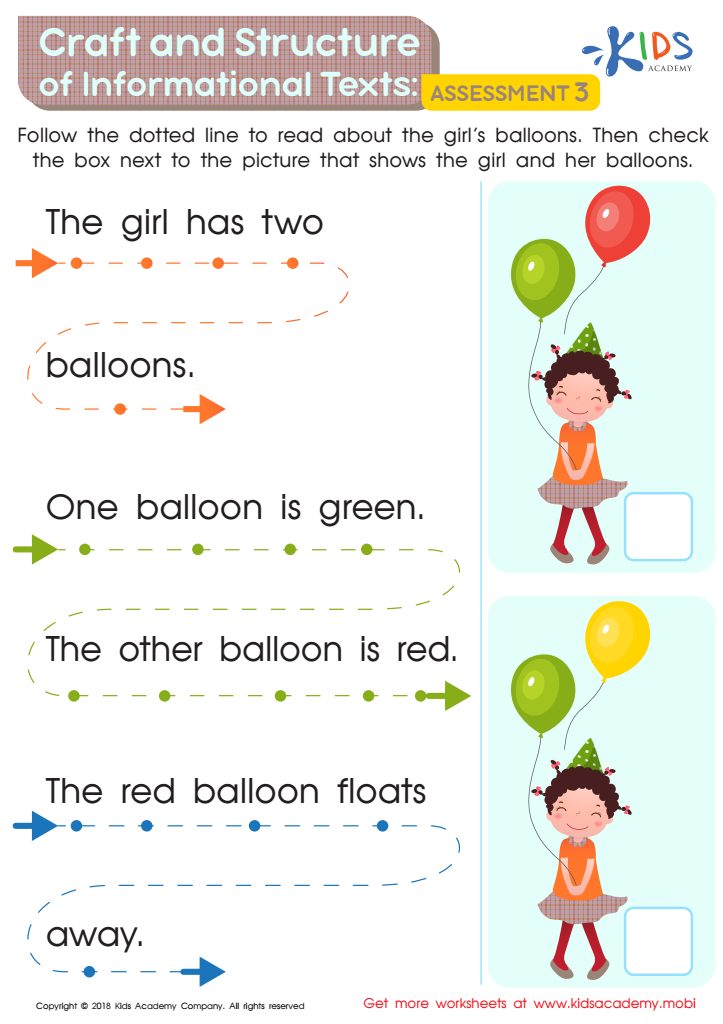
Craft and Structure of Informational Texts: Assessment 3 Worksheet

Craft and Structure of Informational Texts: Assessment 3 Worksheet

Test your beginning reader's understanding of left-to-right directionality and use of details from informational texts with this fun worksheet. Follow the traceable paths to find the right picture for each sentence. This will help your child gain confidence and be successful as a reader.
Craft and Structure of Informational Texts: Assessment 3 Worksheet
Worksheet
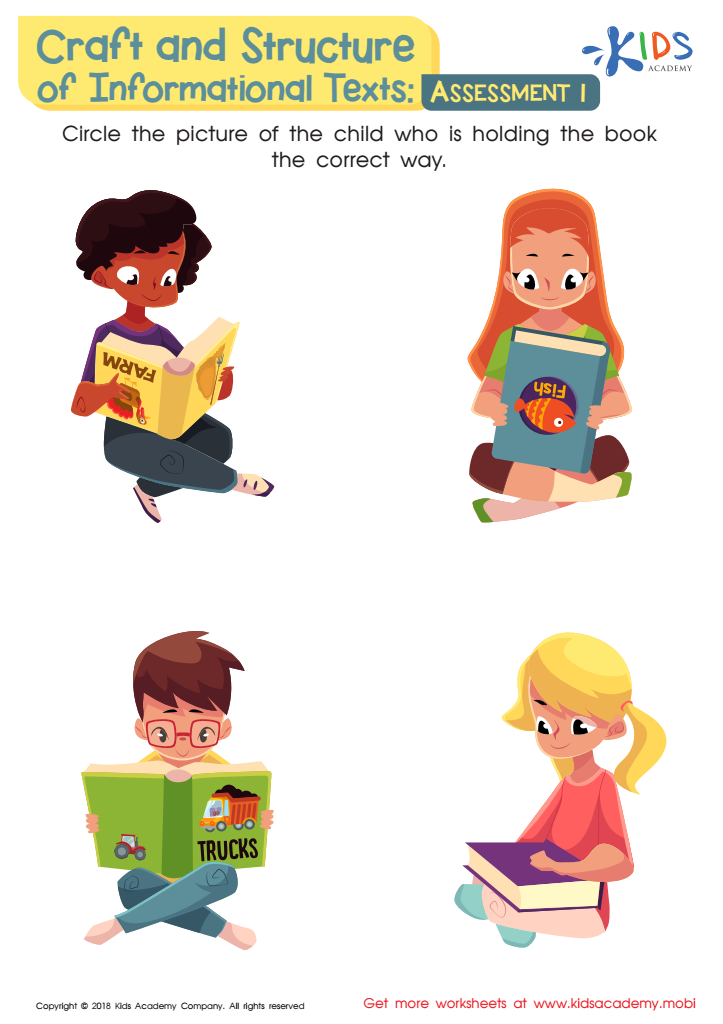
Craft and Structure of Informational Texts: Assessment 1 Worksheet


Craft and Structure of Informational Texts: Assessment 1 Worksheet

Young children need to know how to hold books correctly when they start reading. This assessment worksheet helps them show they know what to do. They'll look at the pictures and circle the child who is holding the book correctly. It's a great way to tell they are well on their way to becoming lifetime readers!
Craft and Structure of Informational Texts: Assessment 1 Worksheet

Worksheet


Normal Reading Non-Fiction worksheets for 4-Year-Olds hold an essential place in early childhood education, offering a plethora of benefits tailored to young learners. These educational tools not only introduce children to the world around them but also lay a strong foundation for critical thinking and comprehension skills from an early age.

Firstly, these worksheets are designed with the cognitive and developmental stages of 4-year-olds in mind, making learning both accessible and engaging. By focusing on non-fiction, children are exposed to real-world concepts and facts, fostering a natural curiosity and an eagerness to learn more about their surroundings. This early exposure to factual content helps in expanding their vocabulary and understanding of complex ideas in a simplified manner.

Moreover, Normal Reading Non-Fiction worksheets for 4-Year-Olds are pivotal in developing critical thinking skills. As children learn to differentiate between fiction and non-fiction, they start to apply reasoning, ask insightful questions, and make connections between what they learn and observe in their daily lives. This analytical approach to reading at such an early age sets the stage for advanced comprehension skills as they progress in their educational journey.

Additionally, these worksheets encourage the development of focus and concentration. Completing tasks related to the content boosts retention and encourages a deeper engagement with the material. In essence, Normal Reading Non-Fiction worksheets for 4-Year-Olds are not just about learning facts; they're about shaping young minds to think critically, understand the world better, and foster a lifelong love for learning.