Normal Letter Recognition Worksheets for Ages 5-9 - Page 3
67 filtered results
-
From - To
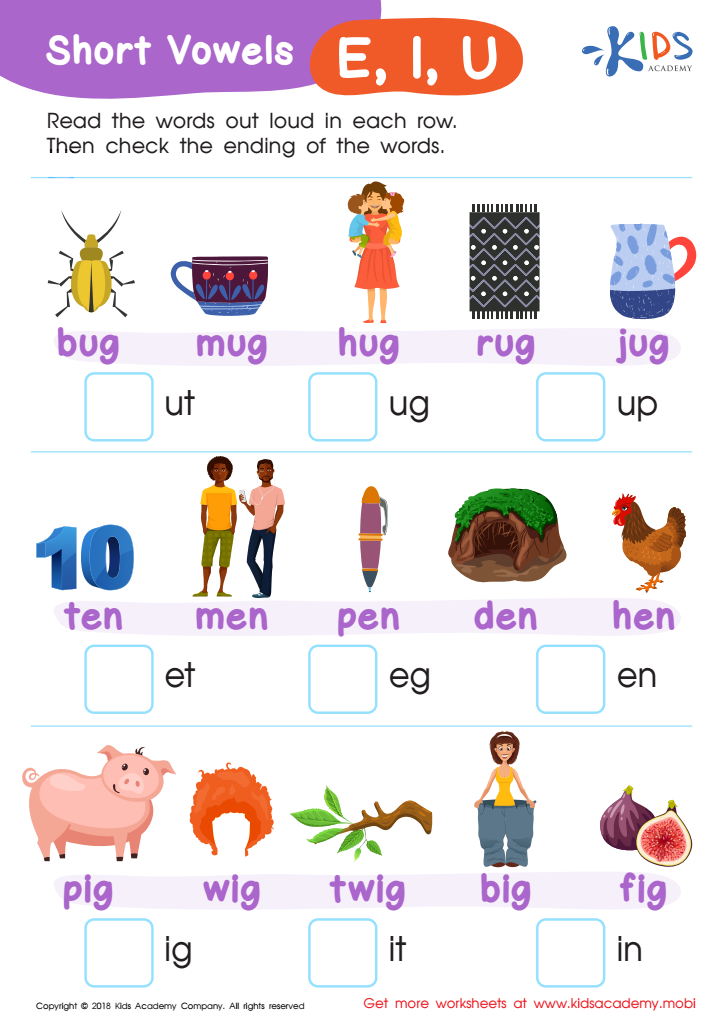
Short Vowels /e/, /i/, and /u/ Worksheet
 Assign to My Students
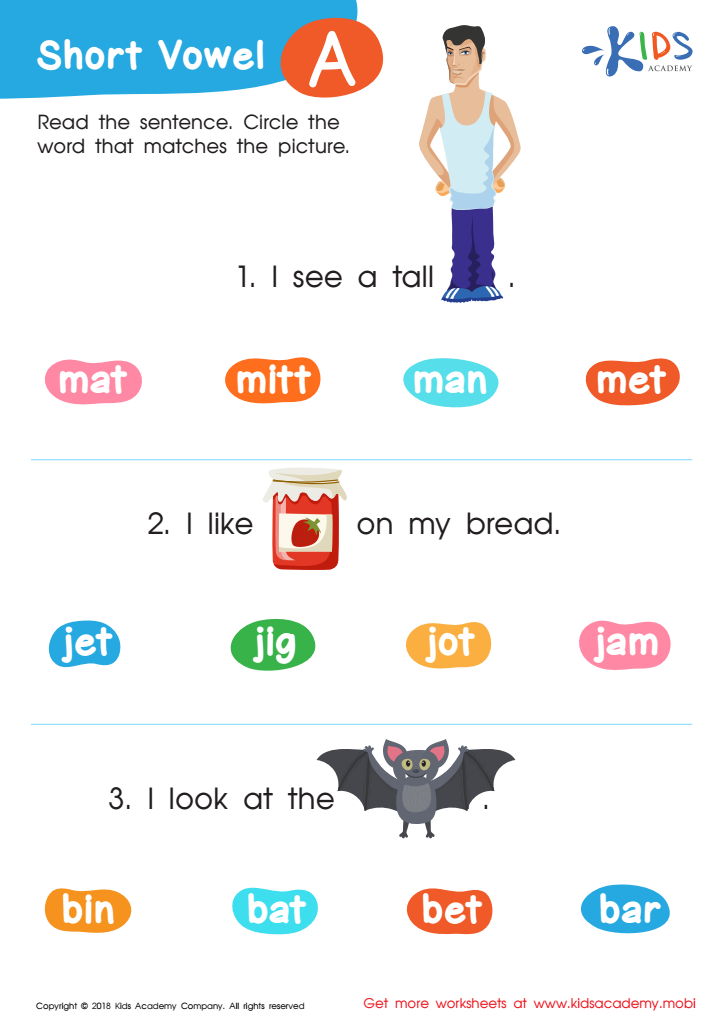
Short Vowel /a/ Worksheet
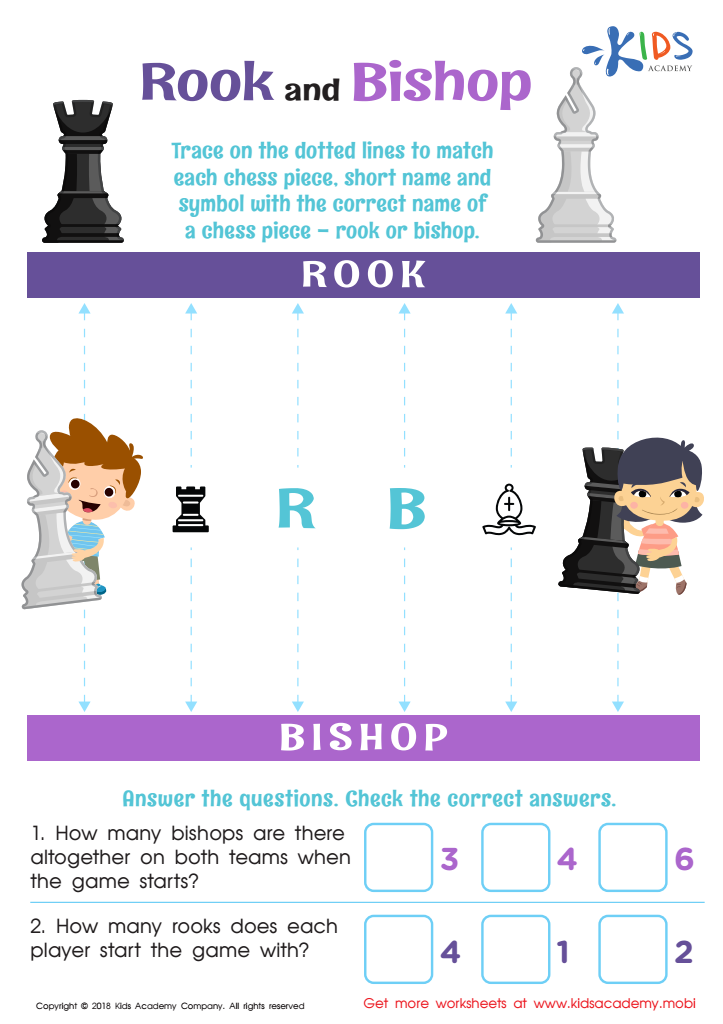
Rook and Bishop Worksheet
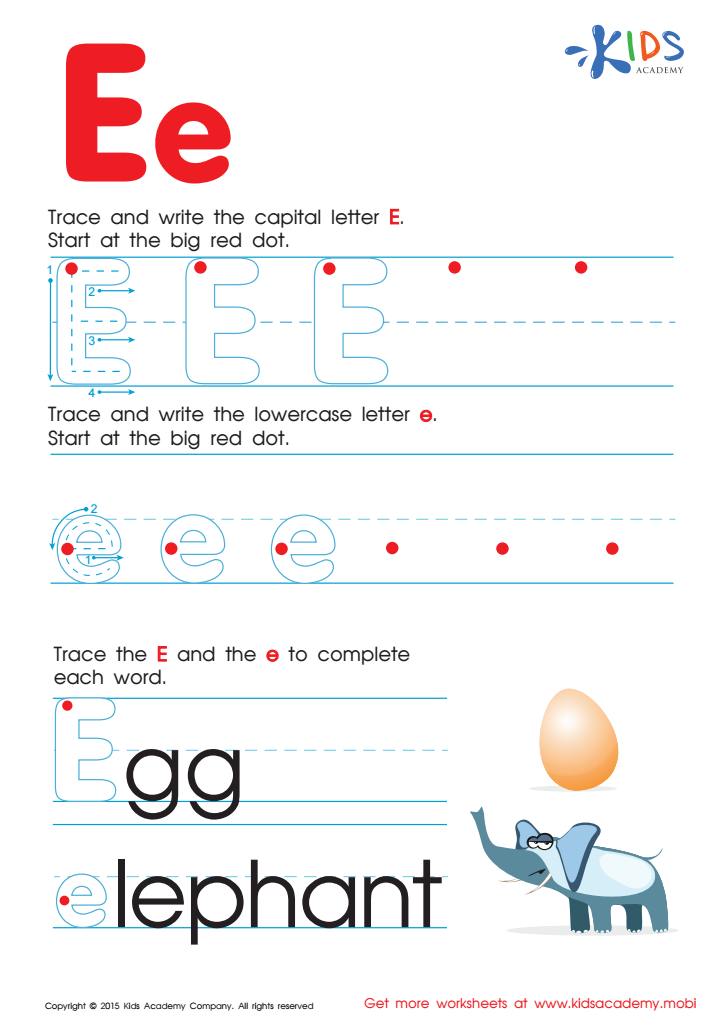
Letter E Tracing Page
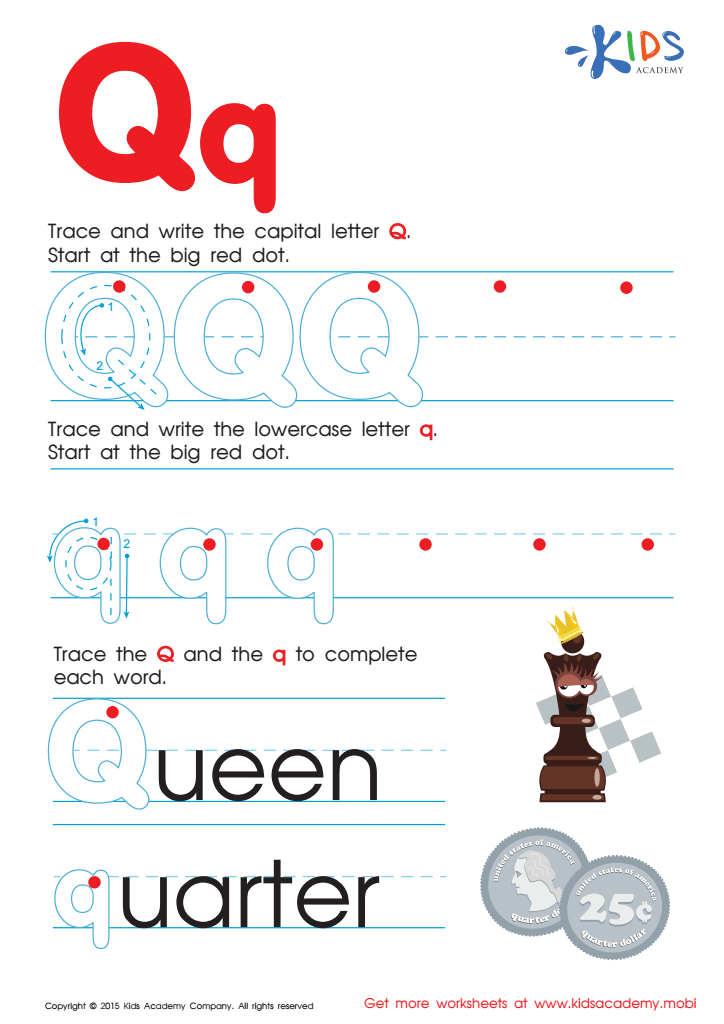
Letter Q Tracing Page
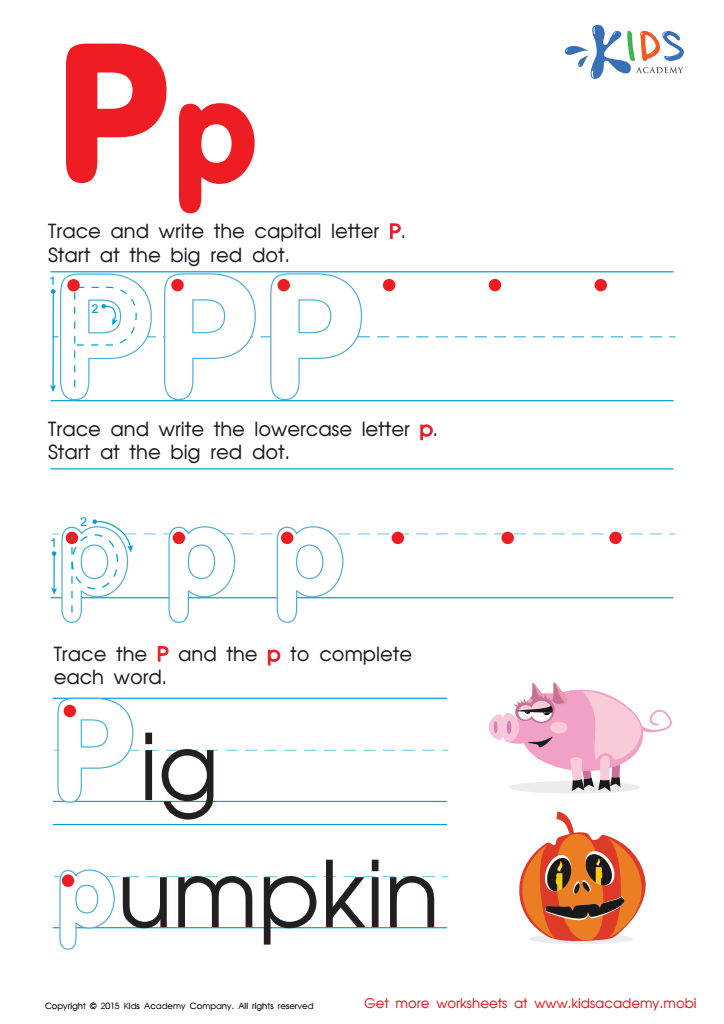
Letter P Tracing Page
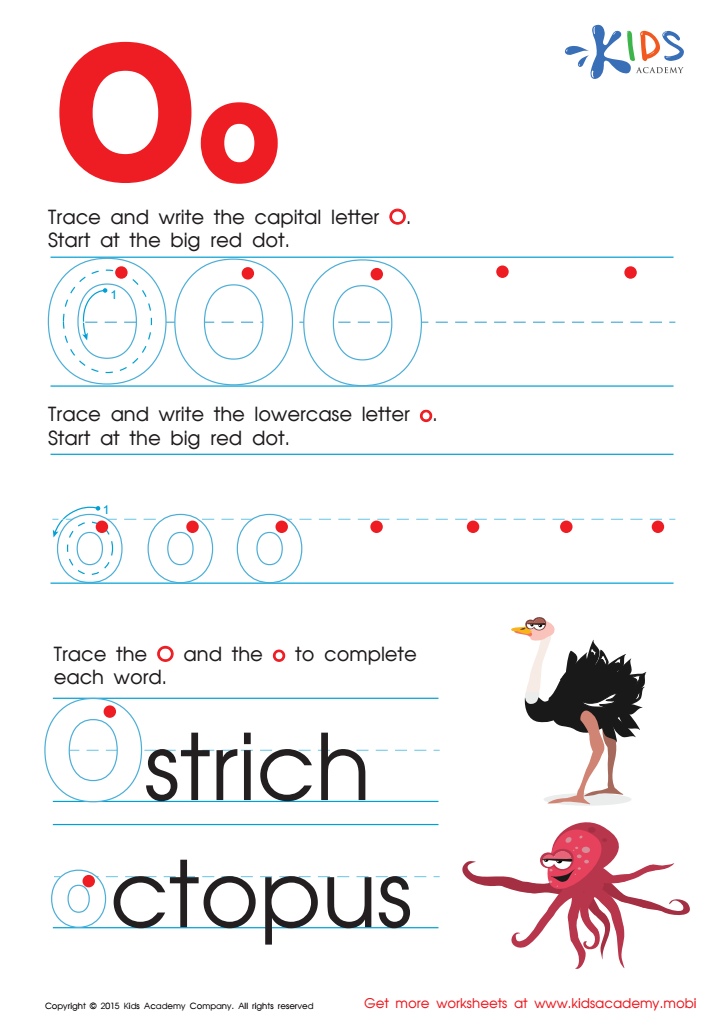
Letter O Tracing Page
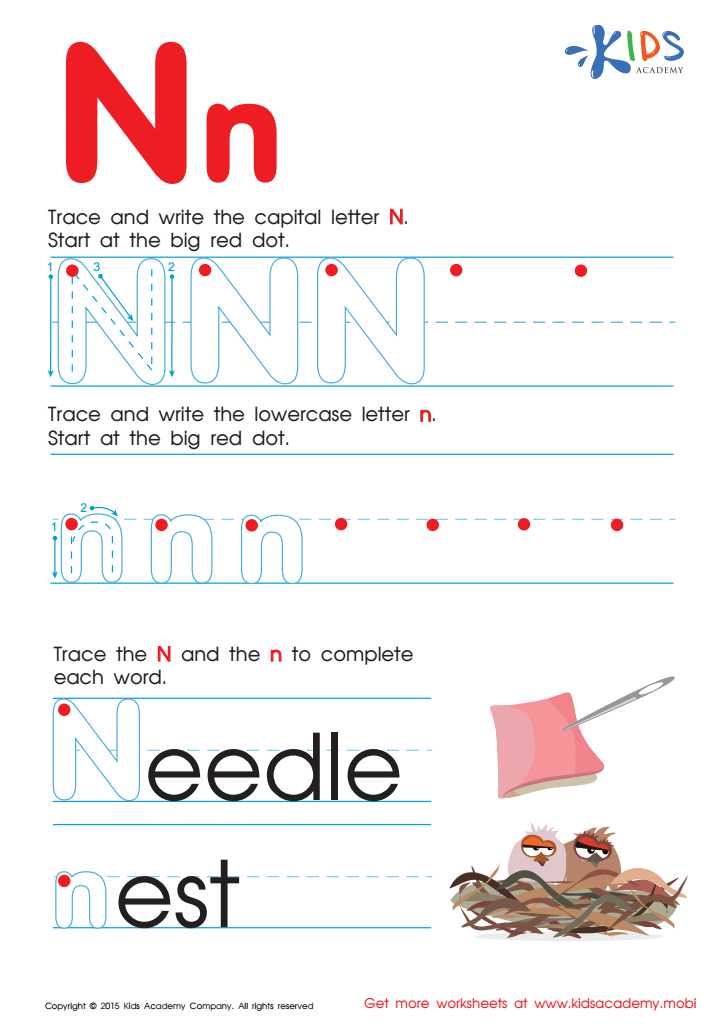
Letter N Tracing Page
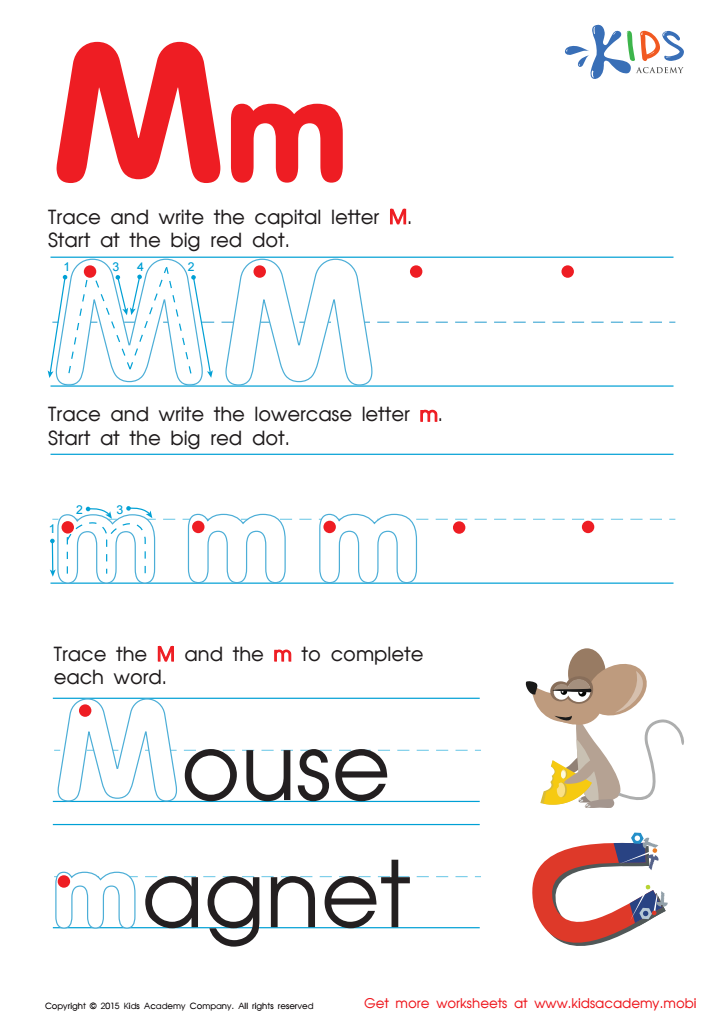
Letter M Tracing Page
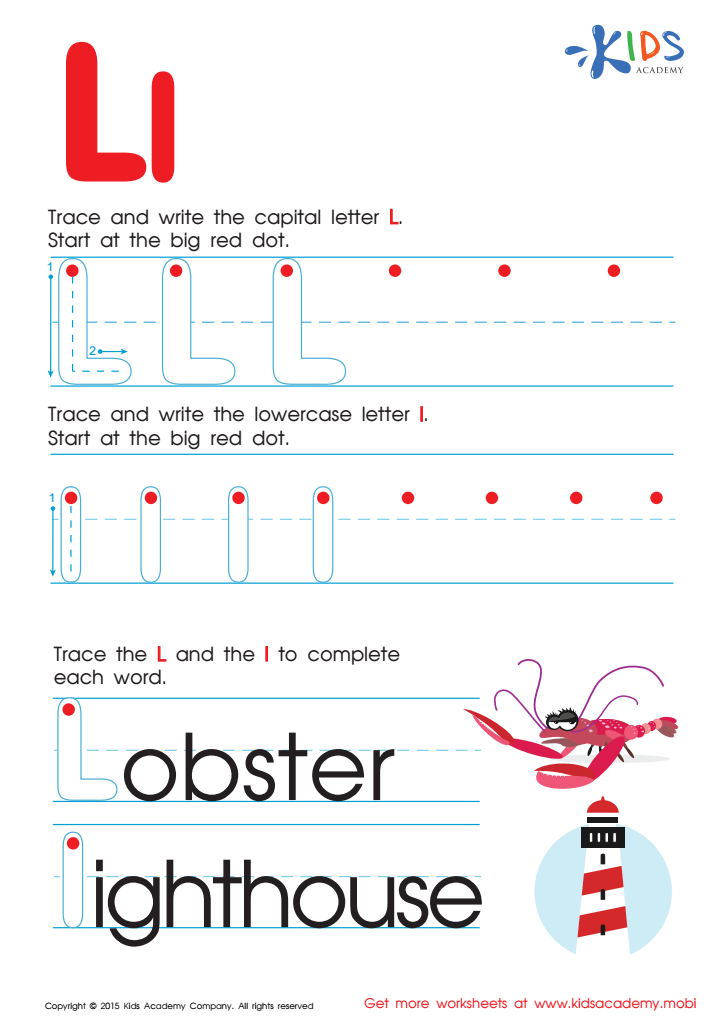
Letter L Tracing Page
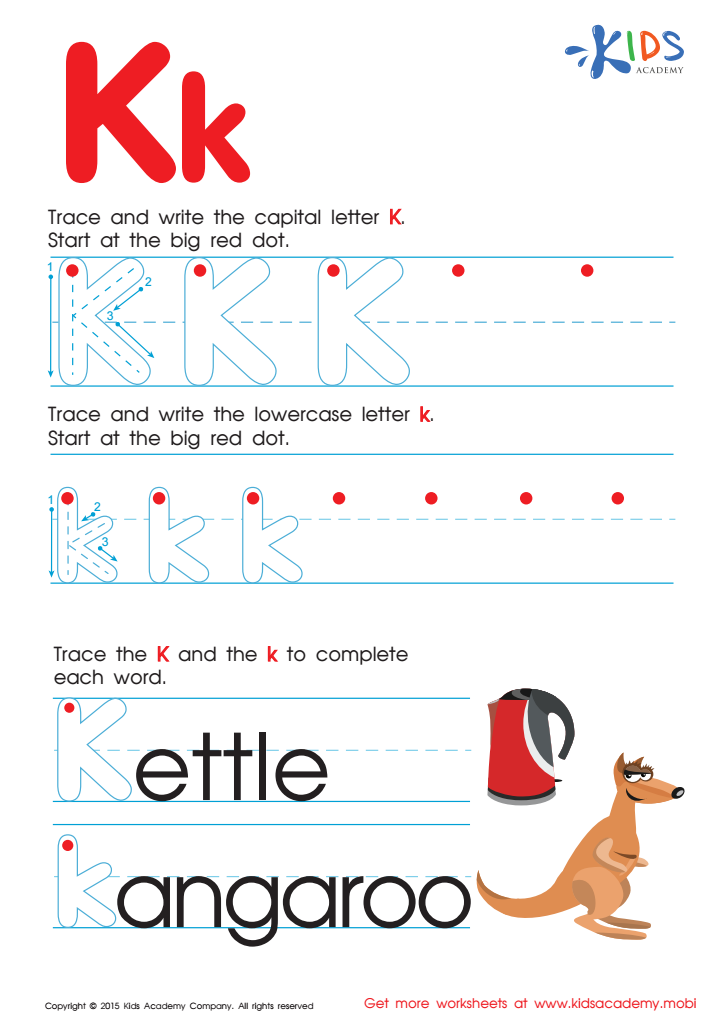
Letter K Tracing Page
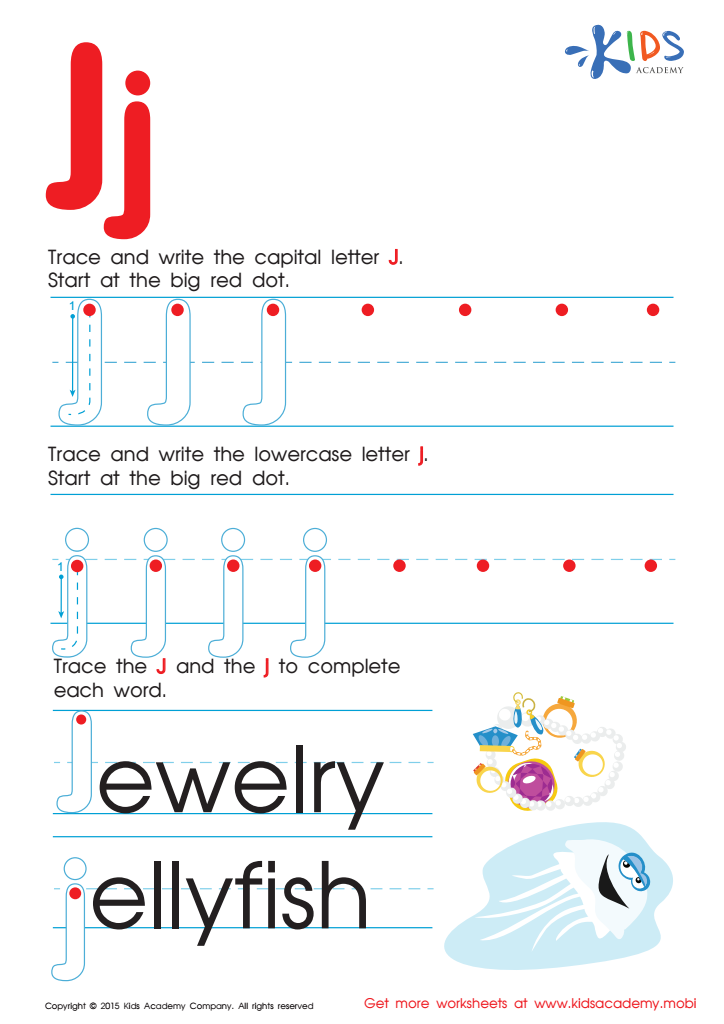
Letter J Tracing Page
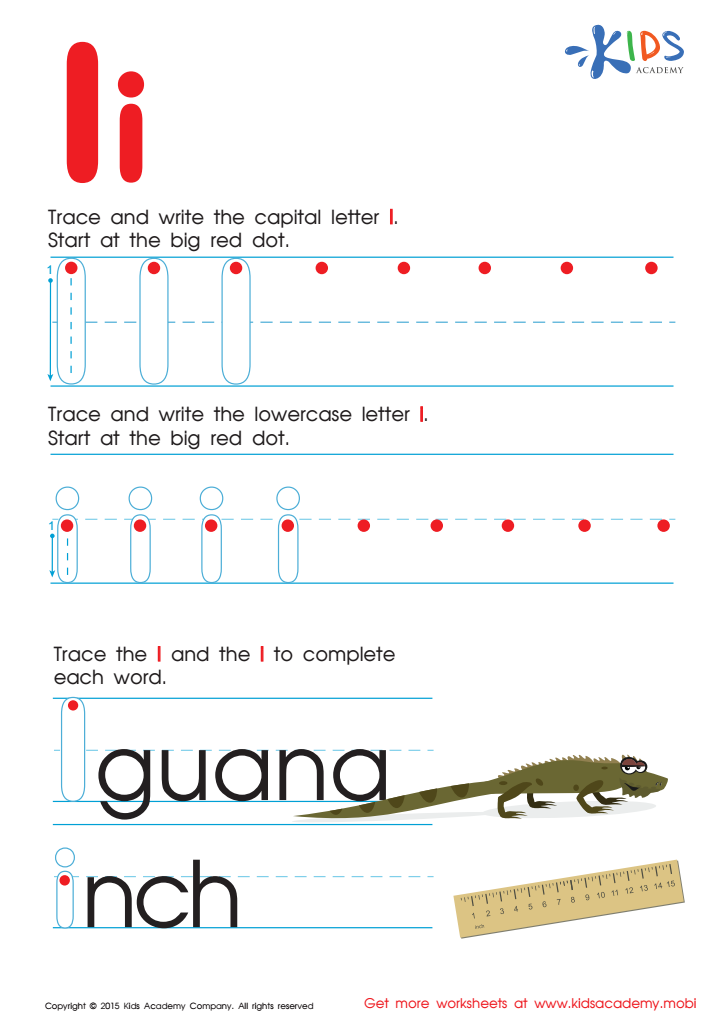
Letter I Tracing Page

Letter H Tracing Page
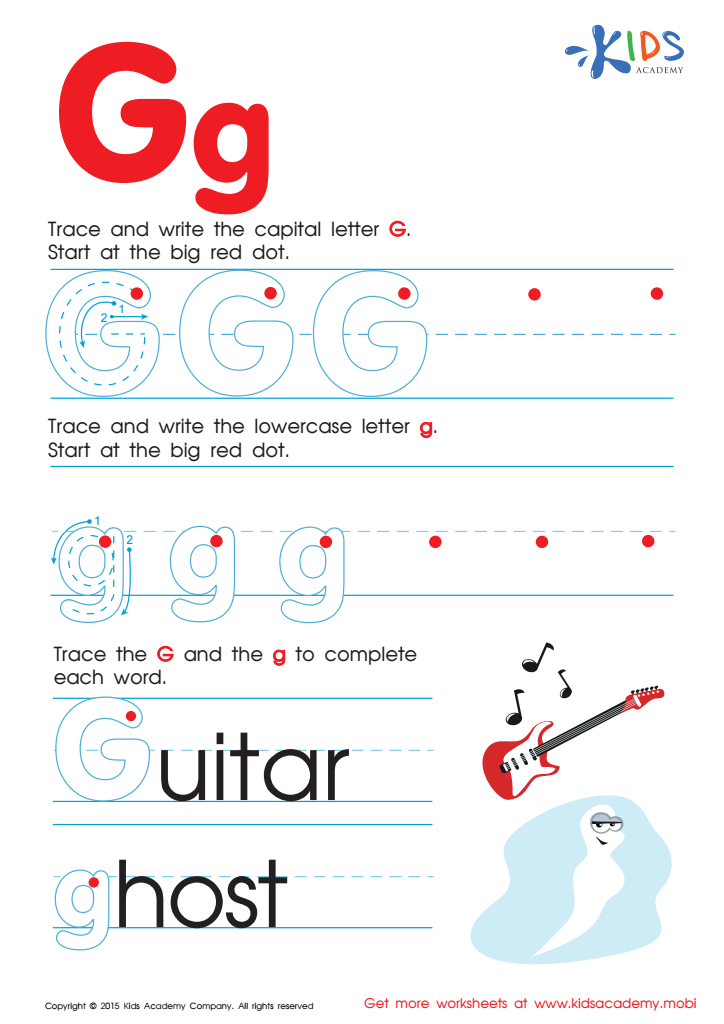
Letter G Tracing Page
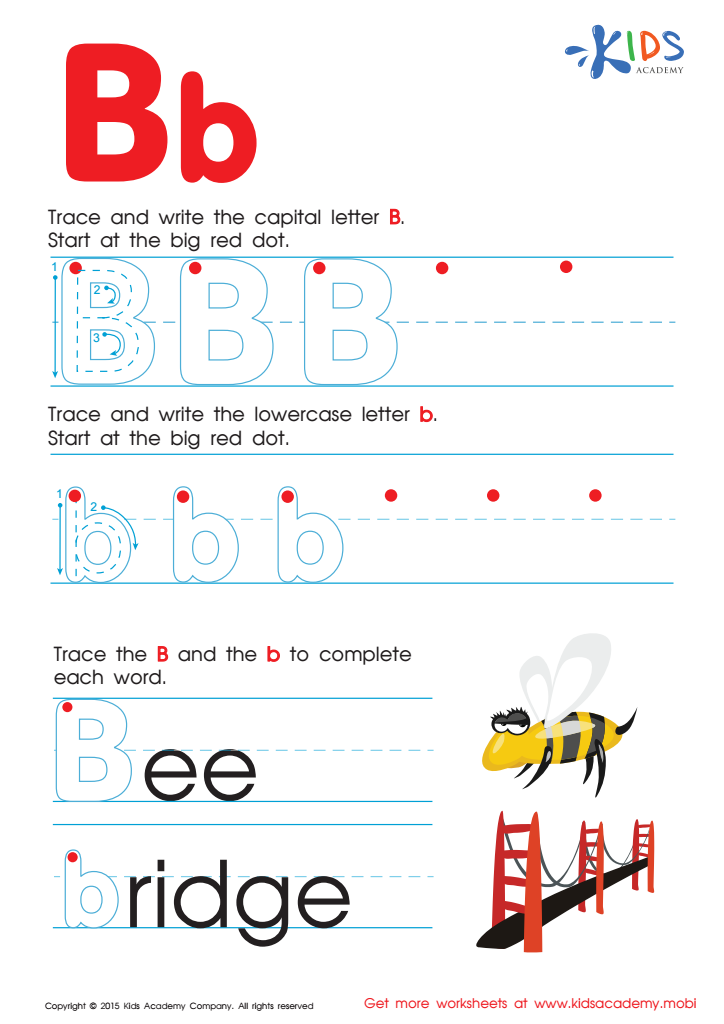
Letter B Tracing Page

Letter C Tracing Page

Letter D Tracing Page
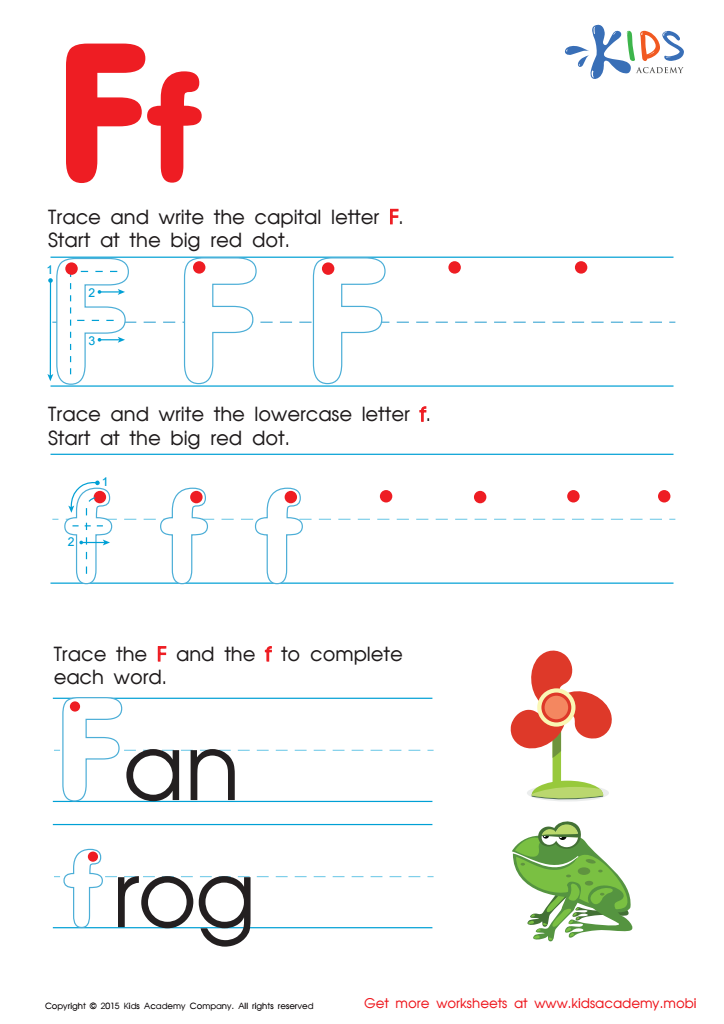
Letter F Tracing Page








Normal letter recognition is a critical skill for children aged 5-9, serving as the foundation for literacy development. It involves the ability to identify, name, and differentiate letters, an essential step in learning to read and write. When parents and teachers prioritize letter recognition, they set the stage for successful language acquisition and communication skills.
During early childhood, children are naturally curious and receptive to learning. Engaging with letters through games, songs, and storytelling can make the learning process enjoyable and impactful. Mastering letter recognition enables children to decode words, understand phonics, and ultimately build a robust vocabulary. This skill not only enhances reading proficiency but also boosts confidence and enthusiasm for learning.
Additionally, strong letter recognition correlates with academic success and is linked to later literacy skills, including reading comprehension and writing fluency. By caring about and supporting normal letter recognition, parents and teachers play a pivotal role in shaping a child’s educational journey and fostering a love for reading. This foundational skill is instrumental in empowering children, allowing them to navigate their educational paths successfully and opening doors to lifelong learning. Ultimately, strong literacy skills pave the way for enhanced communication, critical thinking, and informed citizenship.








