Normal Tracing Letters Worksheets for Ages 5-9 - Page 2
32 filtered results
-
From - To
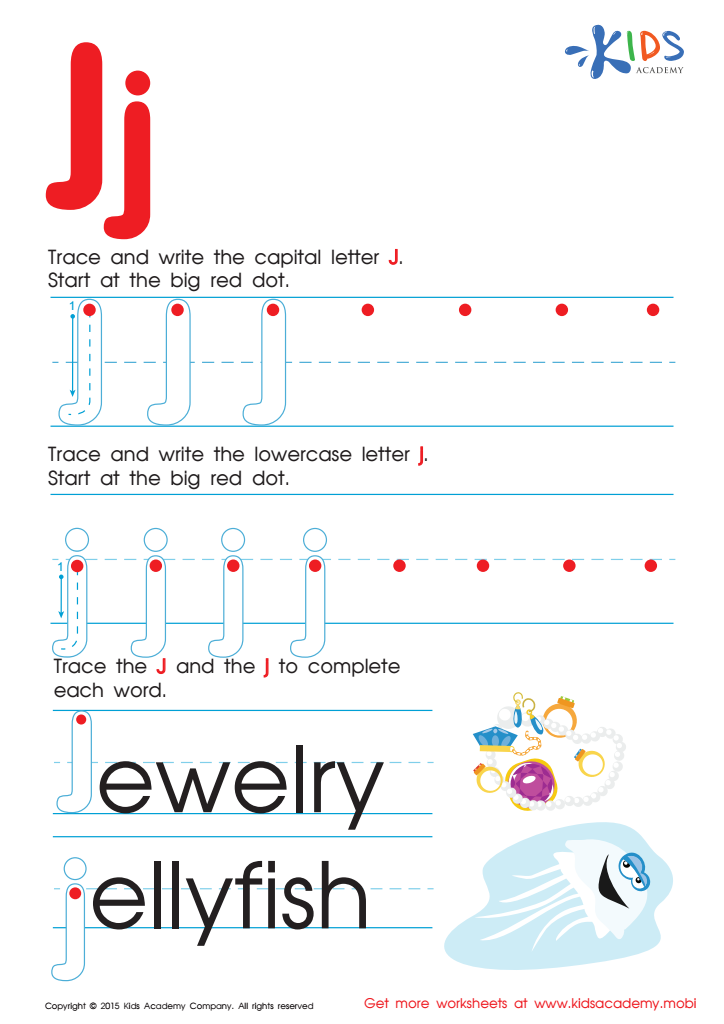
Letter J Tracing Page
 Assign to My Students
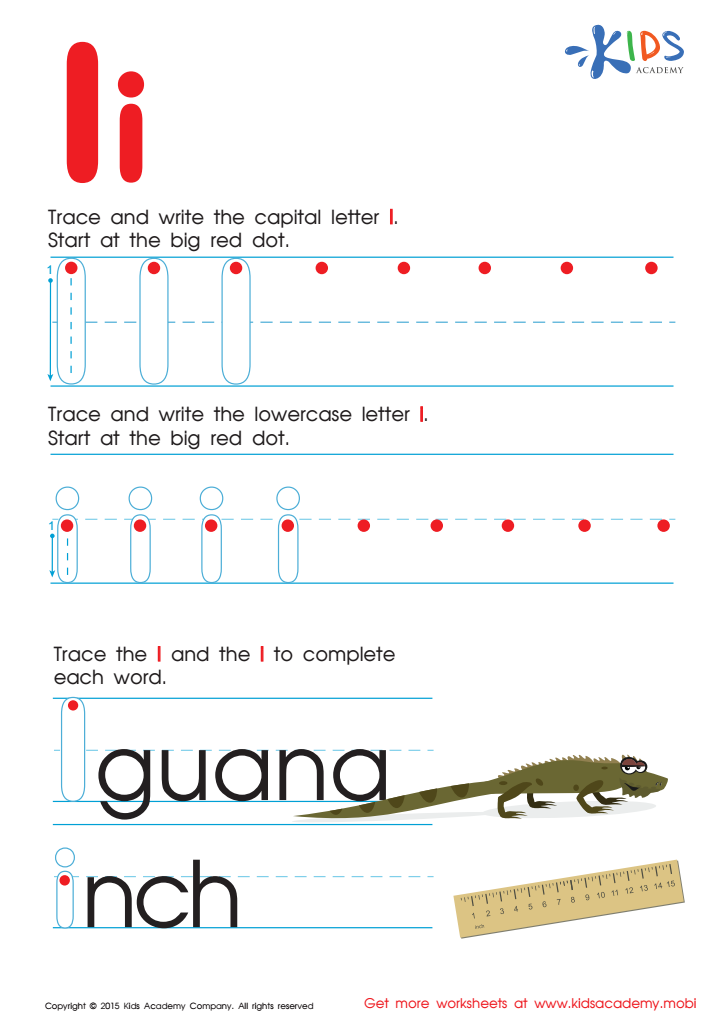
Letter I Tracing Page
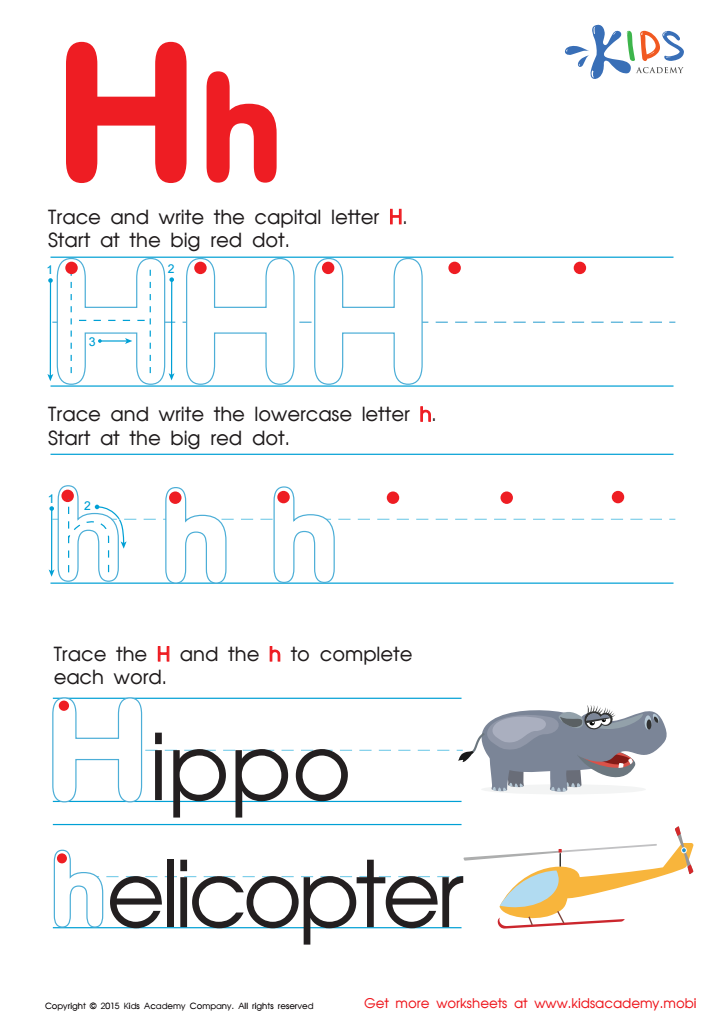
Letter H Tracing Page
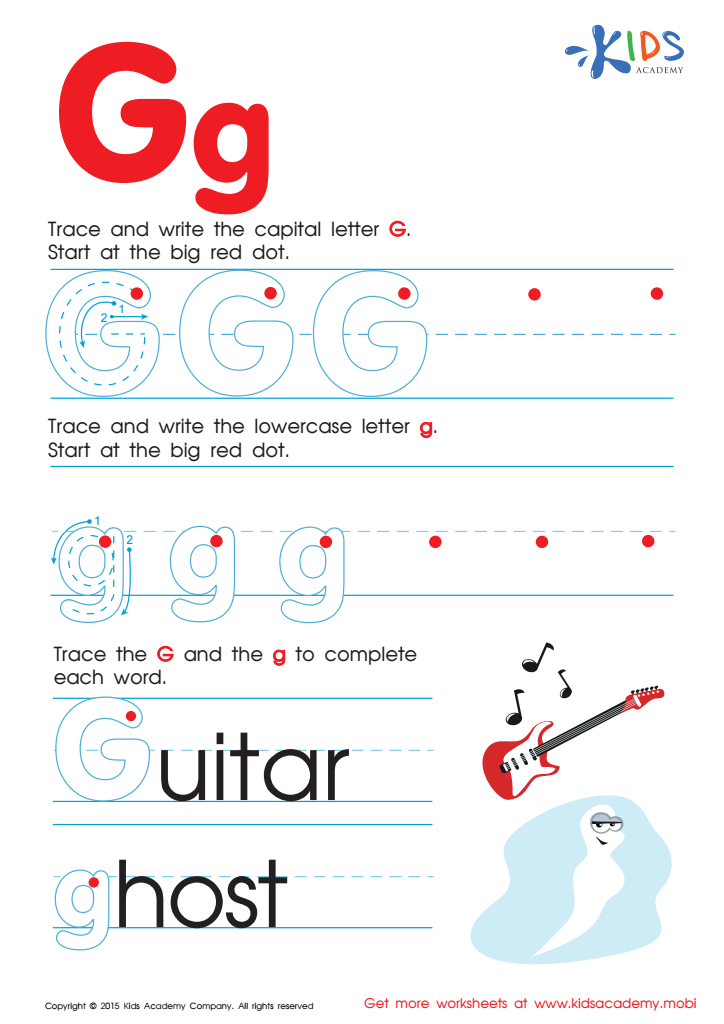
Letter G Tracing Page
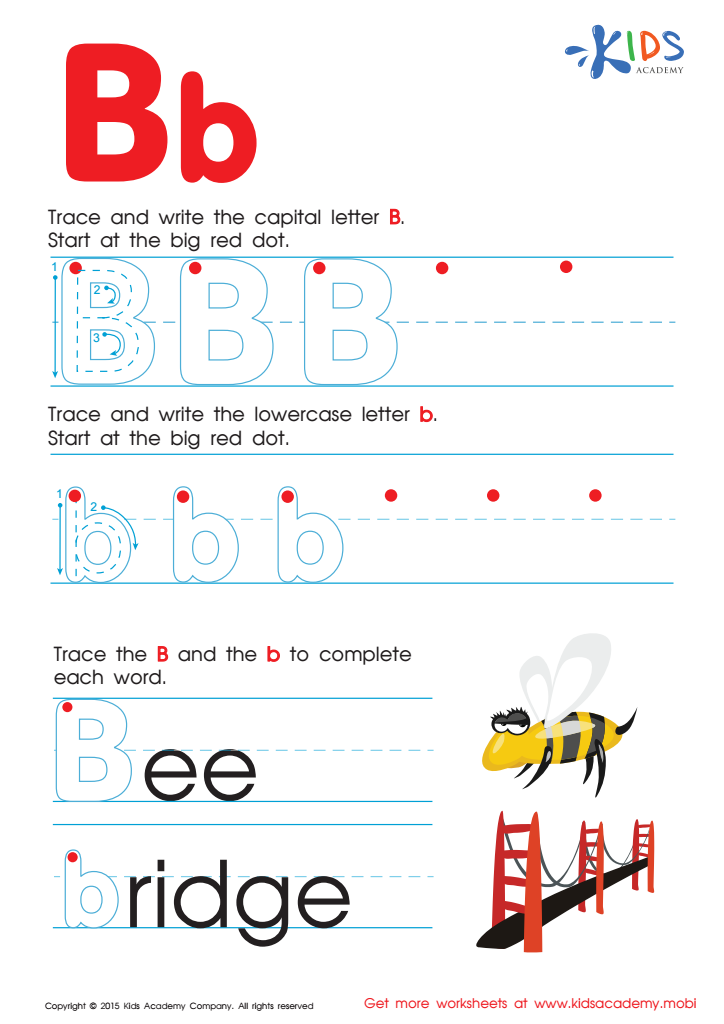
Letter B Tracing Page
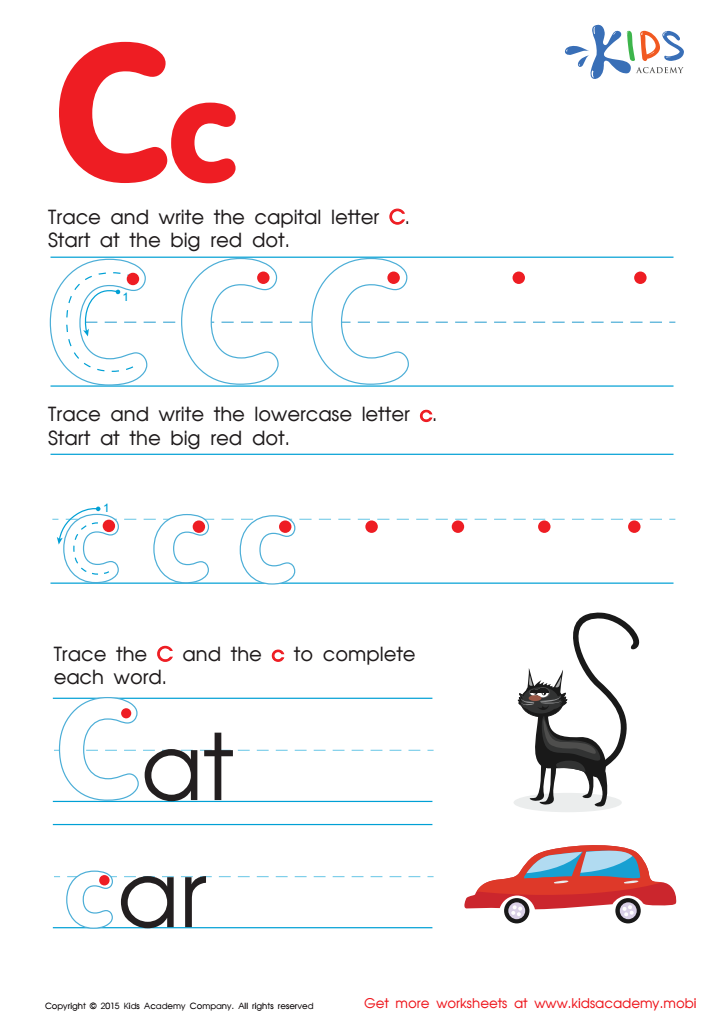
Letter C Tracing Page
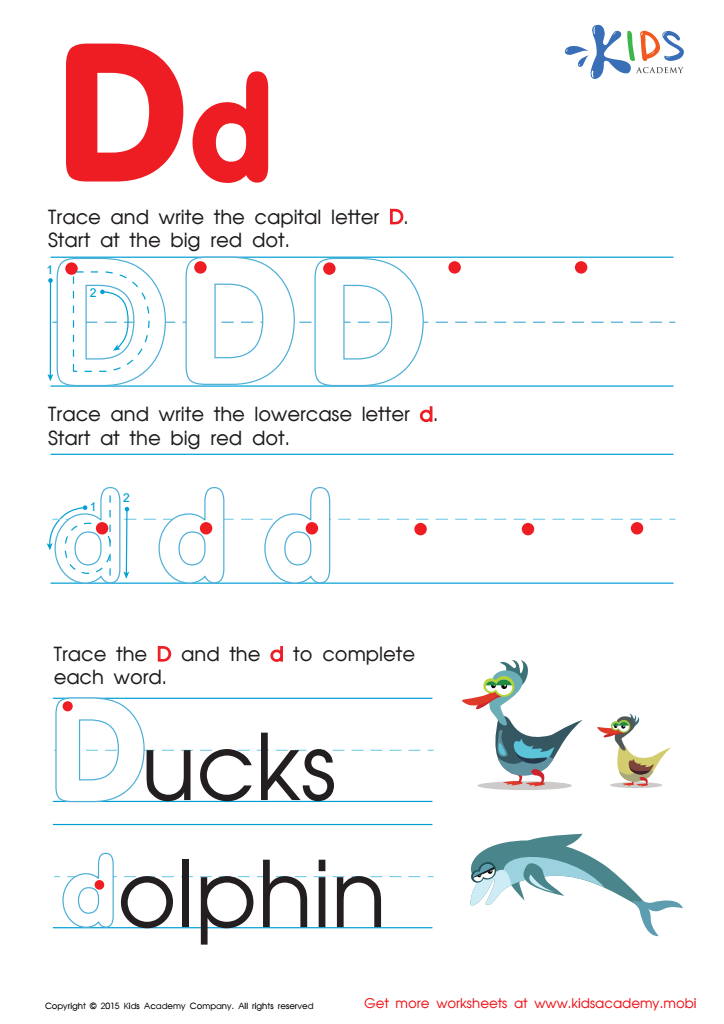
Letter D Tracing Page
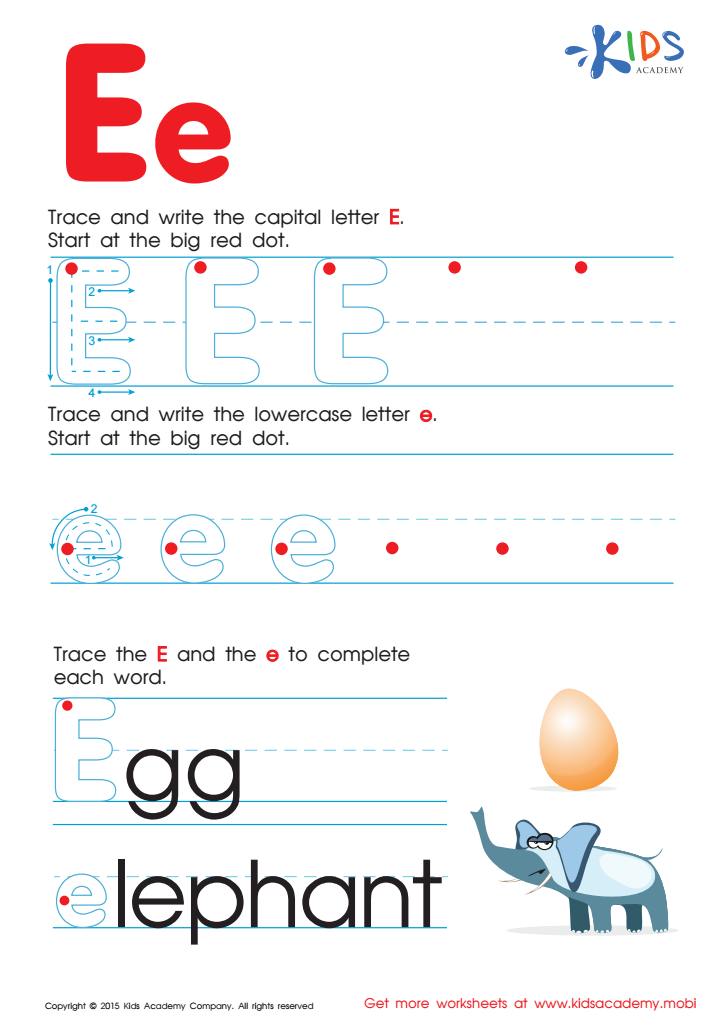
Letter E Tracing Page







Normal tracing letters, wherein children trace over dotted or faintly written letters, is a foundational activity for handwriting proficiency. For children ages 5-9, the process carries significant benefits. Firstly, it aids in fine motor skill development. Tracing letters requires precise movements, which strengthen small muscle coordination in hands and fingers, essential for writing legibly.
Secondly, normal tracing letters help instill proper letter formation and spacing from a young age. When children repeatedly trace well-formed letters, they internalize correct letter shapes, sizes, and the required strokes. This repetitive action imprints the correct writing technique, which aids in avoiding the habit of incorrect letter formation later on.
Moreover, tracing activities bridge the connection between the sensory and motor systems. As children see the letters and trace them, they’re integrating visual perception with hand-eye coordination, which is crucial for cohesive learning processes.
Finally, consistent tracing can boost confidence in young learners. Completing a tracing task successfully gives a sense of achievement, building a child's self-esteem and encouraging further practice. It sets a robust foundation for academic skills, as legible handwriting contributes to effective communication, aiding overall academic proficiency. For these reasons, both parents and teachers should prioritize normal tracing letters in early education curriculums.








