Filters

100 filtered results

Clear all filters
Favorites
With answer key
Interactive

100 filtered results

Difficulty Level

Grade


Check out this FREE Trial Lesson on Plants and Animals for age 5-9!

What Do Animals Need?

Favorites
With answer key
Interactive
  • 5-9
  • Interactive
  • Plants and Animals
  • Normal
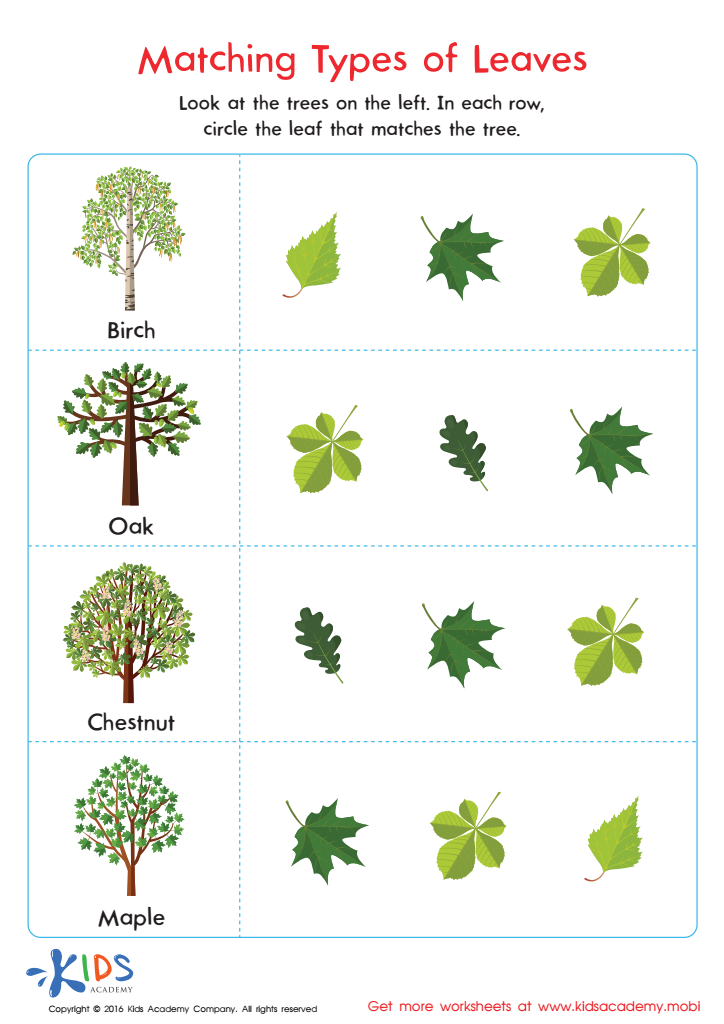
Different Types of Leaves Worksheet

Matching Types of Leaves Printable

Trees are beautiful and essential to life. Show your child the joy of learning about them with this leaf worksheet. It teaches tree identification and encourages observing nature. Expand the learning with additional activities about trees!
Matching Types of Leaves Printable
Worksheet
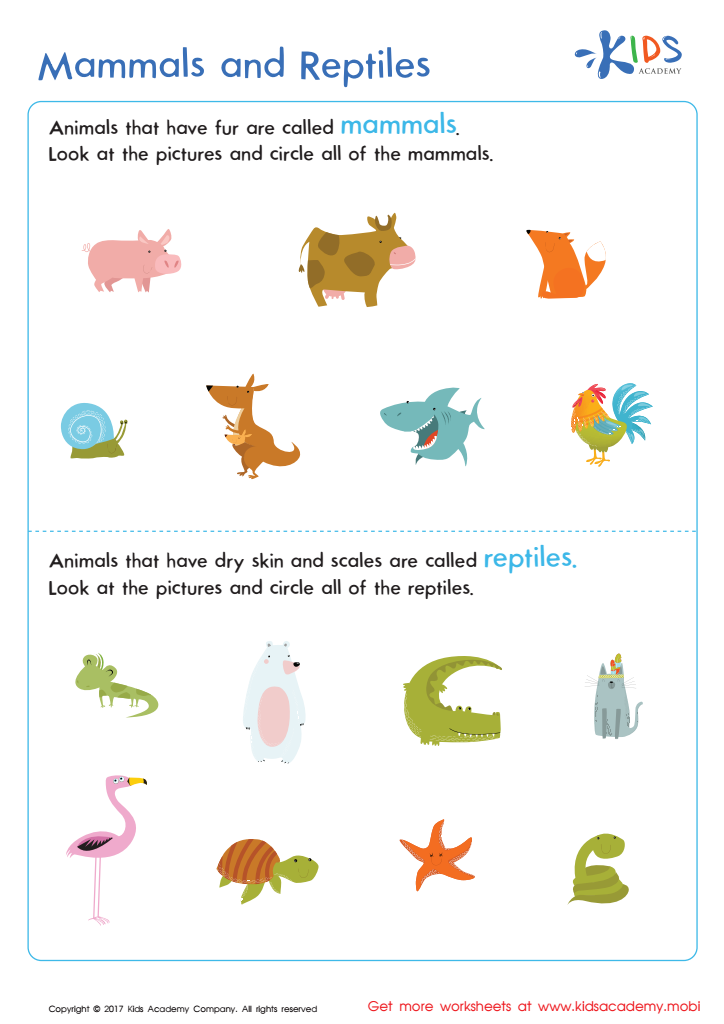
Mammals and Reptiles Worksheet

Mammals and Reptiles Worksheet

Challenge your child to identify mammals and reptiles with this worksheet. It's a great way to help them recognize the differences between these two types of animals.
Mammals and Reptiles Worksheet
Worksheet
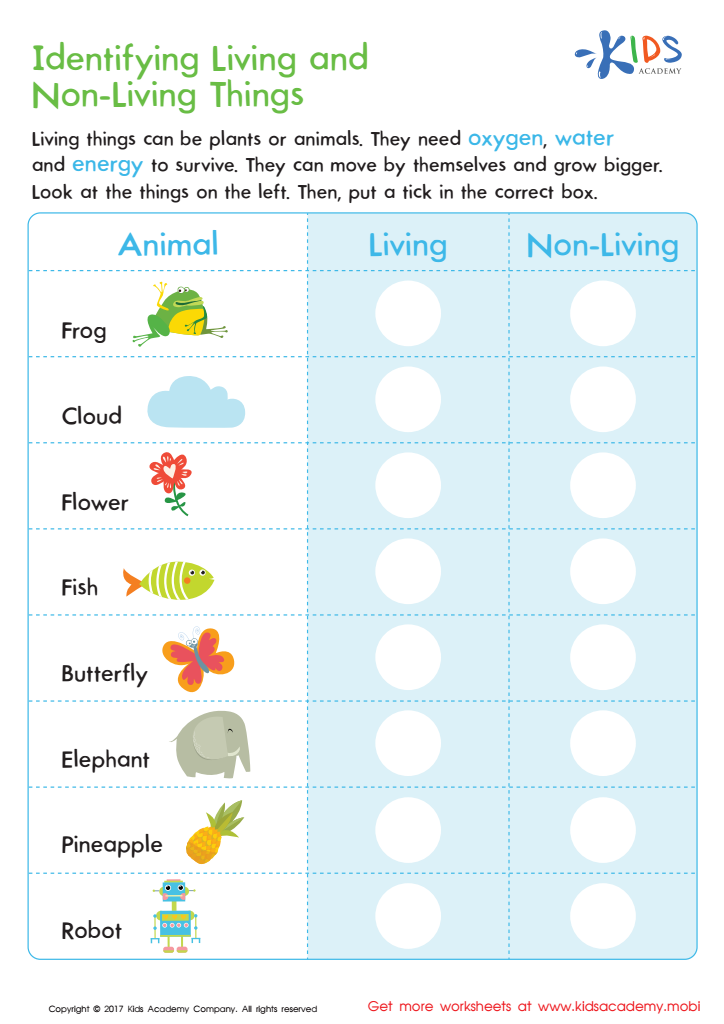
Living and Non-living Worksheet

Identifying Living or Non–living Worksheet
Help your child learn to sort and categorize in a new way! Teach them to classify things as living or non-living using this worksheet. It's the perfect way to build their scientific understanding, and to have some learning fun! Print this worksheet and watch them discover the world of science!
Identifying Living or Non–living Worksheet
Worksheet
Where Animals Live PDF Worksheet

Where Animals Live Worksheet

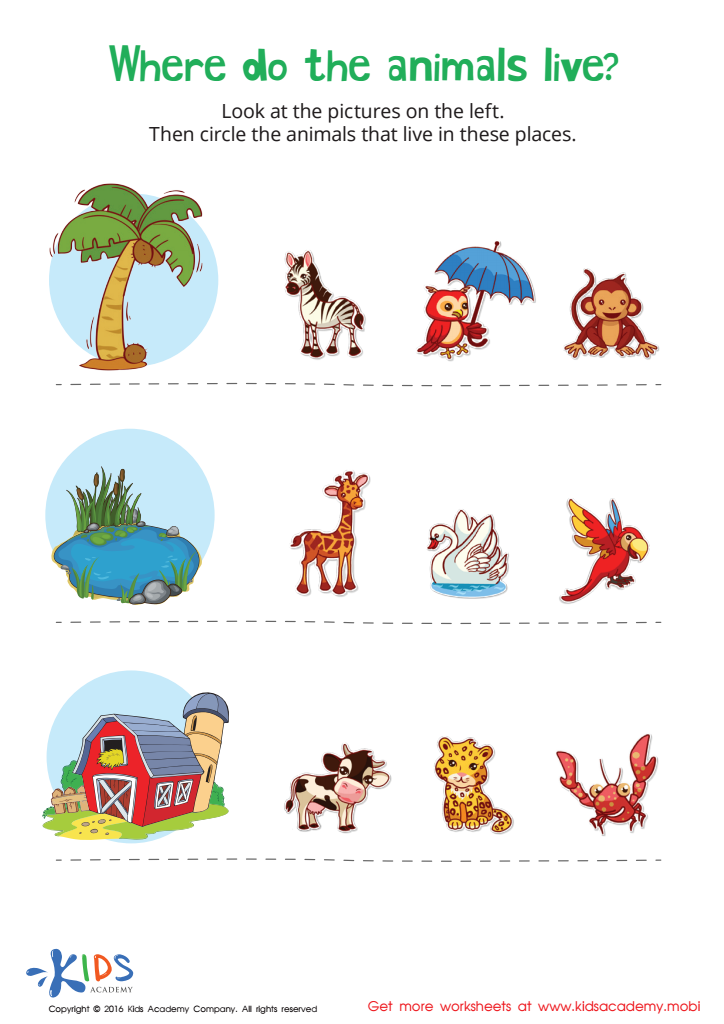
Teaching early reading and math skills is important, but don't forget about science. With the Where Animals Live PDF worksheet, kids can identify their favorite animals and the environments they live in. Ask them what type of environment the animals like and introduce them to geography. It's great for logical reasoning and classification skills. Your kid will practice with their favorite animals and love the trip to the zoo afterwards!
Where Animals Live Worksheet
Worksheet


... 4 5

Parents and teachers should care about teaching normal plants and animals to children ages 5-9 because it helps foster a strong foundation for lifelong learning and environmental stewardship. Early exposure to the natural world cultivates curiosity and respect for living organisms, laying the groundwork for critical thinking and scientific inquiry.

At this age, children are naturally curious and observant, making it the perfect time to introduce concepts like biodiversity, ecosystems, and the interdependence of living things. By understanding the roles different plants and animals play, children develop an appreciation for nature's balance and learn about sustainability and conservation from a young age.

Furthermore, learning about plants and animals can enhance children's cognitive and emotional development. Engaging with nature can improve focus, creativity, and problem-solving skills. It can also instill empathy and a sense of responsibility towards living things, which can translate into respectful coexistence with others in social settings.

Activities like gardening, nature walks, and observing local wildlife make learning interactive and fun, reinforcing classroom concepts through lived experiences. Whether they become scientists, environmentalists, or simply responsible citizens, children who understand and appreciate the natural world are better equipped to make informed decisions that positively impact the environment.