Reading comprehension Normal Reading Worksheets - Page 2
172 filtered results
Difficulty Level
Grade
Age
-
From - To
Subject
Activity
Standards
Favorites
With answer key
Interactive
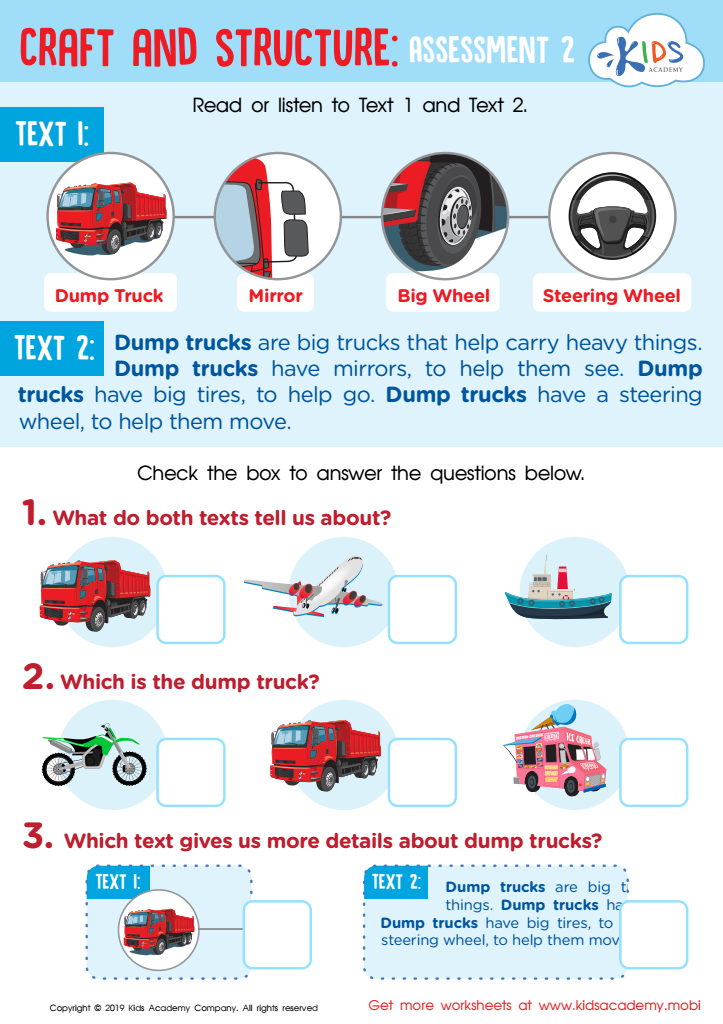
Craft and Structure: Assessment 2 Worksheet
Good readers need to analyze text features and use picture clues to understand. This assessment worksheet gives your child info in different formats and they can show understanding using answer options to check the correct answers. (80 words)
 Assign to My Students
Craft and Structure: Assessment 2 Worksheet
Worksheet
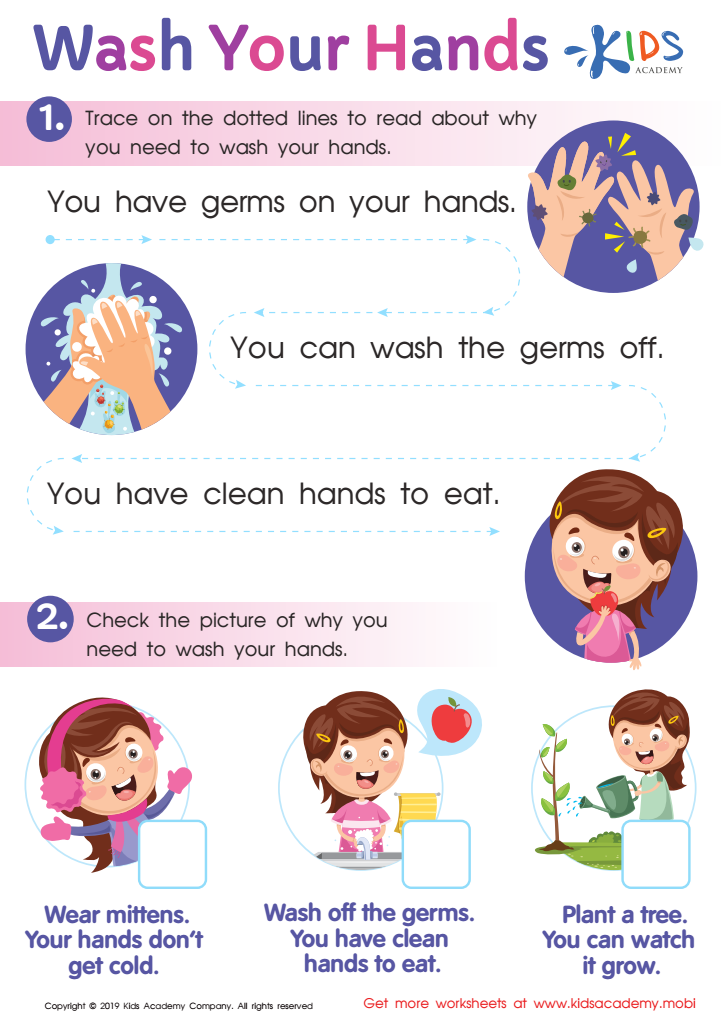
Wash Your Hands Worksheet
Kids learn best when they understand why they need to do something. This free worksheet uses traceable lines and pictures to teach them about germs and why washing hands is important. The child follows a left-to-right sequence and must check the correct picture to show they understand.
Wash Your Hands Worksheet
Worksheet
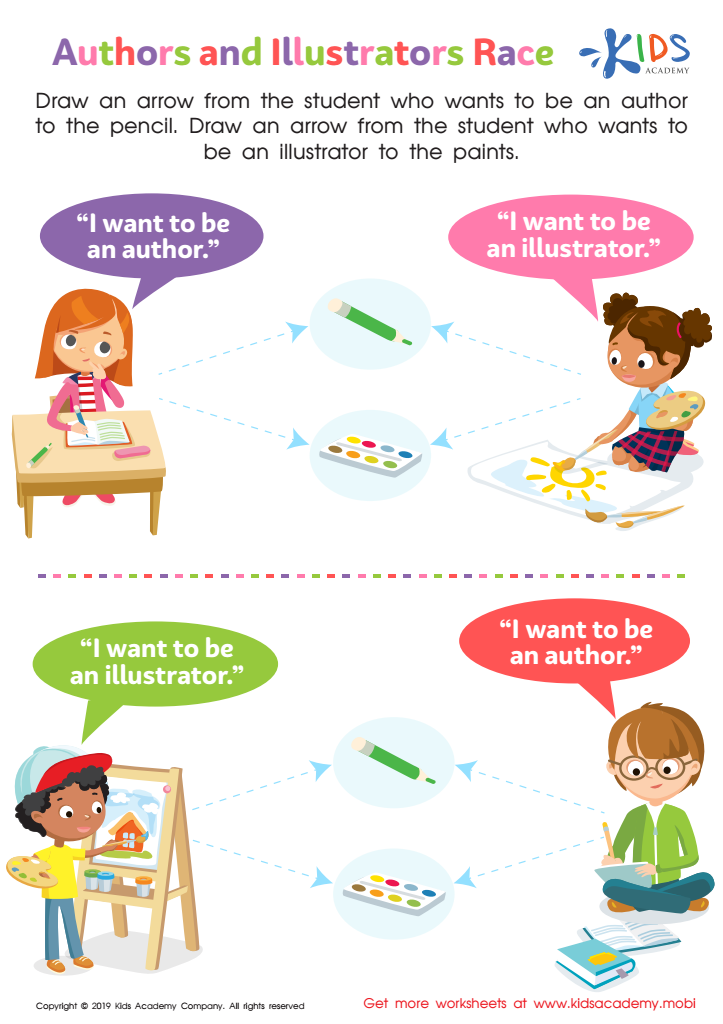
Authors and Illustrators Race Worksheet
Help your child learn about the author and illustrator of a book with this free and colorful worksheet. They'll trace lines to pick the tools used by each and understand the difference between them. It's a great way to introduce fundamental concepts of reading.
Authors and Illustrators Race Worksheet
Worksheet
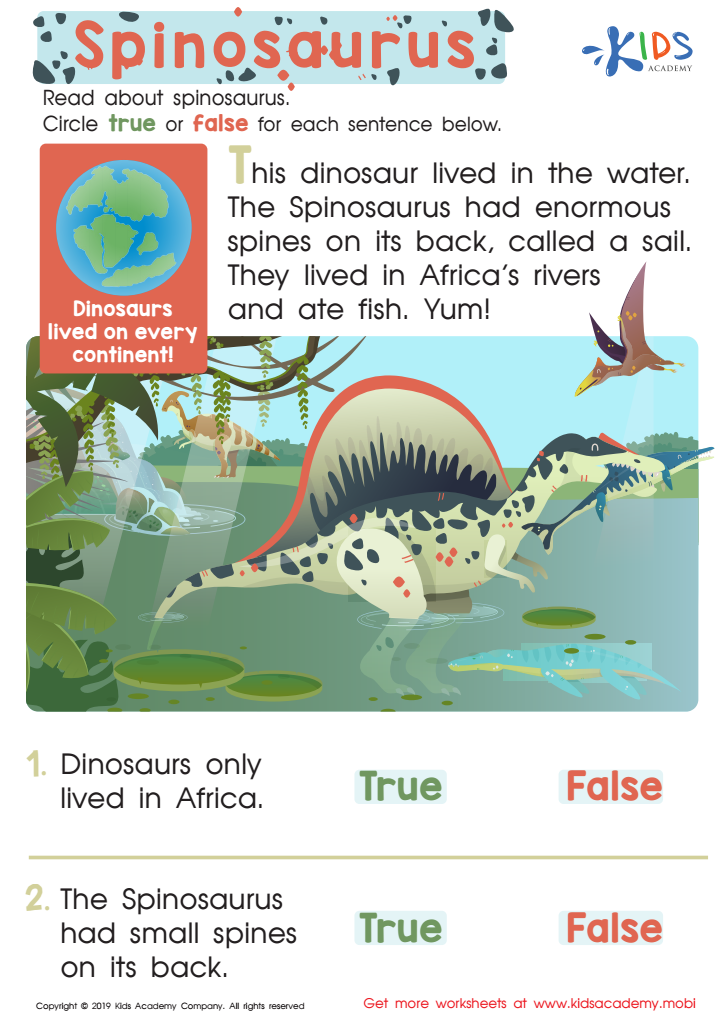
Spinosaurus Assessment Worksheet
Take your child on a journey to discover the Spinosaurus! This worksheet combines an engaging nonfiction passage about this incredible dinosaur with comprehension questions. Invite kids to read the text before deciding if the statements are true or false. Then, have them circle the right answers to complete the activity.
Spinosaurus Assessment Worksheet
Worksheet
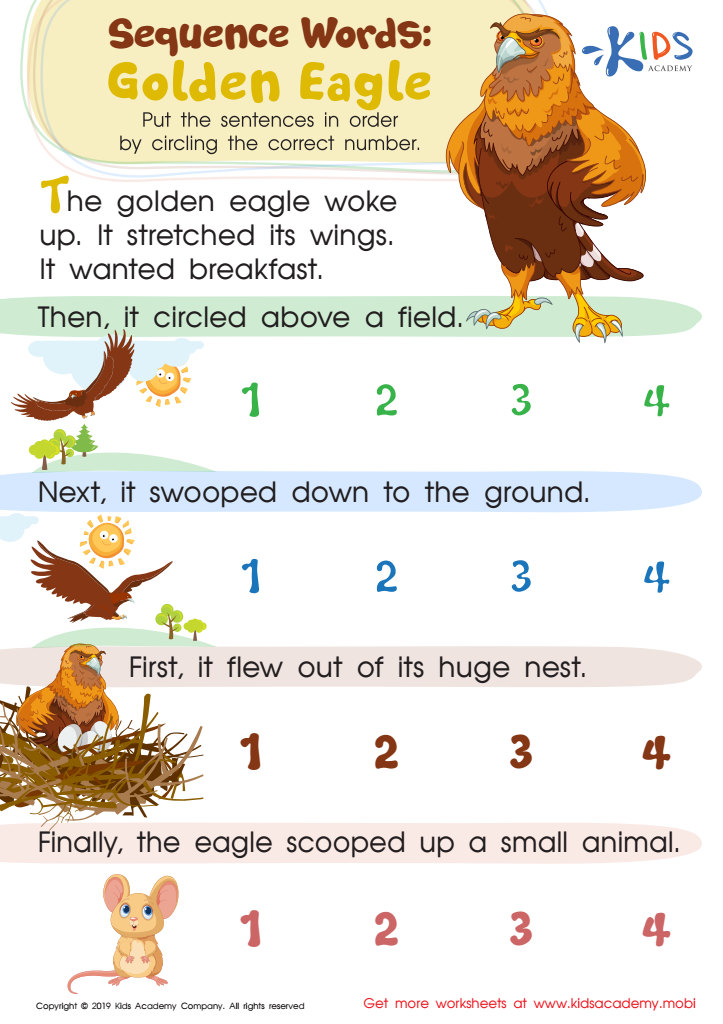
Sequence Word Eagle Worksheet
Help your child brush up on reading and writing with this fun worksheet. Read the story of the golden eagle's day, then have the child circle the numbers in the right order. Point out the sequence words that tell the order of events. This helps learners understand how to make their writing clear and understandable to others.
Sequence Word Eagle Worksheet
Worksheet
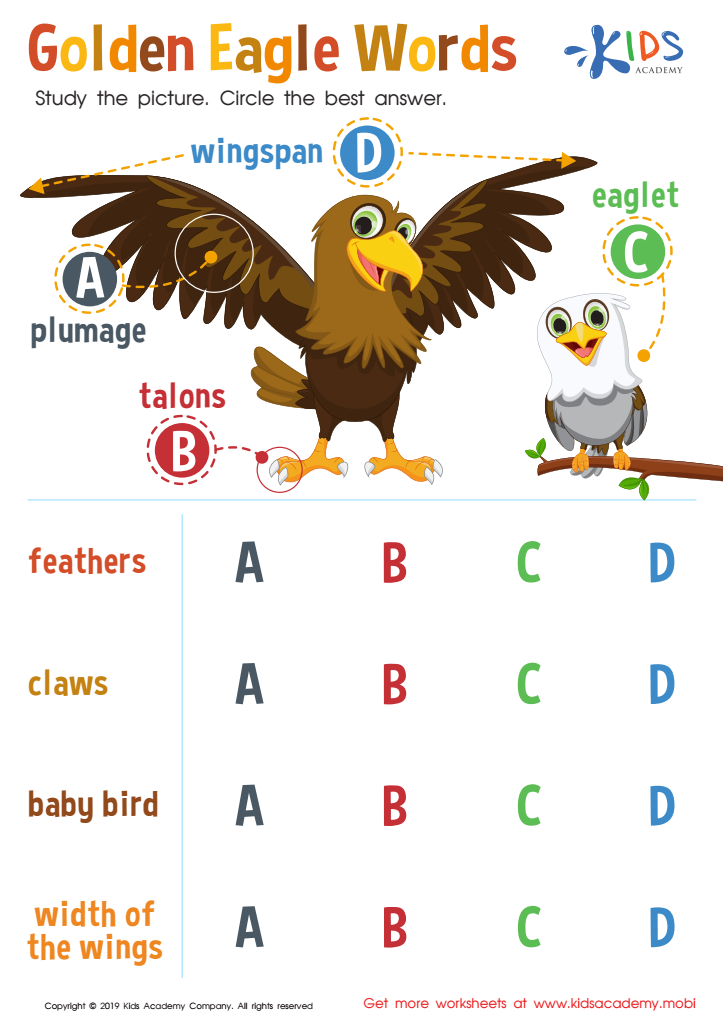
Golden Eagle Words Worksheet
Learning about animals is fun and this worksheet makes it more exciting! An adorable image of a golden eagle's wings is at the top, followed by new vocabulary words. Help your child match them by circling the correct answer. It's a great way to learn about the regal bird and its baby!
Golden Eagle Words Worksheet
Worksheet
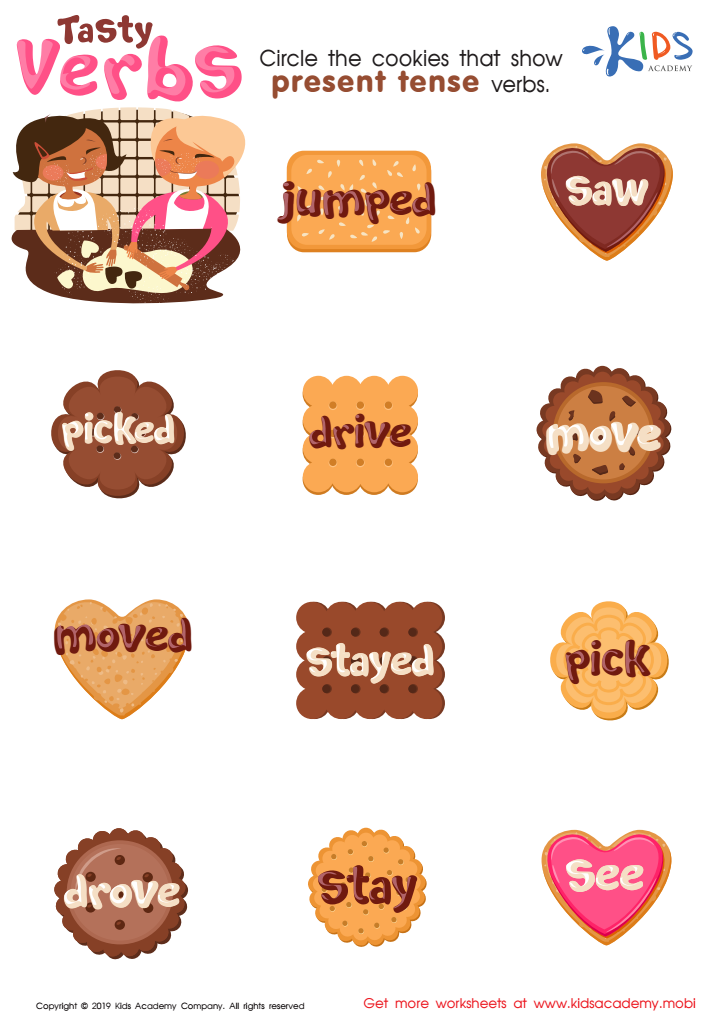
Tasty Verbs Worksheet
Verbs can show actions, past events, and future happenings. Master present tense verbs with this cookie-themed worksheet! Read the verbs on each cookie and help kids form sentences using the word in present tense. Circle the correct answers for each cookie. Give them a tasty treat while learning something new!
Tasty Verbs Worksheet
Worksheet
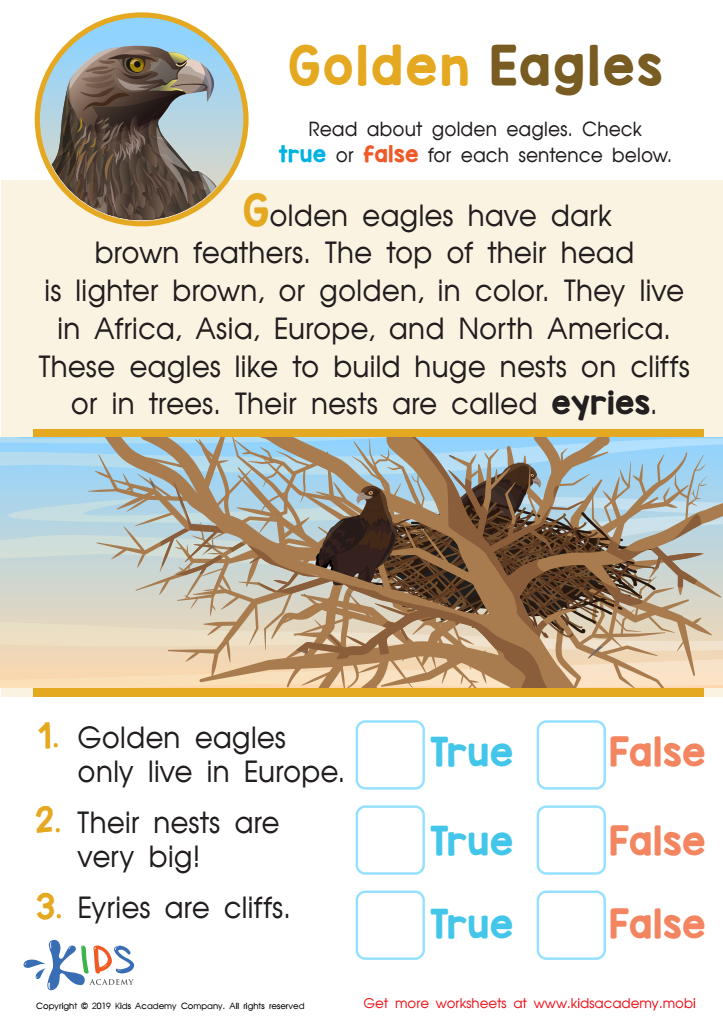
Golden Eagles Worksheet
Check your child's reading comprehension with this fascinating worksheet! Read the passage at the top of the page and discuss what was learned about golden eagles. Then, read the statements at the bottom and ask if they are true or false. Guide your child to circle the correct answer then read the text to back up the answer.
Golden Eagles Worksheet
Worksheet
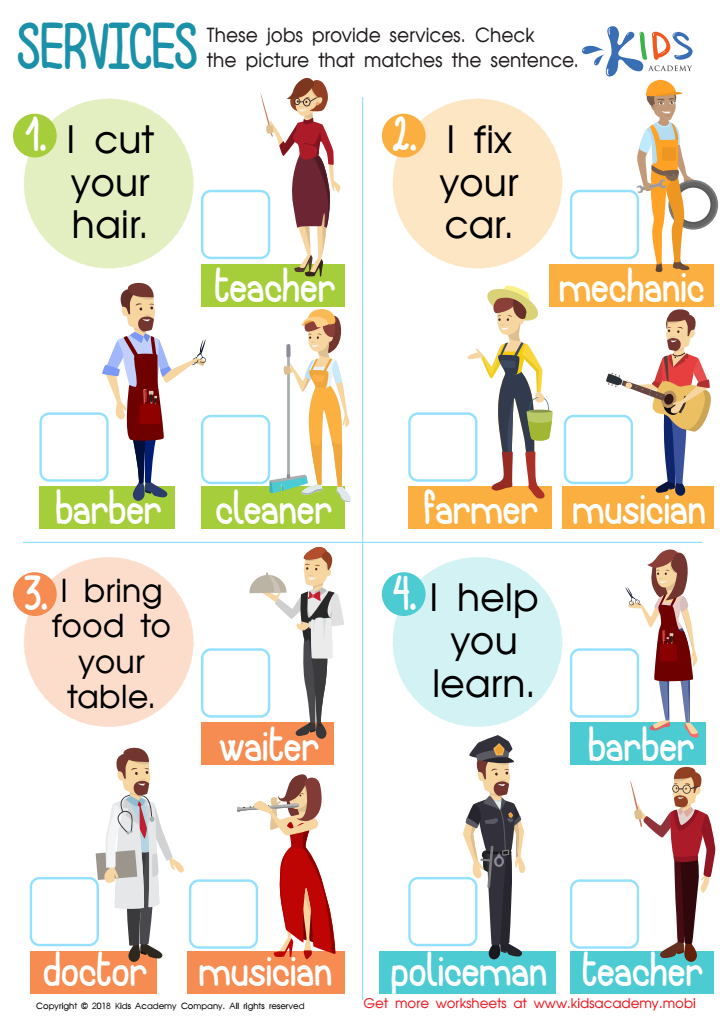
Services Worksheet
Help your child learn the difference between services and goods with this Kids Academy worksheet. Guide your child to read each sentence and select the correct worker who does the job for the service. With this worksheet, your child can learn about common services in the community.
Services Worksheet
Worksheet
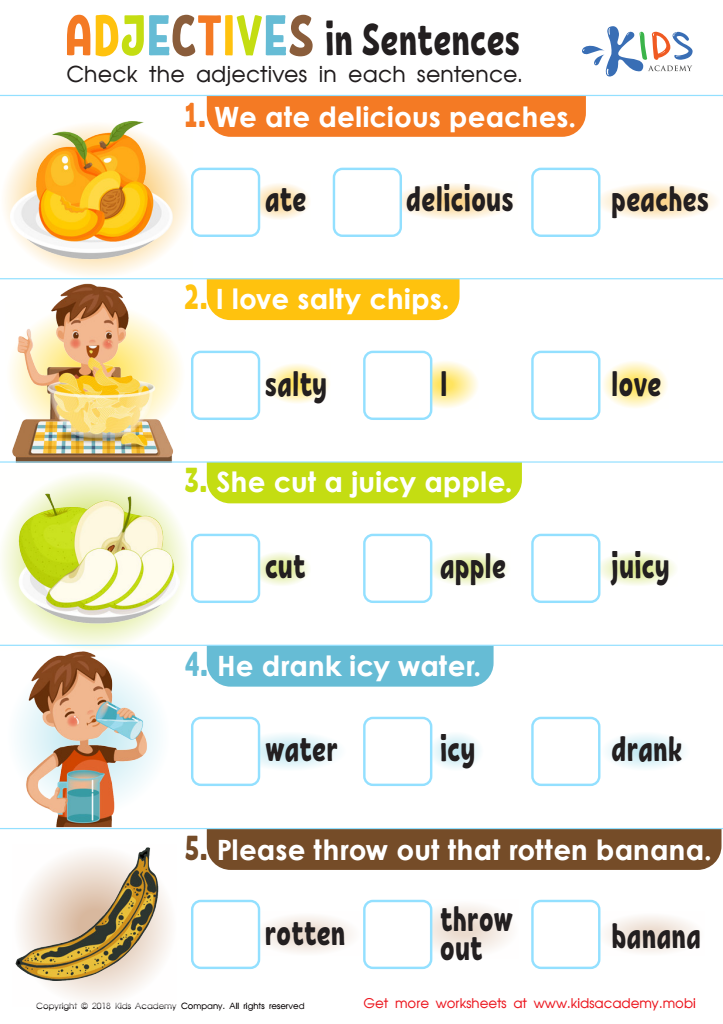
Adjectives in Sentences Worksheet
Our learners can find it hard to use writing to add detail, but adjectives can help. With this fun worksheet, kids can identify adjectives that describe food and drink. Guide them through each sentence, discussing the words and having them choose the one that gives information about the food/drink.
Adjectives in Sentences Worksheet
Worksheet
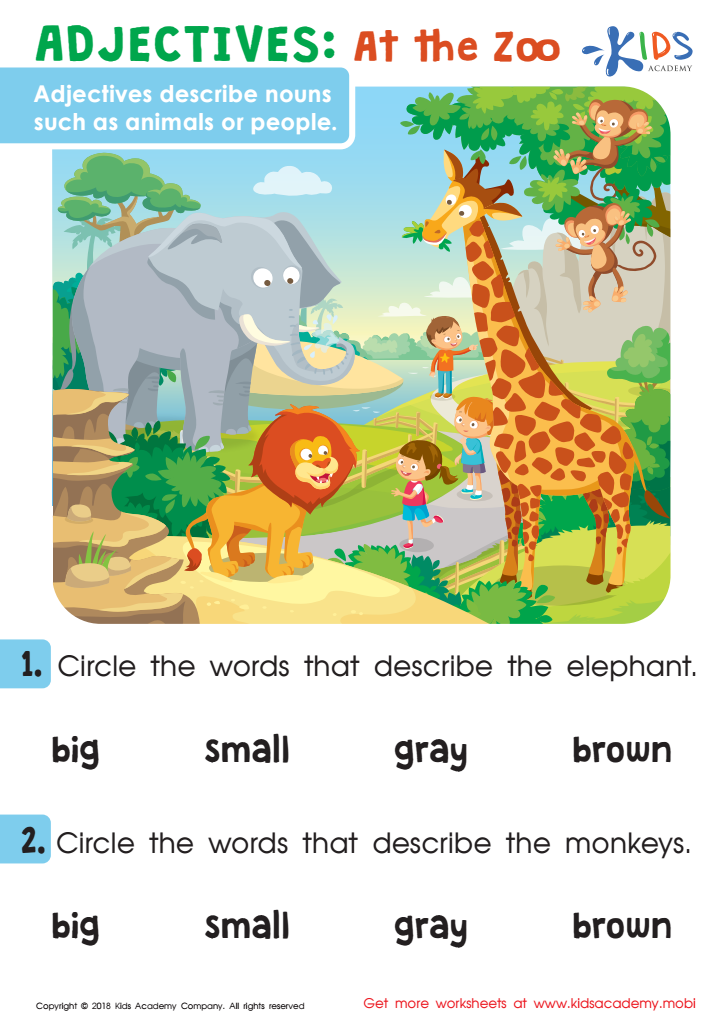
Adjectives: At The Zoo Worksheet
Take your kids to the zoo and ask them about their favorite activities and animals. This worksheet is a great way for kids to learn about adjectives. Explain that adjectives describe nouns like people or animals (e.g. big, tall, dark). Look at the printout with your kids and help them circle words that describe the animals in the picture.
Adjectives: At The Zoo Worksheet
Worksheet
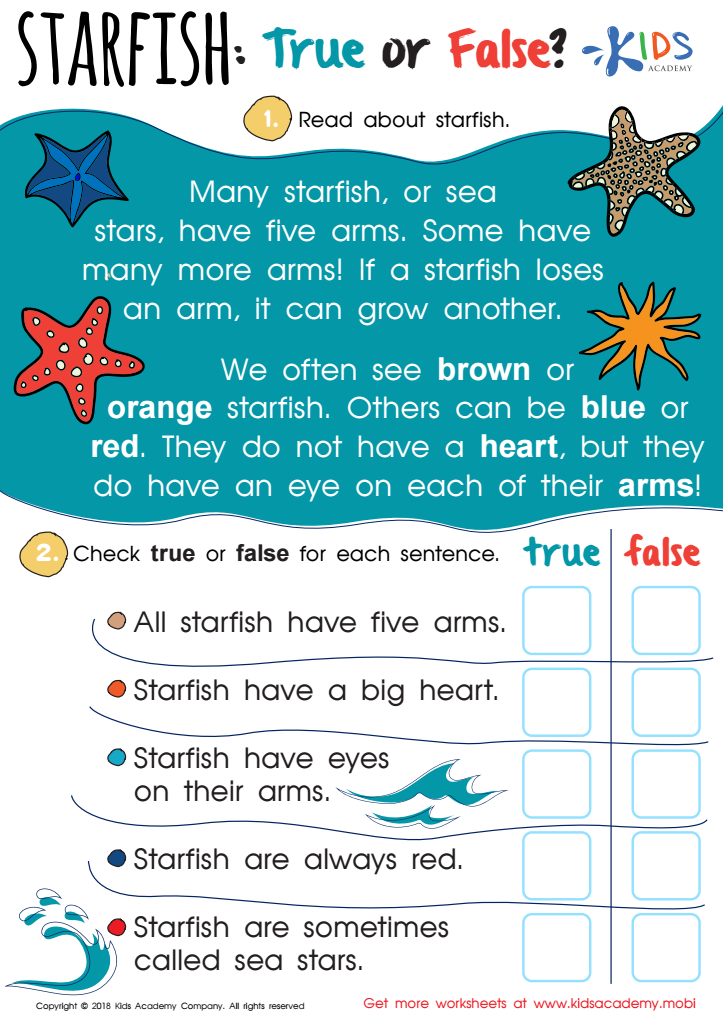
Starfish: True or False Worksheet
This worksheet helps kids learn more about starfish. Ask them what they know and read the text; it explains the creature's arms, color, and sight. At the end, read the questions and help them check true or false for each sentence.
Starfish: True or False Worksheet
Worksheet
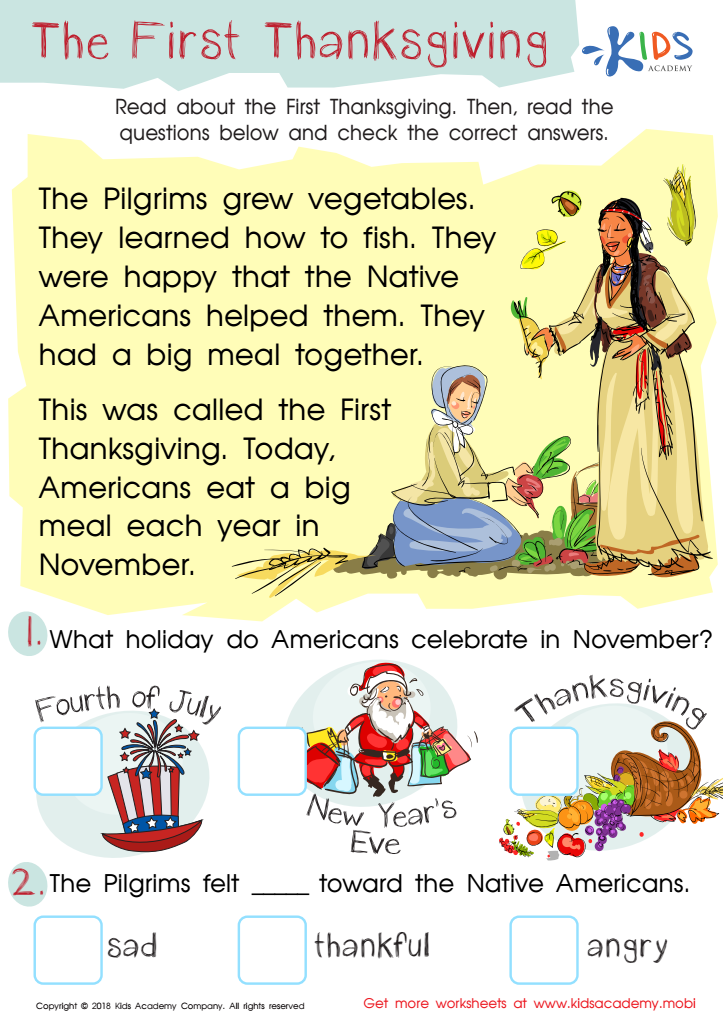
Assessment: First Thanksgiving Worksheet
When the Pilgrims arrived in America in 1620, they met the Native Americans and formed a pact to live in harmony. The Native Americans taught the Pilgrims how to survive in the new land, which helped them celebrate the First Thanksgiving. Read this text to your children and help them answer the questions below.
Assessment: First Thanksgiving Worksheet
Worksheet
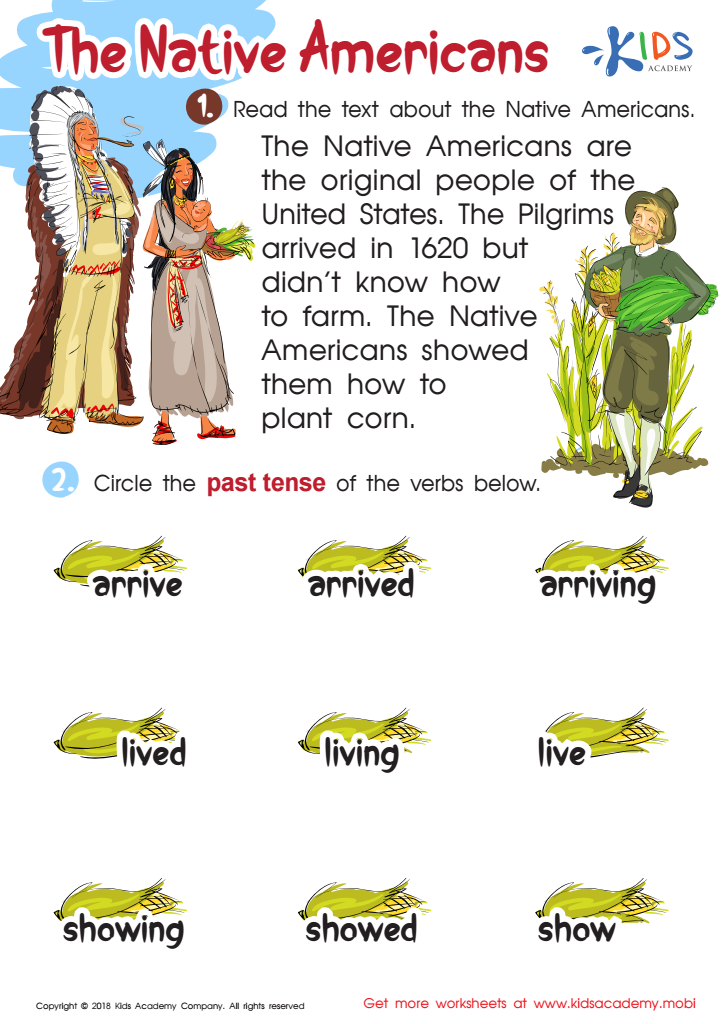
The Native Americans Worksheet
Ask your students who the Native Americans are and give them a history lesson if needed. Read the text about the Native Americans and circle the past tense verbs. The text describes events that occurred when the first Pilgrims arrived in America.
The Native Americans Worksheet
Worksheet
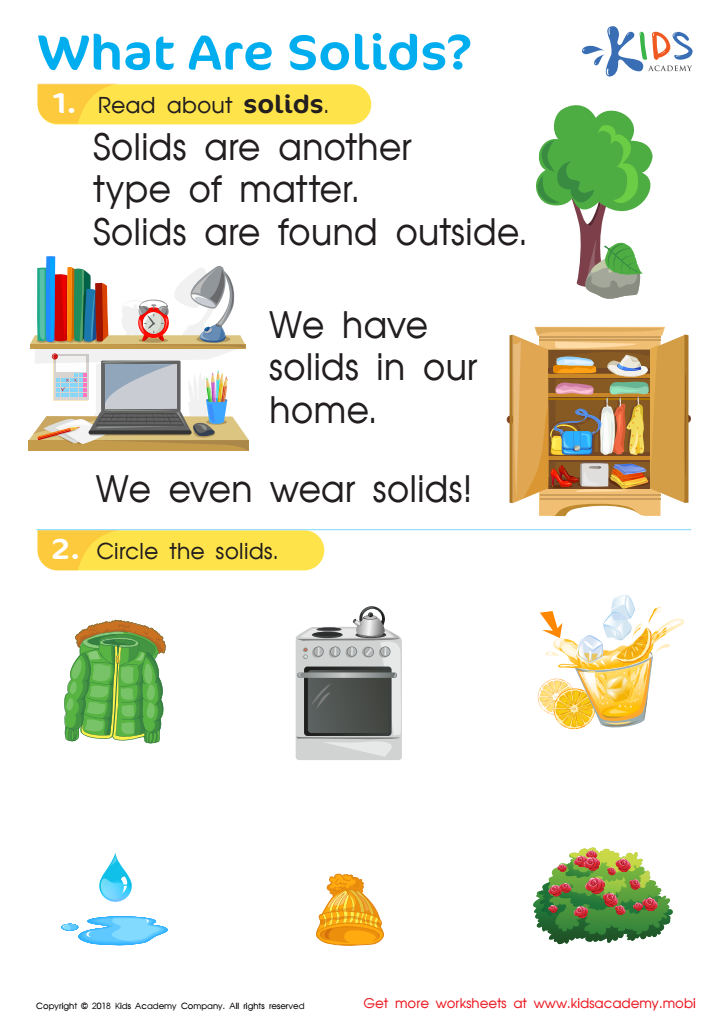
What Are Solids? Worksheet
Help your kids understand matter's three forms - solid, liquid, and gas - with examples. Ask them to give their own and where to find them. Then, read and discuss the worksheet's facts about solids. Afterward, have them circle the solids among the provided objects.
What Are Solids? Worksheet
Worksheet
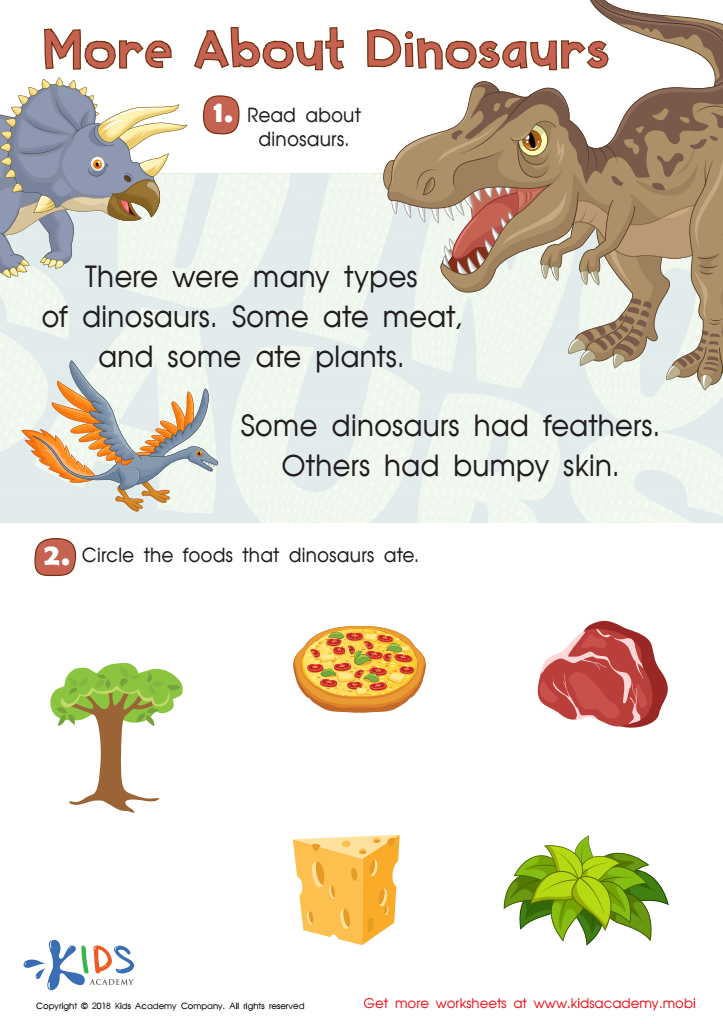
More About Dinosaurs Worksheet
Dinosaurs captivate us with the unknown. Long gone before us, they left behind clues in their bones. Kids love to explore and uncover the secrets of these extinct creatures. Read the facts in this worksheet to them and help them answer the question at the end. Let their imaginations soar!
More About Dinosaurs Worksheet
Worksheet
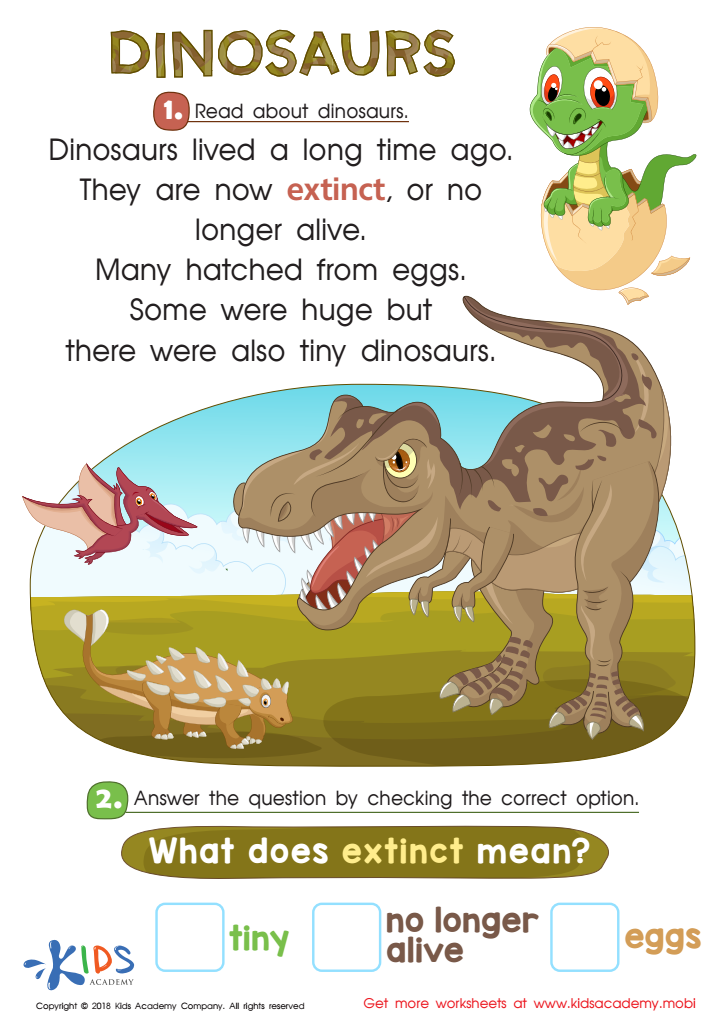
Dinosaurs Worksheet
Kids are often fascinated by dinosaurs, creatures that roamed the Earth before man. Sadly, they are now extinct. To learn more, read facts on this worksheet to your kids and help them answer the question at the end by selecting the correct option.
Dinosaurs Worksheet
Worksheet
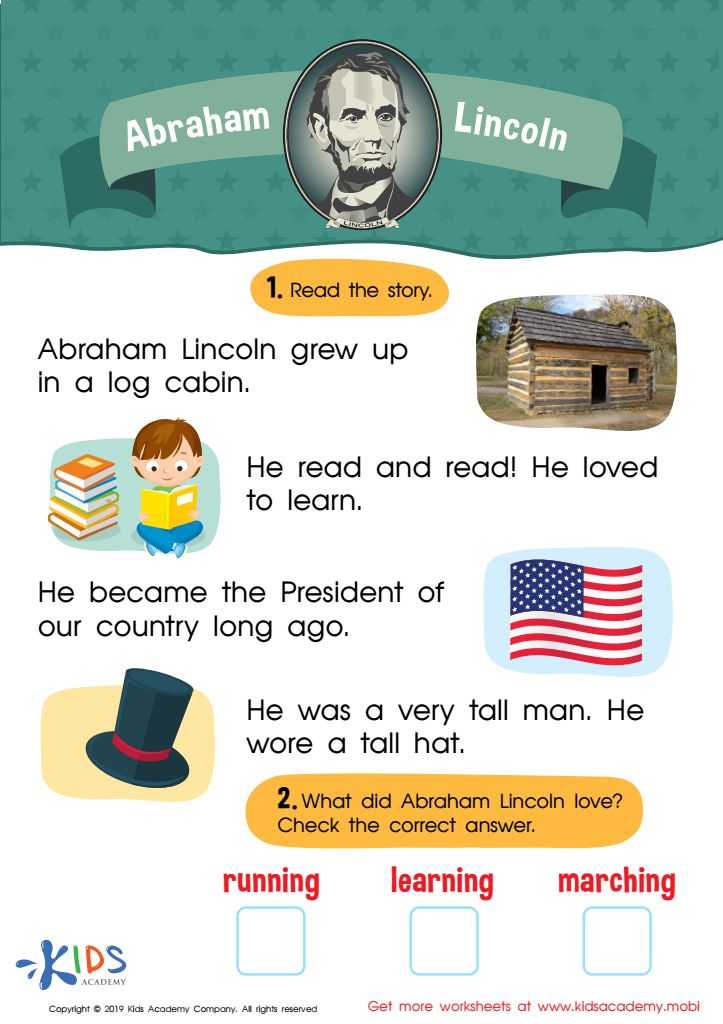
Abraham Lincoln Worksheet
Let your kids listen to interesting stories while having fun! Read the short story in this worksheet, point to the picture representing each sentence, then ask the questions and check the answers. Doing this will help your children learn new things and build their vocabulary.
Abraham Lincoln Worksheet
Worksheet
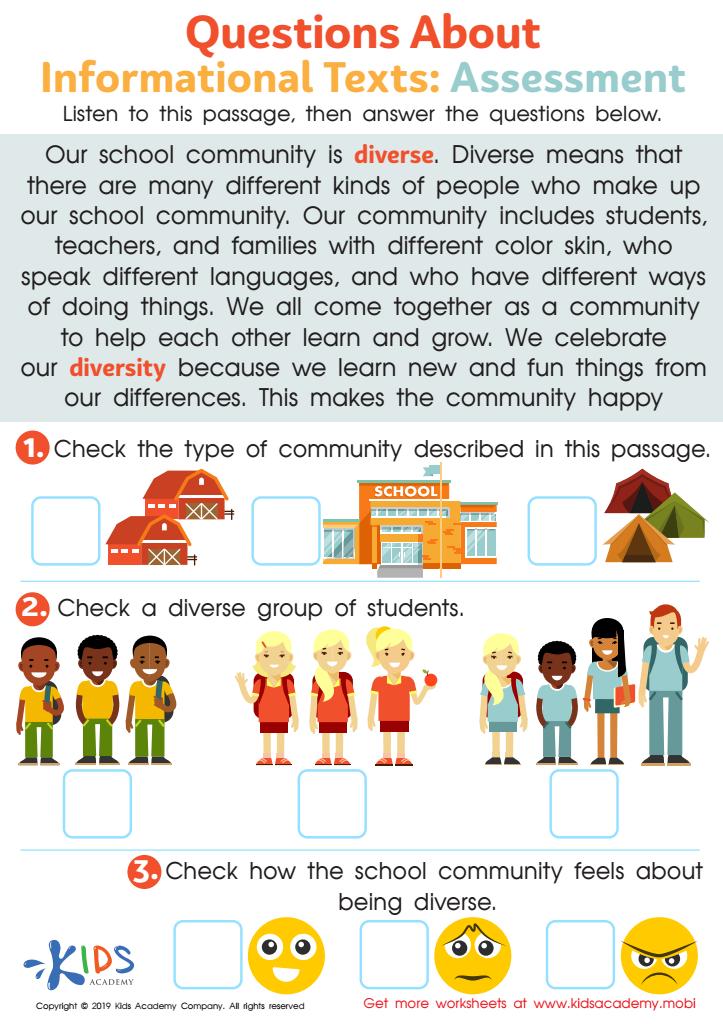
Questions About Informational Texts: Assessment 1 Worksheet
Ask your students: What comes to mind when we talk about a community? What different habits do people practice? What do fellow students do that seems strange? Read this passage aloud to your kindergartners and make sure they understand it. Then, answer the questions at the bottom of the page. (80 words)
Questions About Informational Texts: Assessment 1 Worksheet
Worksheet
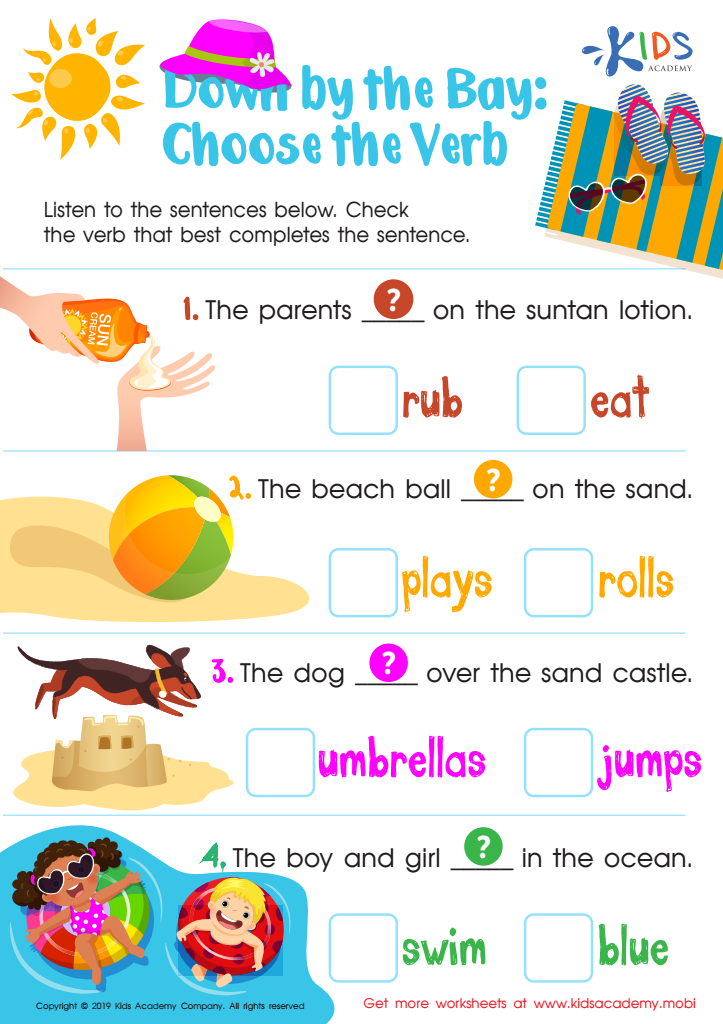
Down by the Bay: Choose the Verb Worksheet
Teach your kids about verbs: words that describe actions, like 'playing', 'eating', 'talking'. Ask your child to give their own verbs, then read the sentences in a worksheet and help them pick the best one for each question.
Down by the Bay: Choose the Verb Worksheet
Worksheet
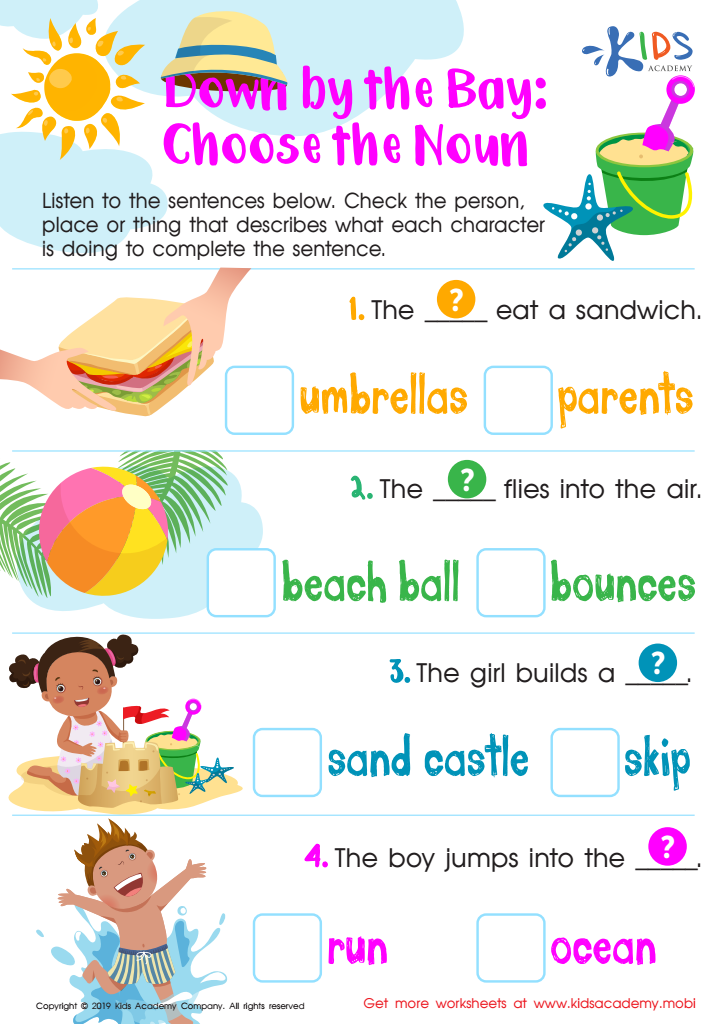
Down by the Bay: Choose the Noun Worksheet
Teach your child the basics of speaking and constructing English, like the parts of speech. Nouns are especially important; they are names of people, animals, objects, places, or things. Go through this worksheet with your kids and have them identify the nouns in the sentences. This exercise will help them understand the concept better.
Down by the Bay: Choose the Noun Worksheet
Worksheet
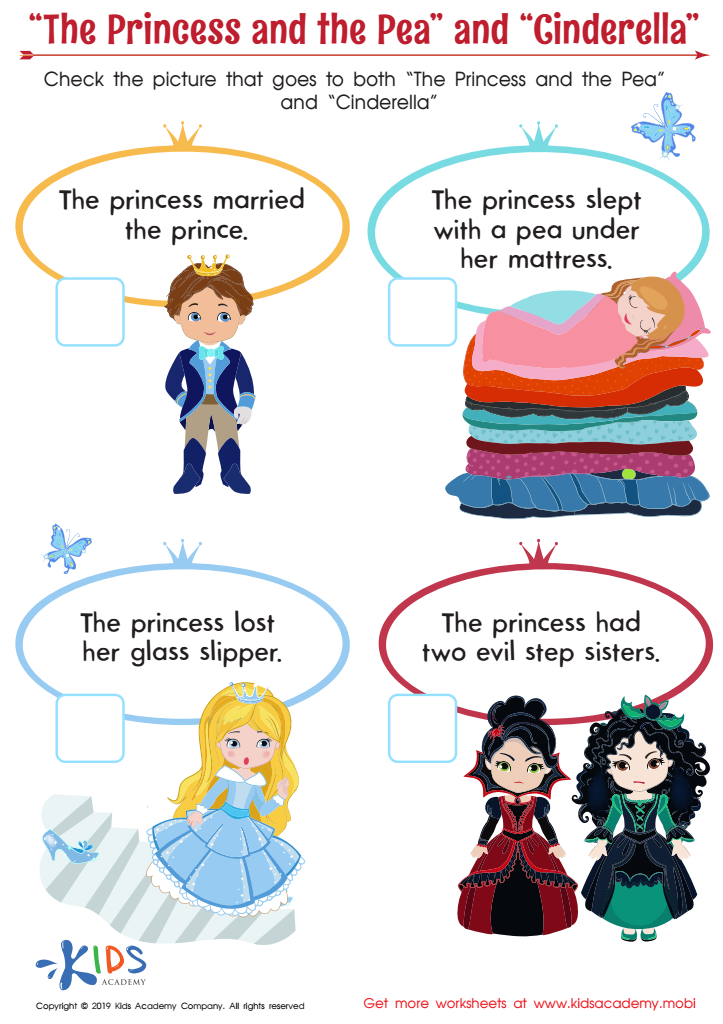
“The Princess and the Pea” and “Cinderella” Worksheet
Read "Cinderella" and "The Princess and the Pea" to your little ones. Ask them what their favorite parts were and what similarities they found in the princesses. This worksheet has four pictures of scenes from the stories. Ask your kids which picture goes with both tales.
“The Princess and the Pea” and “Cinderella” Worksheet
Worksheet
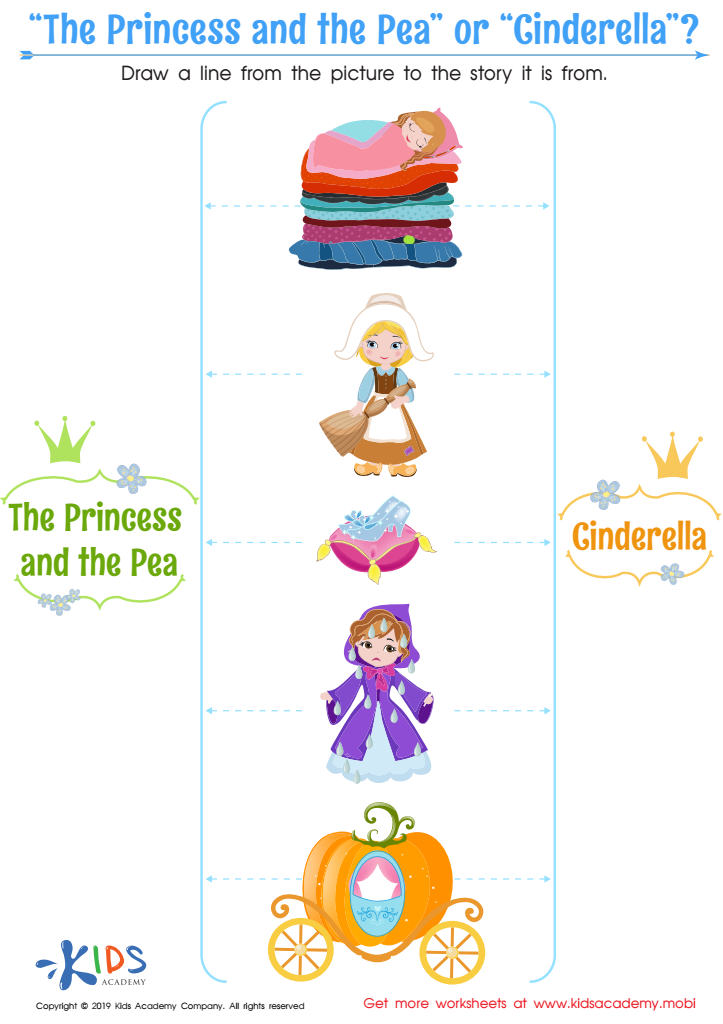
“The Princess and the Pea” or “Cinderella” Worksheet
Help your child identify the characters and objects from both the Princess and the Pea and Cinderella. Ask them to draw a line from the pictures to the story it's from on the tracing sheet. Encourage them to tell you the similarities between the two stories. Enjoy the tale with your daughter and watch her be fascinated by these two classic children's stories.
“The Princess and the Pea” or “Cinderella” Worksheet
Worksheet
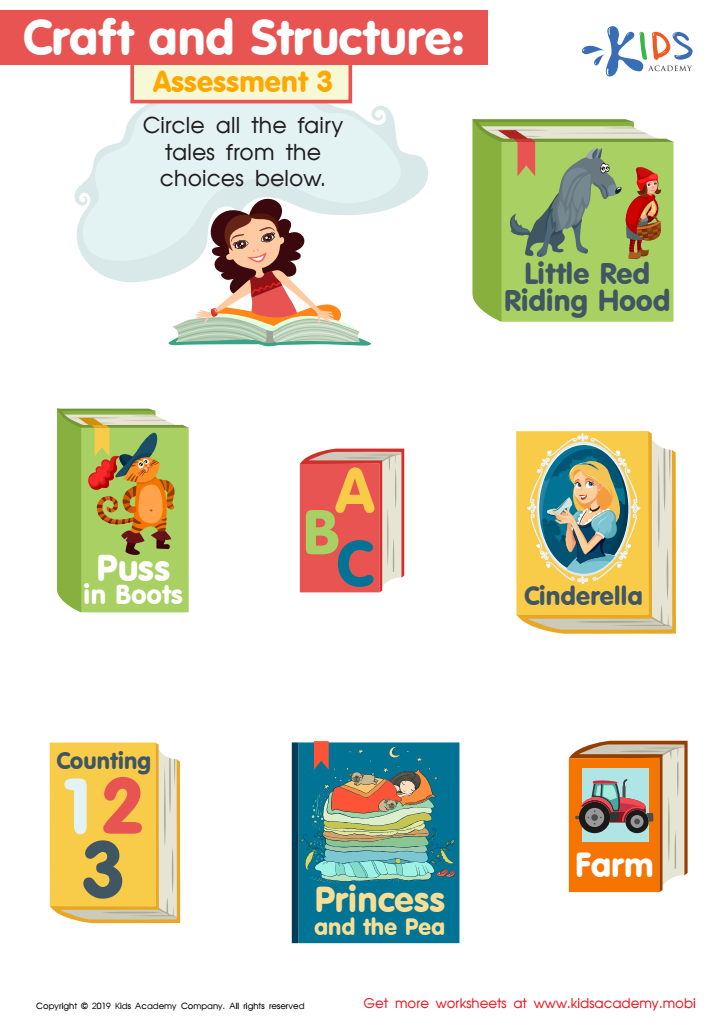
Craft and Structure: Assessment 3 Worksheet
Before starting the worksheet, ask your kids to recall their favorite bedtime stories. What characters and events can they remember? Four popular children's stories are hidden among pictures of other objects - help them search and circle the fairy tales in this PDF.
Craft and Structure: Assessment 3 Worksheet
Worksheet
Join Kids Academy for Free
Who is primarily going to use this learning content?



.jpg)