Filters

6 filtered results

Clear all filters
Favorites
With answer key
Interactive

6 filtered results

Difficulty Level

Grade


Enhance your child's vocabulary skills with our engaging Preschool Alphabet Worksheets! Designed for young learners, these resources focus on integrating alphabet recognition with vocabulary building. Each worksheet features fun activities that encourage children to identify letters, associate them with words, and expand their language skills. From tracing letters to vibrant images, our worksheets make learning fun and interactive. Ideal for parents and teachers alike, these printable activities help develop essential literacy foundations and boost confidence in early readers. Start enriching your preschooler's vocabulary today and watch them thrive as they express their thoughts and ideas with new words!

Check out this FREE Preschool Trial Lesson on Alphabet!

G

Favorites
With answer key
Interactive
  • Preschool
  • Vocabulary Building
  • Alphabet
Letter U Tracing Worksheet Preview

Letter U Tracing Worksheet

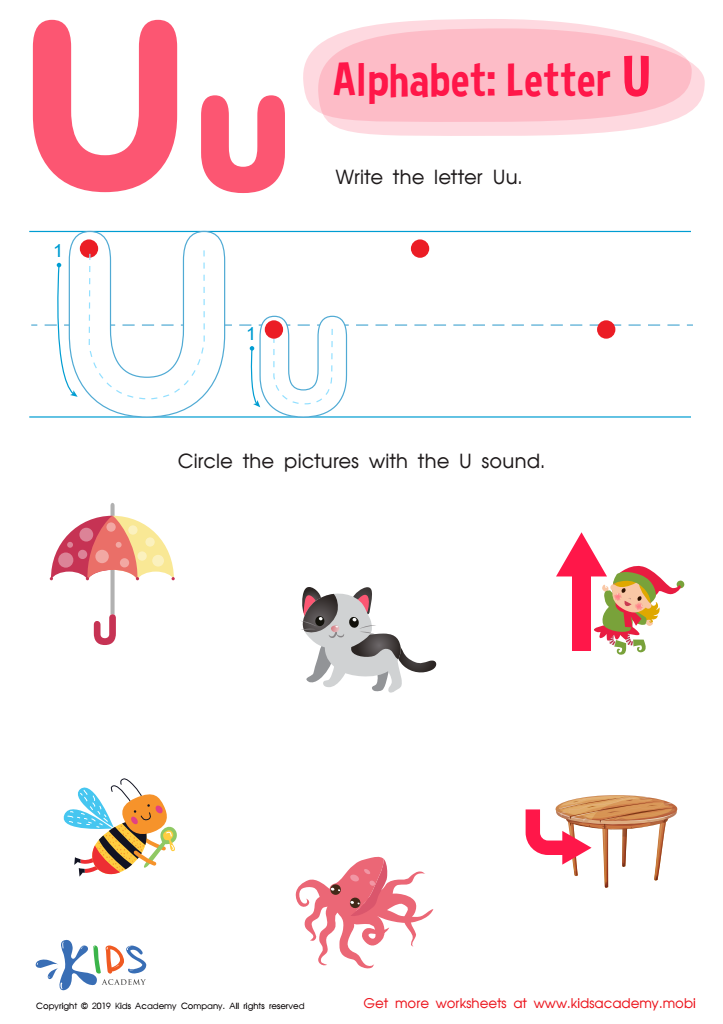
Your students can have fun and learn about the alphabet with this letter «U» worksheet. Pre-schoolers will trace the letter «U», circle words with the letter sound, and learn phonics while boosting their confidence. Doing these tasks will help them understand the letter more.
Letter U Tracing Worksheet
Worksheet
Phonics for Kids | Long Vowel Sound A | PDF Worksheet 1

Long Vowel Sound A Worksheet

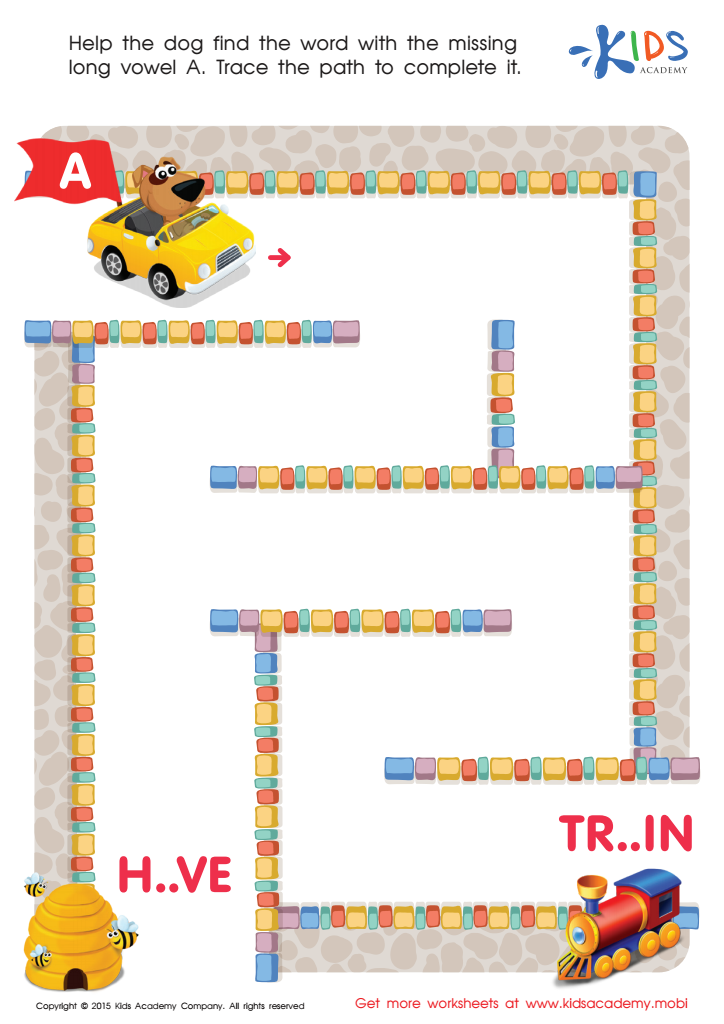
Teach your young learner about the long vowel A with this colorful free printable phonics worksheet. The long vowel A says its name while the short vowel A does not. Complete the worksheet by tracing the root to the toy train and helping the dog by filling in the missing letter A. Have them practice writing and spelling with phonics while having fun!
Long Vowel Sound A Worksheet
Worksheet
Word Matching Game Worksheet

Word Matching Game Worksheet

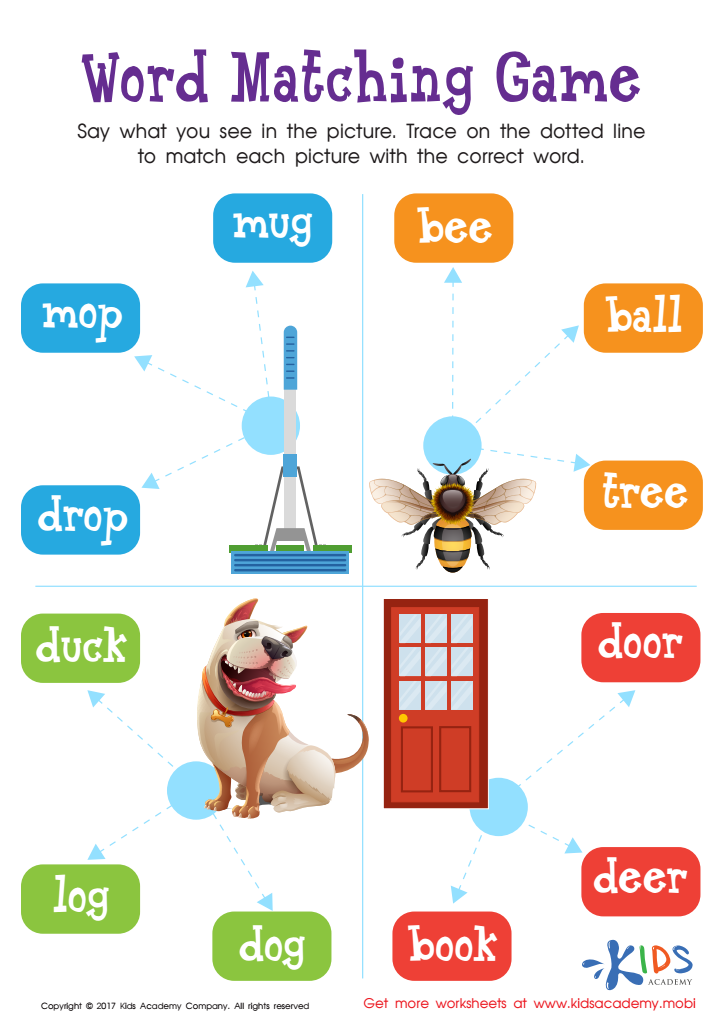
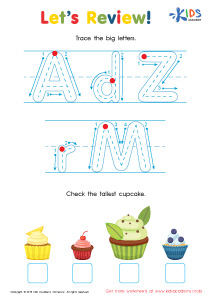
Help your early reader develop prereading skills with this fun matching worksheet! Visual cues help them learn sight words, decode words in word families, and identify phonetic patterns. They'll practice discerning sounds past initial consonants while saying the name of the picture and finding the matching word - and reading at the same time!
Word Matching Game Worksheet
Worksheet
Letter H and I Sounds Worksheet

Letter H and I Sounds Worksheet

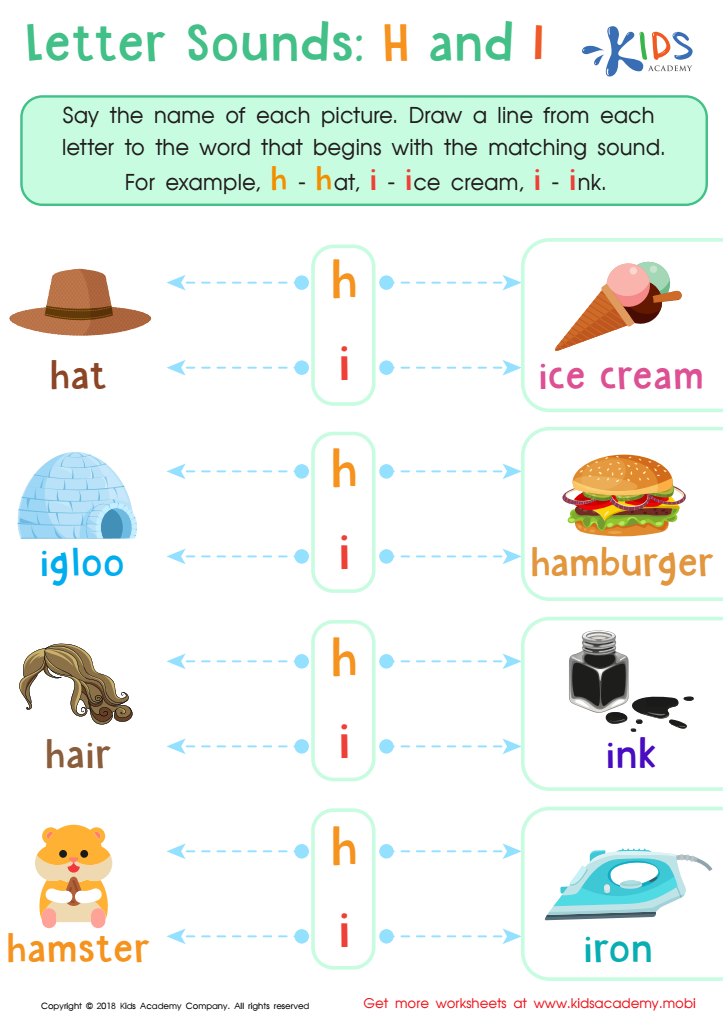
Preschoolers will have fun and develop reading and writing skills at the same time! They'll use pictures to recognize familiar words and differentiate between 'H' and 'I' sounds. Then they'll trace lines to connect each sound to the picture, improving their fine-motor skills. Bright and cheerful visuals make learning a breeze!
Letter H and I Sounds Worksheet
Worksheet
Letter G Coloring Page

Letter G Coloring Sheet

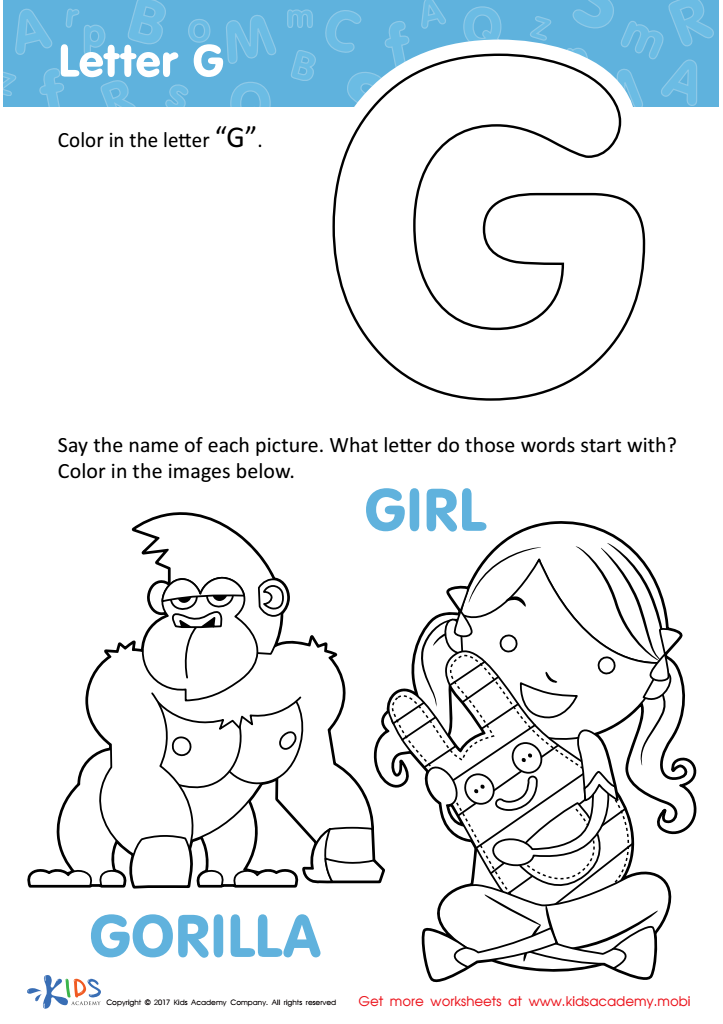
This "G" coloring page encourages creativity and teaches kids the letter "G" sound. With its fun visuals and familiar words, it's sure to excite your child. Plus, you can talk about the letter’s sound with the pictures given.
Download (PDF)
Assign to My Students
Letter G Coloring Sheet
Worksheet
And Worksheet Sight Words Worksheet

And Worksheet Sight Words Worksheet

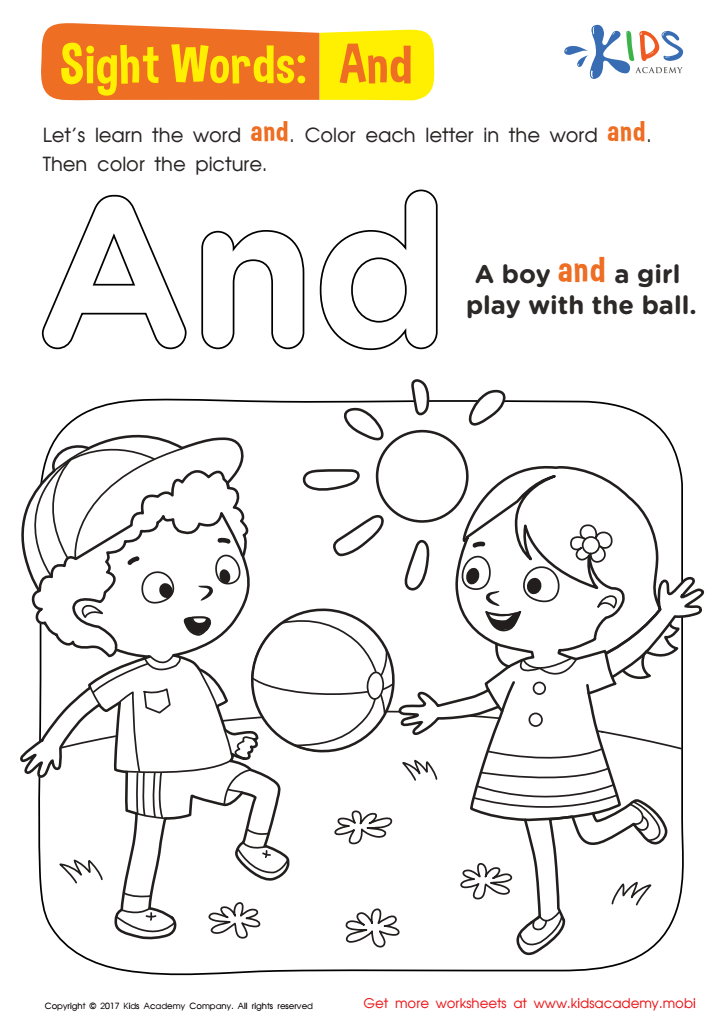
Help your child get a jumpstart on reading with sight words! Print out this fun worksheet and get your child to read the sentence. Point out the word "and", then color the word and enjoy the rest of the scene! It's a great way to introduce sight words and get their early reading skills going!
Download (PDF)
Assign to My Students
And Worksheet Sight Words Worksheet
Worksheet


Vocabulary building in preschool, particularly through the alphabet, is crucial for young children's language development and overall academic success. During these formative years, children are rapidly acquiring language skills that lay the foundation for their communication abilities. Learning the alphabet offers a unique opportunity to introduce new words, enhance understanding, and encourage expressive language use.

When children recognize letters and associate them with sounds, they can begin to understand that these symbols represent words and ideas. This understanding fosters reading and writing skills, which are essential for literacy in later stages of their education. Vocabulary building exposes children to a richer language experience, enabling them to describe their surroundings, express emotions, and interact more effectively with peers and adults.

Moreover, interactive activities involving the alphabet, such as storytelling, songs, and games, not only build vocabulary but also cultivate a love for learning. Parents and teachers play a pivotal role in providing a supportive environment where language skills can flourish. By prioritizing vocabulary building associated with the alphabet, they can help children grow into confident communicators, promoting lifelong learning and successful engagement in the world around them. This investment in early education pays dividends, ensuring strategies for effective learning in the years ahead.