Cultural awareness Preschool Worksheets
3 filtered results
-
From - To
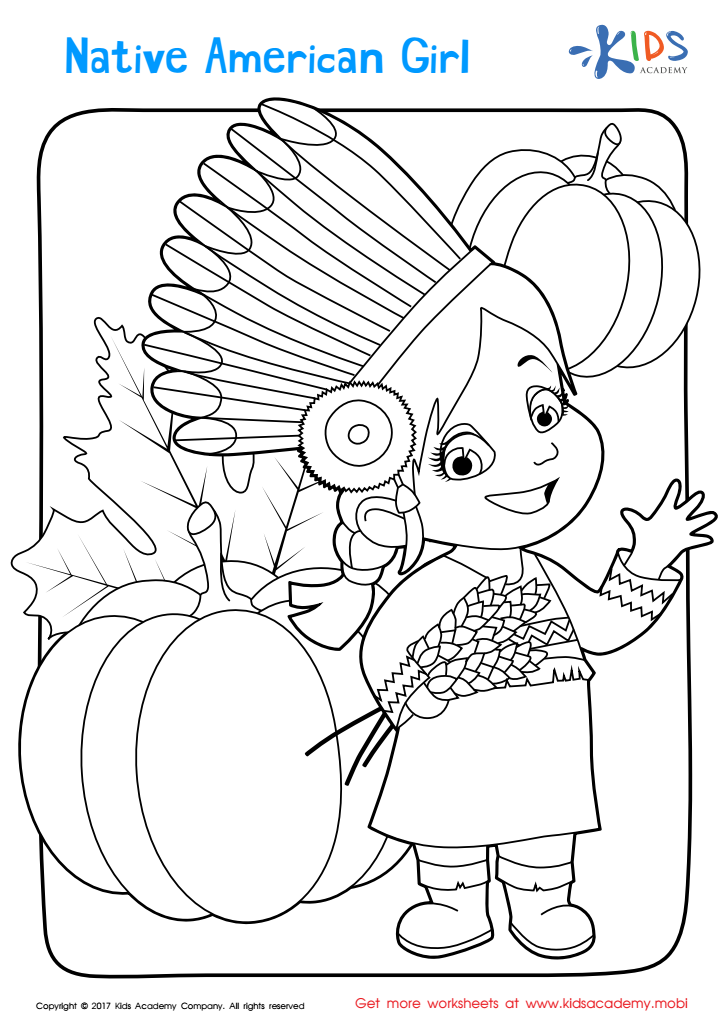
Our Cultural Awareness Preschool Worksheets are crafted to inspire curiosity and understanding in young learners. Designed for children aged 3 to 5, these printables introduce diverse cultures through engaging activities, including coloring pages, puzzles, and simple reading exercises. Each worksheet promotes empathy, respect, and open-mindedness, helping to lay the foundation for a more inclusive worldview. Accessible and easy-to-use, these resources are perfect for both classroom environments and at-home learning. Cultivate cultural awareness from an early age with our thoughtfully designed materials that make learning about the world’s richness fun and educational.
 Assign to My Students
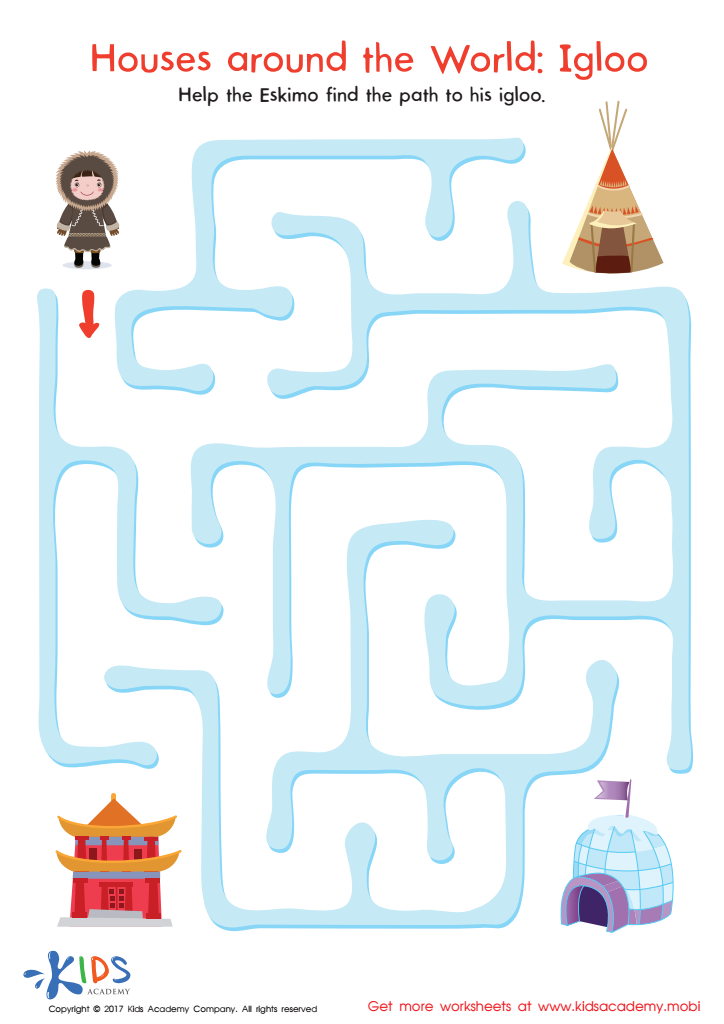
Houses Around the World: Igloo Printable






.jpg)

Cultural awareness in preschool is vital for several reasons, deeply impacting children's development and future interactions. First and foremost, early childhood is a formative stage where basic viewpoints and social skills are developed. Exposing children to diverse cultures at a young age fosters acceptance and appreciation for differences, which helps to curtail prejudice and encourages empathy and mutual respect.
In today's globalized world, cultural awareness equips children with the tools to navigate an increasingly interconnected society. It broadens their perspectives and enriches their learning experience. For instance, understanding a peer's cultural background can enhance cooperative play and communication skills, transforming the classroom into a more inclusive and harmonious environment.
Moreover, incorporating diverse cultural perspectives can enrich the curriculum, making learning more engaging and relevant. Children learn through stories, music, food, and traditions from various cultures, which can enhance language development and cognitive skills.
For parents and caregivers, fostering cultural awareness at home correlates well with these principles. It prepares children for future social interactions and academic pursuits, instilling values of inclusivity and understanding. Hence, prioritizing cultural awareness in preschool education lays a robust foundation for a more equitable, curious, and cohesive society.