Fine motor skills (writing) Preschool Worksheets - Page 2
35 filtered results
-
From - To
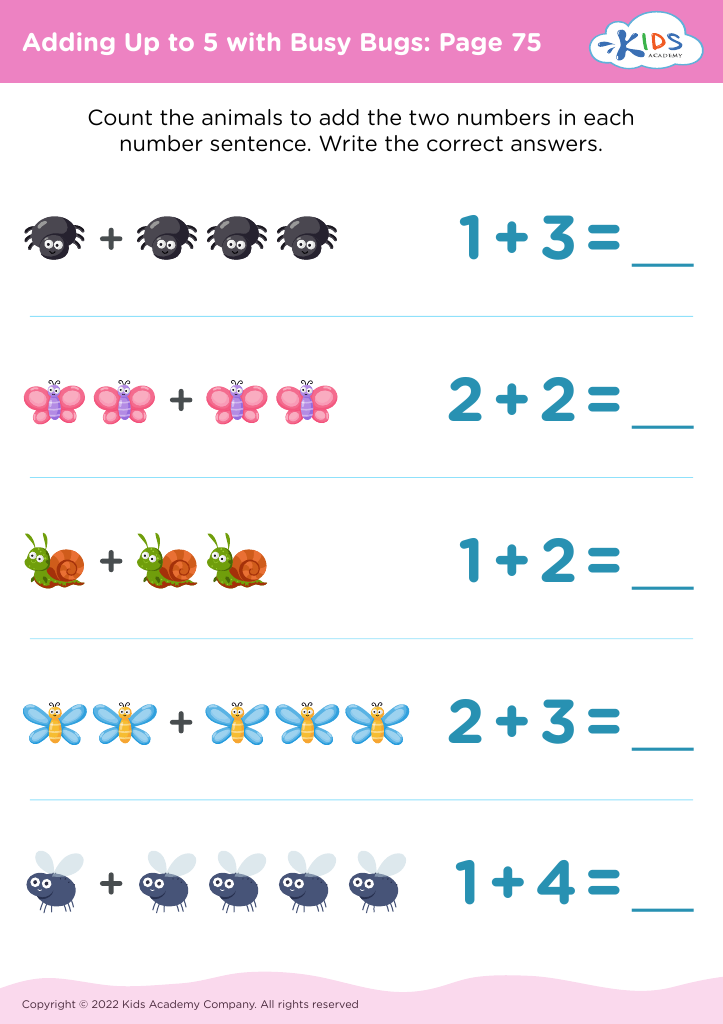
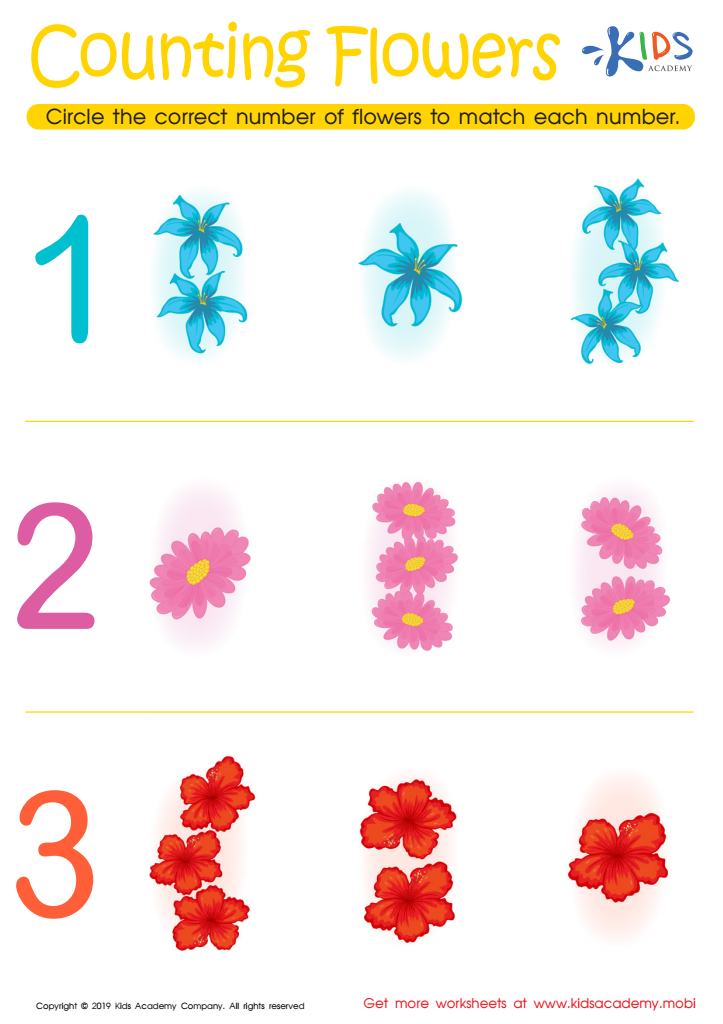
Counting Flowers Worksheet
 Assign to My Students
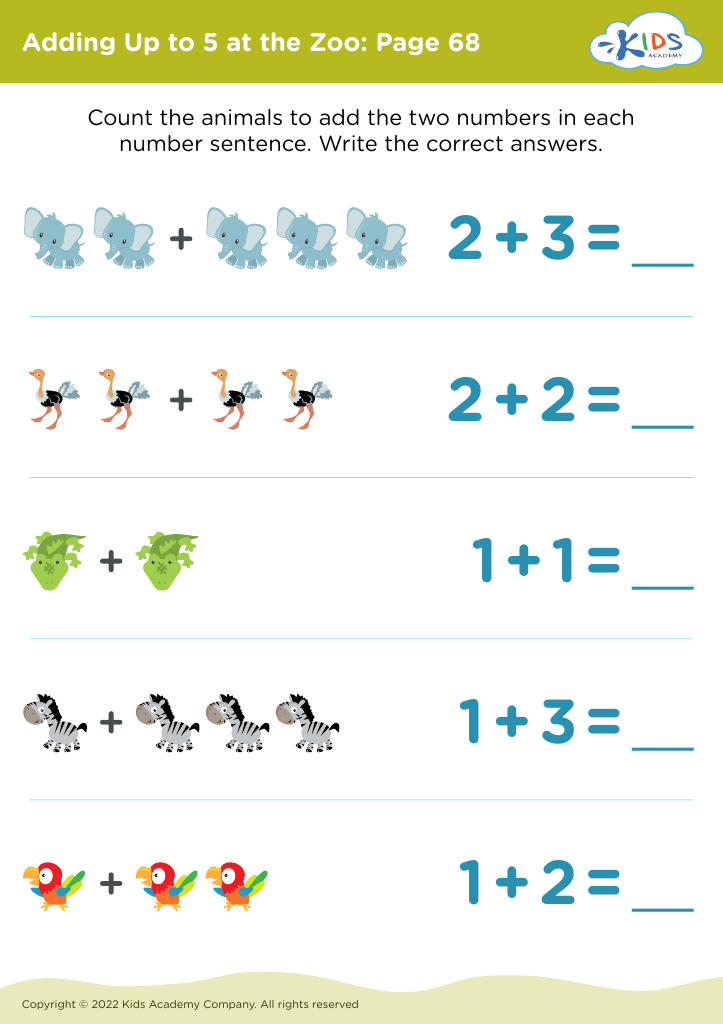
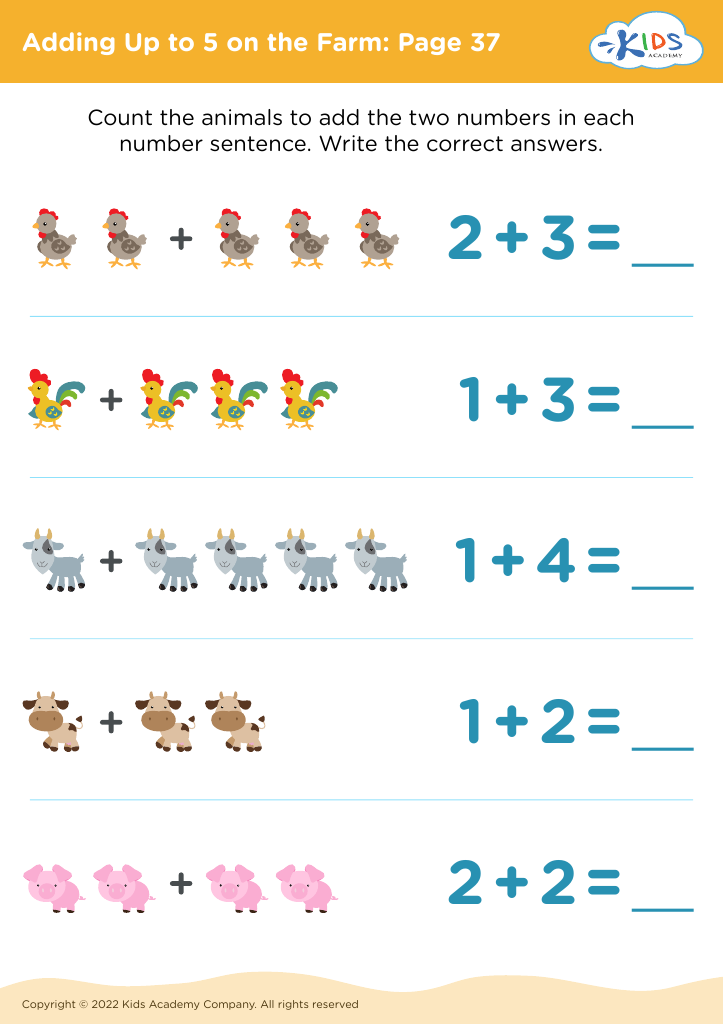
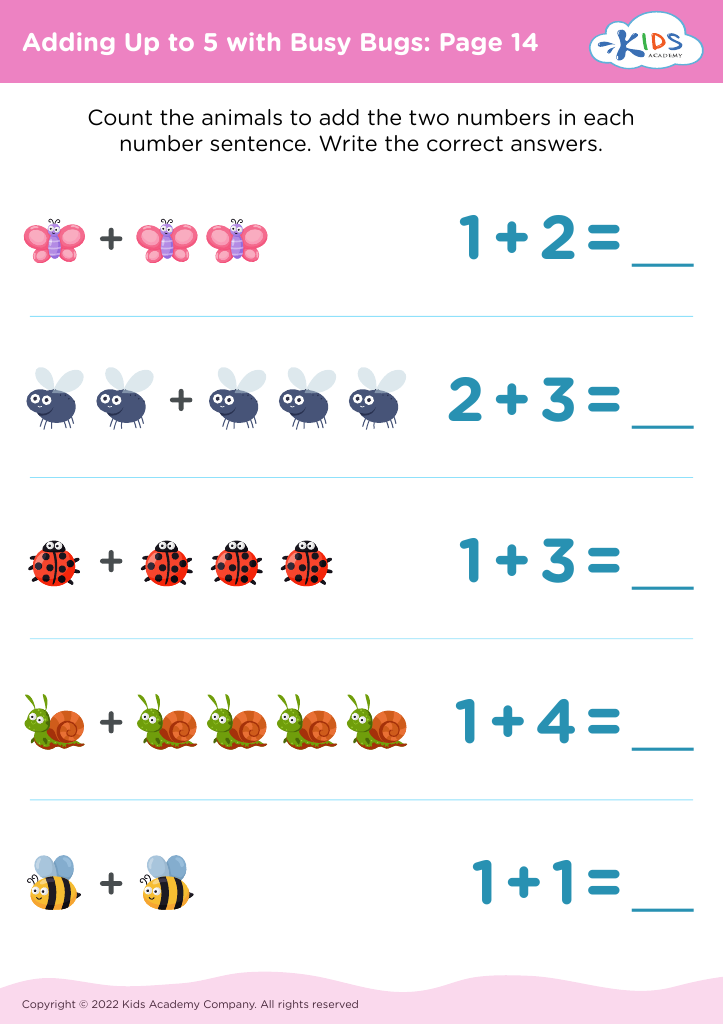
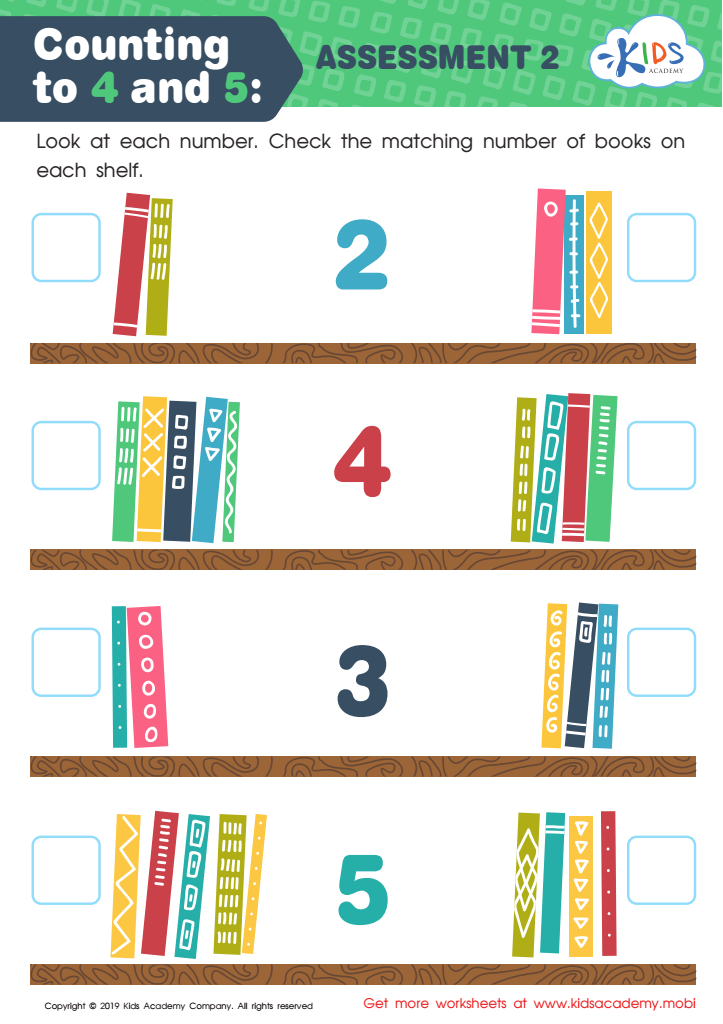
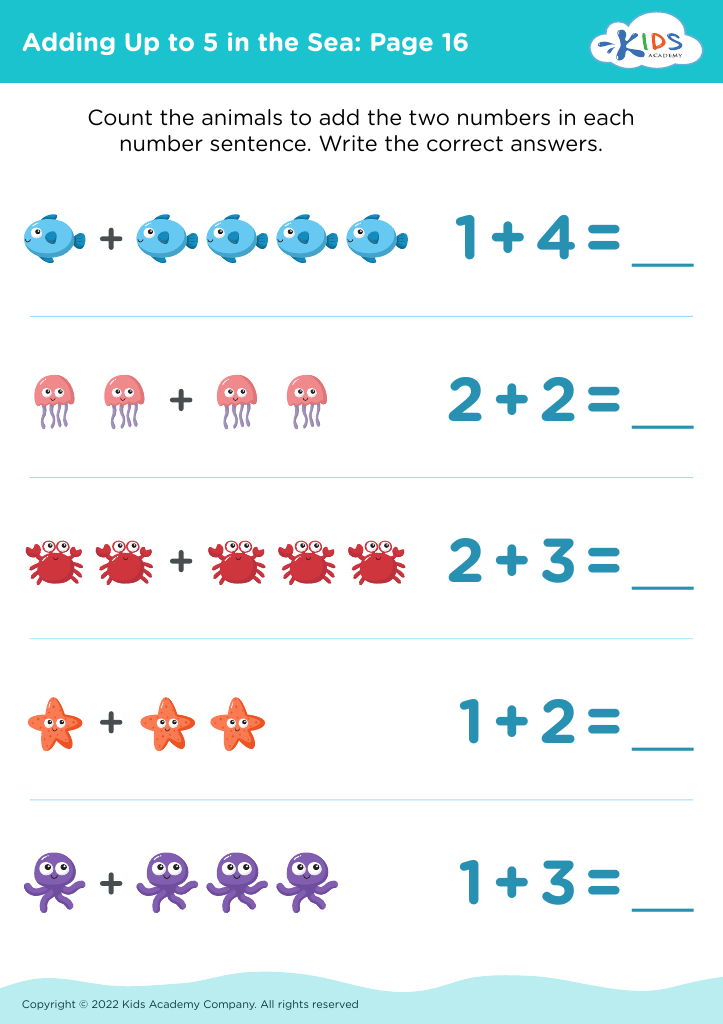
Counting to 4 and 5: Assessment 2 Worksheet
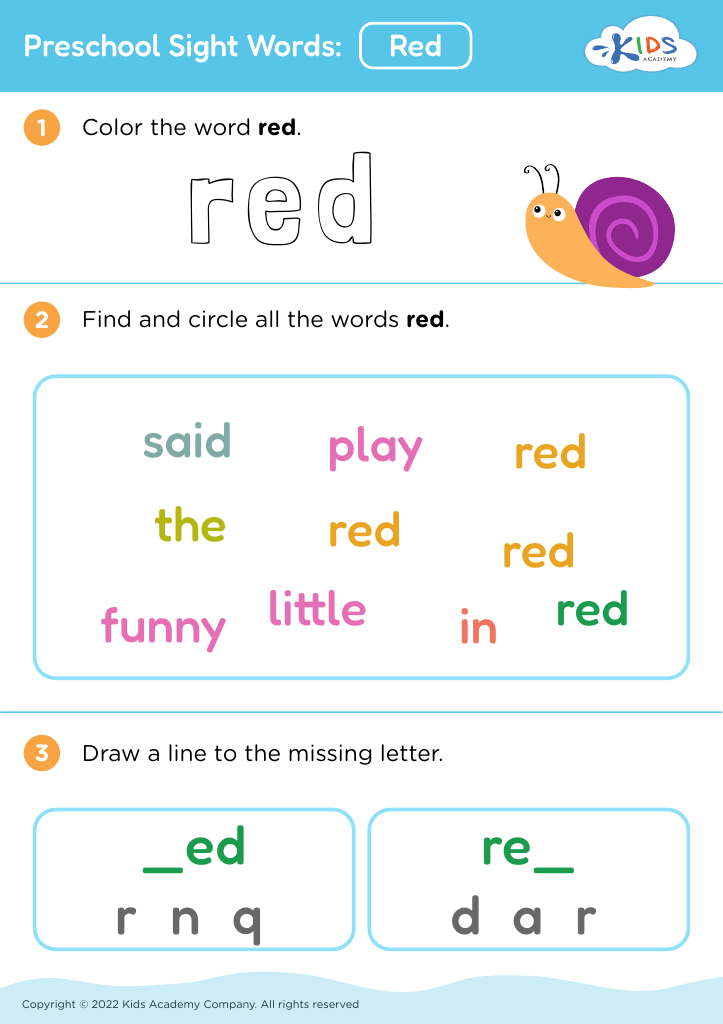


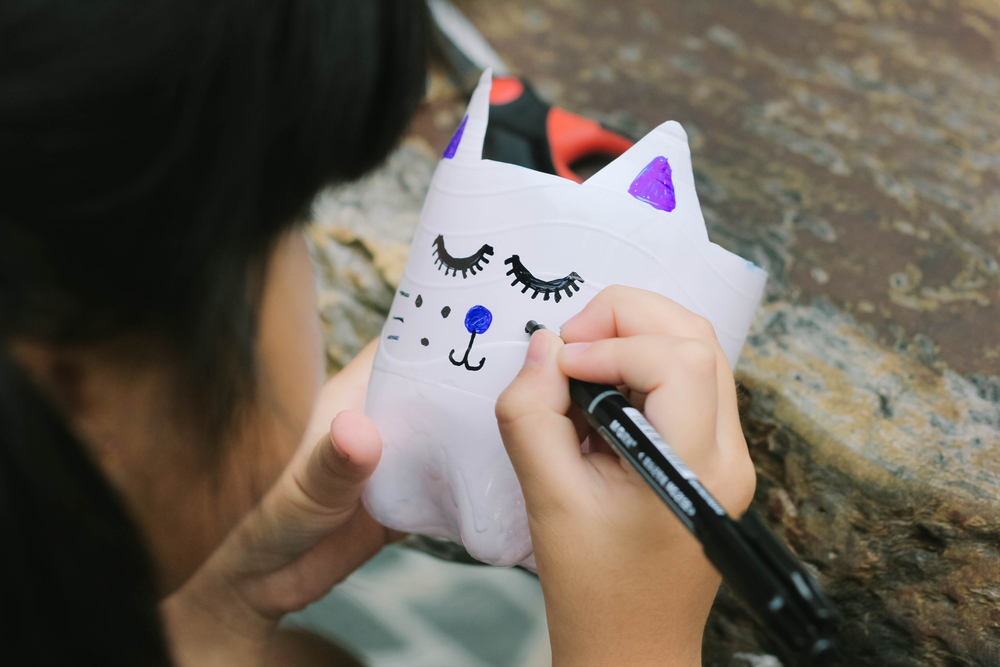





Parents and teachers should pay careful attention to developing fine motor skills in preschool children because these skills are fundamental for their overall academic and personal development. Fine motor skills, particularly writing, entail the coordination of small muscles in the hands and fingers, which are crucial for manipulating objects and performing tasks with precision. Strong fine motor skills enable children to write letters and numbers clearly, color within lines, cut with scissors, and complete puzzles. These abilities are foundational for academic success as they are directly linked to handwriting proficiency, which, in turn, supports reading and arithmetic skills.
Additionally, developing fine motor skills fosters independence and confidence in young children, resulting in better self-esteem and a positive attitude toward learning. Activities that enhance fine motor skills also contribute to cognitive development, encouraging problem-solving and critical thinking.
Teachers can incorporate playful activities, such as playdough manipulation, bead threading, and drawing, to strengthen these skills, while parents can support at home by engaging their children in similar activities. By giving attention to fine motor skill development, we lay a solid foundation for a child's future academic journey and daily life functionality, ultimately leading to well-rounded growth and development.