Object identification Preschool Worksheets
5 filtered results
Difficulty Level
Grade
Age
-
From - To
Subject
Activity
Standards
Discover our engaging Object Identification Preschool Worksheets, designed to spark curiosity and enhance learning in young children. These printable activities focus on helping preschoolers recognize and name everyday objects, promoting vocabulary development and cognitive skills. With colorful images and interactive tasks, these worksheets make learning fun and effective. Perfect for home or classroom use, they encourage independent exploration while building essential foundational skills. Parents and educators will appreciate the easy-to-use format and the ability to track progress. Start your child’s educational journey today with our Object Identification worksheets and watch their confidence soar as they identify and learn about the world around them!
Favorites
With answer key
Interactive
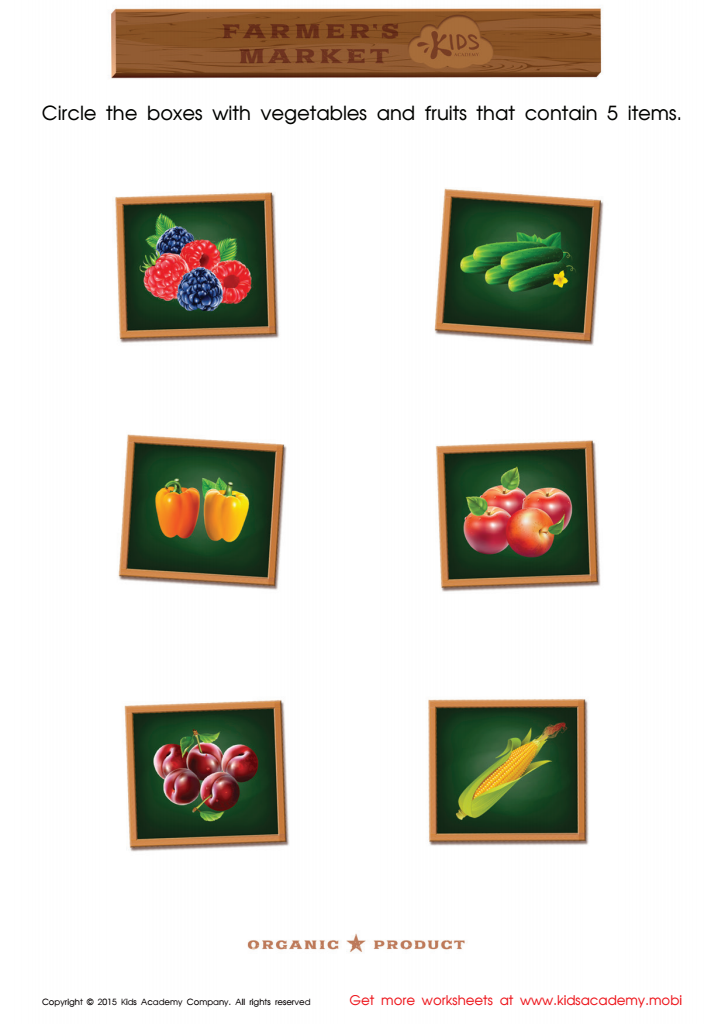
Count and Match Vegetables 1 – 7 Math Worksheet
Print this bright math worksheet from Kids Academy and give your child a fun way to enhance their counting skills. Based on Singapore Math, the colourful pictures make it easy for children to comprehend math. Get additional free worksheets here!
Count and Match Vegetables 1 – 7 Math Worksheet
Worksheet
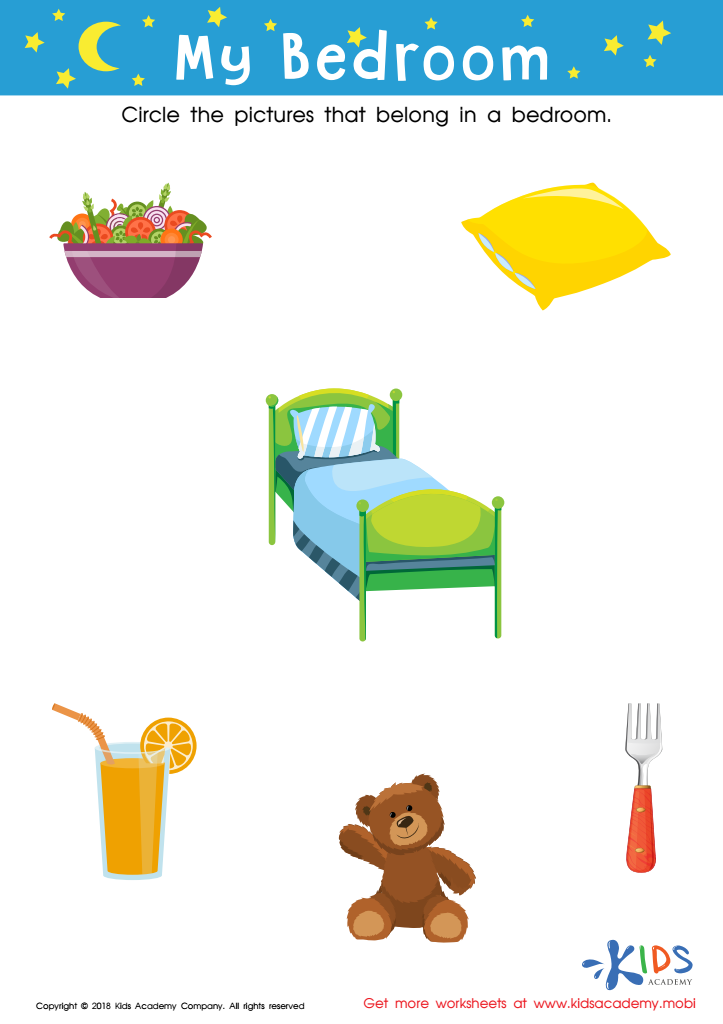
My Bedroom Worksheet
Your child's room is their special space, where only a few are allowed in. You may have let them choose some special decorations, like wall stickers and toys. This exercise will be easy for your child, as they know their bedroom well. Ask them to circle the pictures that belong in a bedroom.
My Bedroom Worksheet
Worksheet
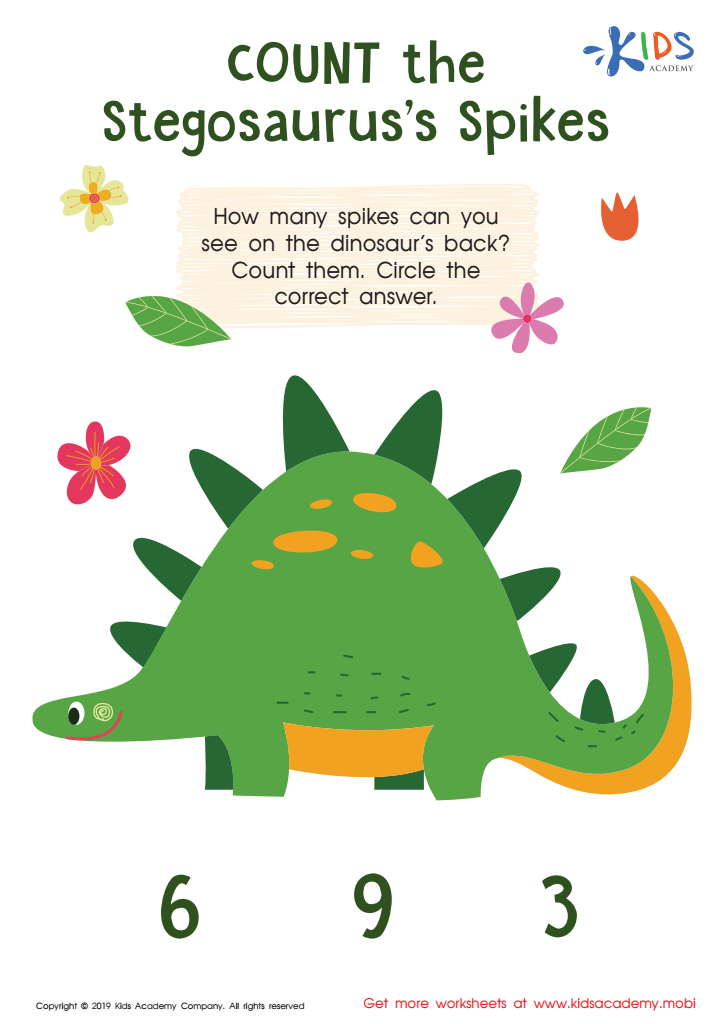
Count the Stegosaurus's Spikes Worksheet
Dinosaurs walked the earth long before humans, meaning no contact was made before they became extinct. Scientists have used research and diggings to find out about these animals, even giving them names. In this worksheet, help your students count the spikes on the stegosaurus and circle the correct answer.
Count the Stegosaurus's Spikes Worksheet
Worksheet
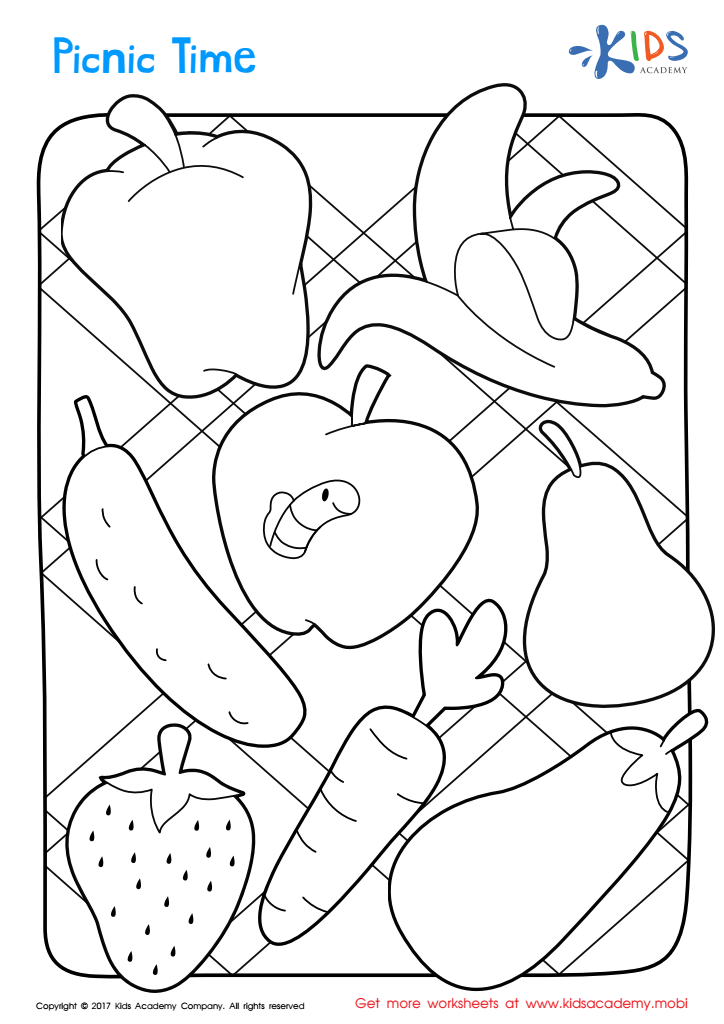
Picnic Time Coloring Page
Bringing juicy fruits and veggies to a picnic is ideal. With this Picnic Time coloring page, kids can get excited for a tasty outdoor meal. Discuss the different fruits and veggies while coloring for a fun and healthy activity!
Download (PDF)
 Assign to My Students
Assign to My Students
Picnic Time Coloring Page
Worksheet
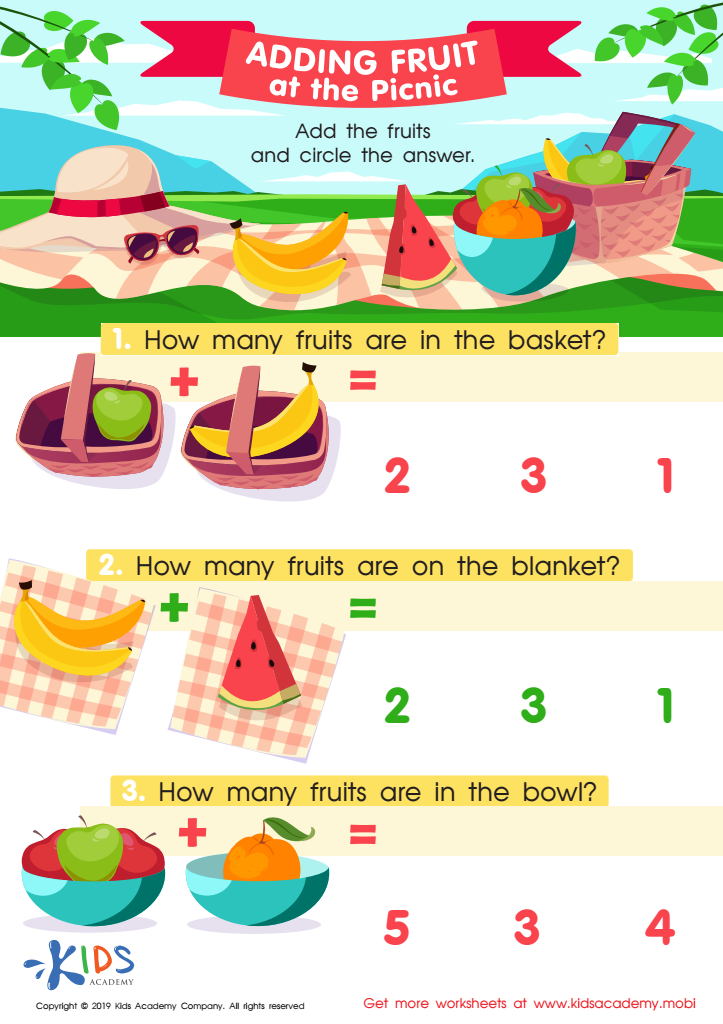
Adding Fruit at the Picnic Worksheet
Picnics are a great way for the family to enjoy a fun day in the sun! Get your kids involved by having them help load the picnic basket and do this worksheet to practice their math skills while they get ready. Identify the fruits in the picture, add them up, and circle the correct answer.
Adding Fruit at the Picnic Worksheet
Worksheet
Join Kids Academy for Free
Who is primarily going to use this learning content?







Object identification in preschool is crucial for children's cognitive and linguistic development. This foundational skill helps young learners recognize, name, and categorize different objects in their environment. When parents and teachers prioritize object identification, they lay the groundwork for essential skills that extend beyond early education.
Firstly, mastering object identification enhances vocabulary. As children learn to identify and name objects, they expand their language skills, enabling them to communicate more effectively. This is significant as strong linguistic abilities contribute to reading readiness and overall academic success later on.
Secondly, object identification fosters critical thinking and problem-solving skills. It encourages children to observe their surroundings, think logically, and make connections between various concepts. These skills are vital across all subjects and daily life.
Lastly, engagement in activities centered around object identification promotes social interaction among peers. Group activities often involve sharing discoveries, thus building teamwork and cooperation skills.
In summary, parents and teachers should care about object identification because it nurtures language development, enhances cognitive abilities, and encourages social skills. Investing in these areas sets a strong foundation for lifelong learning and development, benefiting children's future educational pathways.