Hand-eye Coordination Preschool Logic and Early Math Worksheets
3 filtered results
-
From - To
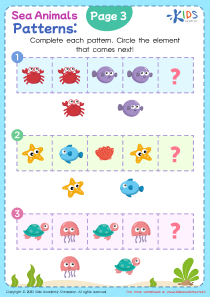
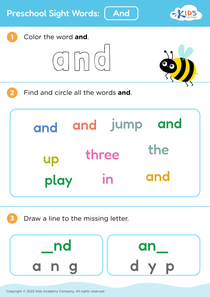
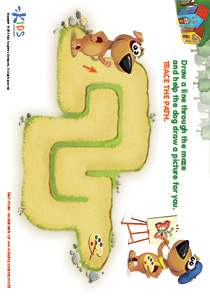
Boost your child's development with our "Hand-eye Coordination Preschool Logic and Early Math Worksheets." Designed for preschoolers, these engaging activities enhance fine motor skills, logical thinking, and foundational math concepts. Through fun, interactive exercises, children improve their ability to coordinate visual input with hand movements, crucial for tasks like writing and daily activities. Perfect for home or classroom use, these worksheets offer a balanced mix of challenges to keep young minds stimulated and eager to learn. Start building essential skills early with our comprehensive, educator-crafted resources that support lifelong success. Explore now and watch your little one thrive!
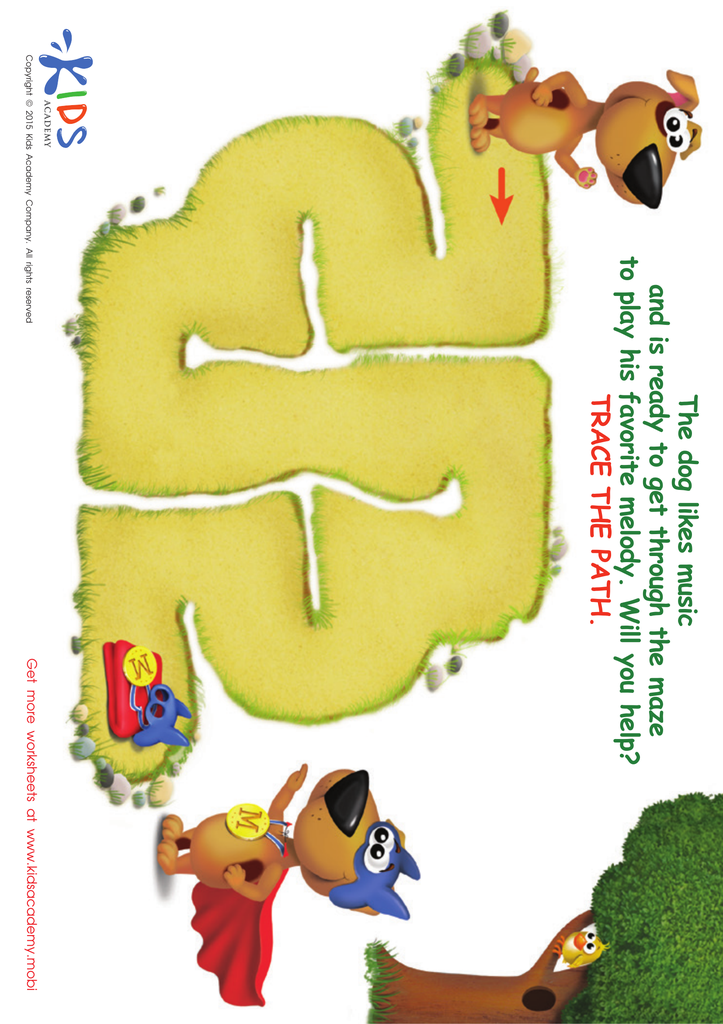
Superman Maze Worksheet
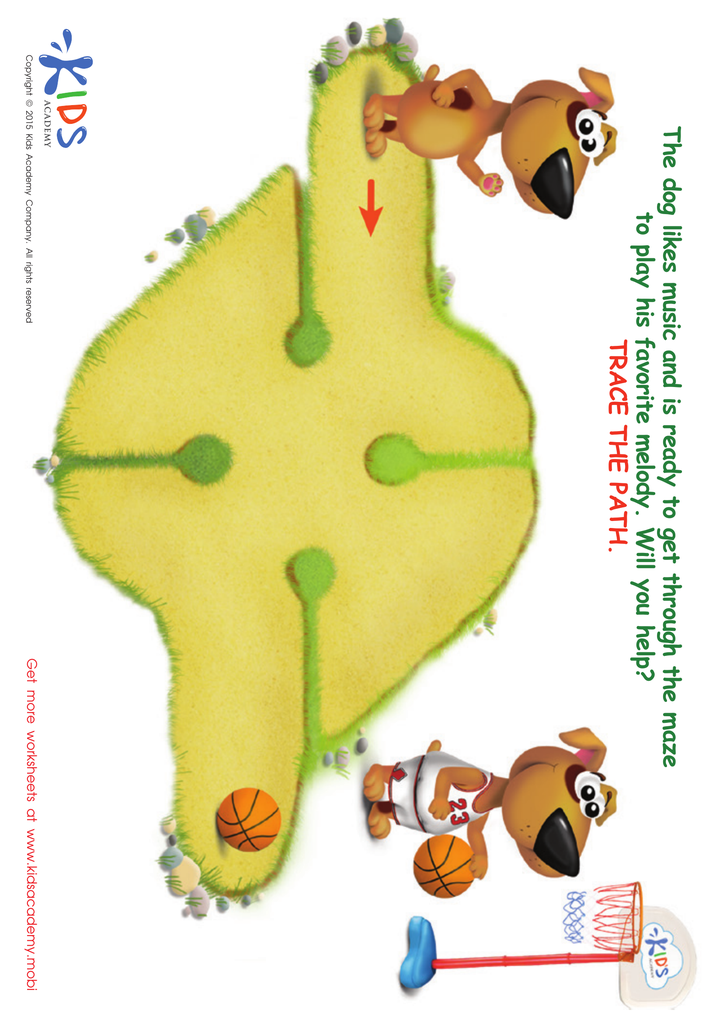
Basketball Player Maze Worksheet
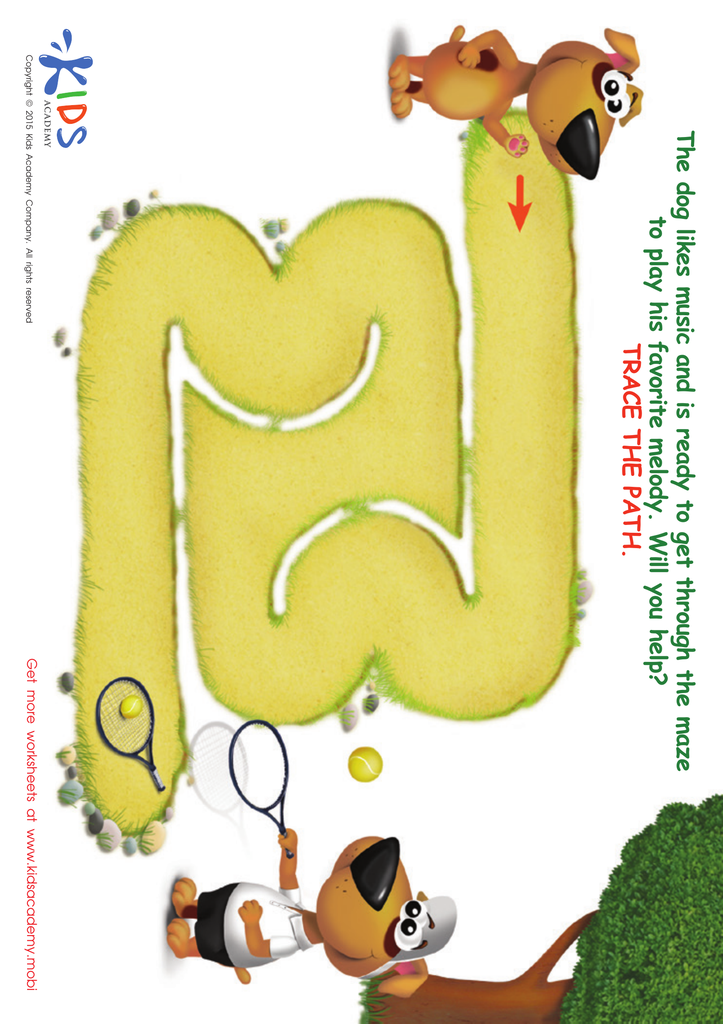
Tennis Player Maze Worksheet





Hand-eye coordination, preschool logic, and early math skills are foundational for a child's overall development and future academic success. Hand-eye coordination involves the synchronization of visual input with hand movement, and it is crucial for performing various daily tasks, from tying shoelaces to writing and playing sports. Parents and teachers should focus on nurturing this coordination in preschool because it helps children develop fine motor skills, which are critical for writing, using tools, and participating in classroom activities.
Preschool logic is equally important as it underpins a child's ability to process information, solve problems, and think critically. Introducing logic puzzles and activities at an early age fosters cognitive development and prepares children for more complex thought processes required in higher grades. It strengthens their reasoning abilities and boosts their confidence when faced with challenges.
Early math skills form the building blocks for later academic achievement in a range of subjects. Learning numbers, patterns, shapes, and basic arithmetic in preschool sets the stage for a strong mathematical foundation, necessary for more advanced concepts. Early exposure to math encourages a positive attitude towards the subject, reducing anxiety and establishing mathematics as an integral, enjoyable part of life.
Together, these skills ensure the development of a well-rounded, competent child, ready to tackle academic, physical, and social challenges with confidence and competence. Therefore, parents and teachers have a pivotal role in fostering these critical early childhood competencies.