Problem-Solving Skills Preschool Addition and Subtraction Word Problems Worksheets - Page 2
33 filtered results
-
From - To
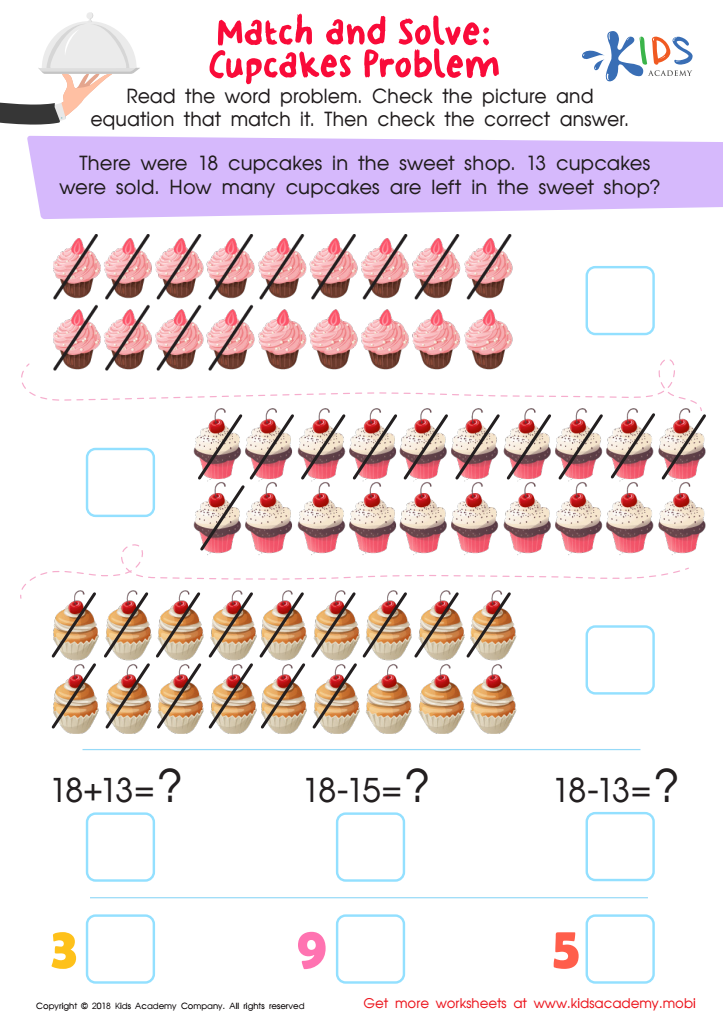
Match and Solve: Cupcakes Problem Worksheet
 Assign to My Students
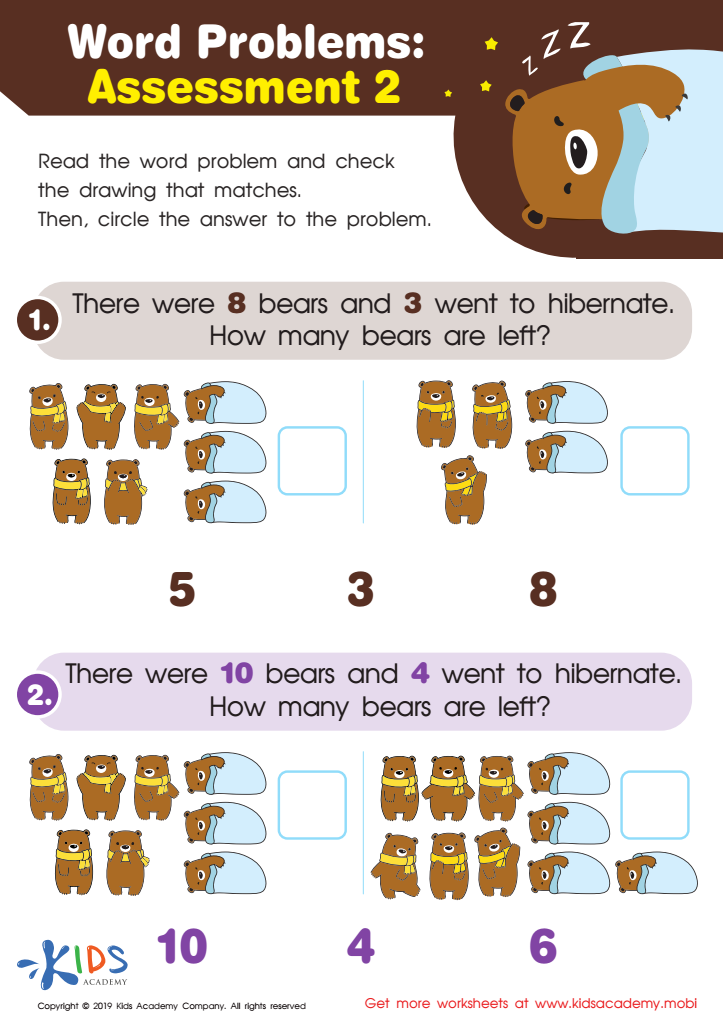
Word Problems: Assessment 2 Worksheet
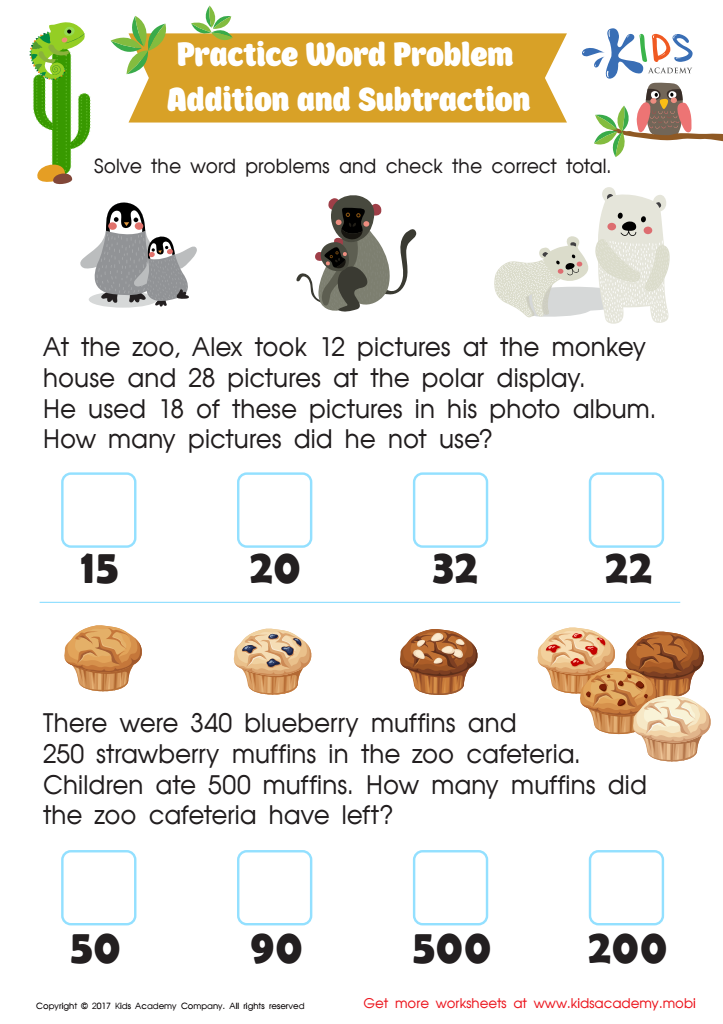
Addition and Subtraction: Word Problems Worksheet
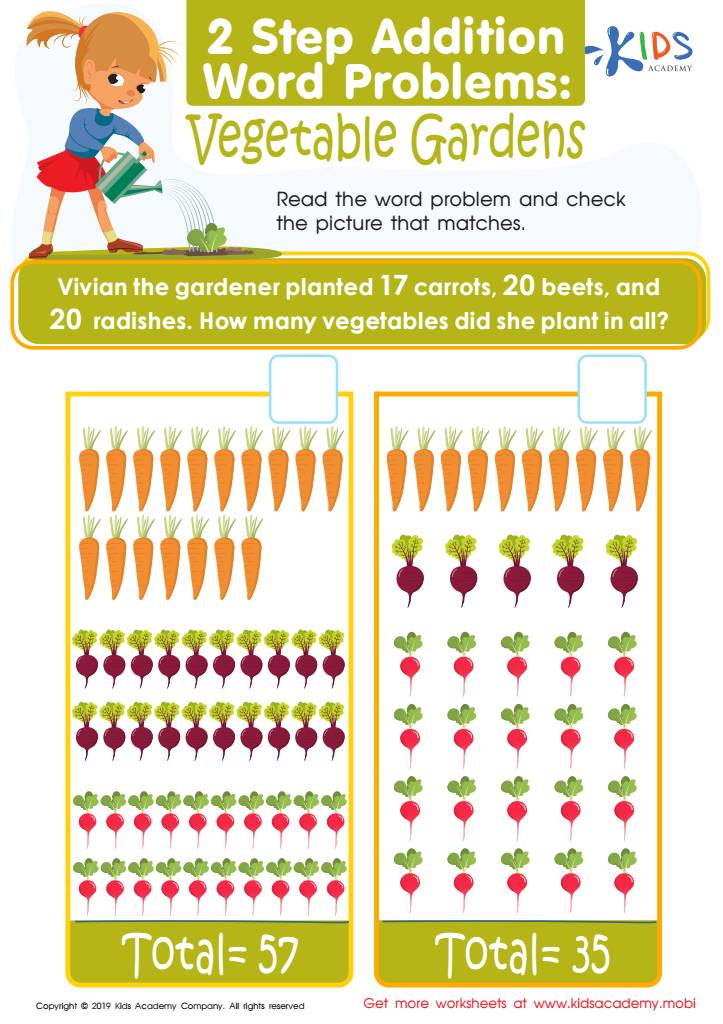
Vegetable Gardens Worksheet
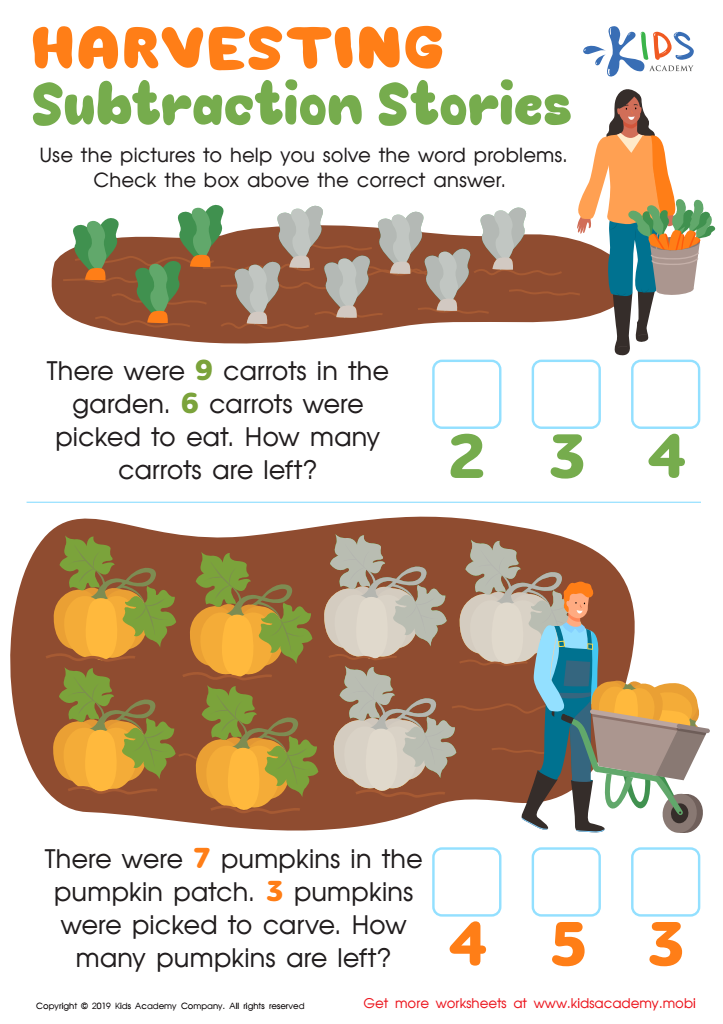
Harvesting Subtraction Stories Worksheet
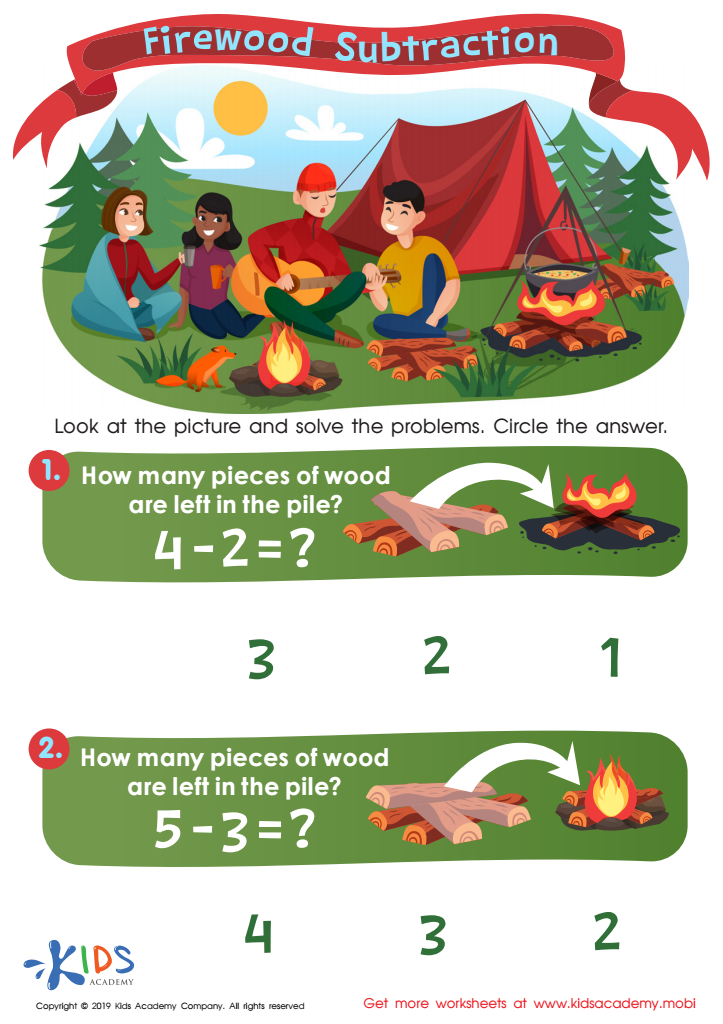
Firewood Subtraction Worksheet
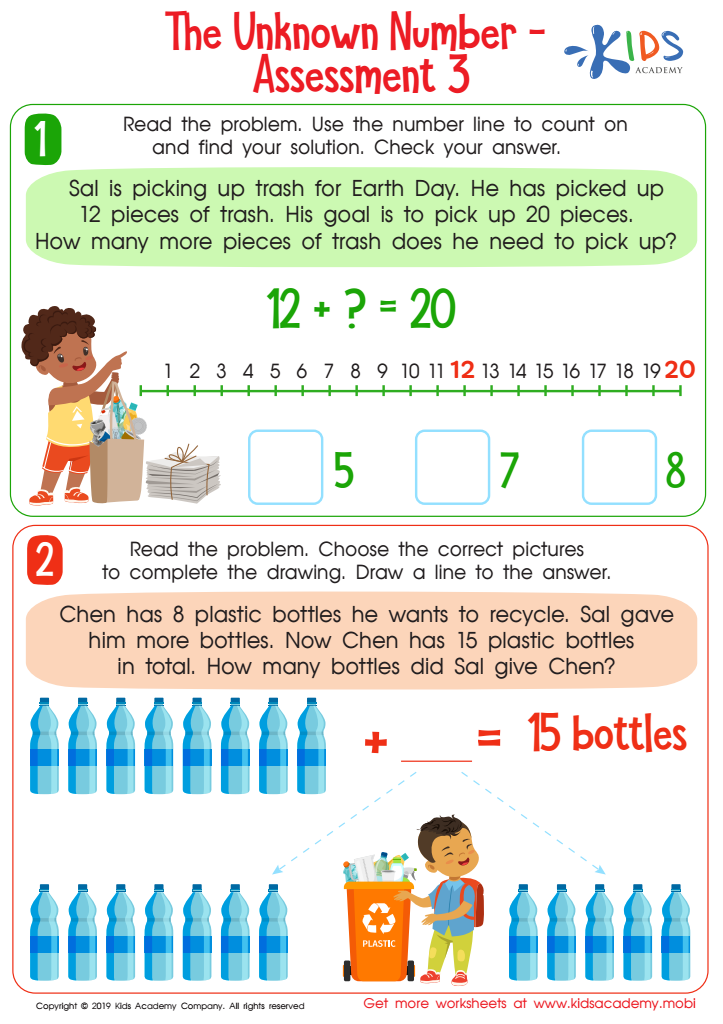
The Unknown Number - Assessment 3 Worksheet
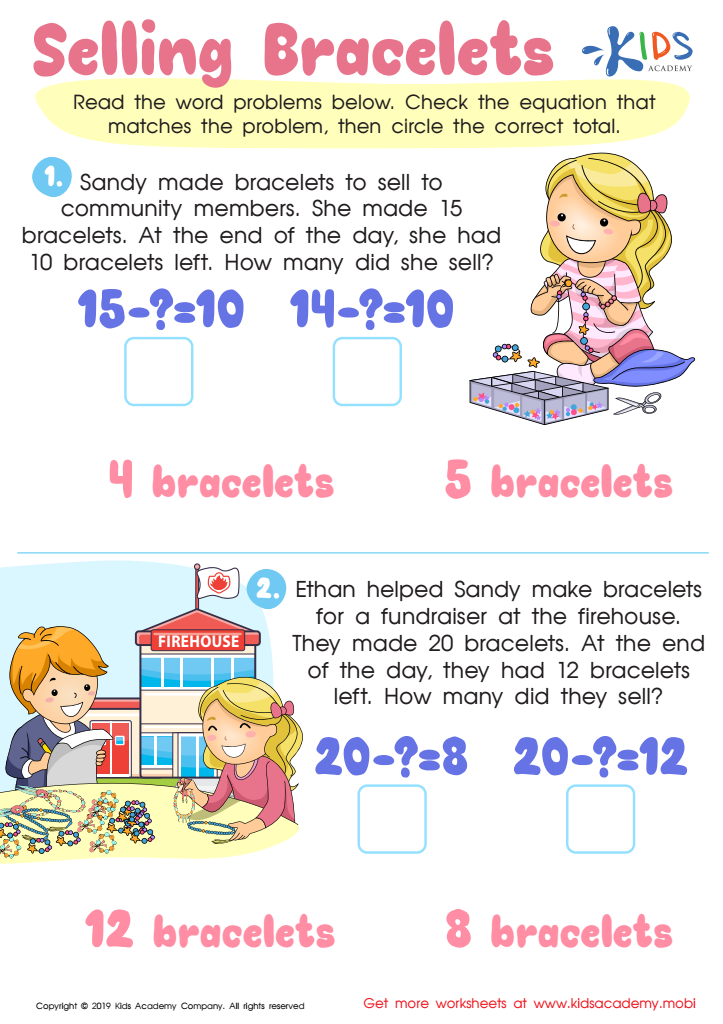
Selling the Bracelets Worksheet
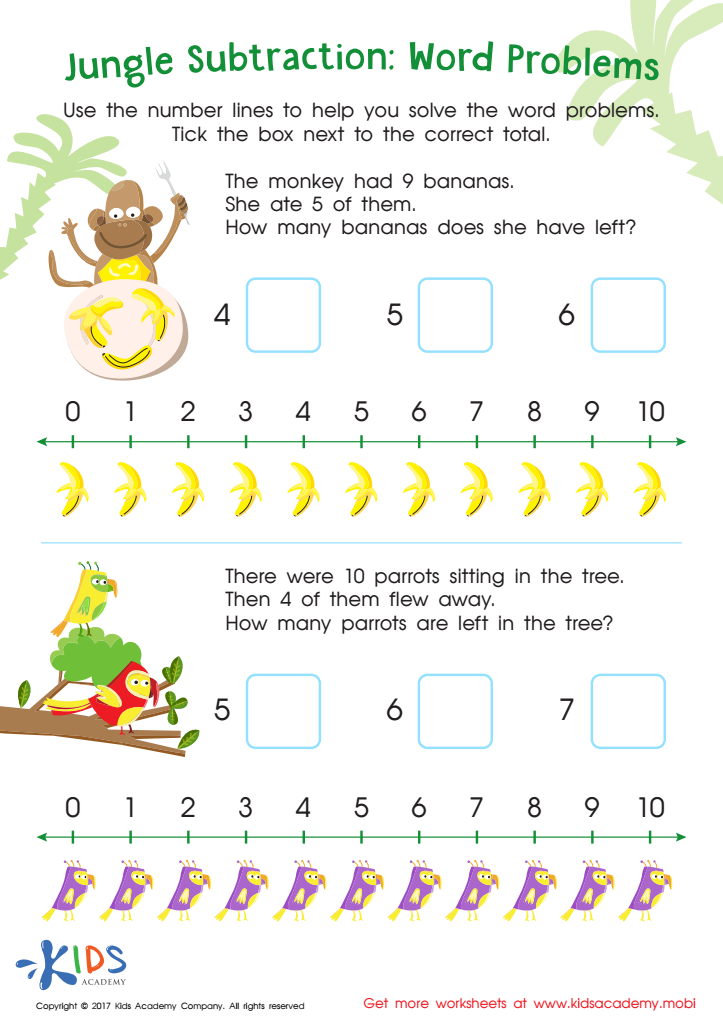
Jungle Subtraction Word Problems Substraction Worksheet







Parents and teachers should prioritize problem-solving skills in preschool addition and subtraction word problems for several vital reasons. First, these skills are foundational to mathematical learning. By engaging with word problems, young learners develop critical thinking and the ability to decipher problems in a systematic way. This lays the groundwork for future mathematical concepts and challenges.
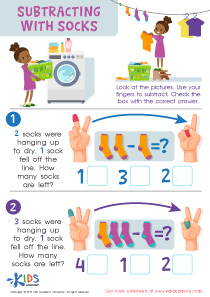
Additionally, word problems require children to relate math to real-life situations. This contextual learning makes math more tangible for preschoolers, helping them understand its relevance in daily activities. For instance, when asked how many apples are left after eating one, children visualize the scenario, aiding comprehension.
Problem-solving also fosters resilience and perseverance. As children tackle word problems, they learn to face challenges and find solutions, which are essential life skills.
Moreover, practicing these skills enhances language development and vocabulary as children verbalize their thought processes and understand terminology related to addition, subtraction, and quantitative reasoning.
Ultimately, focusing on preschool word problems cultivates a love for learning and equips children with the necessary tools for lifelong academic success and problem-solving capabilities, extending beyond mathematics into various disciplines and everyday situations.