Filters

241 filtered results

Clear all filters
Favorites
With answer key
Interactive

241 filtered results

Difficulty Level

Grade


Check out this FREE Preschool Trial Lesson on Addition & Subtraction!

X

Favorites
With answer key
Interactive
  • Preschool
  • Counting practice
  • Addition & Subtraction
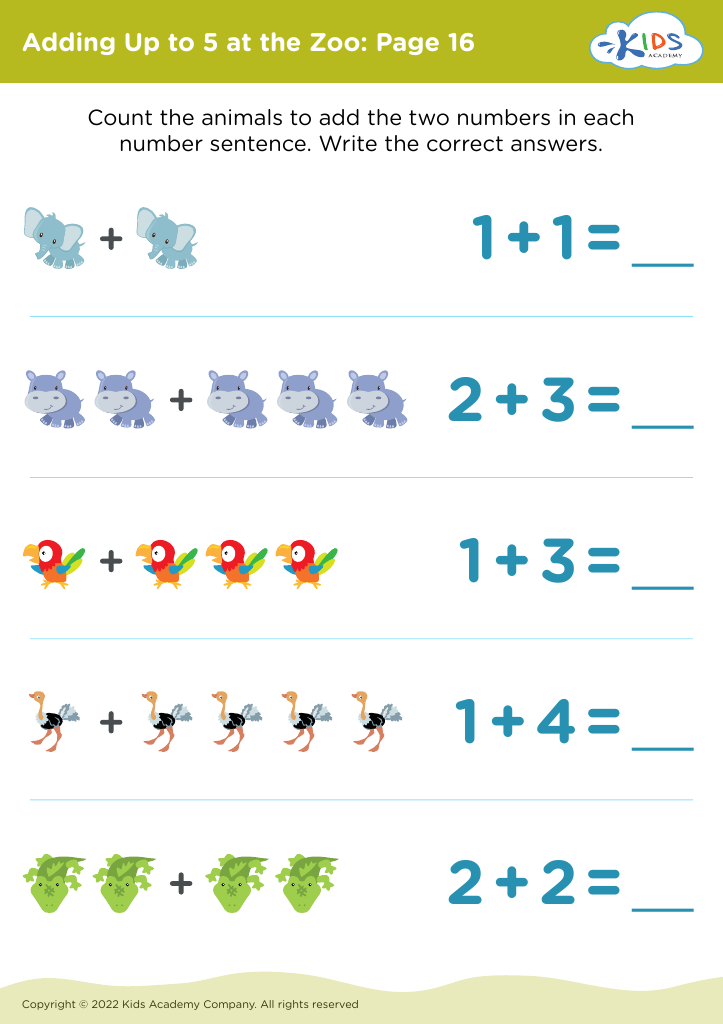
Adding Up to 5 at the Zoo: Page 16
Worksheet
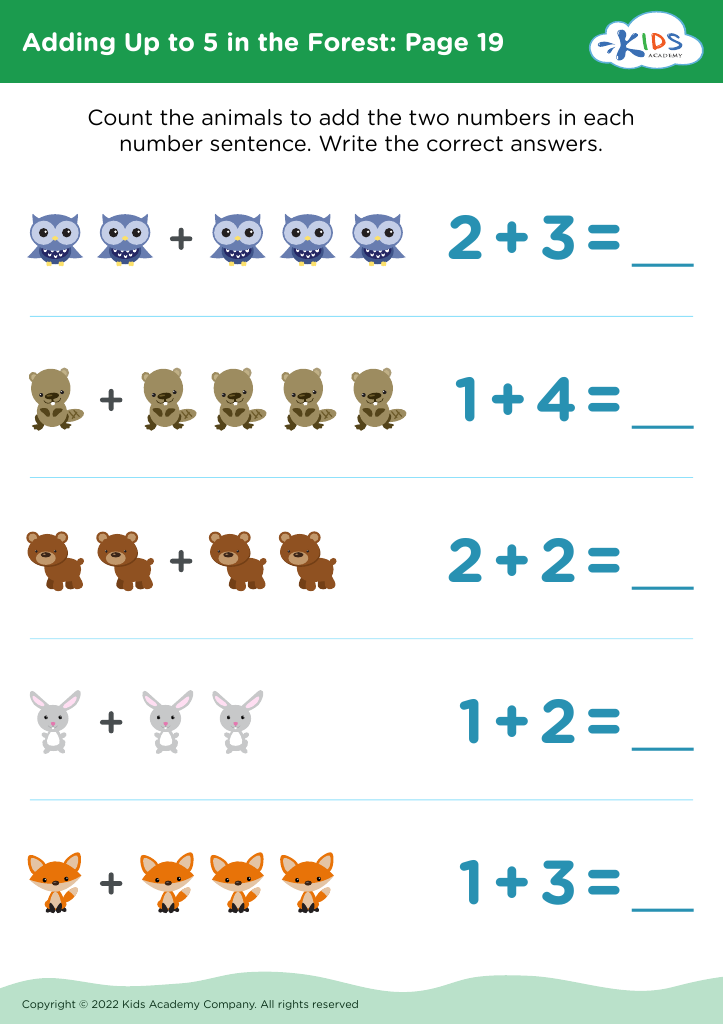
Adding Up to 5 in the Forest: Page 19
Worksheet
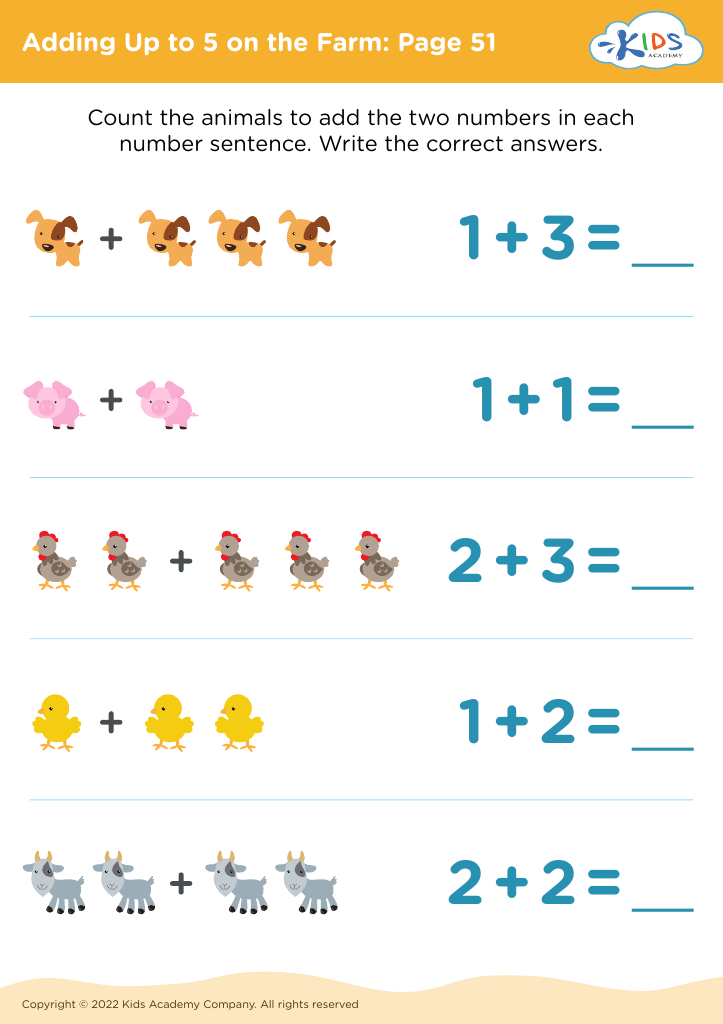
Adding Up to 5 on the Farm: Page 51
Worksheet
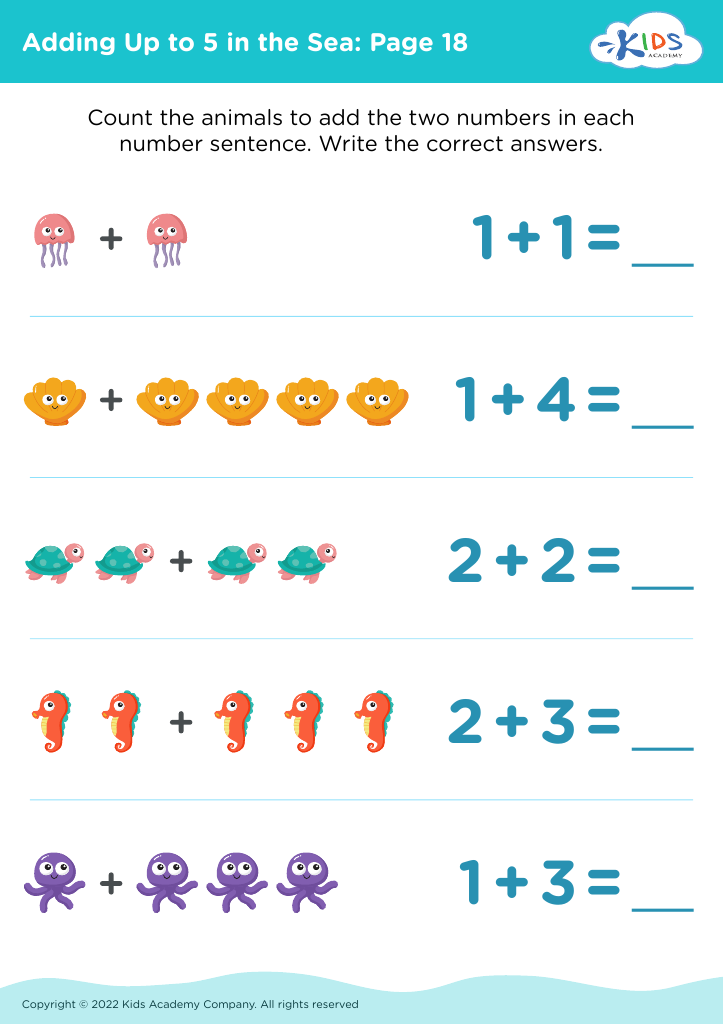
Adding Up to 5 in the Sea: Page 18
Worksheet
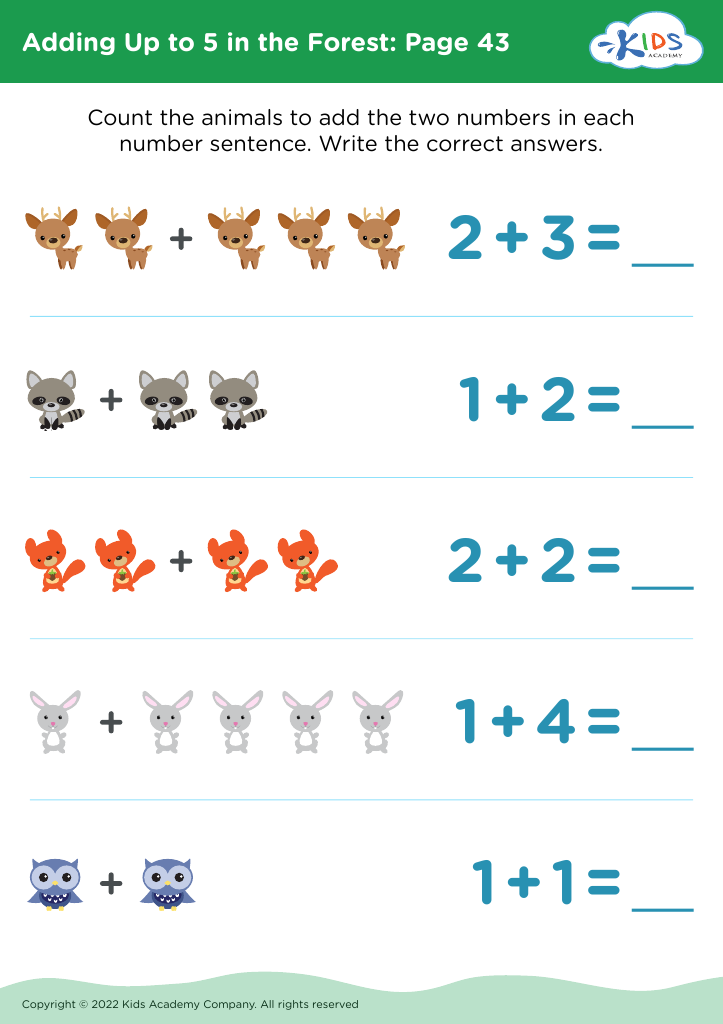
Adding Up to 5 in the Forest: Page 43
Worksheet
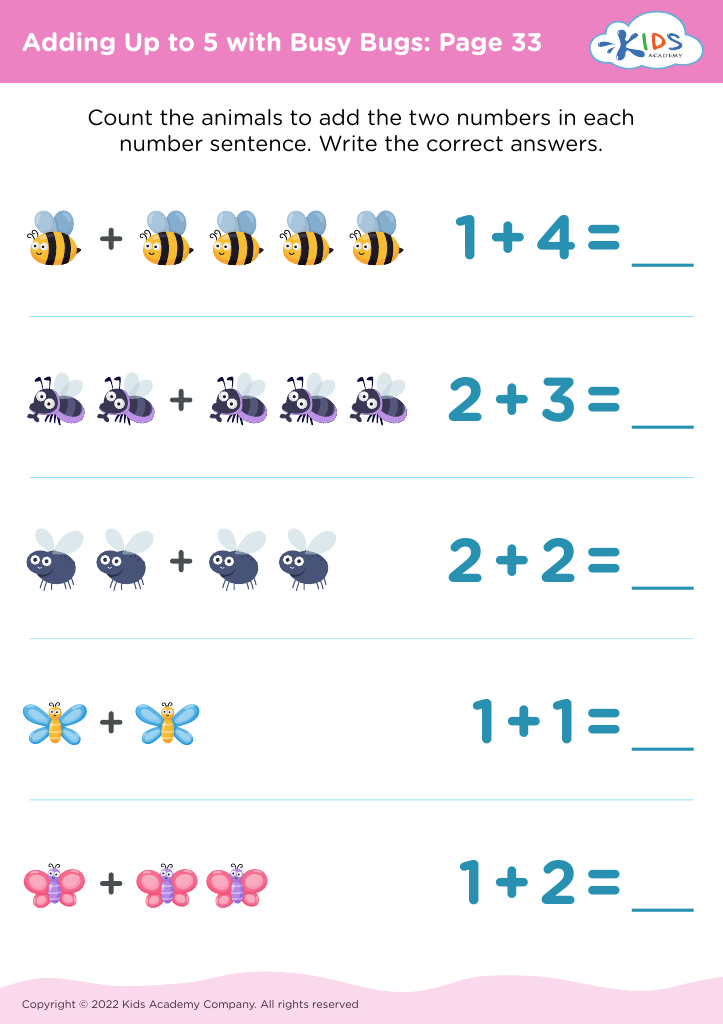
Adding Up to 5 with Busy Bugs: Page 33
Worksheet
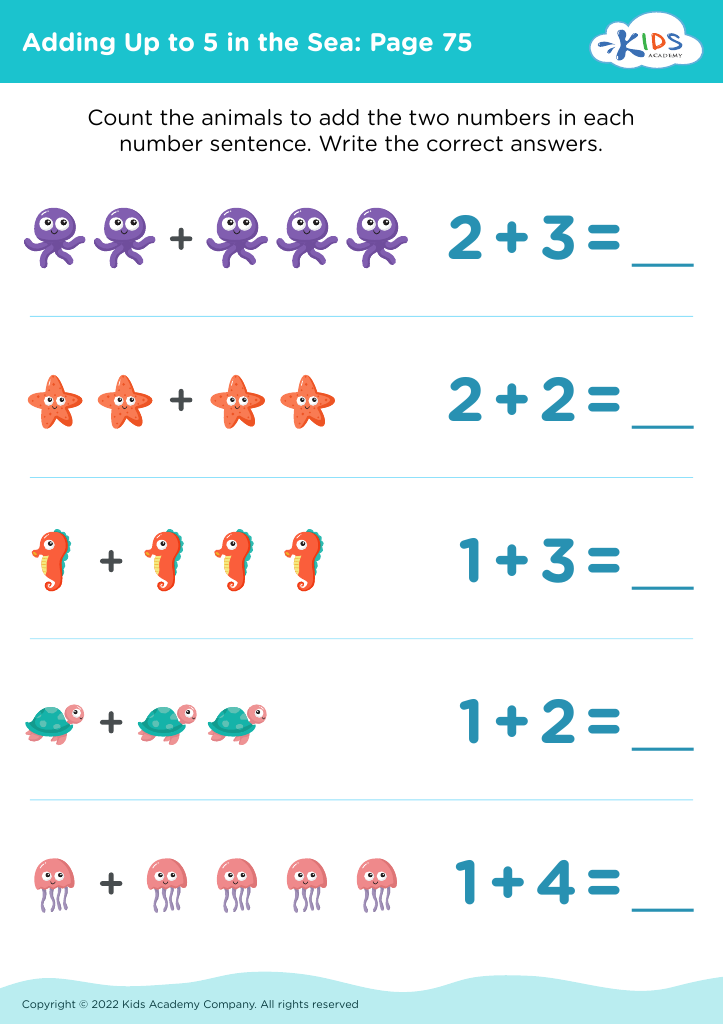
Adding Up to 5 in the Sea: Page 75
Worksheet
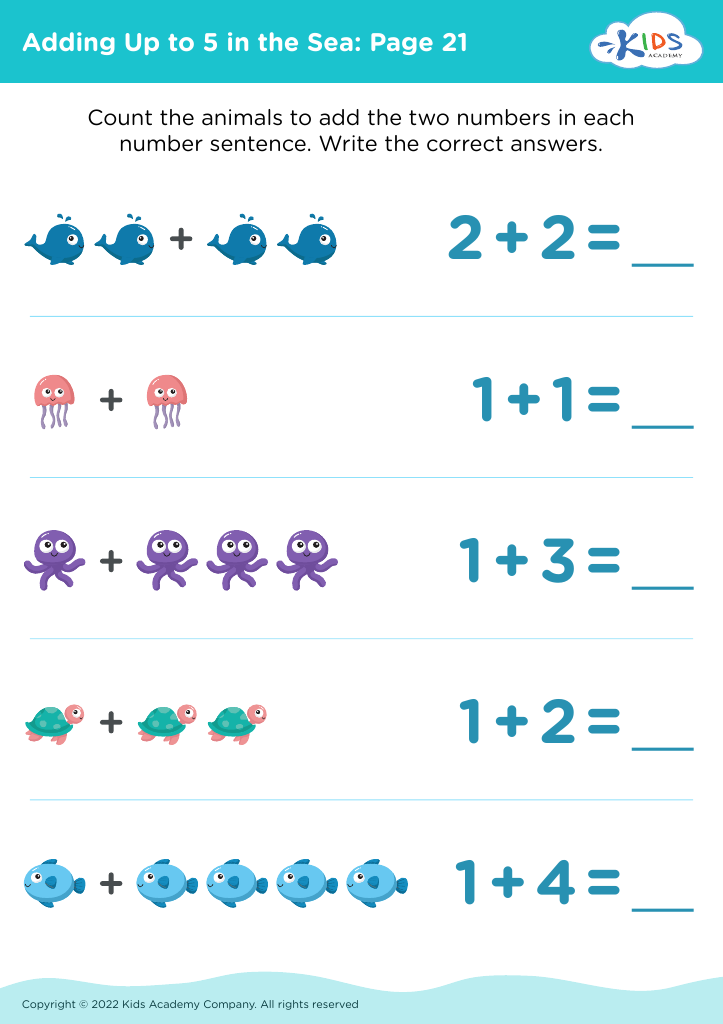
Adding Up to 5 in the Sea: Page 21
Worksheet
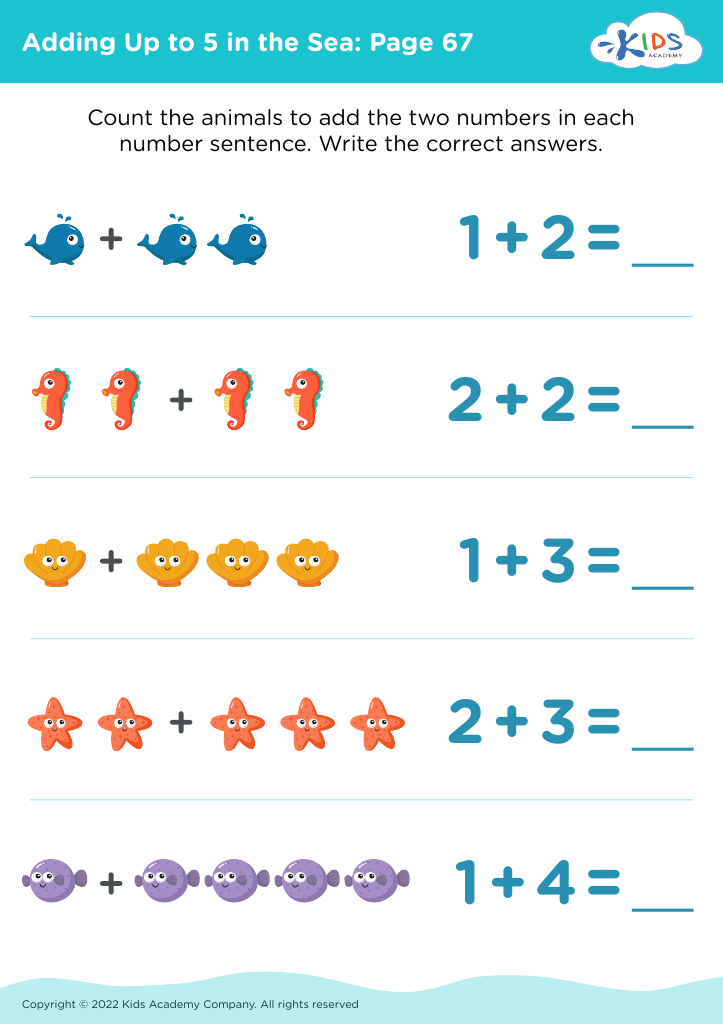
Adding Up to 5 in the Sea: Page 67
Worksheet
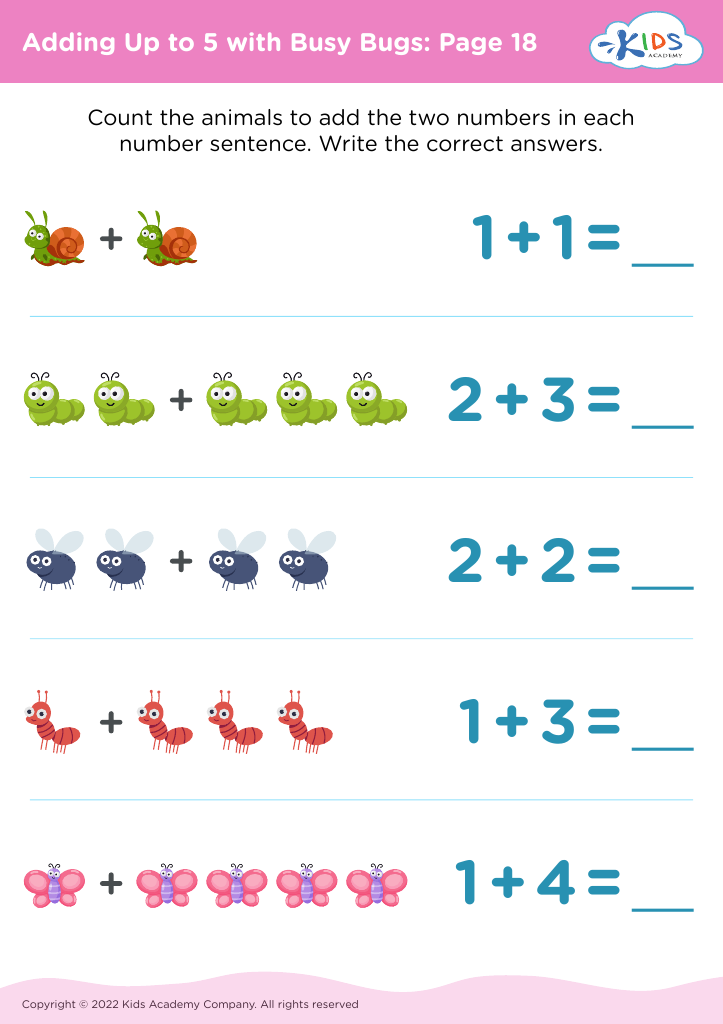
Adding Up to 5 with Busy Bugs: Page 18
Worksheet
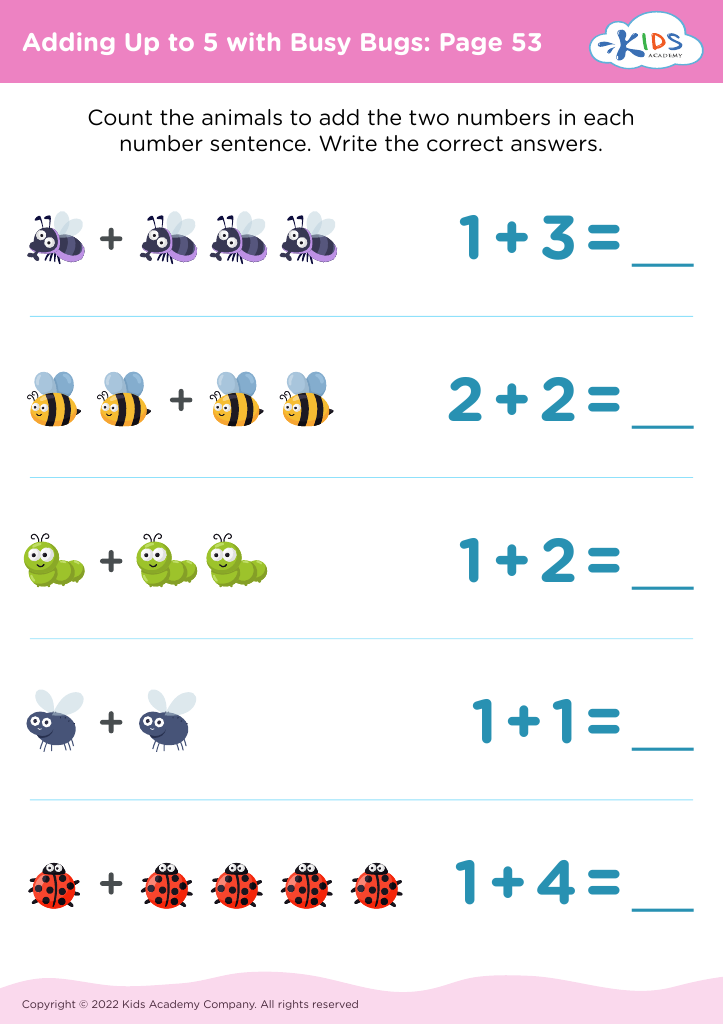
Adding Up to 5 with Busy Bugs: Page 53
Worksheet
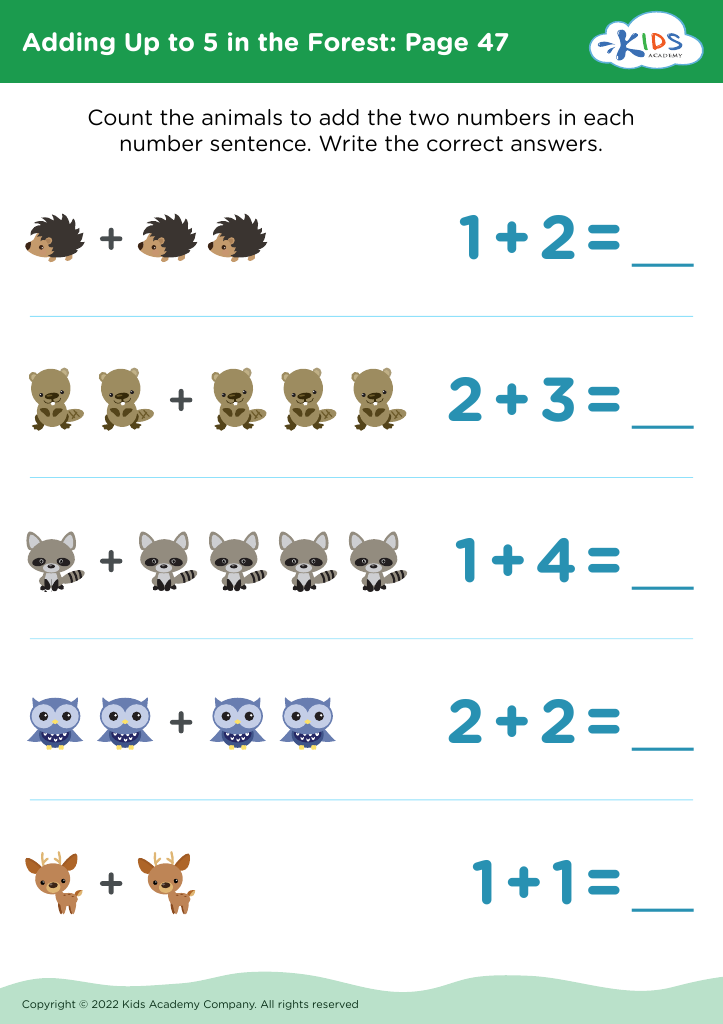
Adding Up to 5 in the Forest: Page 47
Worksheet
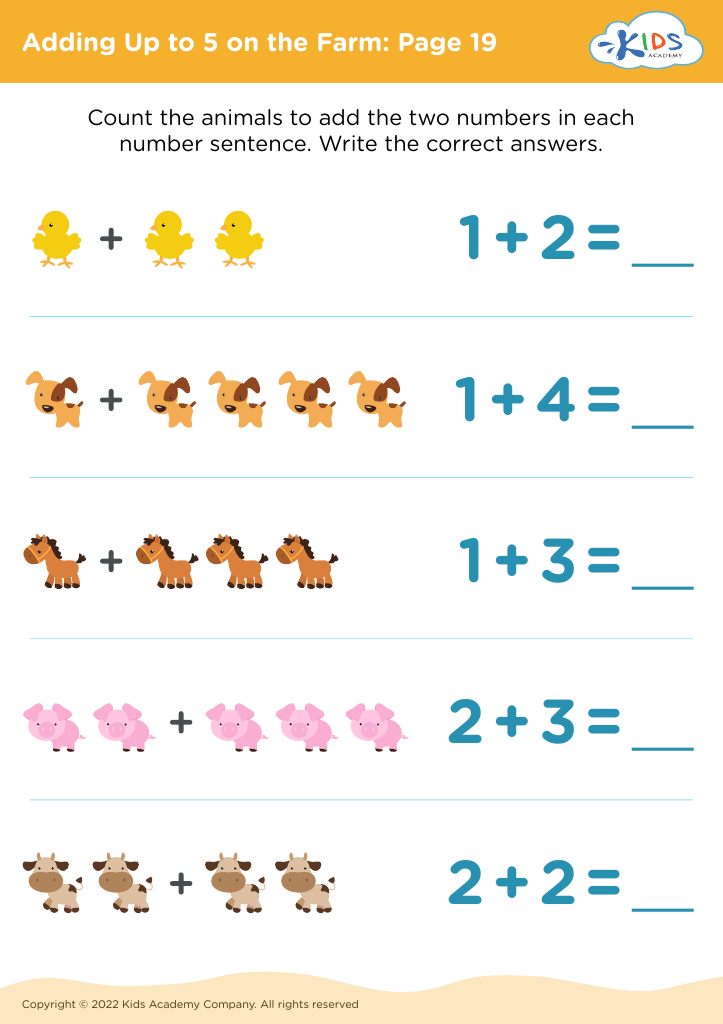
Adding Up to 5 on the Farm: Page 19
Worksheet
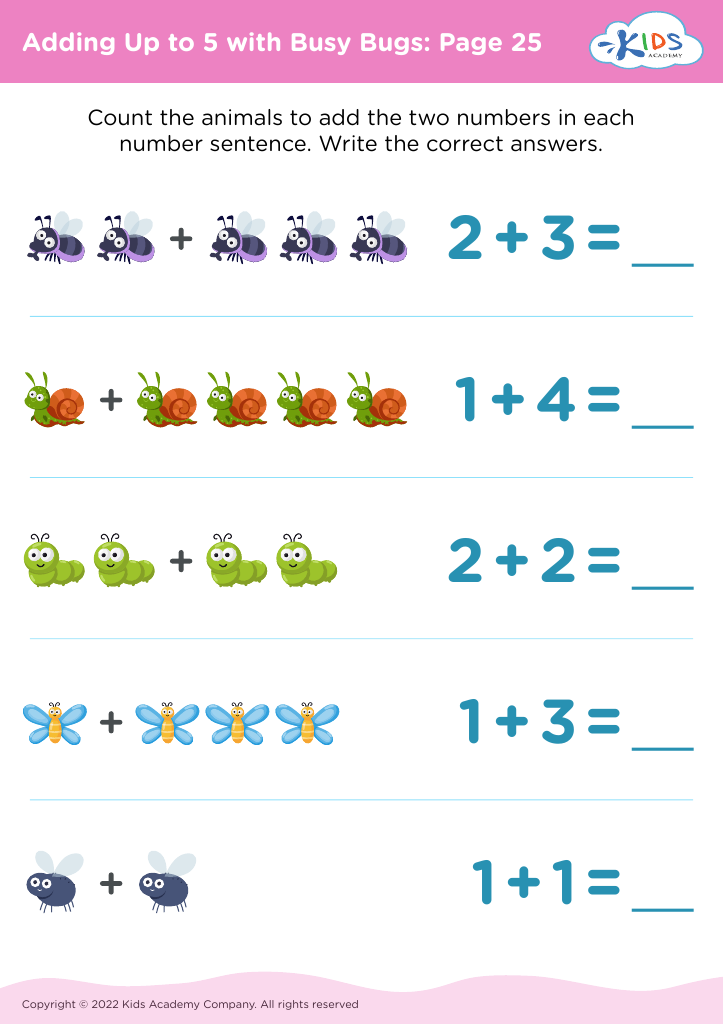
Adding Up to 5 with Busy Bugs: Page 25
Worksheet
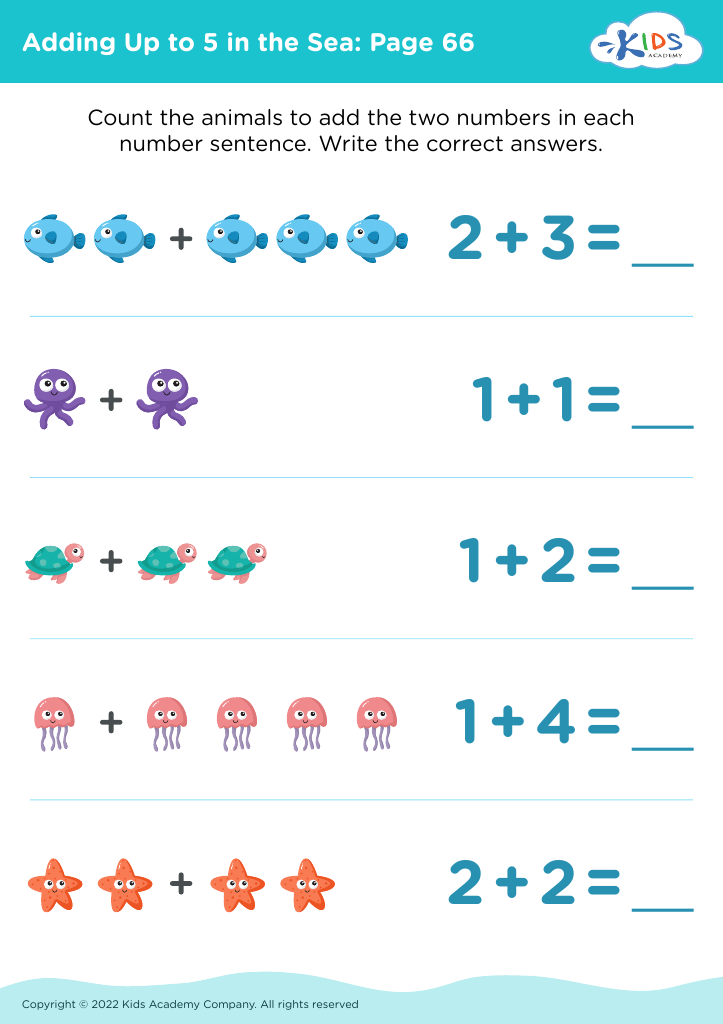
Adding Up to 5 in the Sea: Page 66
Worksheet
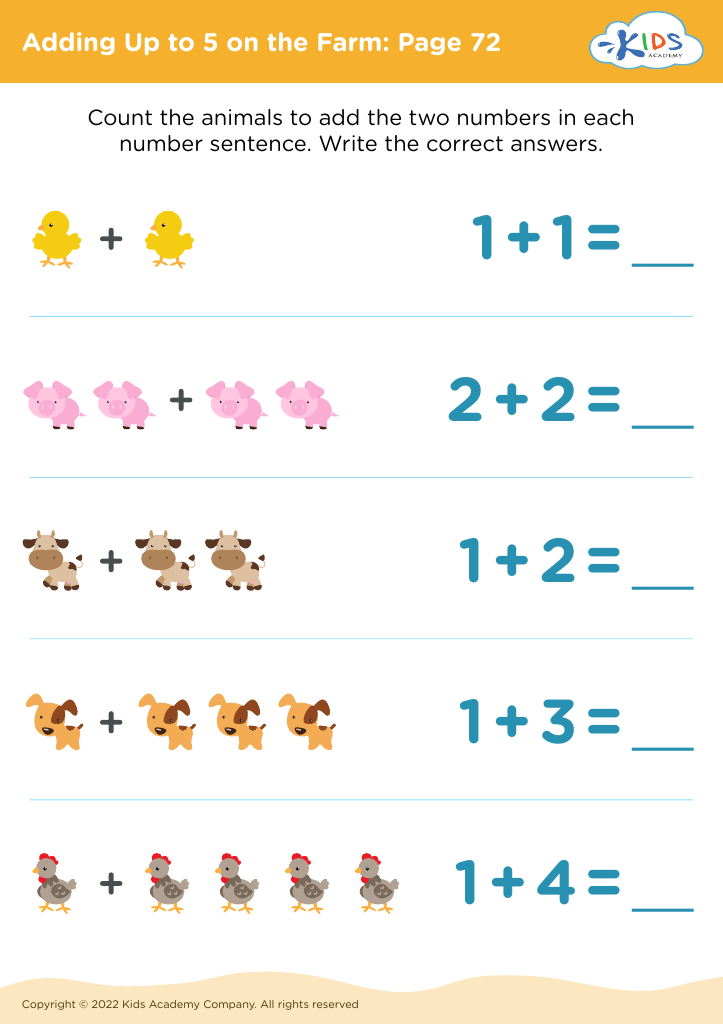
Adding Up to 5 on the Farm: Page 72
Worksheet
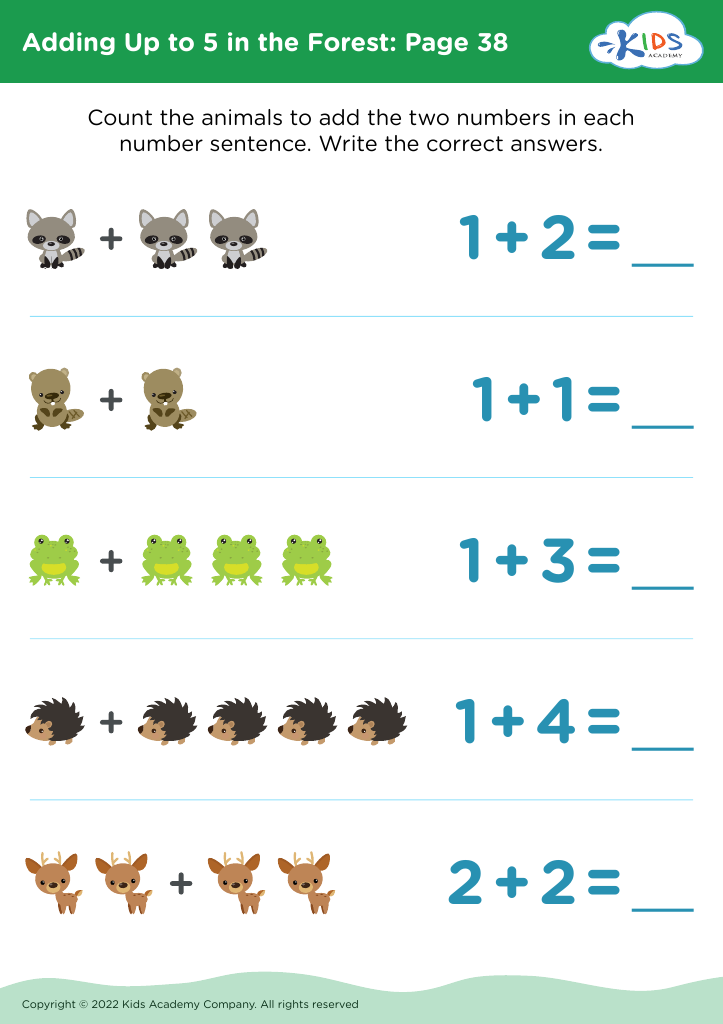
Adding Up to 5 in the Forest: Page 38
Worksheet
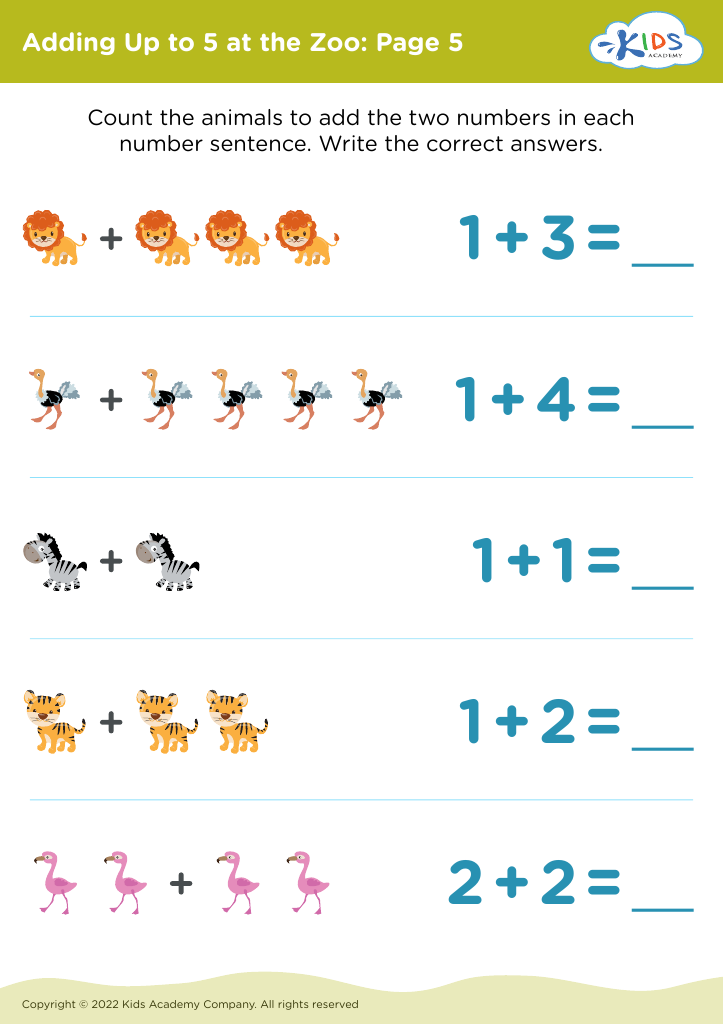
Adding Up to 5 at the Zoo: Page 5

Adding Up to 5 at the Zoo: Page 5

Adding Up to 5 at the Zoo: Page 5
Worksheet
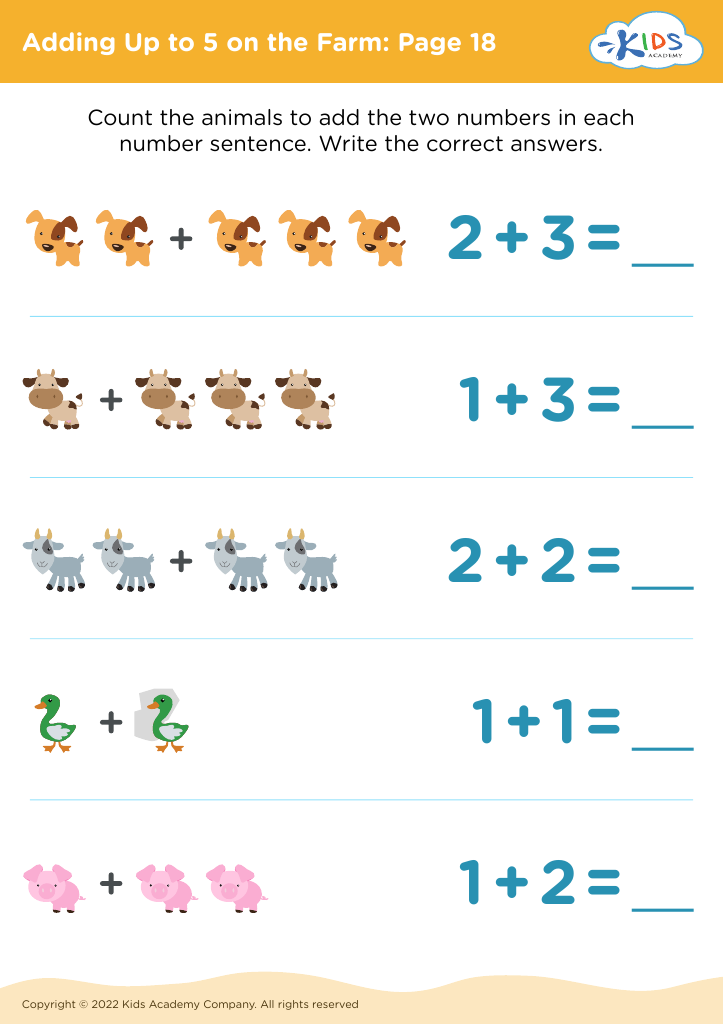
Adding Up to 5 on the Farm: Page 18
Worksheet
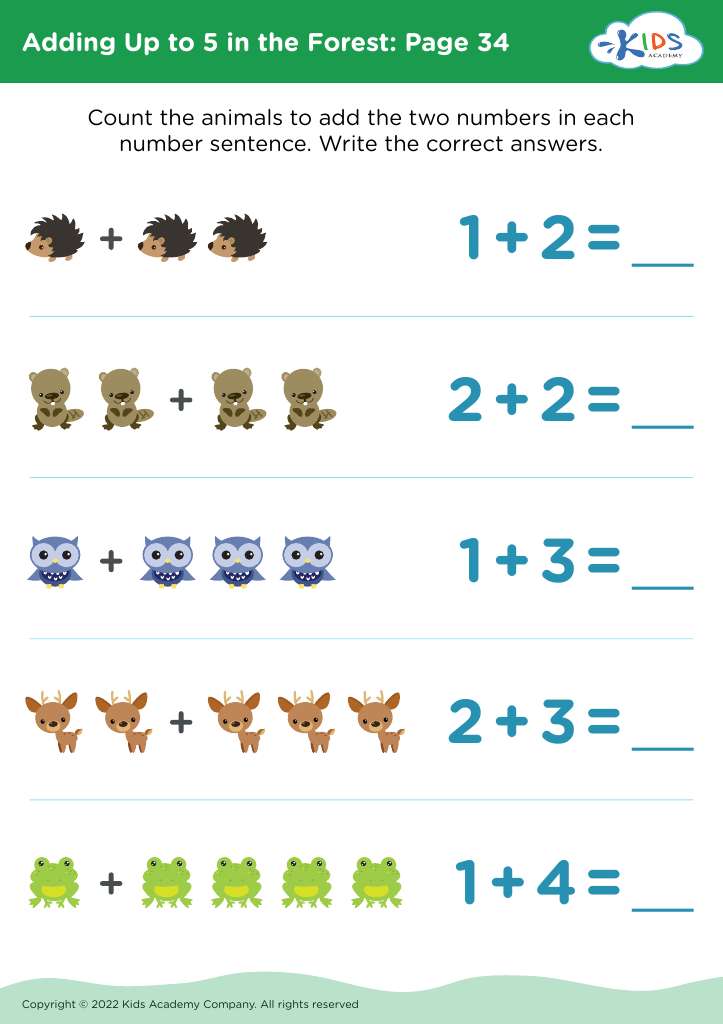
Adding Up to 5 in the Forest: Page 34
Worksheet
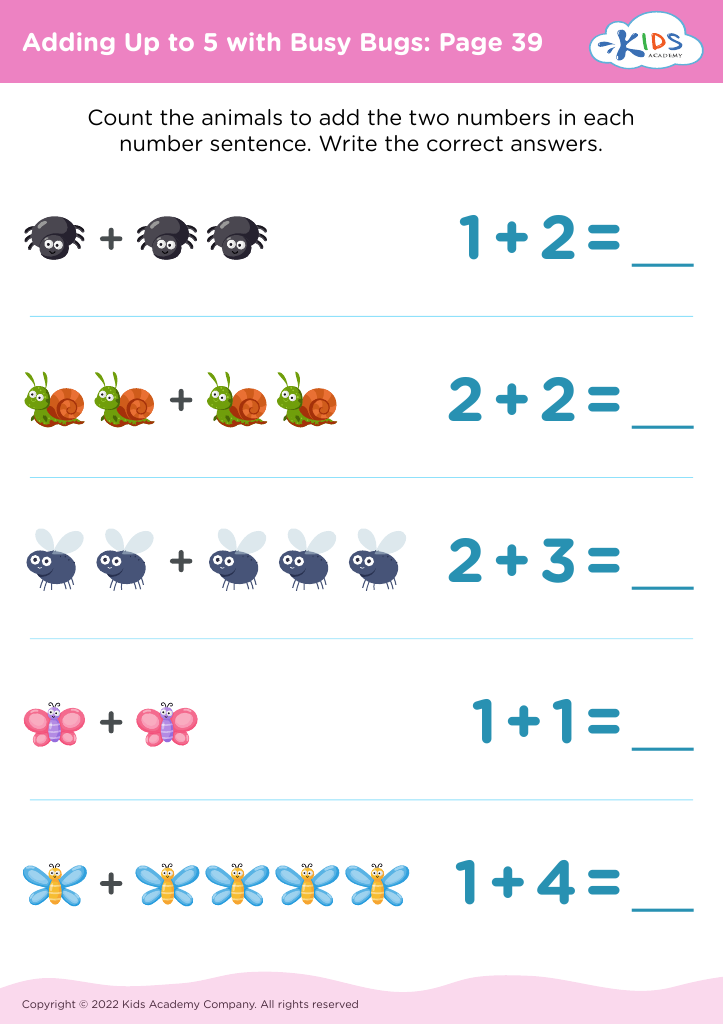
Adding Up to 5 with Busy Bugs: Page 39
Worksheet
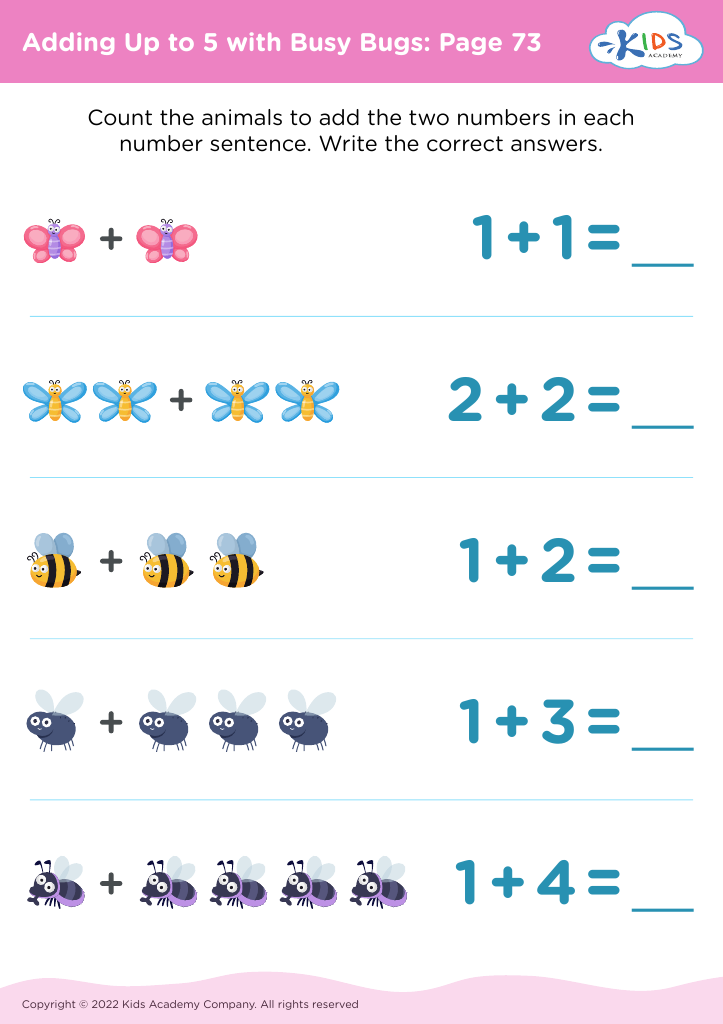
Adding Up to 5 with Busy Bugs: Page 73
Worksheet
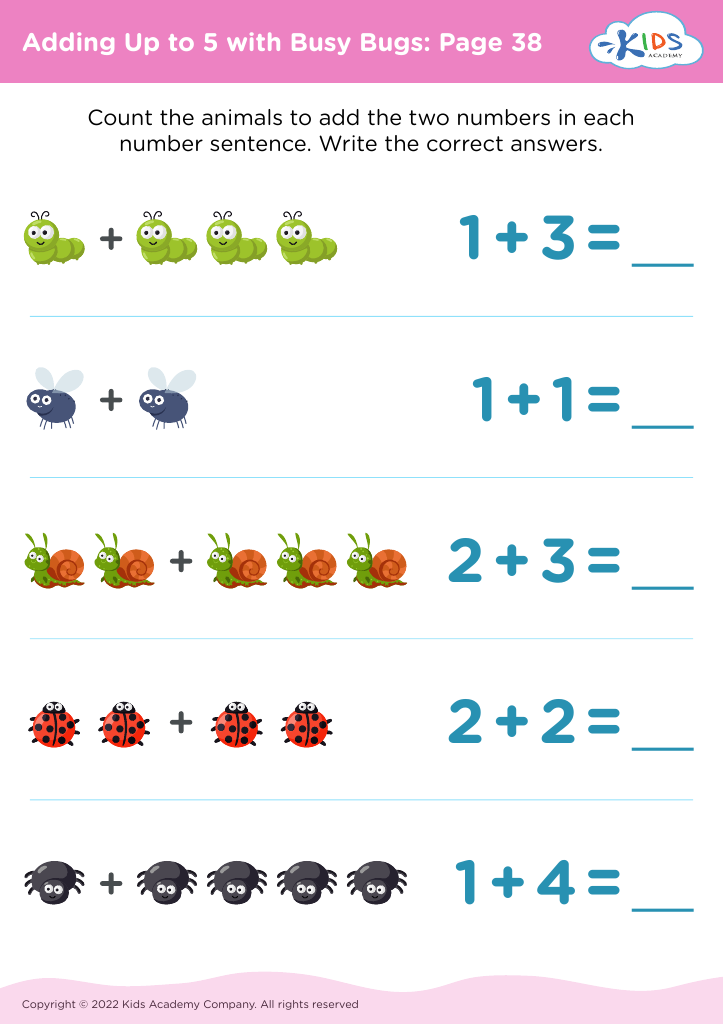
Adding Up to 5 with Busy Bugs: Page 38
Worksheet
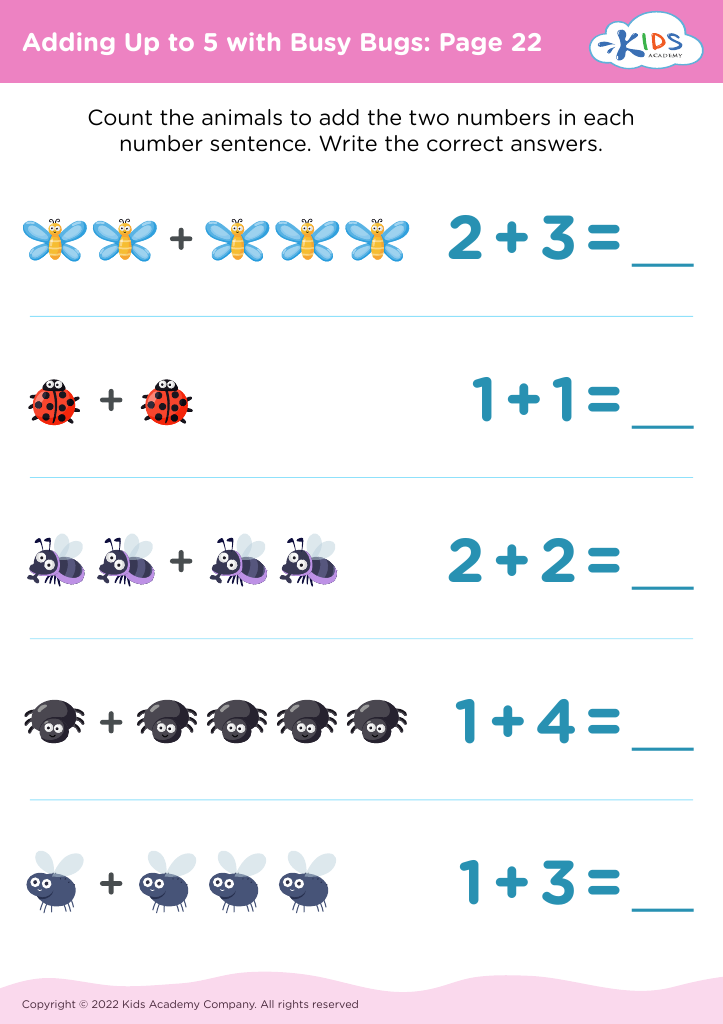
Adding Up to 5 with Busy Bugs: Page 22
Worksheet


Counting practice and early exposure to addition and subtraction are critical in preschool because they lay the foundation for a child's future mathematical understanding and problem-solving skills. During the preschool years, children's brains are incredibly receptive to learning, and introducing these core concepts early builds strong neural connections related to numbers and mathematics.

First, counting practice helps children grasp the fundamental idea of quantity and number representation. It fosters number recognition, one-to-one correspondence, and sequencing skills. As children become competent counters, they gain confidence and curiosity about numbers, setting the stage for more complex math concepts.

Introducing addition and subtraction in preschool instills an intuitive understanding of how numbers interact, promoting logical thinking and reasoning. Simple, hands-on activities using toys, fingers, or everyday objects make learning addition and subtraction fun and relevant, allowing children to see the tangible results of combining or taking away items.

Furthermore, early math skills are strongly correlated with future academic success. A solid foundation in basic math helps children tackle more advanced concepts with ease, enhances problem-solving abilities, and encourages a positive attitude toward learning. Hence, parents and teachers should prioritize counting and basic arithmetic to give children the best start in their educational journey.