Filters

97 filtered results

Clear all filters
Favorites
With answer key
Interactive

97 filtered results

Difficulty Level

Grade


Check out this FREE Preschool Trial Lesson on Addition!

L

Favorites
With answer key
Interactive
  • Preschool
  • Cognitive Development
  • Addition
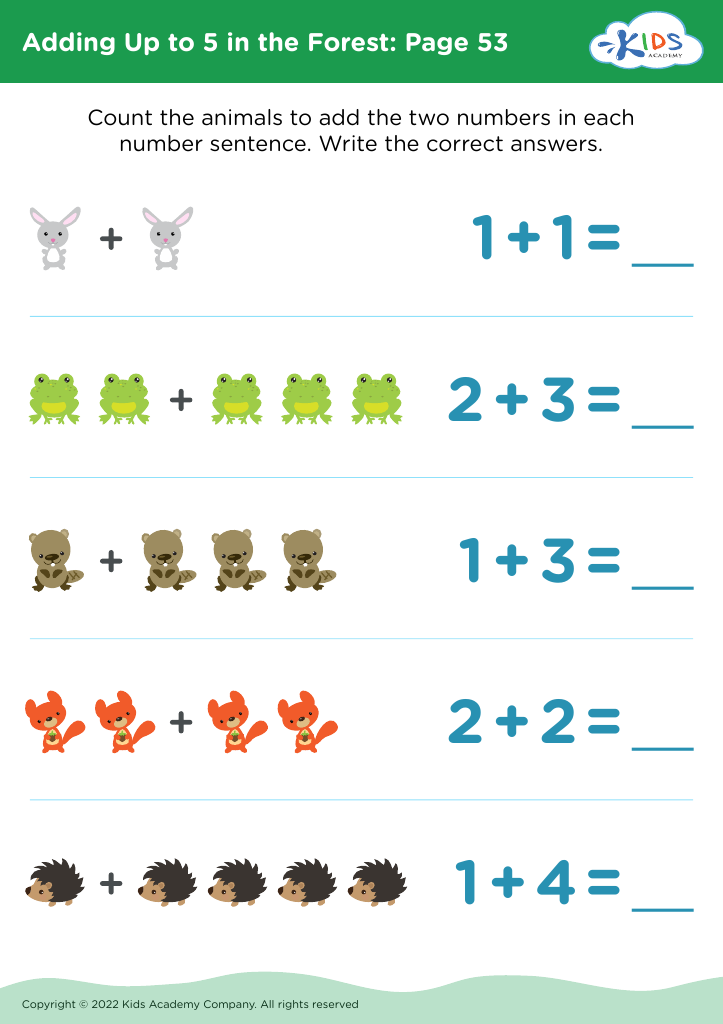
Adding Up to 5 in the Forest: Page 53
Worksheet
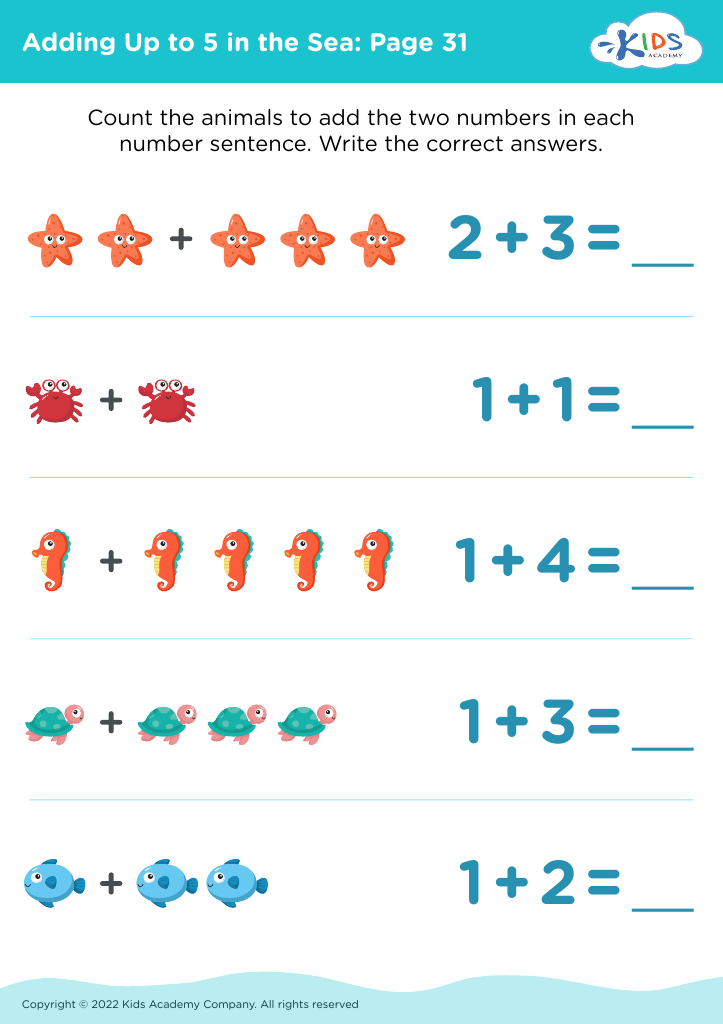
Adding Up to 5 in the Sea: Page 31
Worksheet
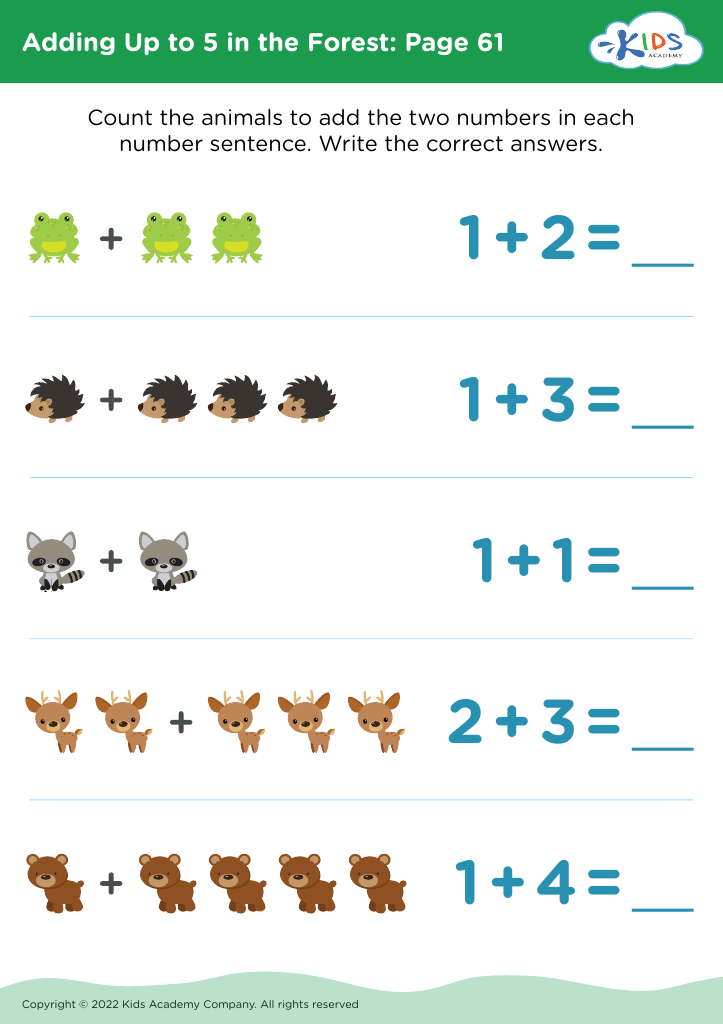
Adding Up to 5 in the Forest: Page 61
Worksheet
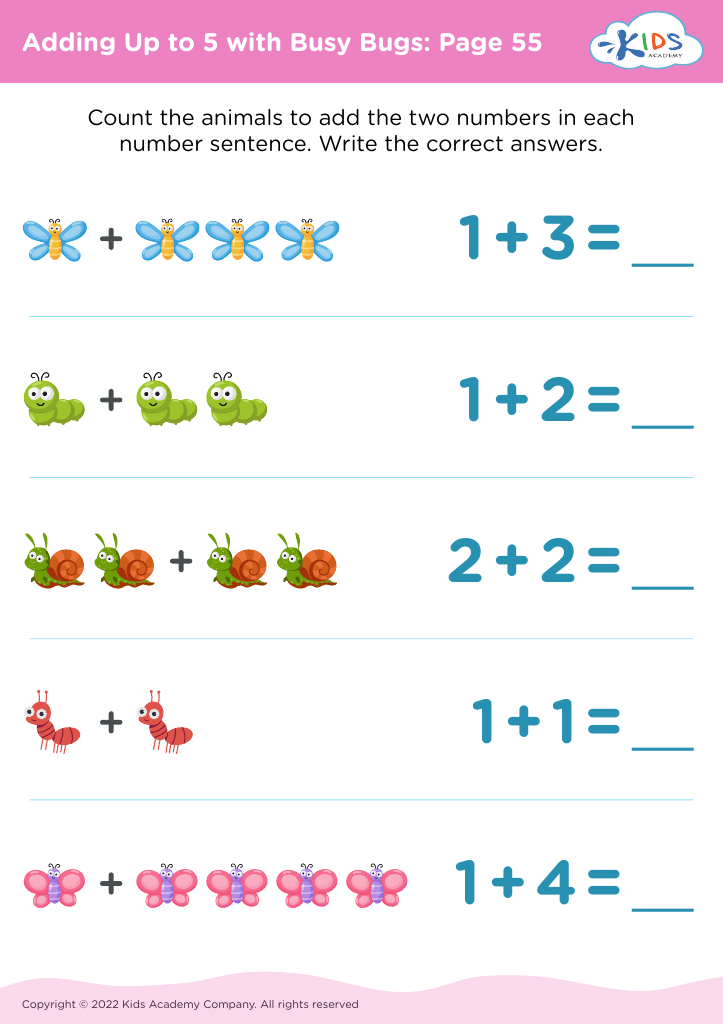
Adding Up to 5 with Busy Bugs: Page 55
Worksheet
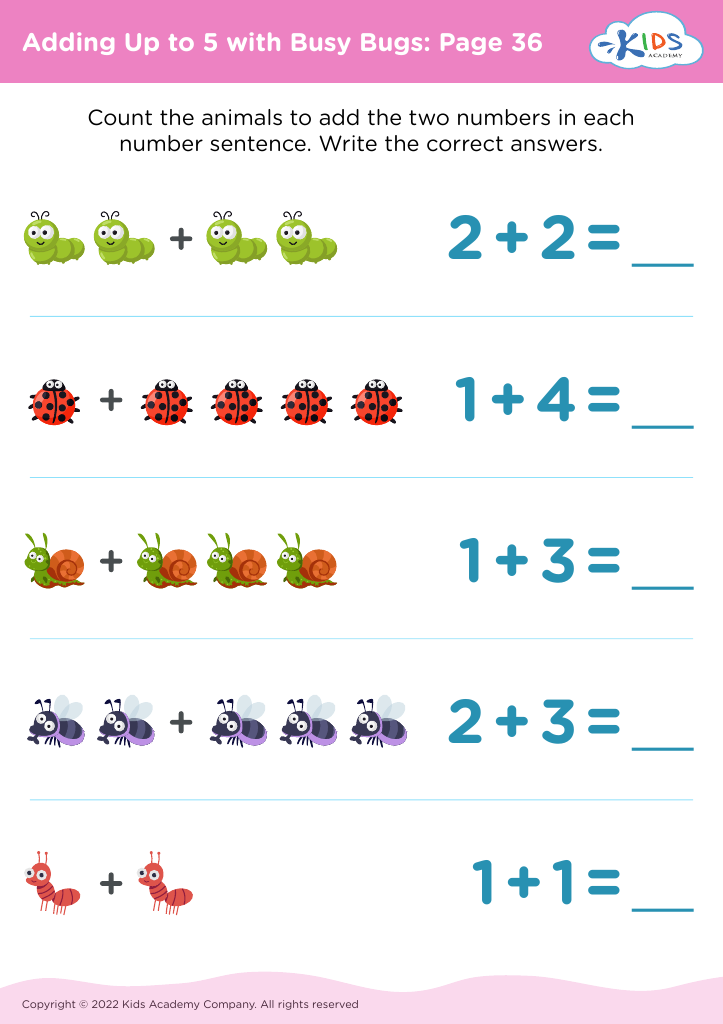
Adding Up to 5 with Busy Bugs: Page 36
Worksheet
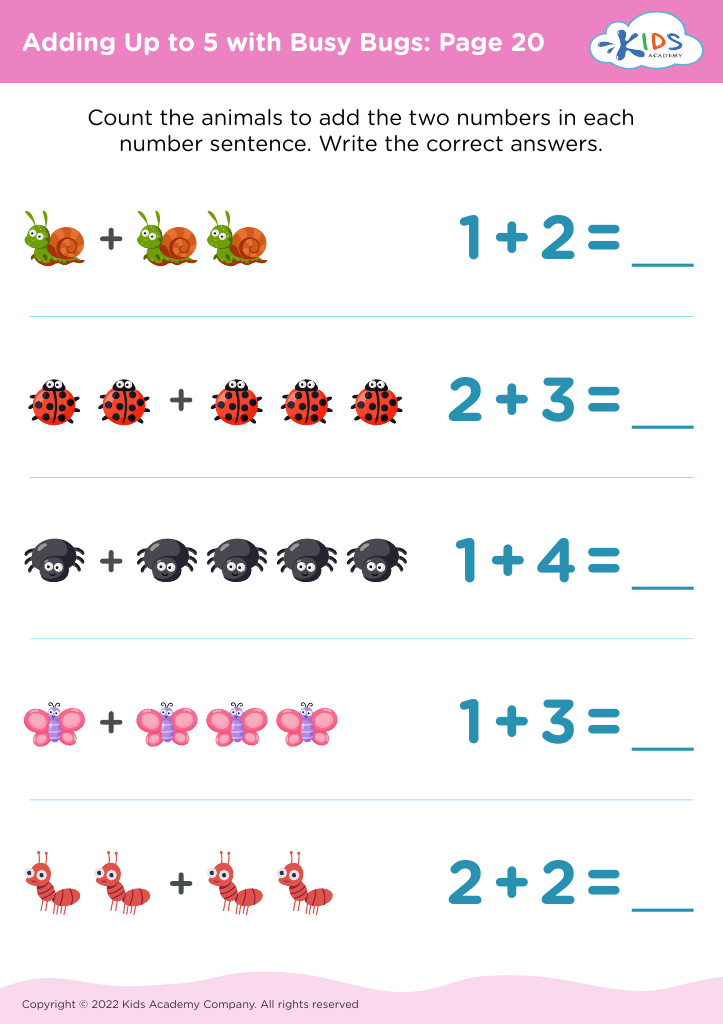
Adding Up to 5 with Busy Bugs: Page 20
Worksheet
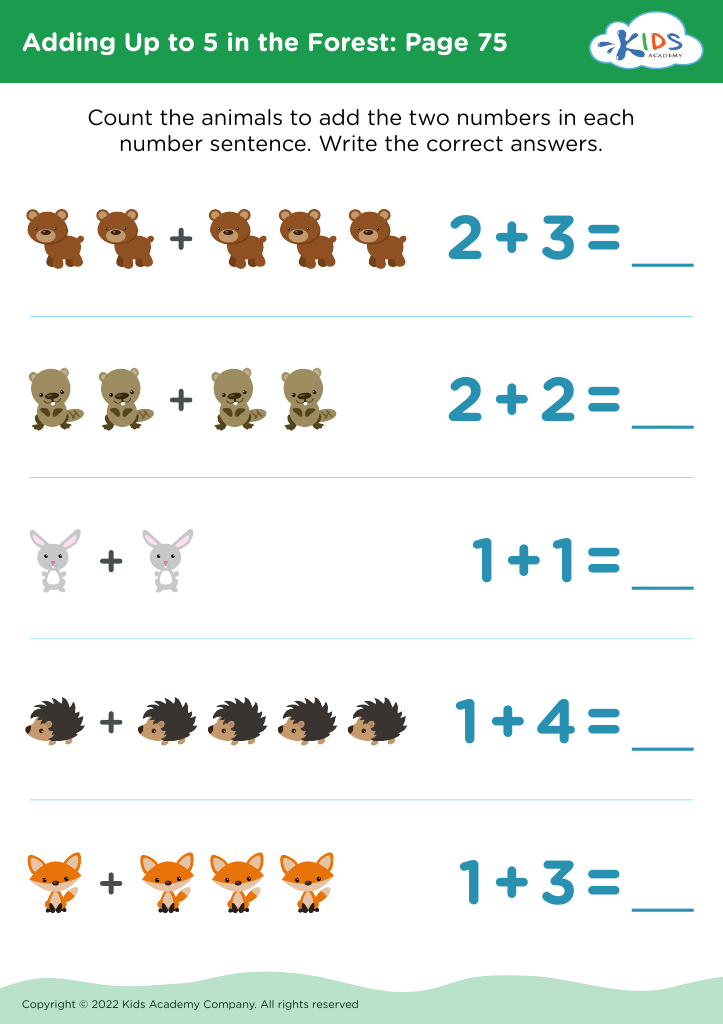
Adding Up to 5 in the Forest: Page 75
Worksheet
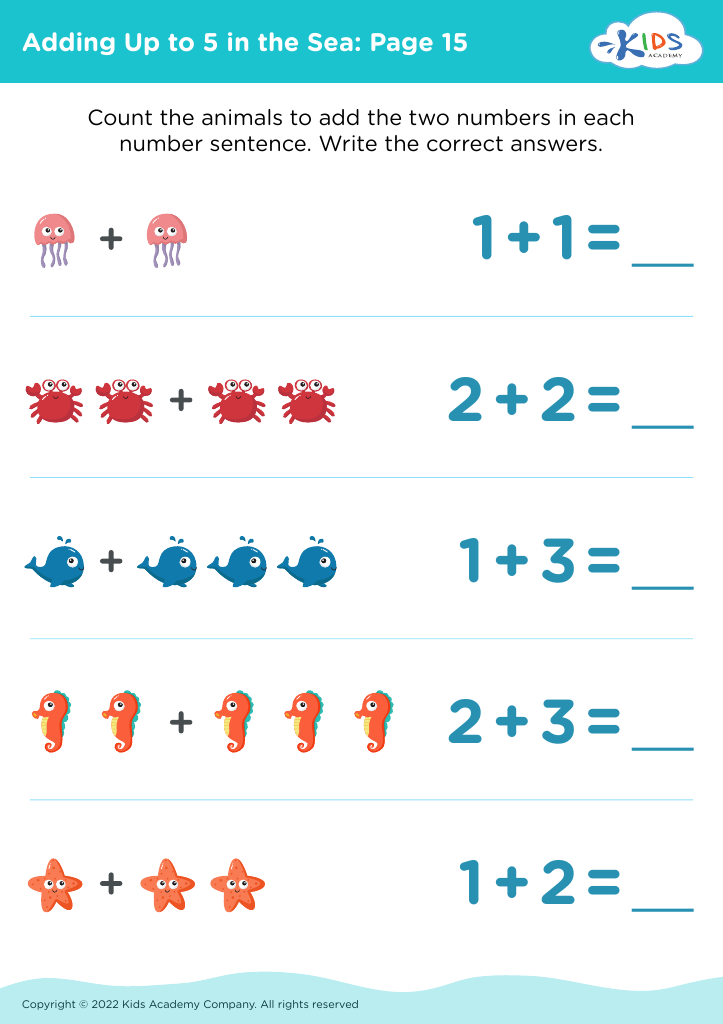
Adding Up to 5 in the Sea: Page 15
Worksheet
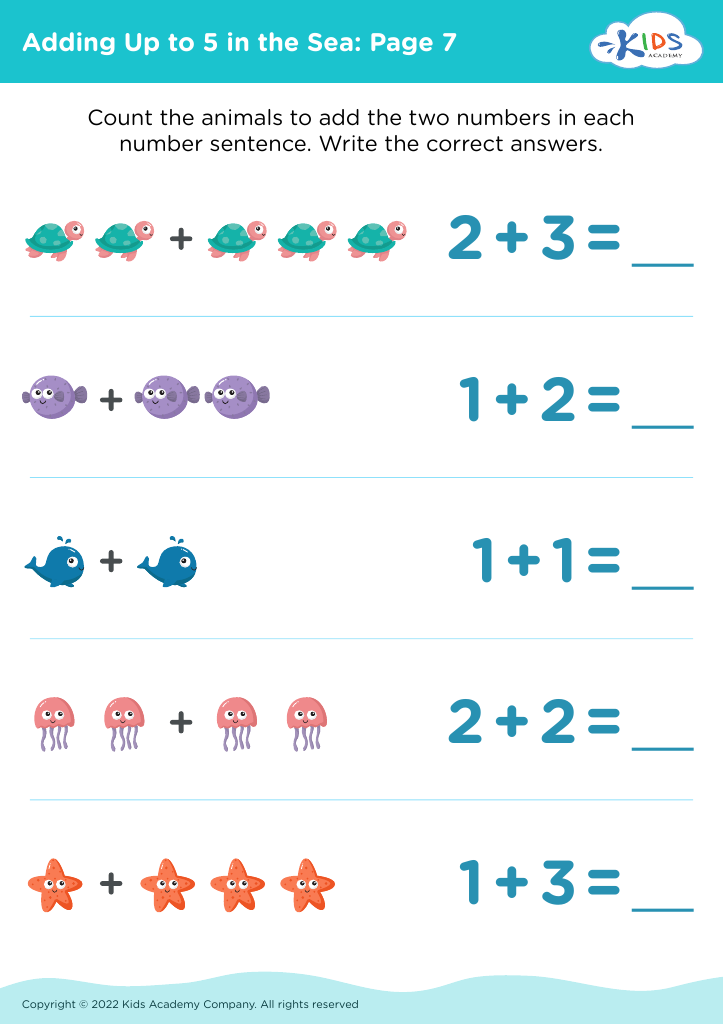
Adding Up to 5 in the Sea: Page 7

Adding Up to 5 in the Sea: Page 7

Adding Up to 5 in the Sea: Page 7
Worksheet
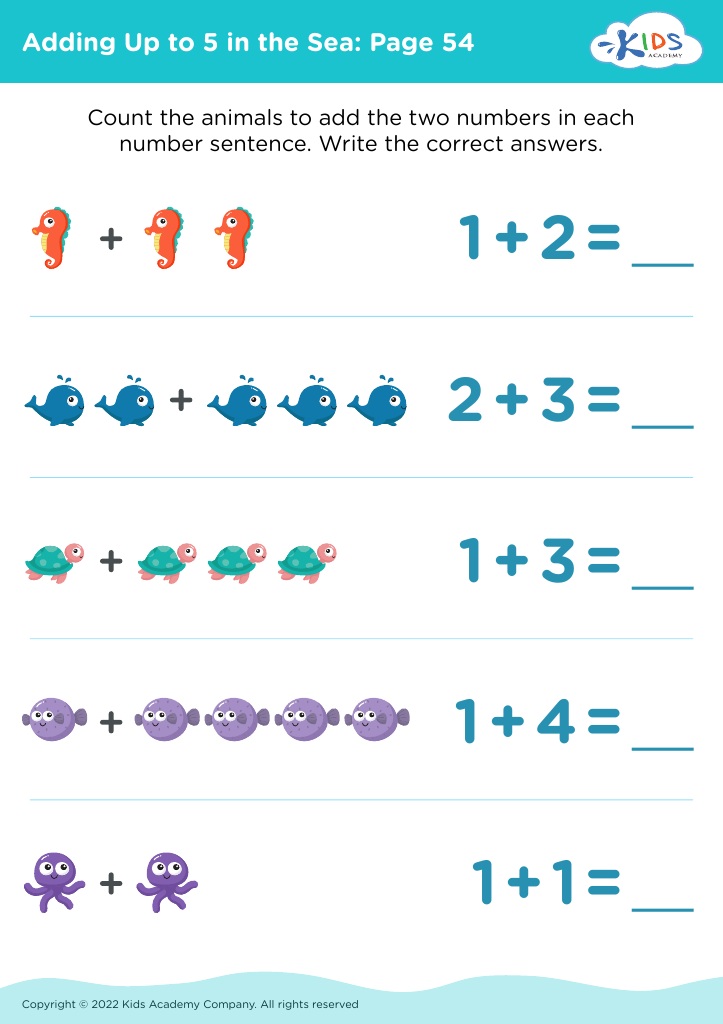
Adding Up to 5 in the Sea: Page 54
Worksheet
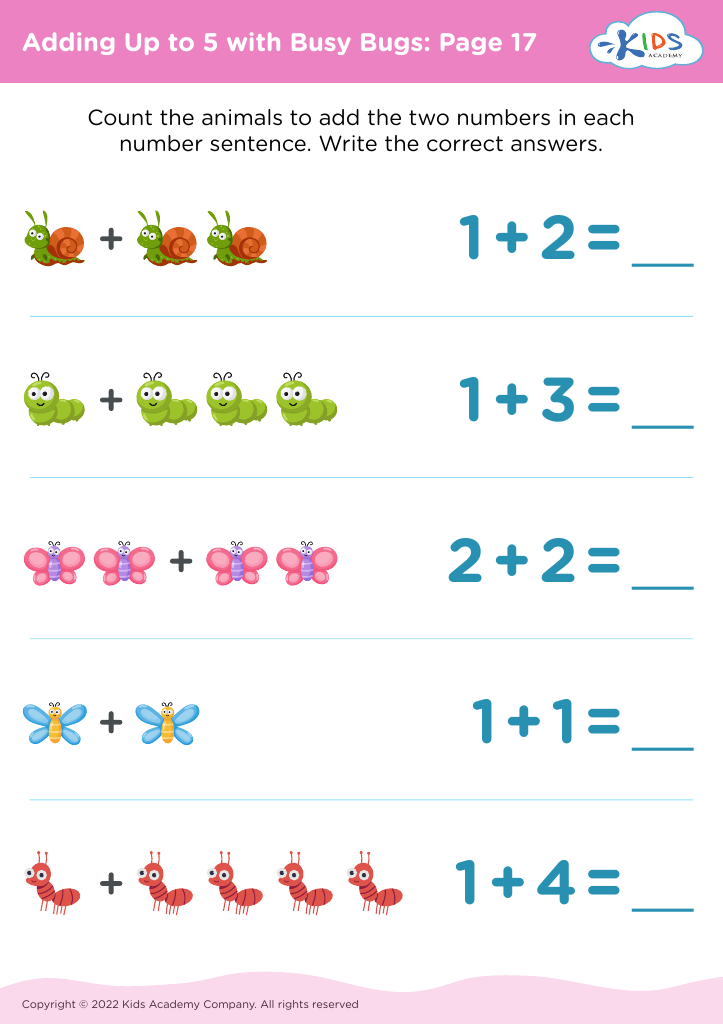
Adding Up to 5 with Busy Bugs: Page 17
Worksheet
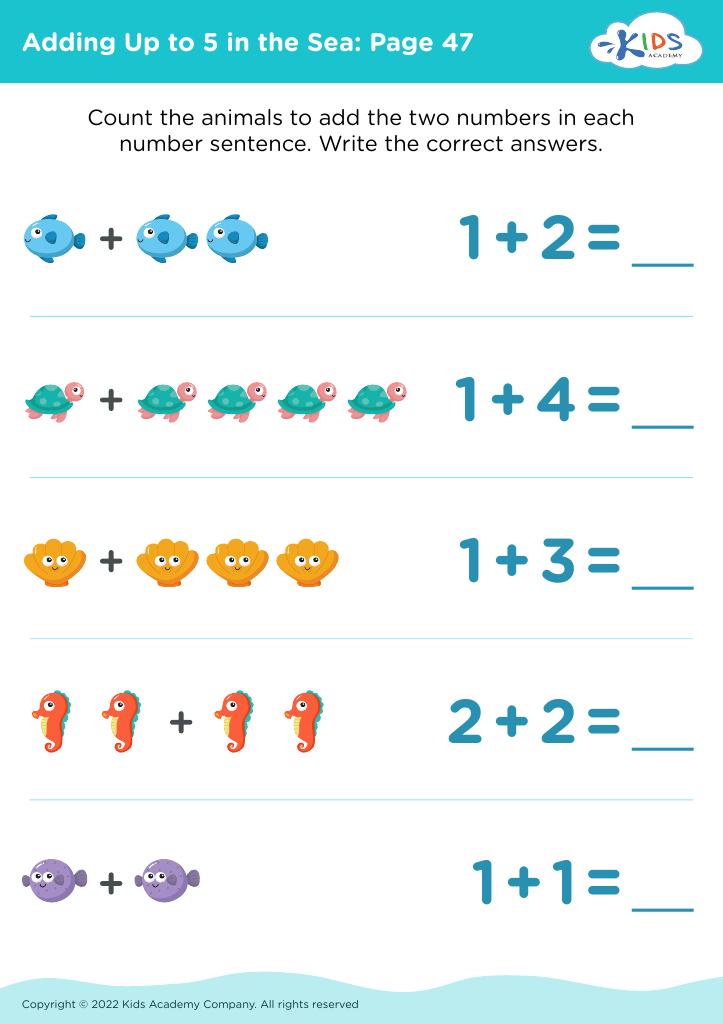
Adding Up to 5 in the Sea: Page 47
Worksheet
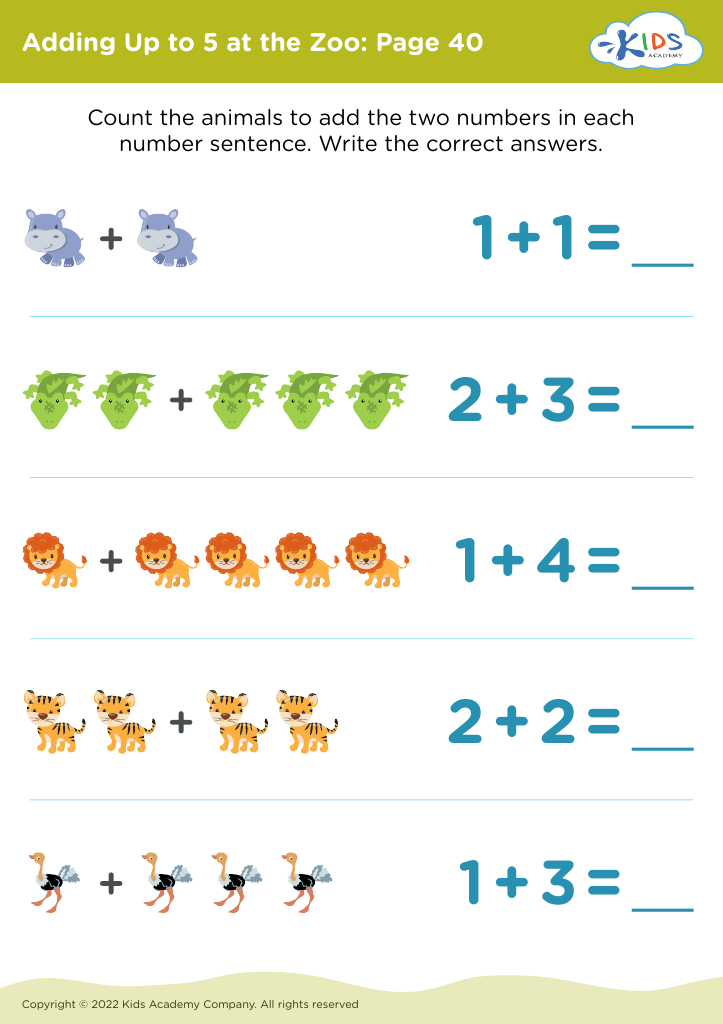
Adding Up to 5 at the Zoo: Page 40
Worksheet
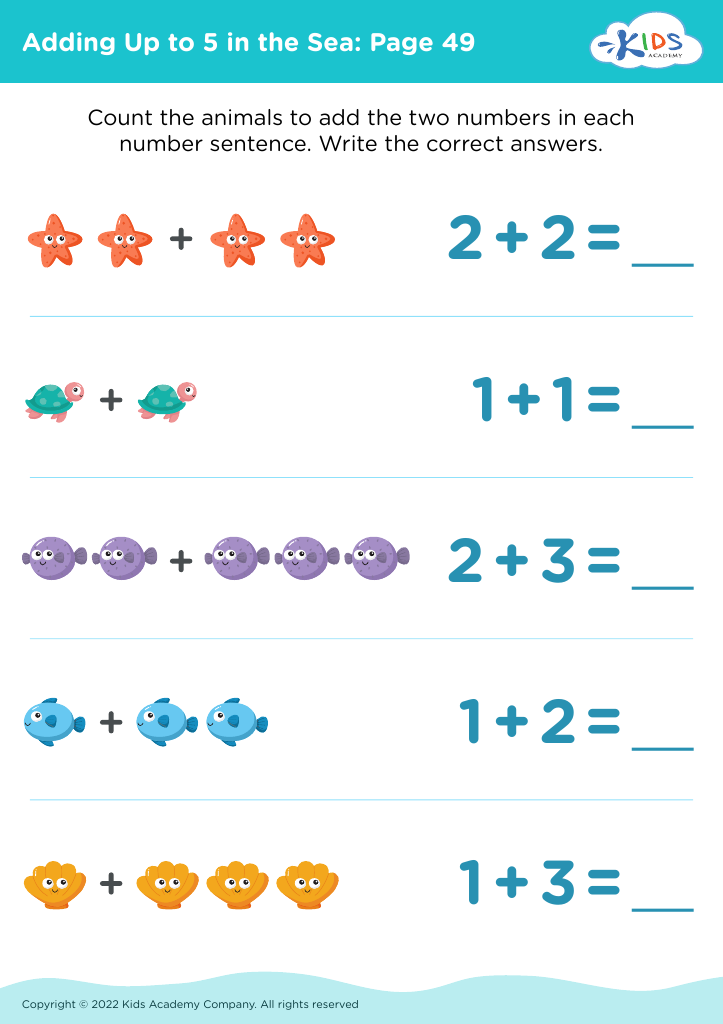
Adding Up to 5 in the Sea: Page 49
Worksheet
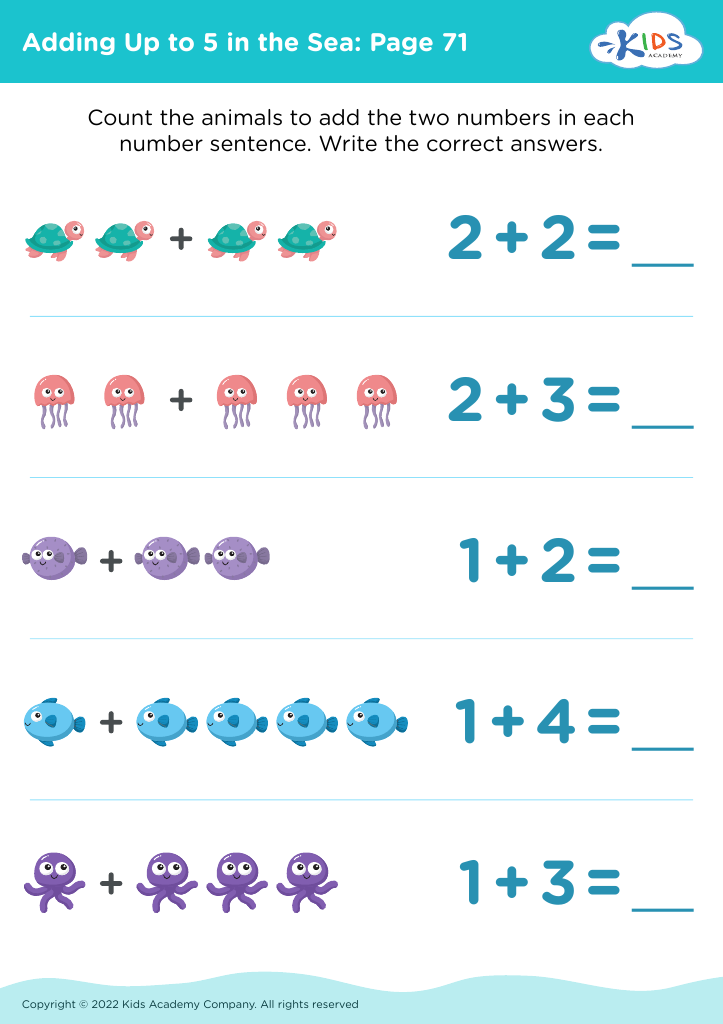
Adding Up to 5 in the Sea: Page 71
Worksheet
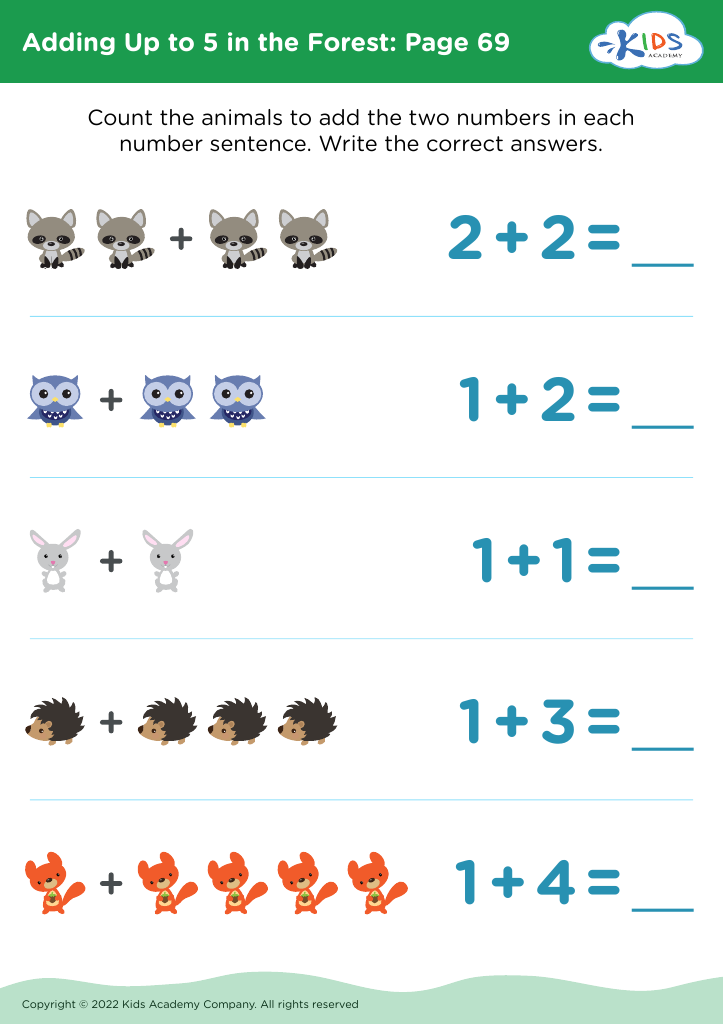
Adding Up to 5 in the Forest: Page 69
Worksheet
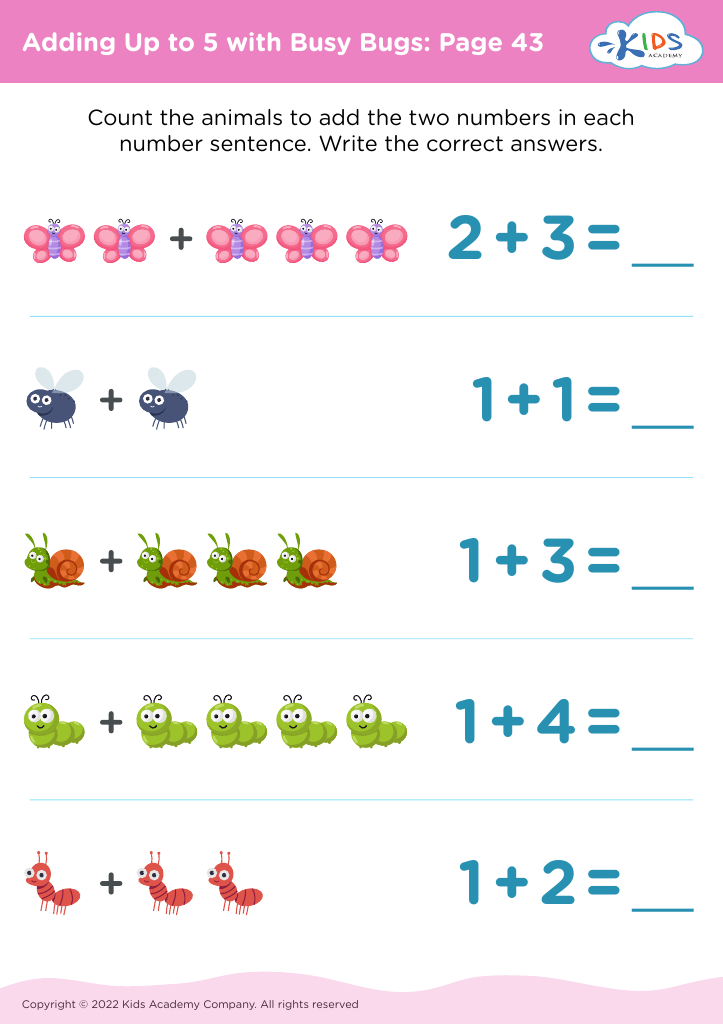
Adding Up to 5 with Busy Bugs: Page 43
Worksheet
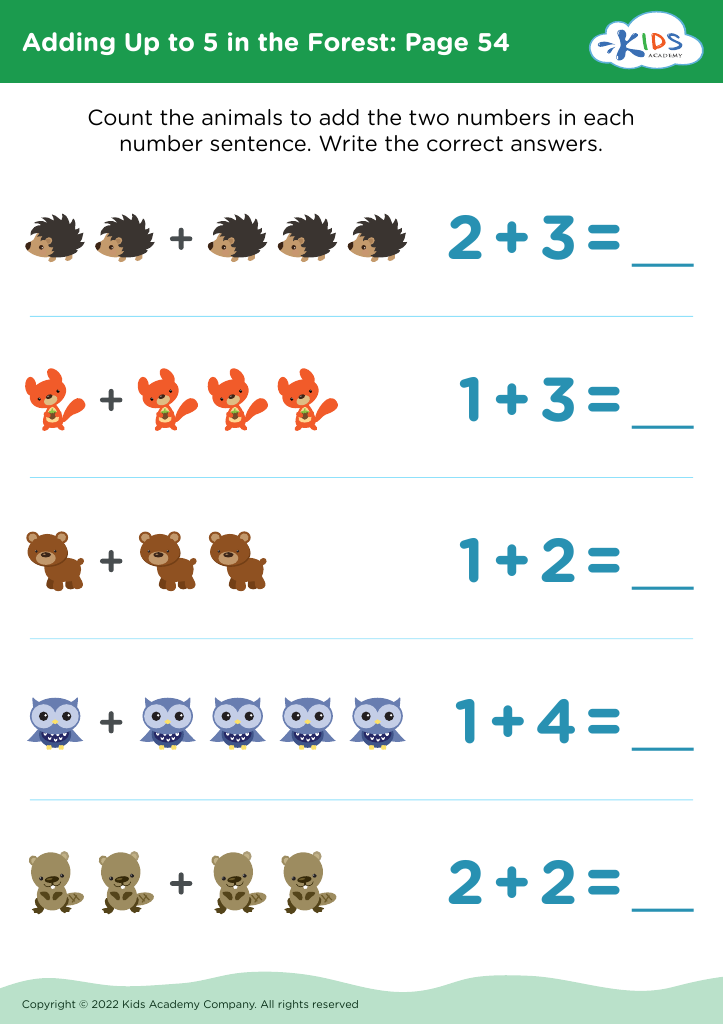
Adding Up to 5 in the Forest: Page 54
Worksheet
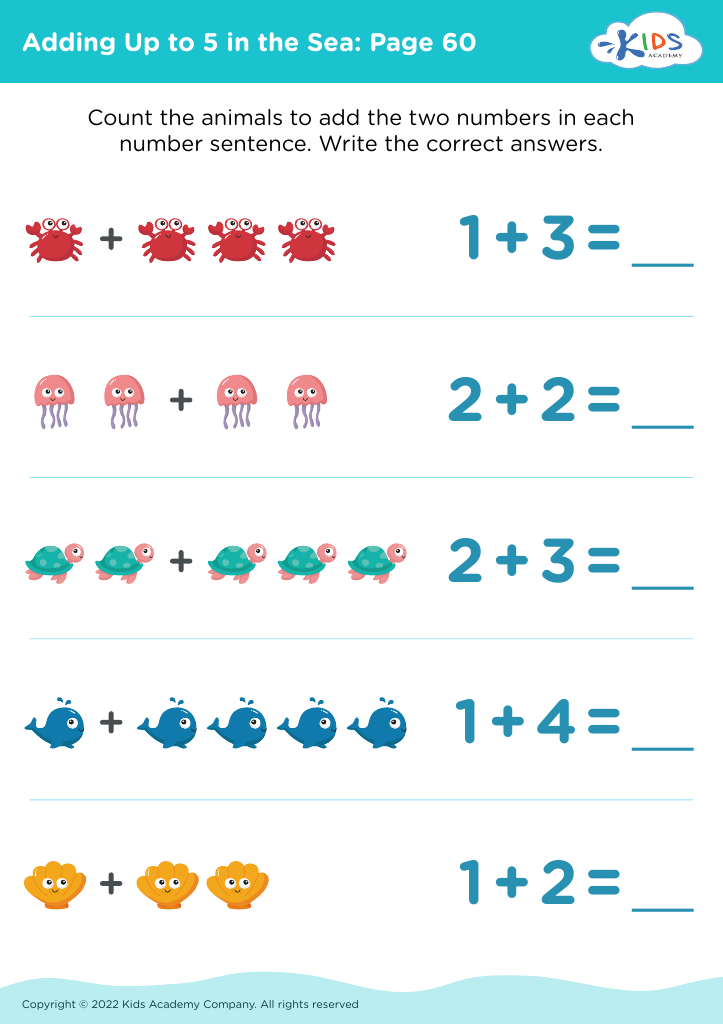
Adding Up to 5 in the Sea: Page 60
Worksheet
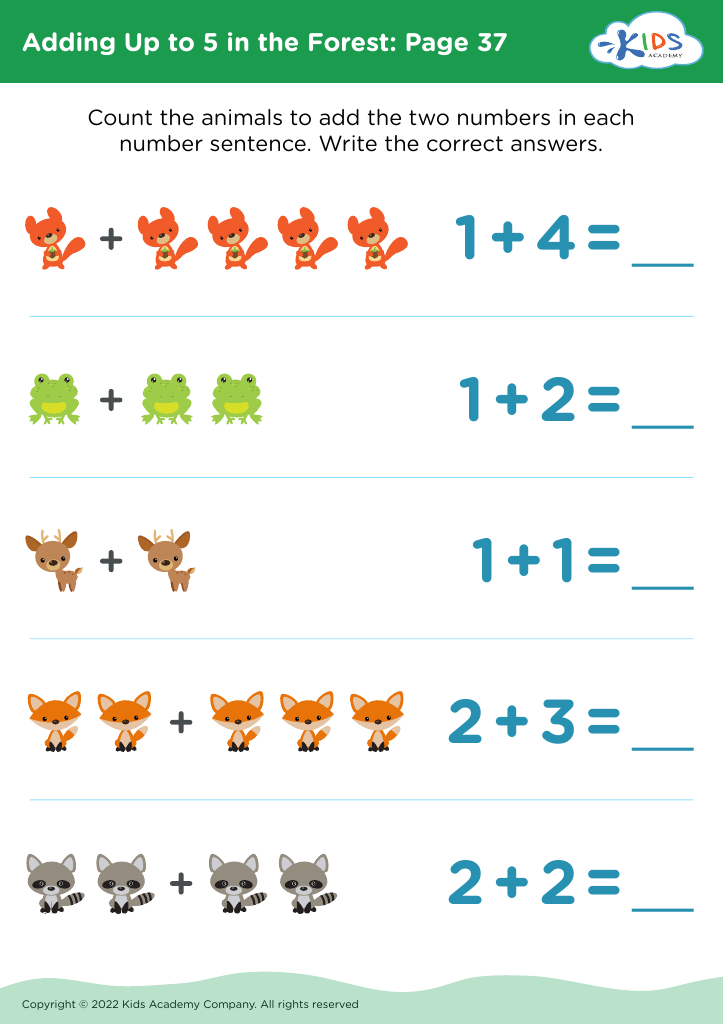
Adding Up to 5 in the Forest: Page 37
Worksheet
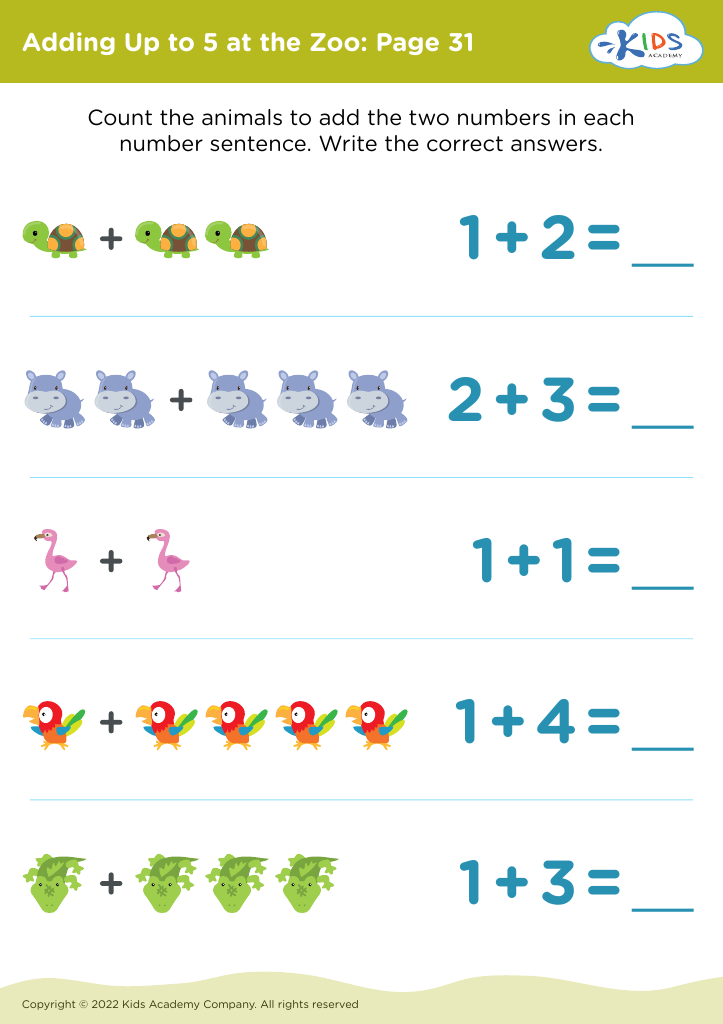
Adding Up to 5 at the Zoo: Page 31
Worksheet
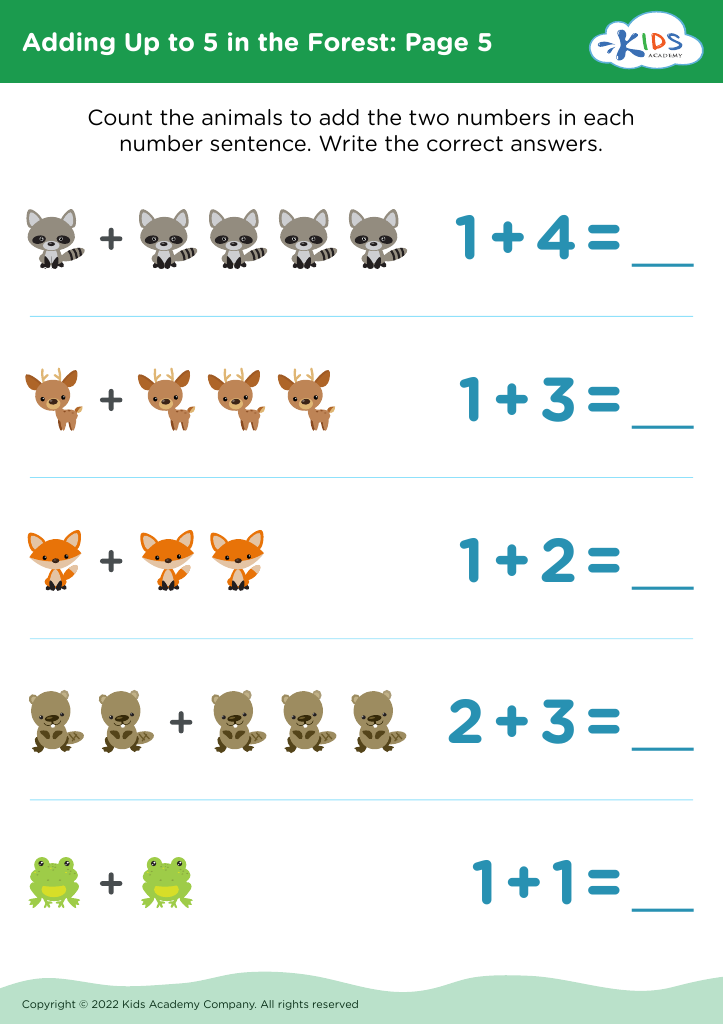
Adding Up to 5 in the Forest: Page 5
Worksheet
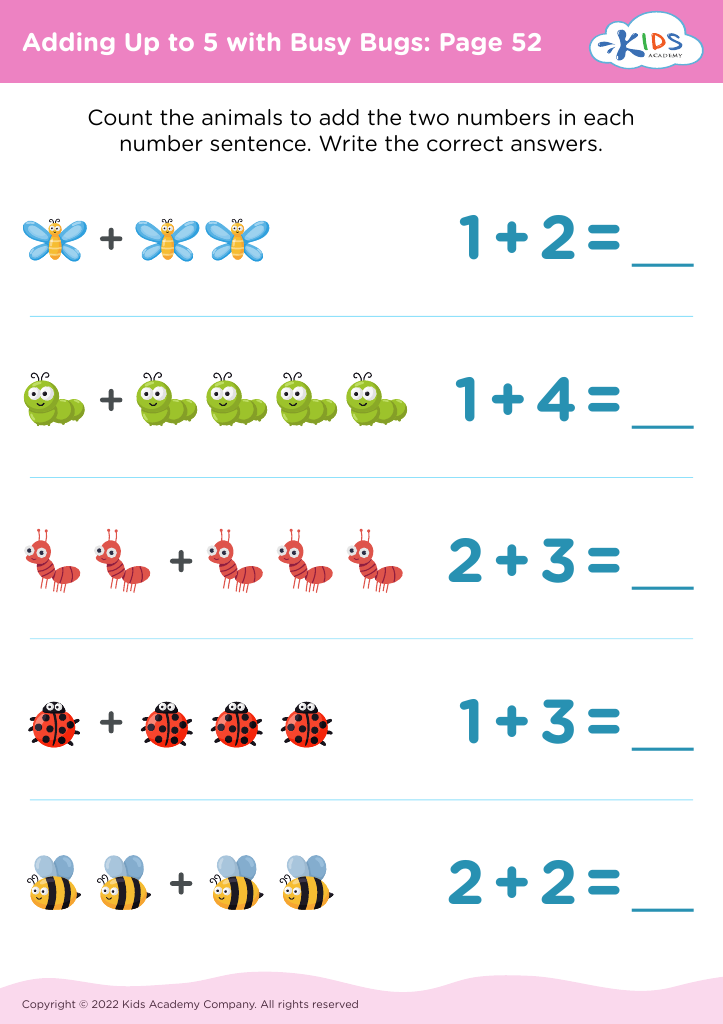
Adding Up to 5 with Busy Bugs: Page 52
Worksheet
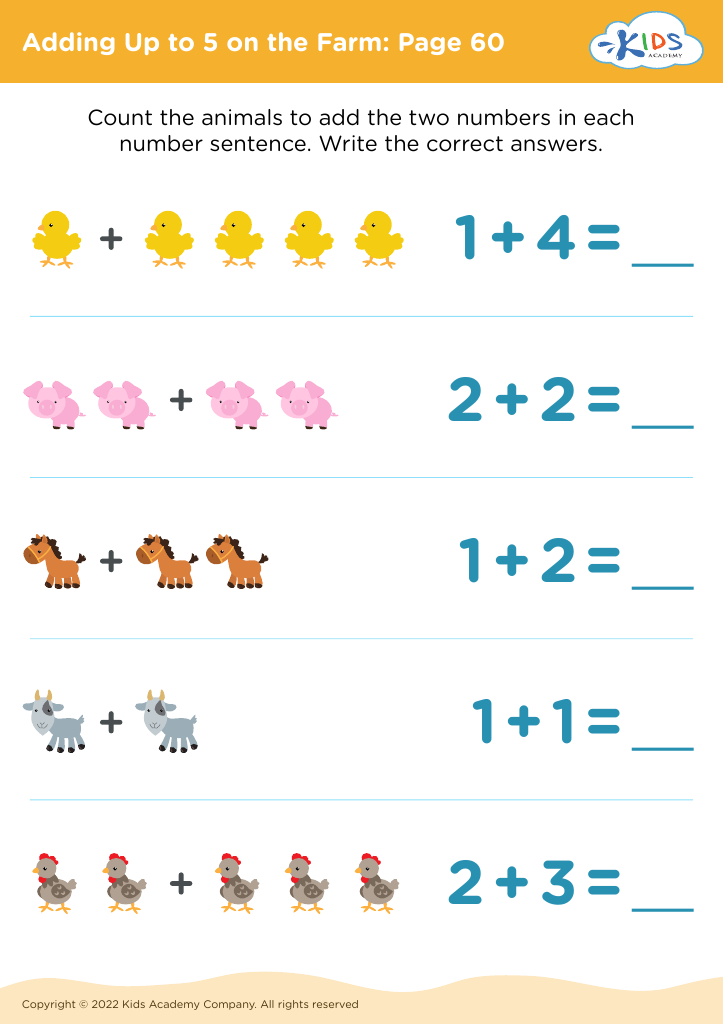
Adding Up to 5 on the Farm: Page 60
Worksheet


Cognitive development during preschool years is fundamental because it lays the groundwork for future learning and emotional growth. This phase is crucial as children's brains undergo rapid development, and engaging them with stimulating activities enhances their ability to think, reason, and understand the world around them.

Parents and teachers should care about cognitive development, particularly in areas such as addition, since it forms the basis of mathematical literacy. Mastering early math concepts not only helps in developing problem-solving skills but also boosts self-esteem and confidence in academic settings. When preschoolers learn to add, they practice skills like number recognition, counting, and logical reasoning, which are essential not only for math but for overall cognitive processes.

Additionally, quality early education helps in identifying and addressing developmental delays, allowing for timely intervention. Engaging preschoolers with interactive and play-based learning about addition encourages their curiosity and keeps them motivated. As children progress in these foundational skills, they are better prepared to tackle more complex concepts in later grades, fostering a love for learning that lasts a lifetime. Therefore, nurturing cognitive development at this stage is crucial for setting children on a path to academic success and healthy social-emotional growth.