Counting practice Preschool Geometry Worksheets
3 filtered results
Difficulty Level
Grade
Age
-
From - To
Subject
Activity
Standards
Unlock your child's potential with our "Counting Practice Preschool Geometry Worksheets". Designed for young learners, these engaging worksheets combine fun geometry exercises with essential counting practice. Each sheet offers vibrant, kid-friendly illustrations that introduce basic shapes while strengthening counting skills. Perfect for preschoolers, these worksheets foster early math confidence through interactive activities. Ideal for classroom or home, our resources support teachers and parents in building a strong educational foundation, preparing children for future math success. Let your little one explore the exciting world of numbers and shapes with our expertly crafted counting practice geometry worksheets!
Favorites
With answer key
Interactive
Robot Fun Worksheet
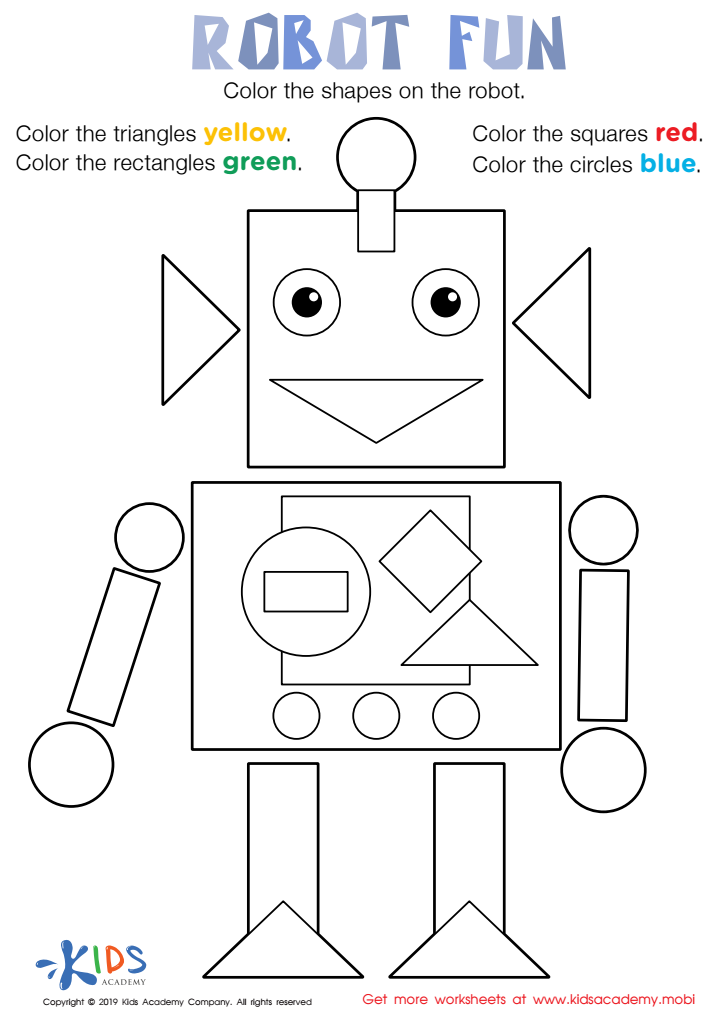
Help your child learn about basic shapes with this fun robot worksheet! Kids practice identifying circles, squares, rectangles and triangles, then color each shape according to directions. Make math practice enjoyable with this coloring page that teaches all four basic shapes - it's an important math skill!
Download (PDF)
 Assign to My Students
Assign to My Students
Robot Fun Worksheet
Worksheet




Let's Look! Part 2 Worksheet
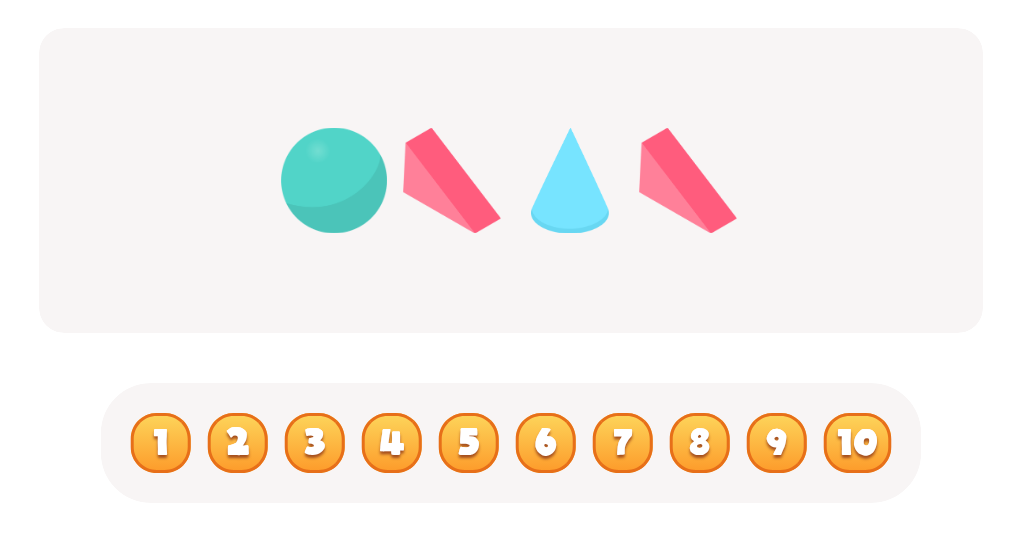
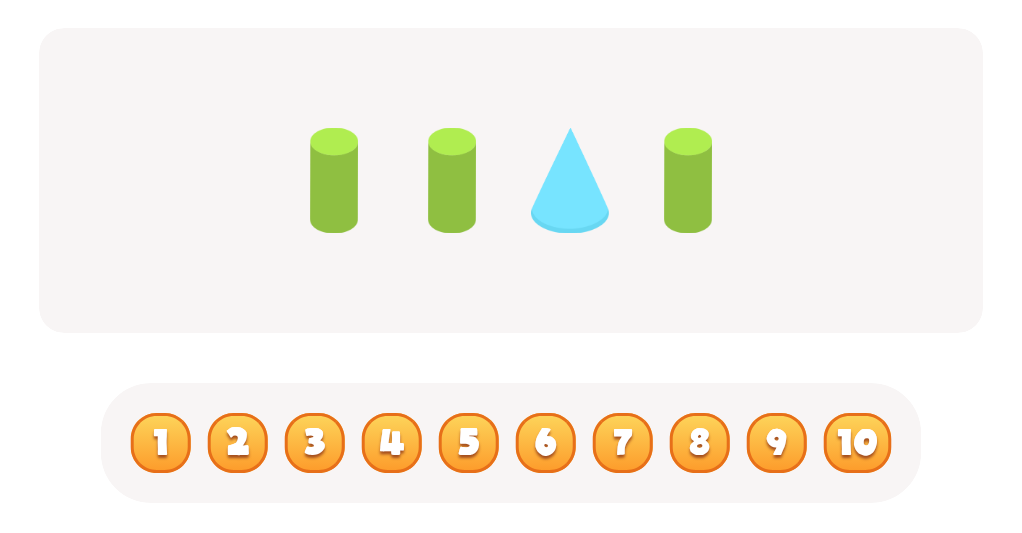
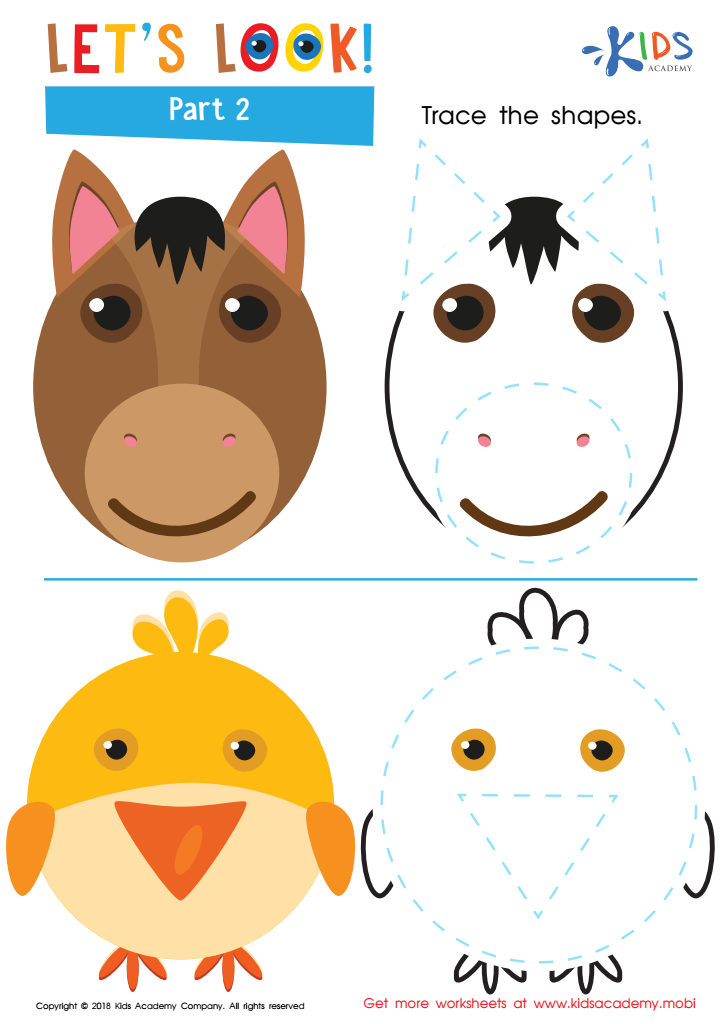
This tracing sheet helps your little ones develop their skills. Ask them to identify the animals, then trace the shapes in the space provided, following the dotted lines. It's a simple task that can help them grow and have fun!
Let's Look! Part 2 Worksheet
Worksheet
Bicycle Shapes Worksheet
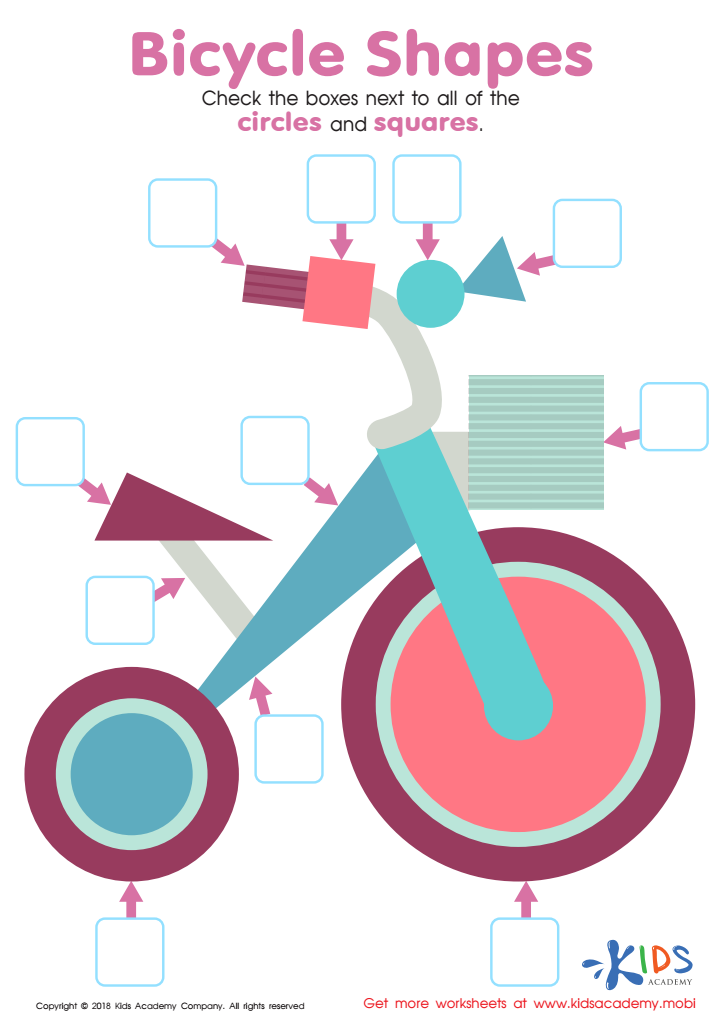
This fun geometry worksheet for preschoolers asks the child to spot hidden shapes (circles, squares) in a colorful bicycle. Each shape varies in size and the child checks the box when it's found. It's a visual way to teach shapes.
Bicycle Shapes Worksheet
Worksheet
Join Kids Academy for Free
Who is primarily going to use this learning content?








Counting practice in preschool geometry is essential for young children's overall cognitive and mathematical development. Parents and teachers should prioritize this practice because it builds a strong foundation for future learning. Early exposure to counting and geometric concepts helps children understand shapes and their properties, which are critical skills in early math education.
Counting objects within geometric shapes helps children develop number sense—a fundamental aspect of mathematics that includes the ability to recognize quantities and understand number relationships. This early practice teaches them pattern recognition, spatial awareness, and the ability to make comparisons, which are crucial for later problem-solving skills.
Engaging in counting practice within the context of geometry also makes learning interactive and fun for preschoolers. This engagement fosters a positive attitude towards education, making them more likely to embrace learning with enthusiasm in the future. Moreover, early success in mastering these concepts boosts their confidence, encouraging a growth mindset.
Finally, counting practice in preschool geometry is aligned with educational standards and prepares children for the structured math curriculum they will encounter in kindergarten and beyond. By integrating these practices early, parents and teachers ensure children are not only ready but eager to explore more complex mathematical ideas in their educational journey.