Number comparison Preschool Math Worksheets
5 filtered results
-
From - To
Our "Number Comparison Preschool Math Worksheets" are designed to help young learners develop essential math skills through fun and engaging activities. Perfect for preschoolers, these worksheets focus on comparing numbers, teaching children to identify which number is greater, lesser, or equal. The colorful and interactive design captures kids' attention, making learning an enjoyable experience. These worksheets also build a strong foundation for future math concepts, fostering critical thinking and problem-solving abilities. Ideal for classroom use or at-home practice, our number comparison worksheets are an excellent resource for any early childhood education curriculum.
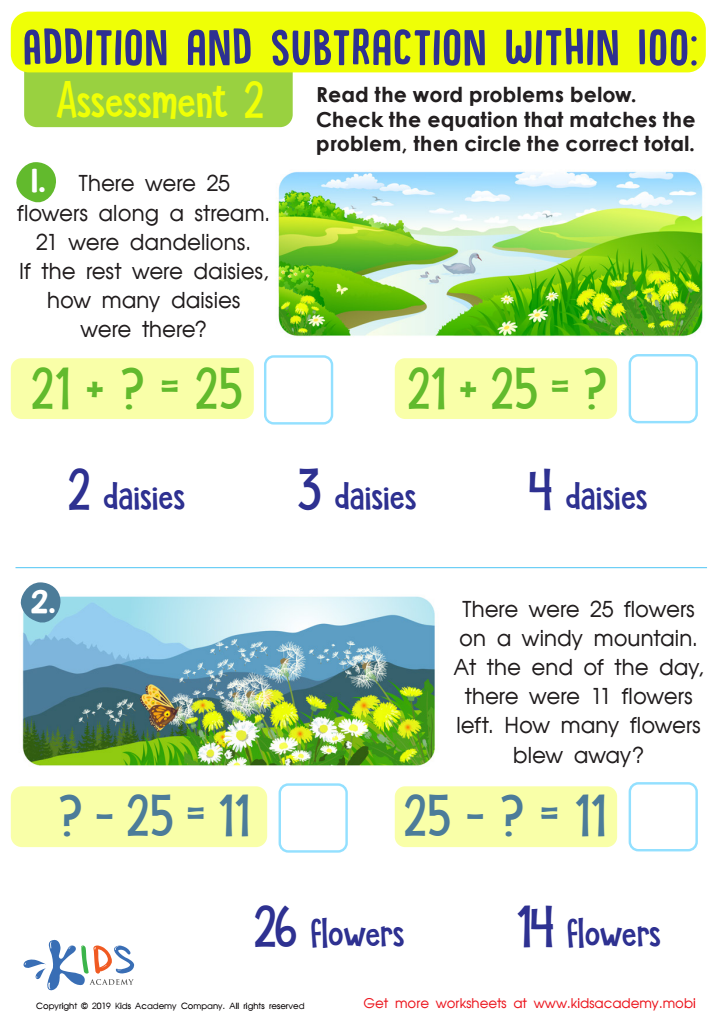
Assessment 2 Math Worksheet
 Assign to My Students
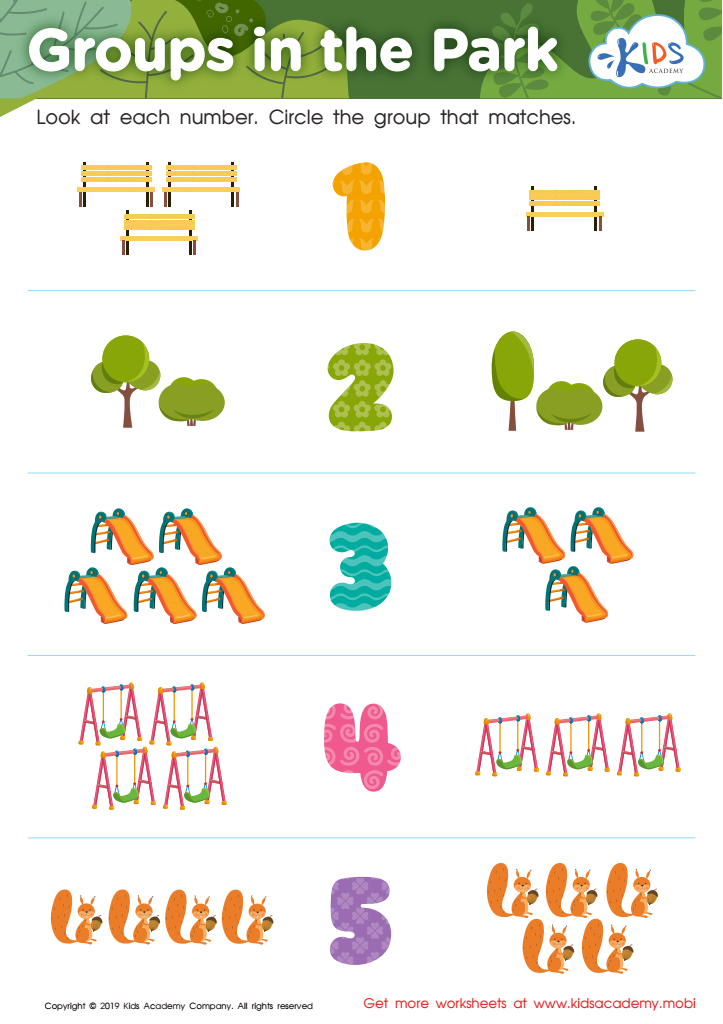
Groups in the Park Worksheet
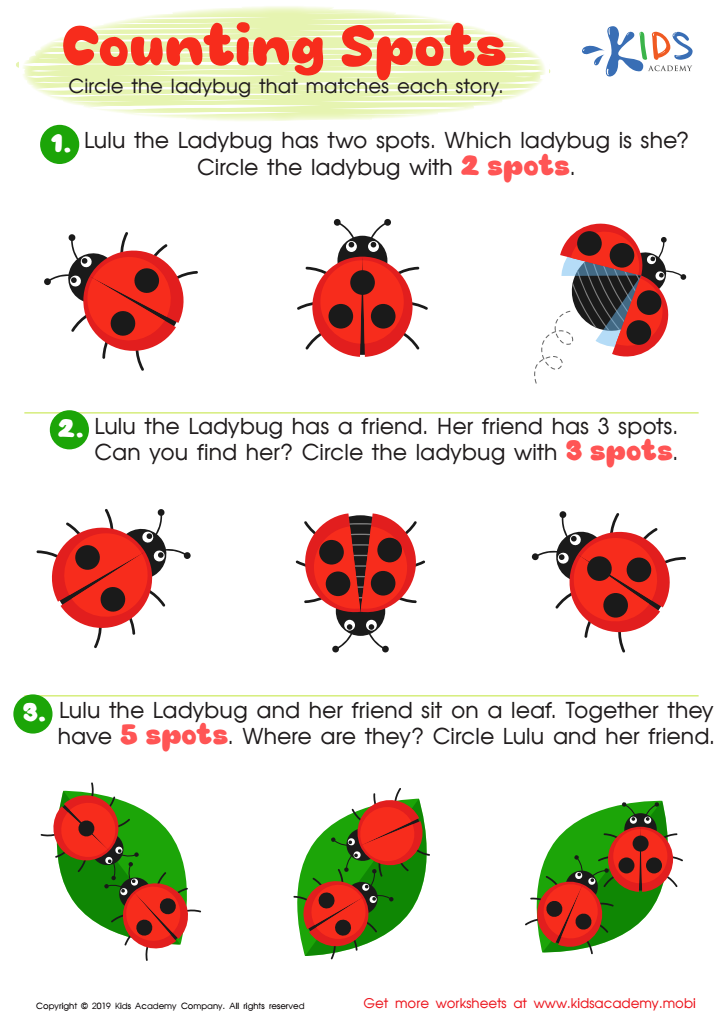
Counting Spots Worksheet
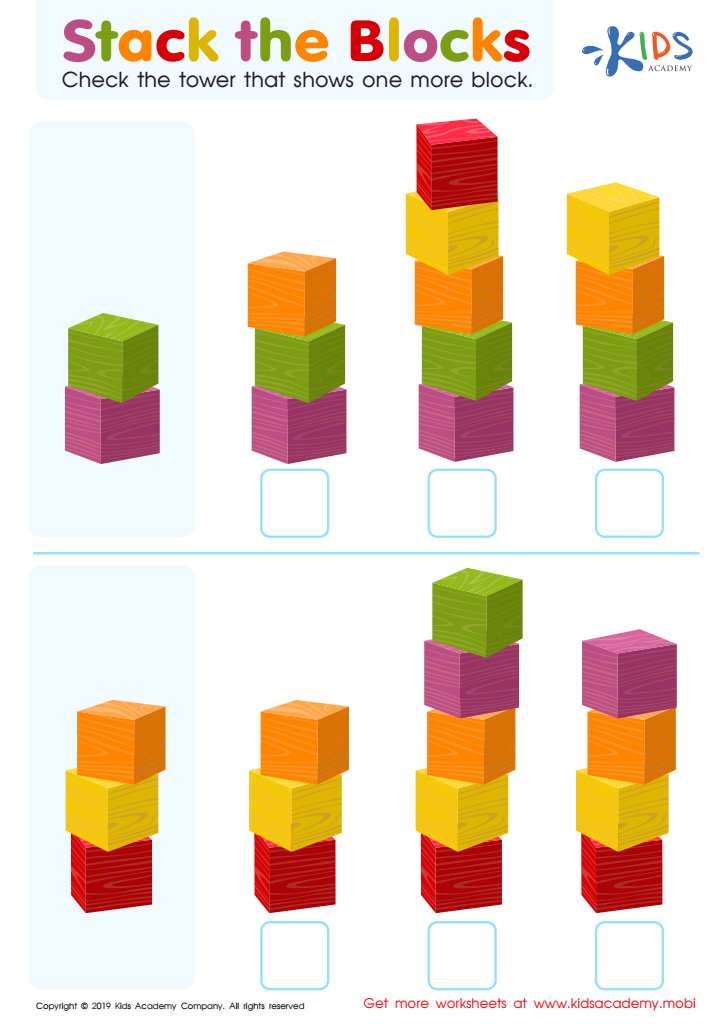
Stack the Blocks Worksheet
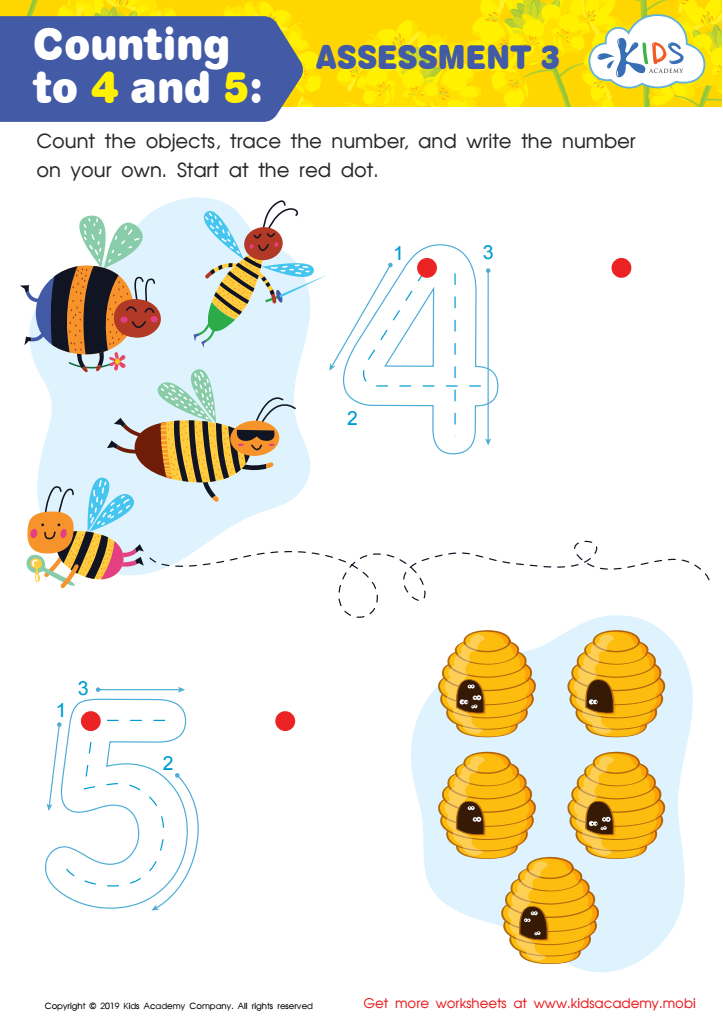
Counting to 4 and 5: Assessment 3 Worksheet



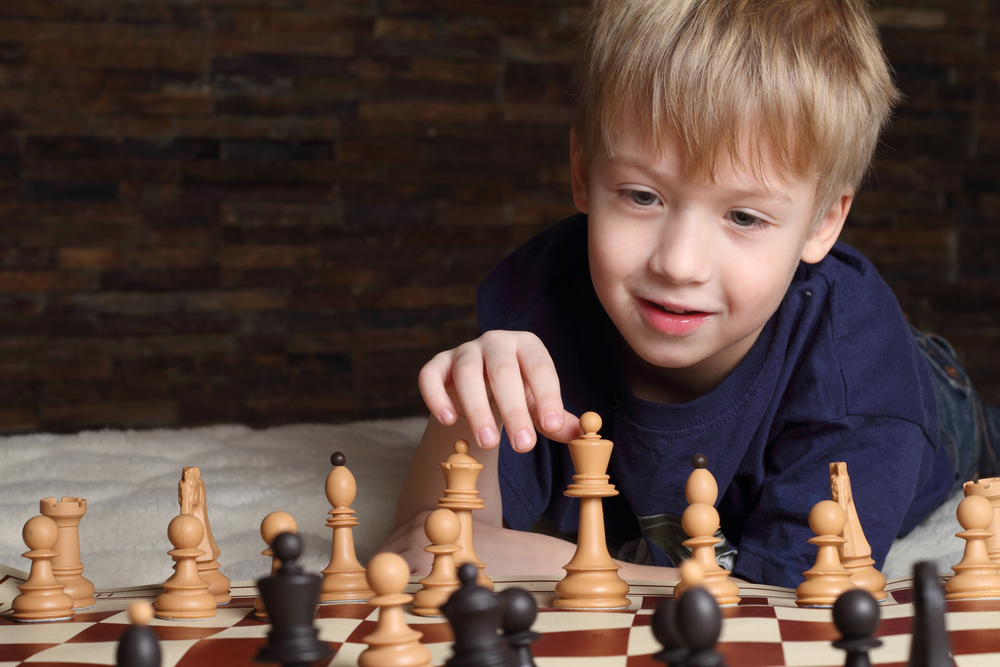



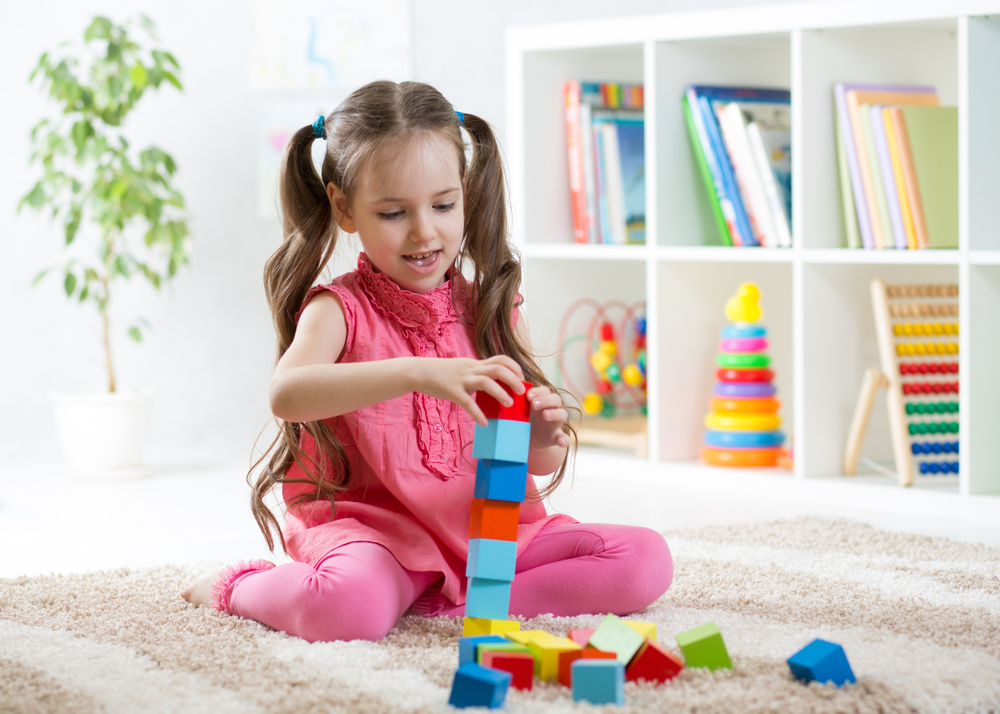
Parents and teachers should care deeply about number comparison in preschool math because it lays the foundational groundwork for more advanced mathematical and cognitive skills. Number comparison, essentially understanding which numbers are bigger, smaller, or equal, helps preschoolers develop a basic sense of numeracy. This fundamental concept is crucial not only for more complex arithmetic learning later on but also for everyday activities that require quick mental assessments, like comparing quantities and making decisions based on numerical information.
Developing these skills early also supports language development as children learn to express their understanding of numbers and quantitatively describe their world. Furthermore, engaging in number comparison activities teaches children critical thinking and problem-solving skills, which are valuable across all areas of learning and day-to-day life.
From a social-emotional perspective, mastering these basic math skills can boost a child's confidence and encourage a positive attitude toward learning overall. Engaging with number comparisons in playful and fun ways, both at home and in preschool, ensures that young children find joy in learning and are more likely to carry these positive experiences forward as they encounter more challenging educational material. Thus, investing attention in number comparison not only supports academic achievement but also fosters a love for learning that can last a lifetime.