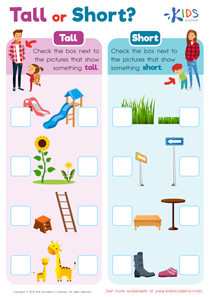
Problem-Solving Skills Preschool Math Worksheets - Page 5
100 filtered results
-
From - To
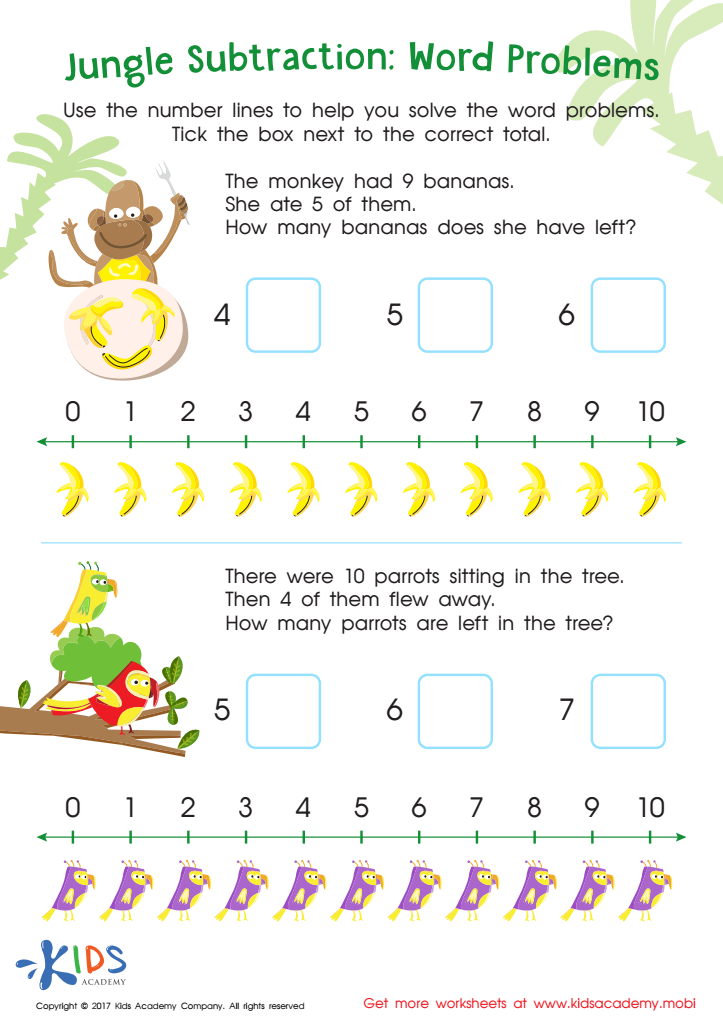
Jungle Subtraction Word Problems Substraction Worksheet
 Assign to My Students
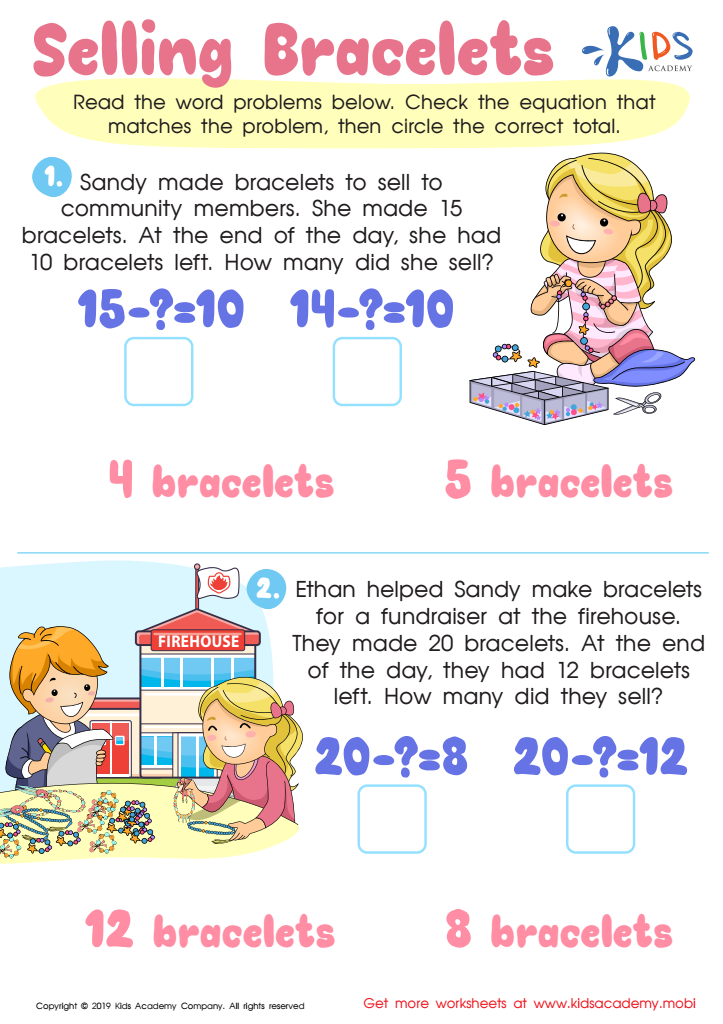
Selling the Bracelets Worksheet
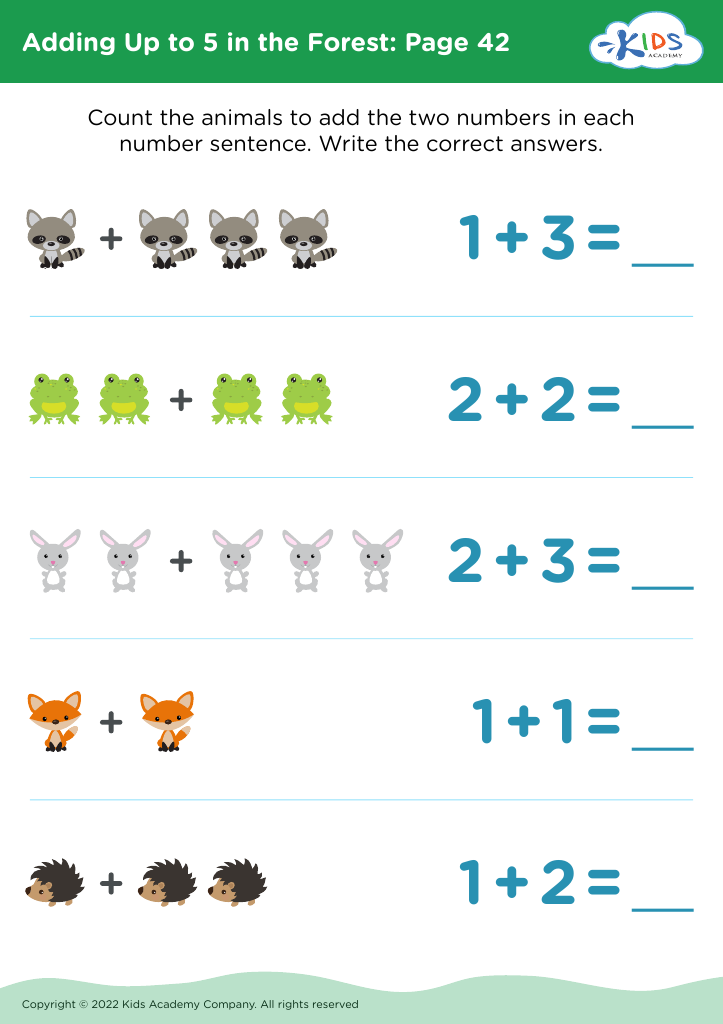








Problem-solving skills in preschool math are essential for young children's overall development and future academic success. First, these skills help children develop critical thinking abilities. When preschoolers learn to approach a problem, break it down, and explore different solutions, they become more adept at analyzing situations and making informed decisions.
Moreover, problem-solving fosters resilience. Children often face challenges in math, and learning to persevere through difficulties builds their confidence and encourages a growth mindset. This attitude not only relates to math but extends to other subjects and life situations.
Additionally, preschool math lays the groundwork for more complex mathematical concepts. Early exposure to problem-solving helps children grasp fundamental ideas like patterns, shapes, and quantities, which are crucial as they progress in their education. Engaging in activities that promote problem-solving stimulates cognitive development, enhancing creativity and innovation.
Finally, parents and teachers play a critical role in modeling these skills. By incorporating engaging, real-life problems into daily routines, they can show children that mathematics is not just numbers but a tool for understanding the world around them. Nurturing these skills in preschool sets the stage for lifelong learning, empowering children to become confident and capable individuals.