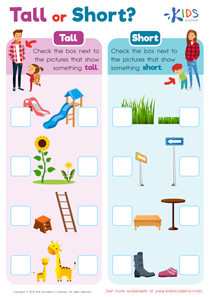
Understanding numerical values Preschool Math Worksheets
4 filtered results
-
From - To
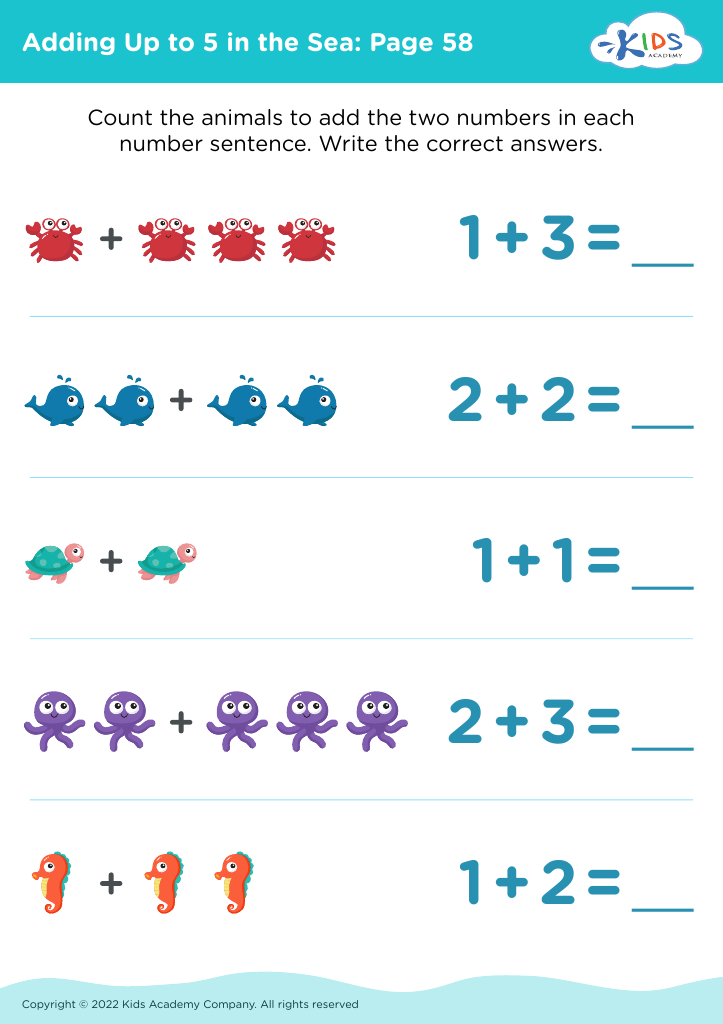
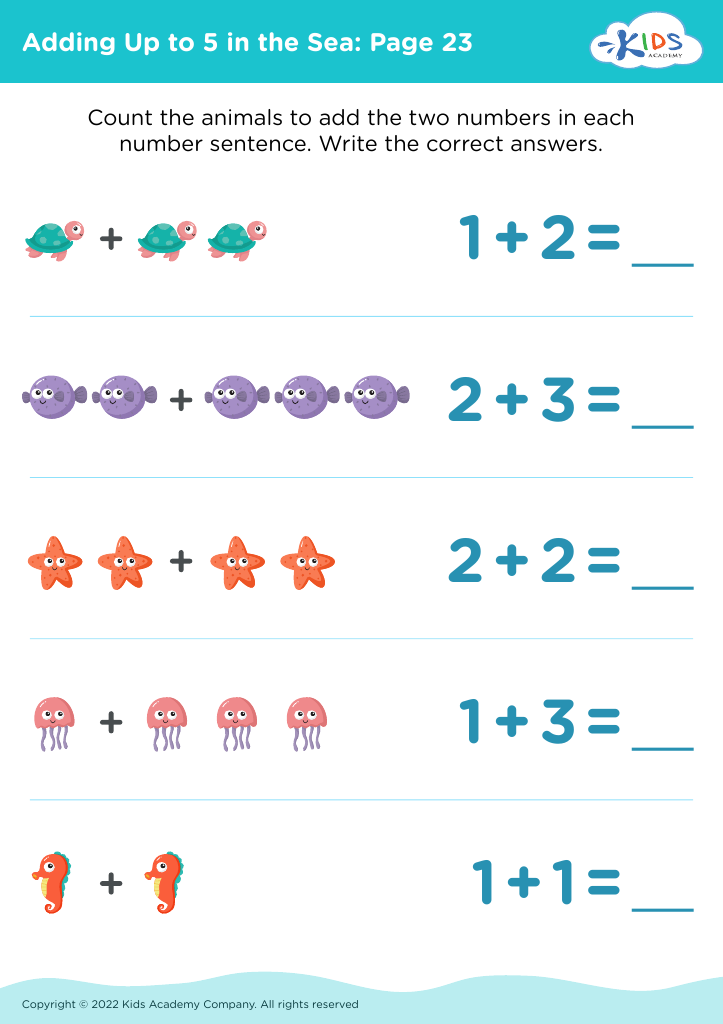
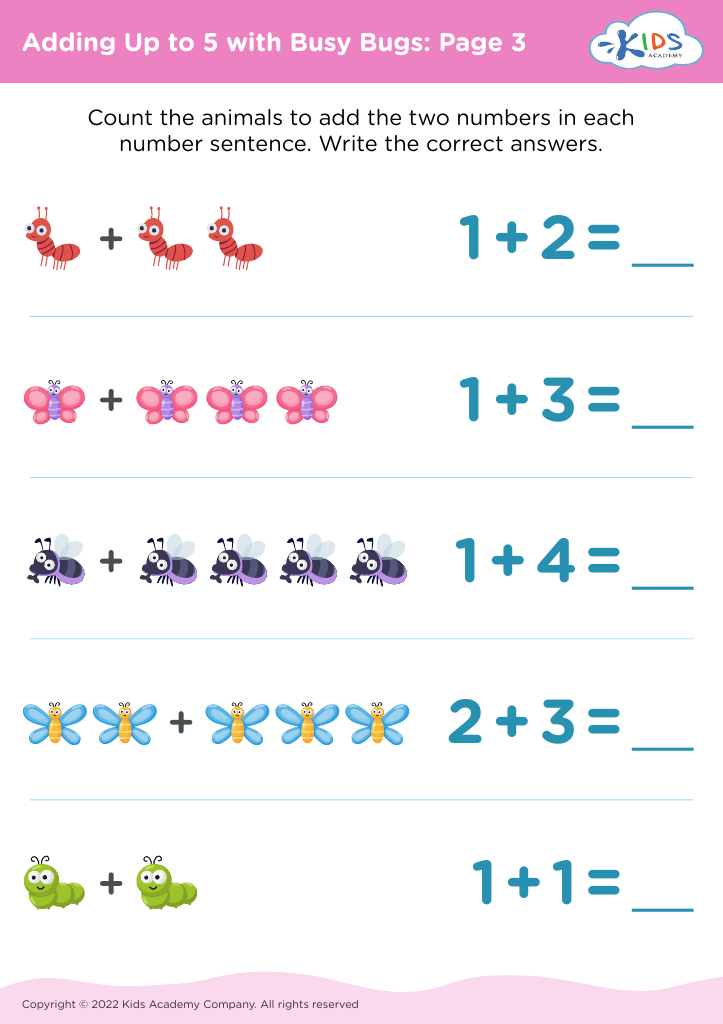
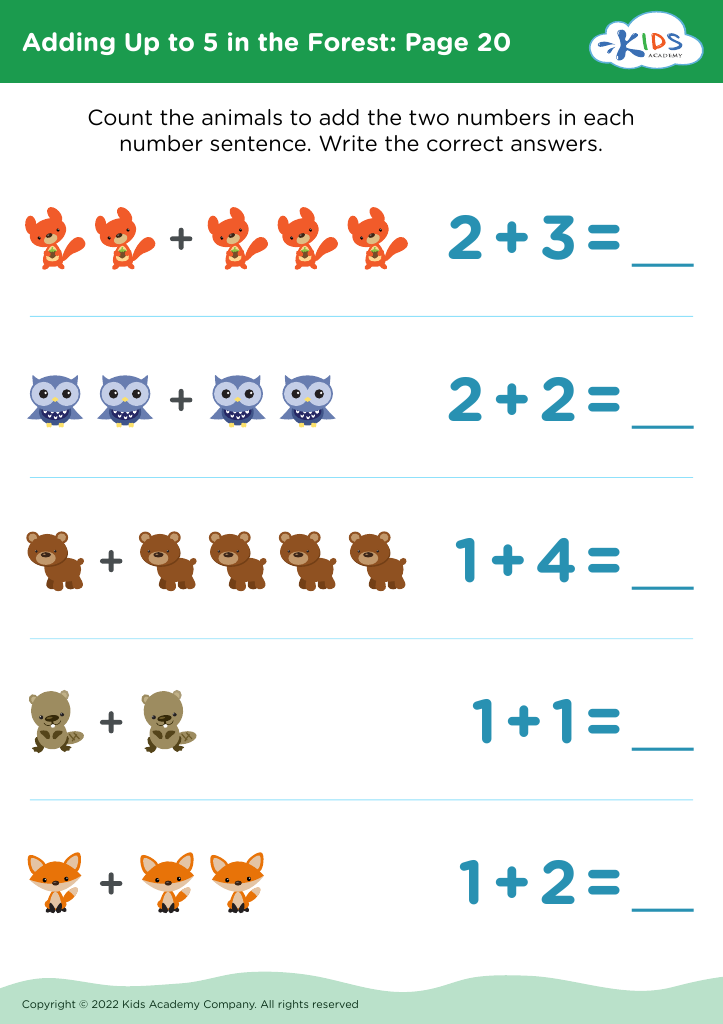
Empower your preschooler’s mathematical journey with our Understanding Numerical Values worksheets! Designed to introduce young learners to the fundamental concepts of numbers, these engaging printables help children develop a strong foundation in math. Through colorful visuals and interactive activities, kids will explore number recognition, counting, and comparing quantities. Each worksheet is crafted to cater to different learning styles, ensuring that every child discovers the joy of math. Perfect for use at school or home, these resources encourage hands-on learning, fostering essential skills for future success. Begin your child’s exciting math adventure today with our user-friendly and fun worksheets!




.jpg)



Understanding numerical values in preschool math is crucial for young children’s cognitive development and future academic success. Early exposure to numbers helps kids build a strong foundation in math, which is core to many subjects they will encounter later, such as science and economics. When kids grasp numerical values, they learn to quantify objects, compare sizes, and understand foundational concepts like addition and subtraction, all of which support skills in problem-solving and critical thinking.
Moreover, mastering numerical values can enhance a child’s confidence and reduce math anxiety in later years. When parents and teachers prioritize numerical understanding, they foster a positive learning environment and encourage curiosity about numbers in everyday life—whether counting toys, measuring ingredients for a recipe, or observing patterns in nature.
Additionally, solid early math skills correlate with improved social skills, as children learn to work collaboratively during math-related activities. In today's technologically driven world, mathematical competence is essential, and early intervention can help bridge gaps that might lead to struggles further along in the education system. By promoting a strong comprehension of numerical values, parents and teachers play a pivotal role in preparing children for lifelong academic and personal success.