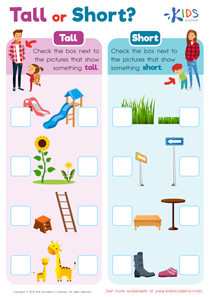
Visual discrimination Preschool Math Worksheets
10 filtered results
-
From - To
Enhance your preschooler’s math skills with our Visual Discrimination Worksheets! Designed specifically for young learners, these engaging activities help children develop the critical ability to notice differences and similarities in shapes, numbers, and objects. By incorporating fun and interactive exercises, kids will practice sorting, matching, and identifying visual patterns, foundation skills essential for early math literacy. Our worksheets are tailored to meet preschool standards, ensuring that your little ones enjoy a challenging yet supportive learning environment. Download our Visual Discrimination Preschool Math Worksheets today and watch your child's confidence and math proficiency grow! Perfect for home and classroom use.
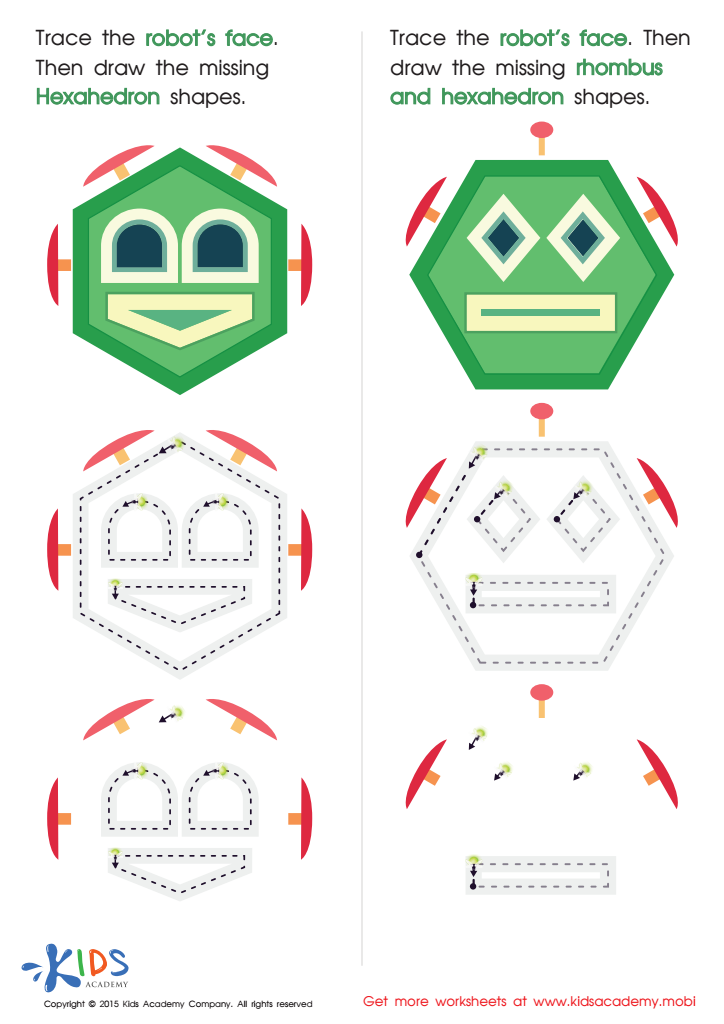
Practice Drawing Hexahedrons And a Rhombus Worksheet
 Assign to My Students
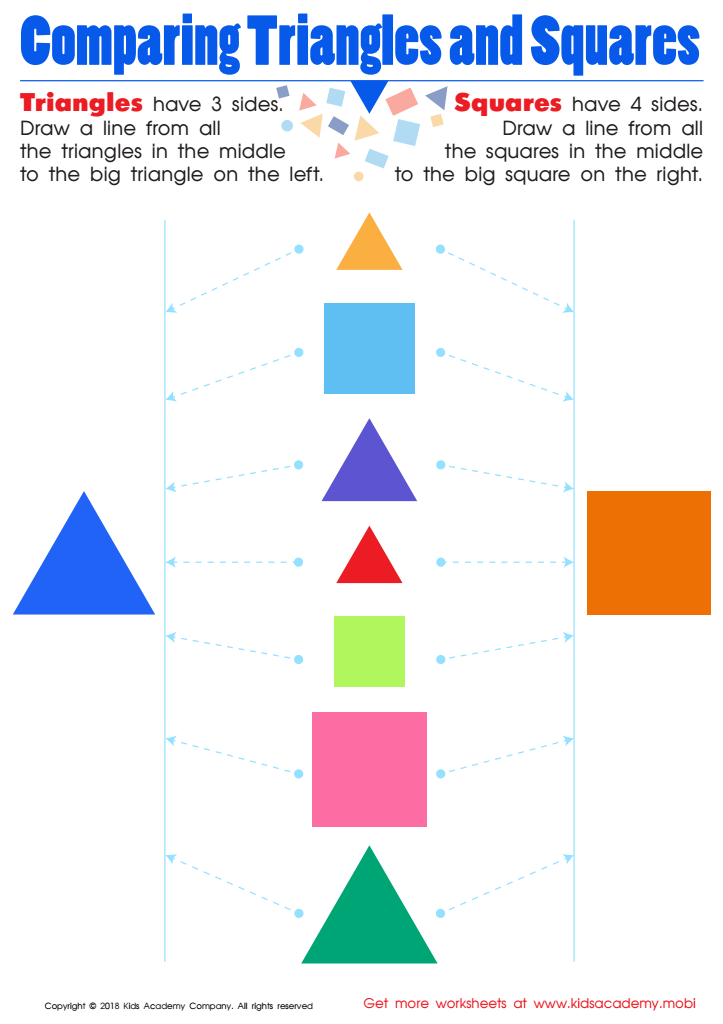
Comparing Triangles Squares Worksheet
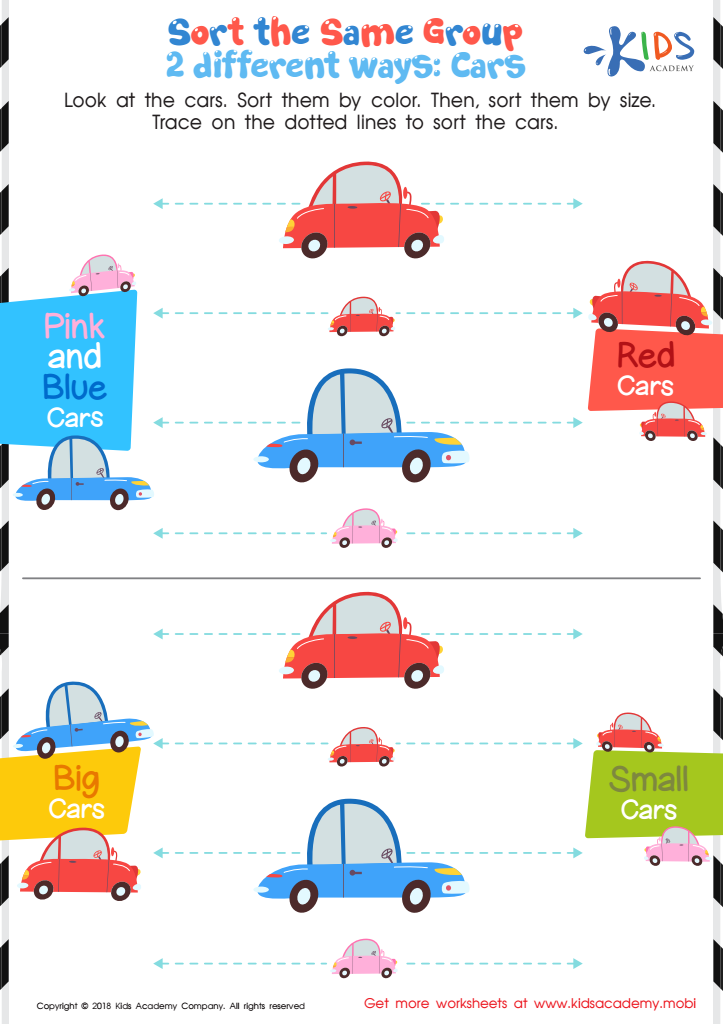
Sort the Same Group 2 Different Ways: Cars Worksheet
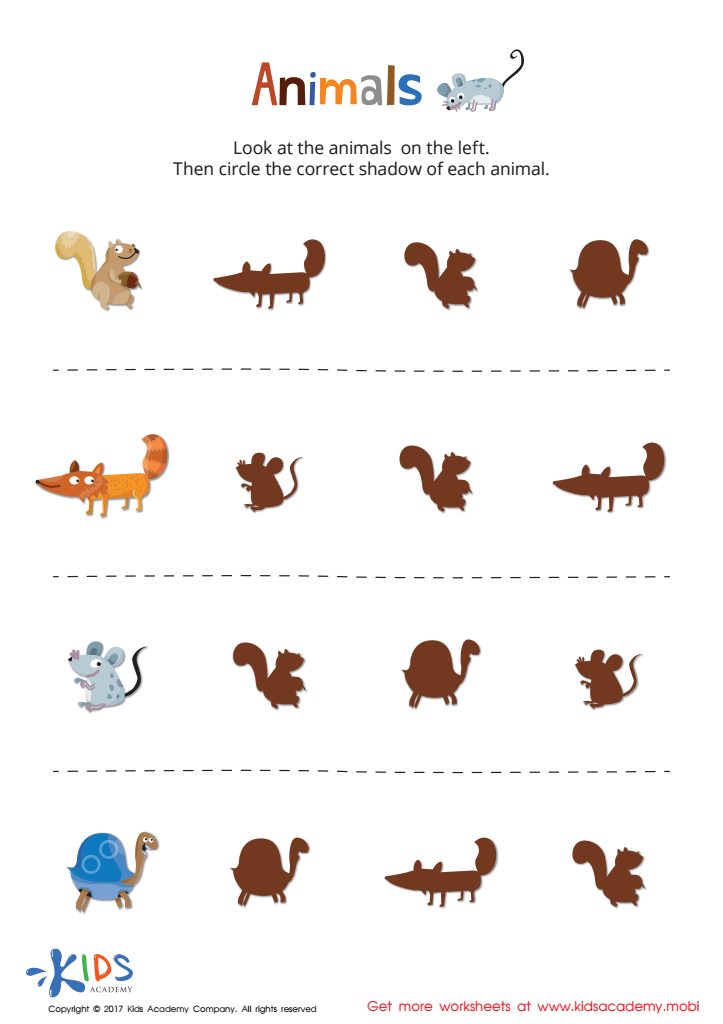
Animal Shadows Sorting Worksheet
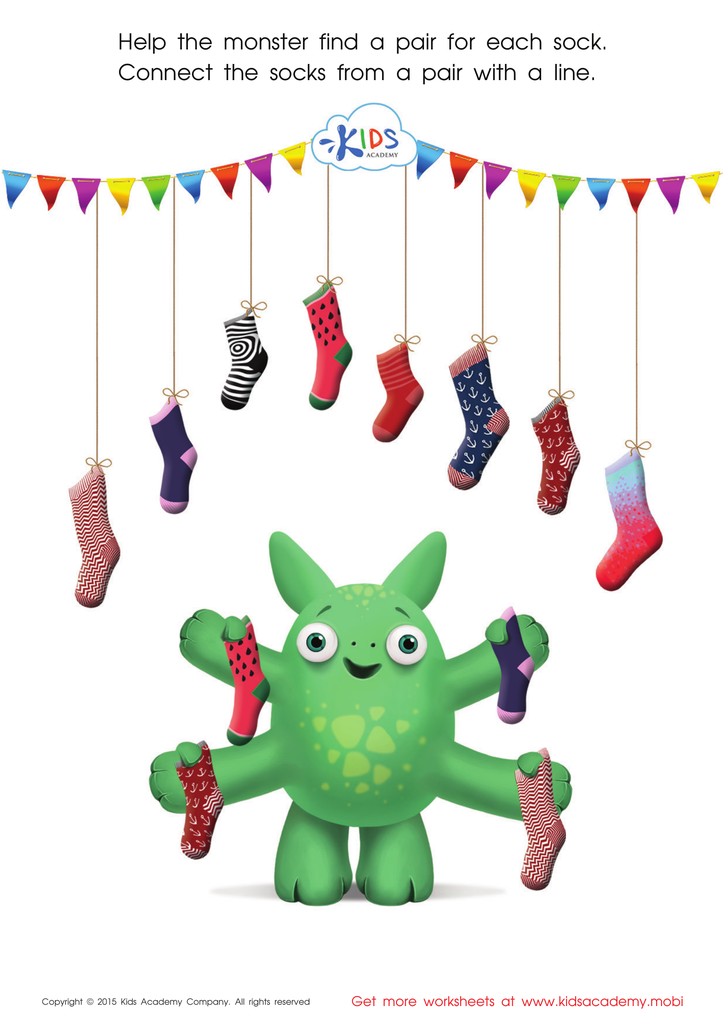
Math Matching Game: Monsterв's Socks Worksheet
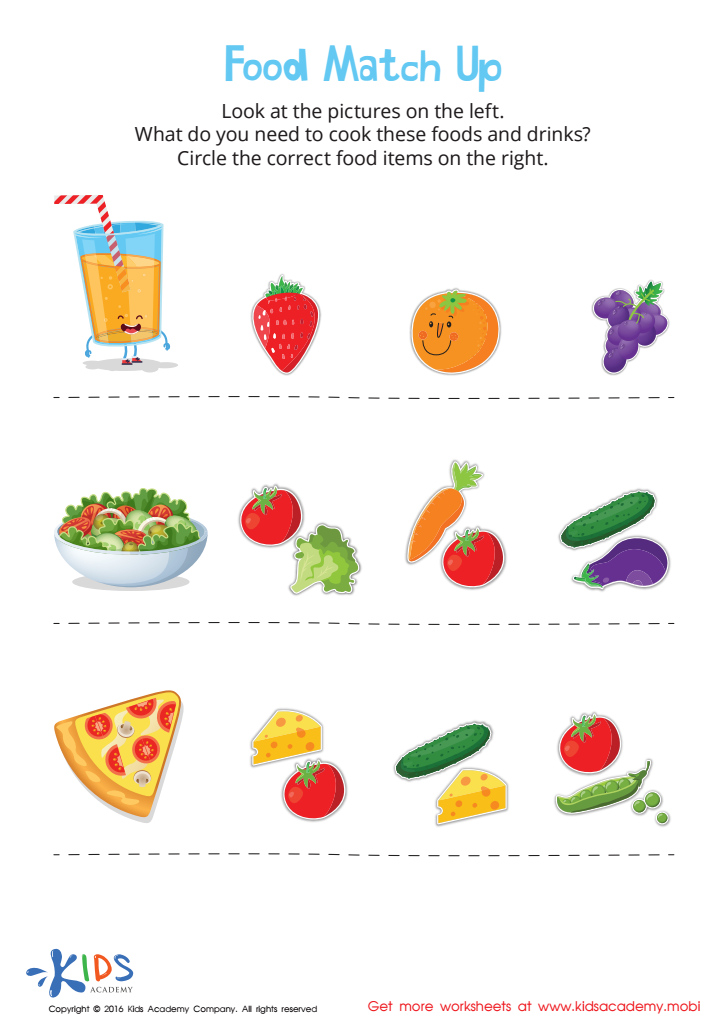
Food Match Up Worksheet
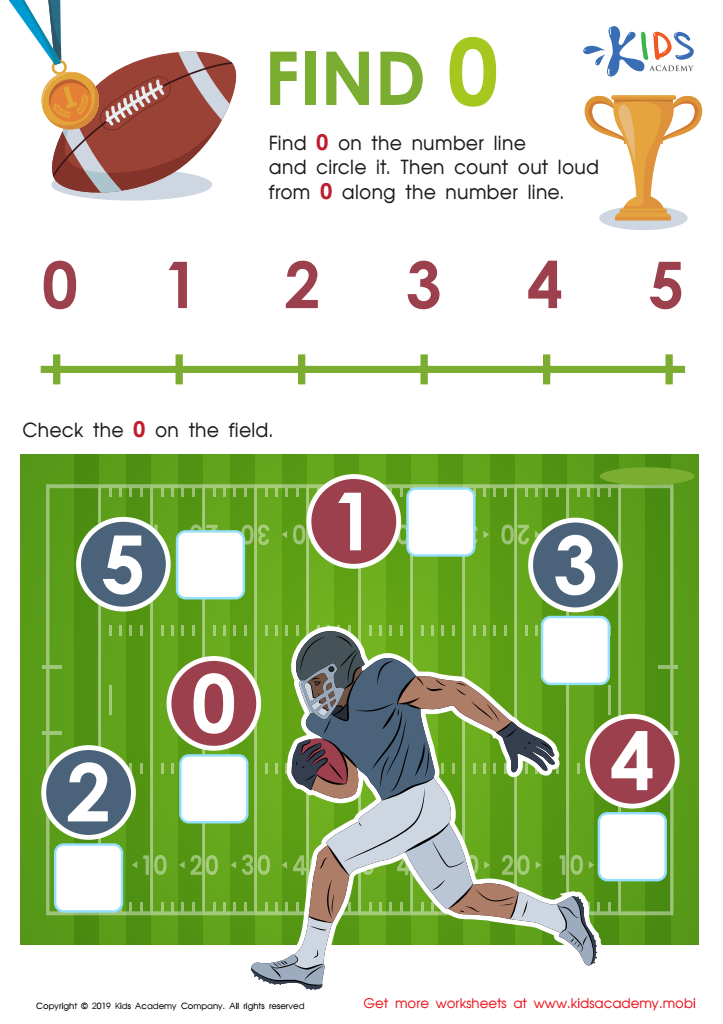
Find 0 Worksheet
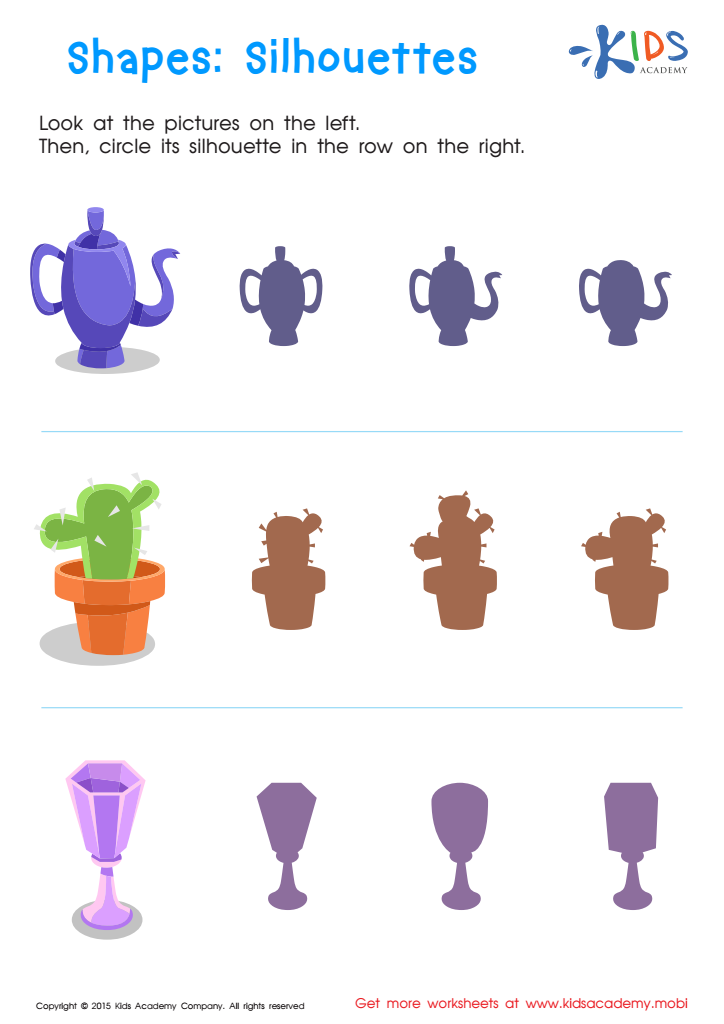
Silhouettes – Shapes Worksheet








Visual discrimination is a crucial skill in preschool math that plays a significant role in a child's cognitive development and future academic success. This skill involves the ability to notice differences and similarities in shapes, sizes, patterns, and colors, which are foundational for understanding mathematical concepts. As children learn to distinguish between various objects and quantities, they develop their analytical skills and enhance their problem-solving abilities, both essential for later math proficiency.
Parents and teachers should prioritize visual discrimination because it fosters early numeracy skills and enhances children's ability to visualize mathematical concepts, such as grouping, sorting, and comparing. These skills facilitate the understanding of more complex ideas like addition and subtraction in later grades. Additionally, strong visual discrimination supports broader cognitive development, helping children improve their focus, memory, and critical thinking.
Engaging in activities that promote visual discrimination—such as sorting games, pattern recognition, and spatial reasoning exercises—can significantly benefit children’s learning. By supporting this skill early on, educators and parents can set a strong foundation for lifelong learning, ensuring children are better equipped to tackle academic challenges as they progress through school. Investing in these early experiences ultimately contributes to a child's confidence and success in mathematics and beyond.