Visual discrimination Preschool Matching Worksheets
3 filtered results
Difficulty Level
Grade
Age
-
From - To
Subject
Activity
Standards
Discover our engaging Visual Discrimination Preschool Matching Worksheets designed to enhance your child's learning experience! These worksheets provide fun, interactive activities that help young learners develop critical visual discrimination skills—essential for early math and reading success. By matching items based on size, shape, color, and patterns, children sharpen their observation abilities while gaining confidence in their cognitive skills. Perfect for at-home learning or classroom activities, our worksheets encourage exploration and creativity in a supportive environment. Let’s make learning enjoyable and effective with these exciting resources for preschoolers! Visit us to explore a variety of printable worksheets tailored to stimulate young minds.
Favorites
With answer key
Interactive
 Assign to My Students
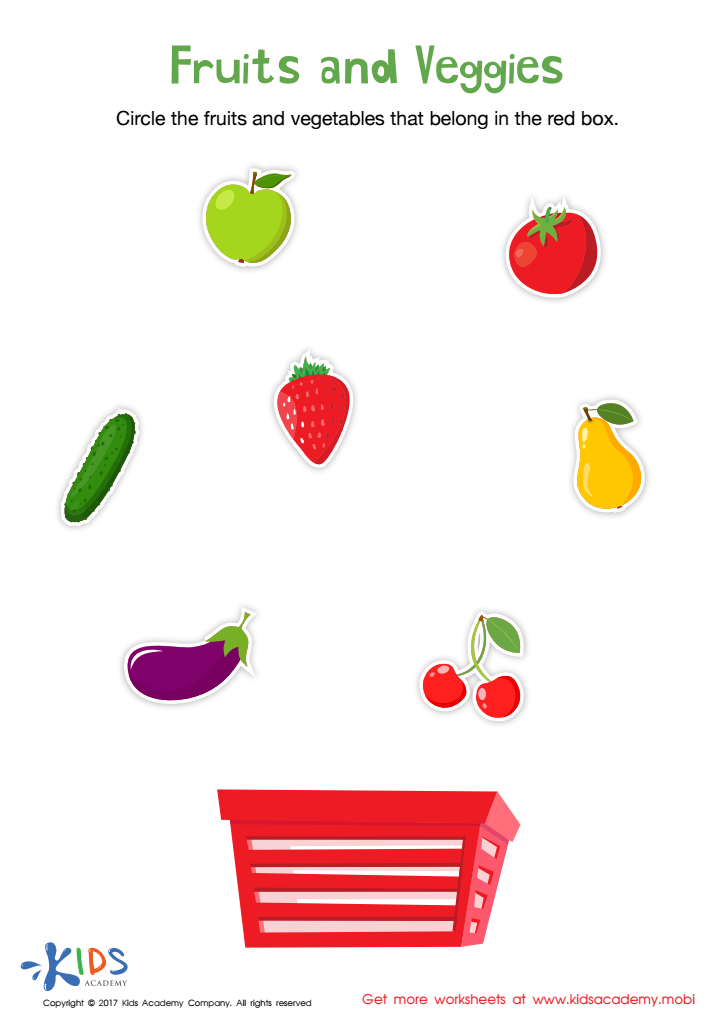
Classifying Fruits and Veggies by Color Sorting Worksheet
Worksheet
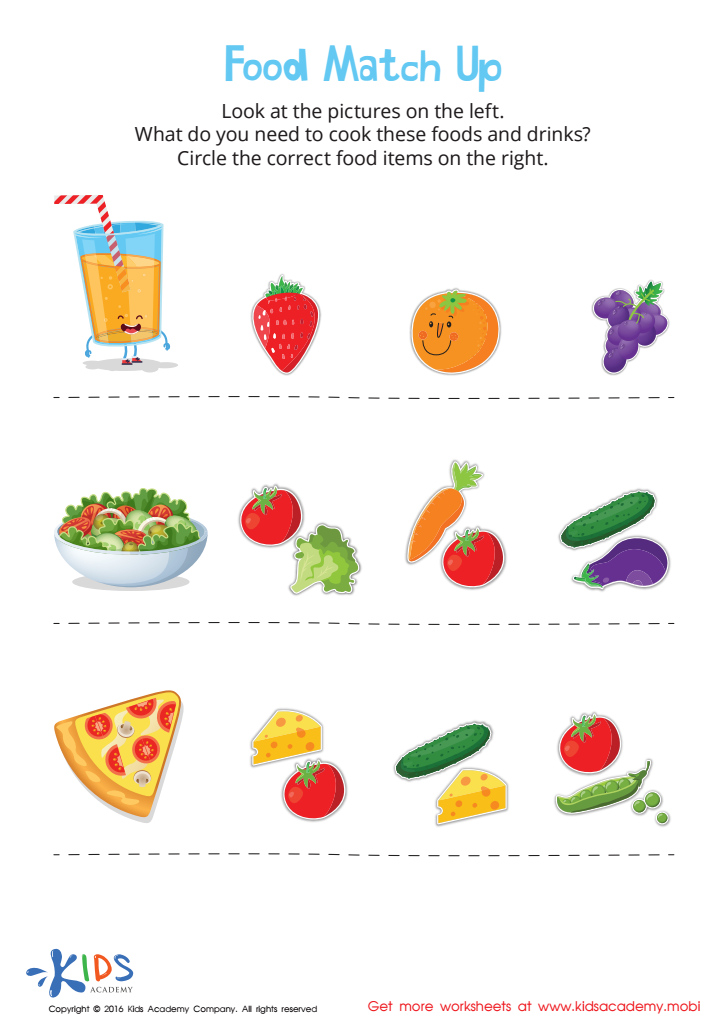
Food Match Up Worksheet
This worksheet will help your preschooler develop early math and cognitive skills. It challenges them to pay attention to details, understand how smaller parts make a whole, and increase important matching skills. Use it to give them a hands-on learning experience in the kitchen, and watch them understand how ingredients come together to make something delicious!
Food Match Up Worksheet
Worksheet
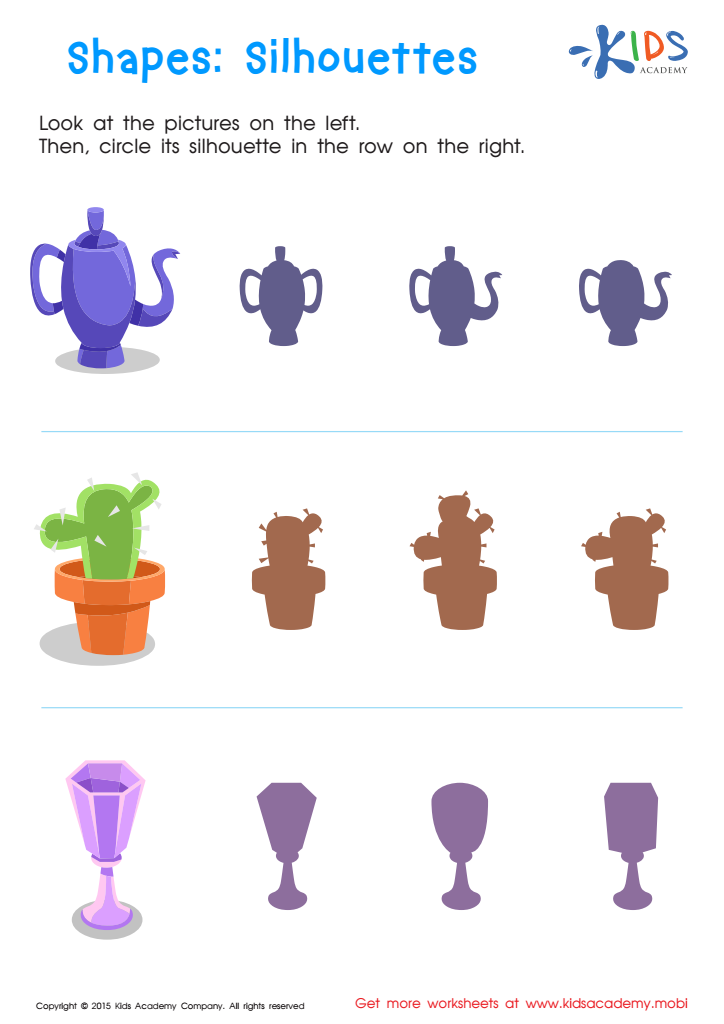
Silhouettes – Shapes Worksheet
Kids can have fun while learning to compare sizes with this silhouettes shapes worksheet! Matching pictures to silhouettes helps them build early math skills, while enjoying the activity!
Silhouettes – Shapes Worksheet
Worksheet
Join Kids Academy for Free
Who is primarily going to use this learning content?




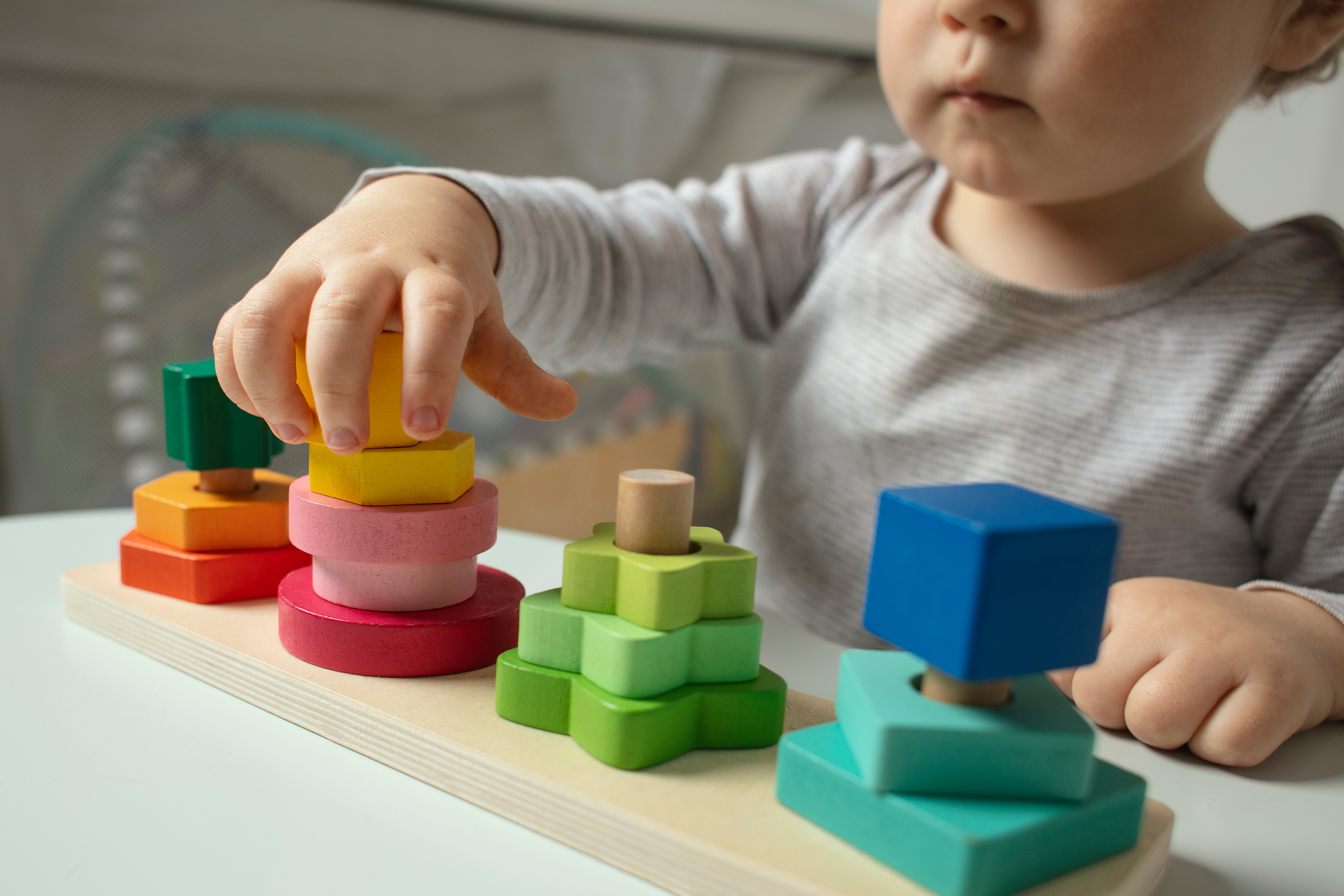



Visual discrimination is a critical skill in early childhood development, particularly in preschool. It refers to the ability to discern differences and similarities between shapes, sizes, colors, patterns, and objects. This skill forms the foundation for essential tasks that children will encounter later in their education, such as reading, writing, and mathematics.
When engaging in activities that involve visual discrimination, like matching games, children enhance their ability to focus and attend to details. This enhances their cognitive development and aids them in categorizing items and understanding concepts such as more vs. less or identical vs. different. Parents and teachers should prioritize these activities as they foster critical thinking, problem-solving, and observational skills.
Moreover, improving visual discrimination can serve as a precursor to stronger literacy skills. Recognizing letters and numbers with variations becomes easier for children who have practiced these foundational skills early on. Additionally, engaging groups in matching games strengthens social interaction and collaboration, laying the groundwork for effective communication.
Overall, nurturing visual discrimination through matching activities supports children in developing a wide array of skills necessary for academic success and the ability to navigate their environments more effectively. Parents and teachers alike play a vital role in this developmental journey.