Vocabulary development Preschool Matching Worksheets
3 filtered results
Difficulty Level
Grade
Age
-
From - To
Subject
Activity
Standards
Enhance your preschooler's language skills with our Vocabulary Development Matching Worksheets. These dynamic, fun-filled worksheets are designed to engage young learners while helping them build crucial vocabulary. Each activity encourages children to match pictures with words, promoting word recognition and language comprehension. Ideal for ages 3-5, these worksheets support early reading skills and cognitive development. Whether used in the classroom or at home, they provide an interactive way to reinforce learning. Help your child excel in their language journey with our expertly crafted resources tailored for young minds eager to explore the world of words.
Favorites
With answer key
Interactive
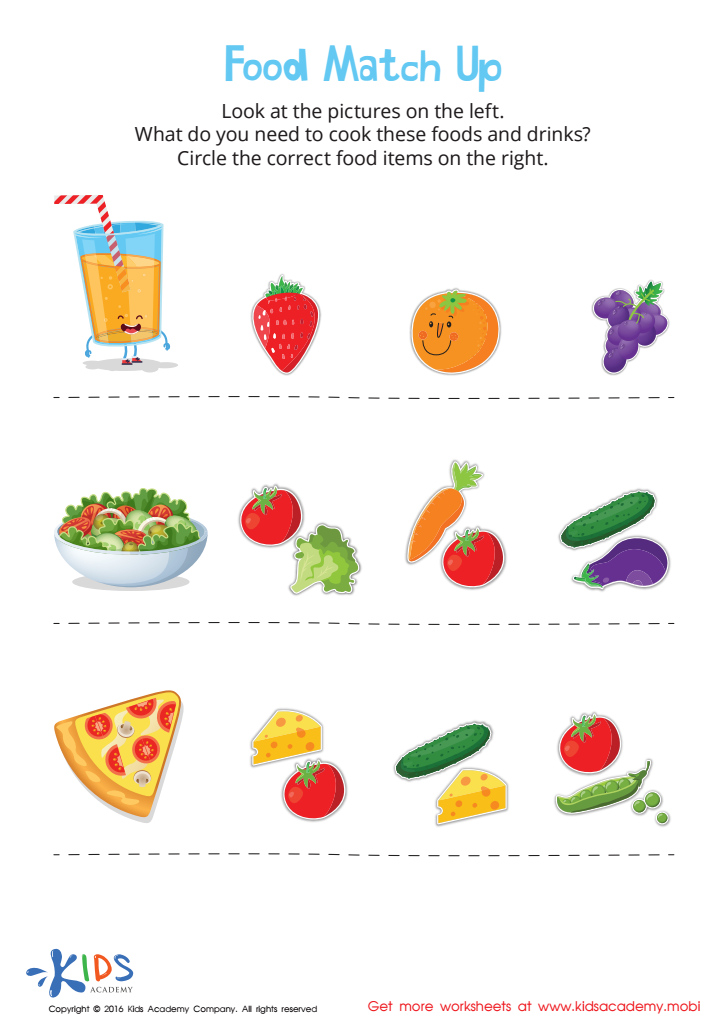
Food Match Up Worksheet
This worksheet will help your preschooler develop early math and cognitive skills. It challenges them to pay attention to details, understand how smaller parts make a whole, and increase important matching skills. Use it to give them a hands-on learning experience in the kitchen, and watch them understand how ingredients come together to make something delicious!
 Assign to My Students
Food Match Up Worksheet
Worksheet
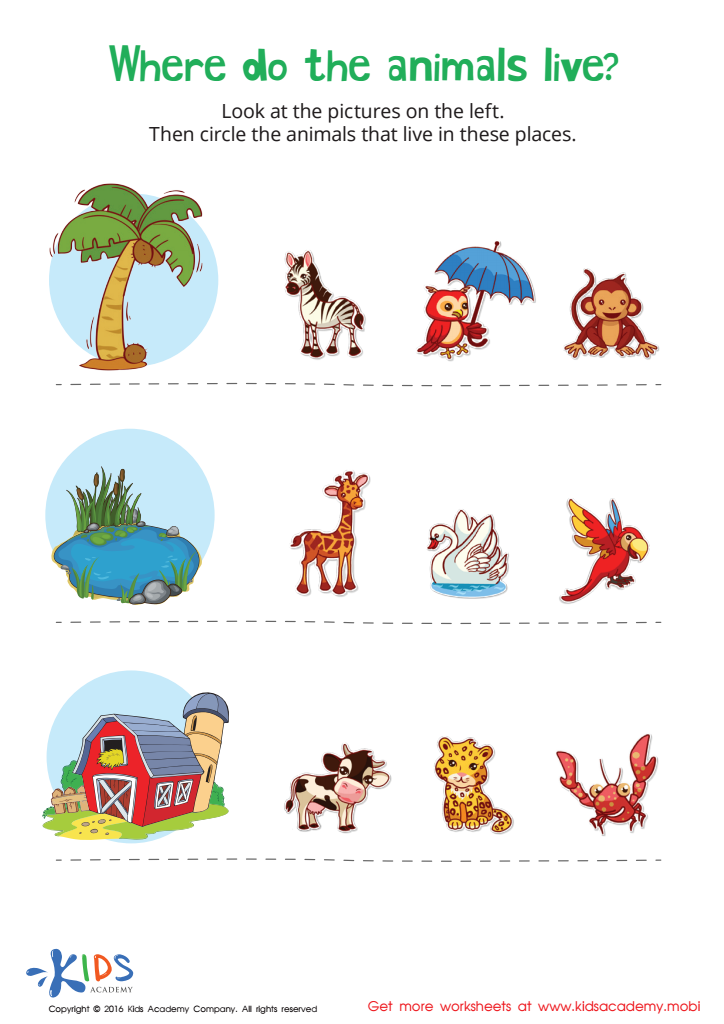
Where Animals Live Worksheet
Teaching early reading and math skills is important, but don't forget about science. With the Where Animals Live PDF worksheet, kids can identify their favorite animals and the environments they live in. Ask them what type of environment the animals like and introduce them to geography. It's great for logical reasoning and classification skills. Your kid will practice with their favorite animals and love the trip to the zoo afterwards!
Where Animals Live Worksheet
Worksheet
Join Kids Academy for Free
Who is primarily going to use this learning content?



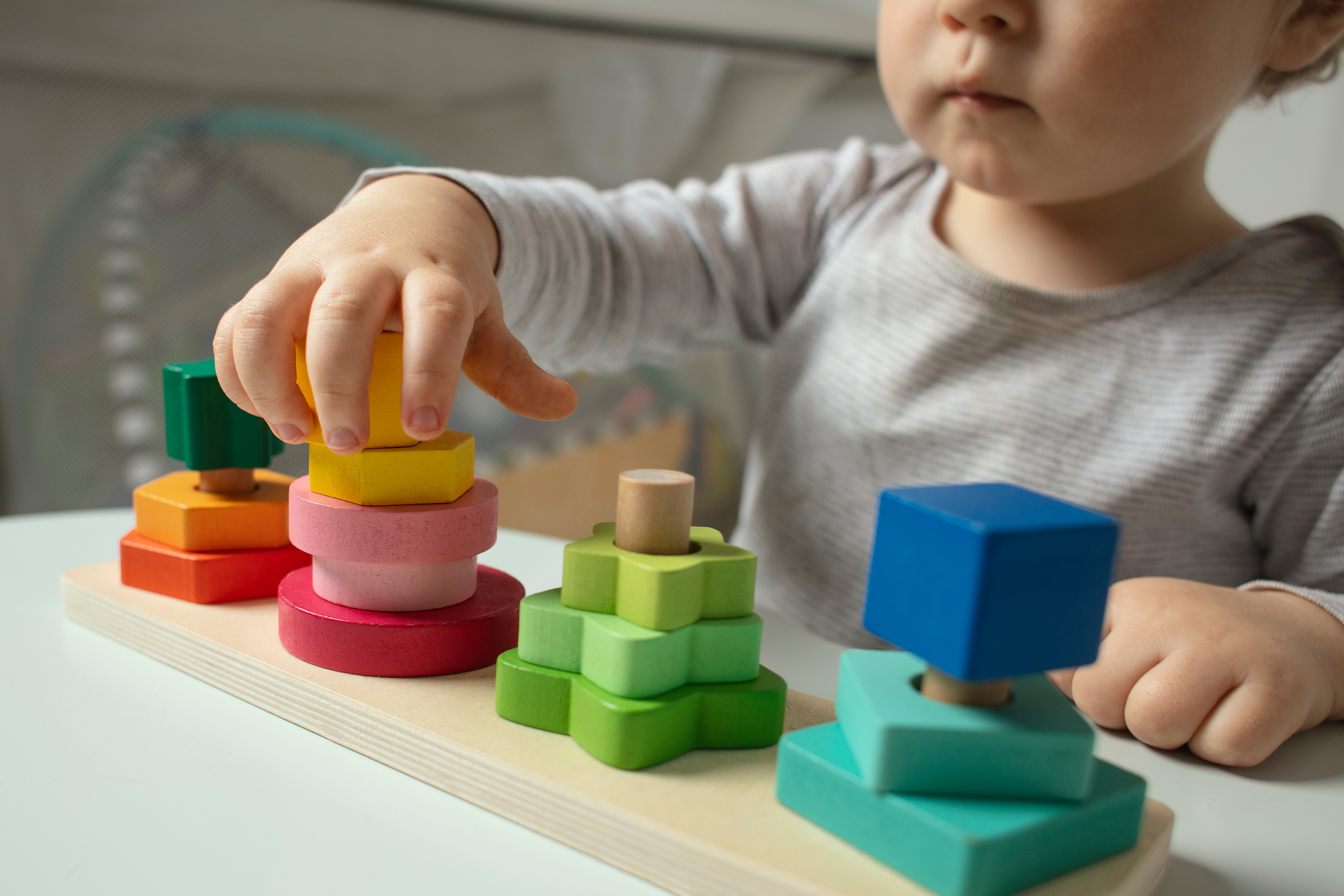




Vocabulary development in preschool through matching activities is crucial for both parents and teachers, as it lays a foundational block for children's overall language acquisition and future academic success. During early childhood, children's brains are exceptionally receptive to learning new words and concepts. Engaging in vocabulary matching activities can significantly enhance their ability to recognize and comprehend words, which in turn improves listening, speaking, reading, and writing skills.
For parents, participating in these activities opens up an opportunity to bond with their children in a constructive manner, fostering a positive learning environment. It allows parents to actively contribute to their child's educational journey, making them more invested in and aware of their developmental progress.
Teachers, on the other hand, can strategically use vocabulary matching games to assess a child's current language abilities and identify any potential learning gaps early on. Such playful methods of learning also cater to different learning styles, making education more inclusive.
Overall, vocabulary development activities are not just about teaching words; they involve nurturing cognitive abilities, promoting better communication skills, and setting the stage for lifelong a lifelong love of learning. Recognizing its importance, parents and teachers can better prepare children for academic challenges and societal interactions ahead.