Fine Motor Skills Preschool Numbers up to 100 Worksheets
5 filtered results
-
From - To
Unlock your child's potential with our "Fine Motor Skills Preschool Numbers up to 100 Worksheets"! Tailored for young learners, these worksheets are designed to enhance fine motor skills and number recognition up to 100. Each activity involves tracing, writing, and counting, ensuring a solid foundation in early math while fostering hand-eye coordination and pencil control. Perfect for at-home learning or preschool classrooms, our engaging worksheets turn education into an adventure. Watch as your preschooler develops confidence and a love for learning numbers through play and practice. Visit Kids Academy for these fun, educational resources today!
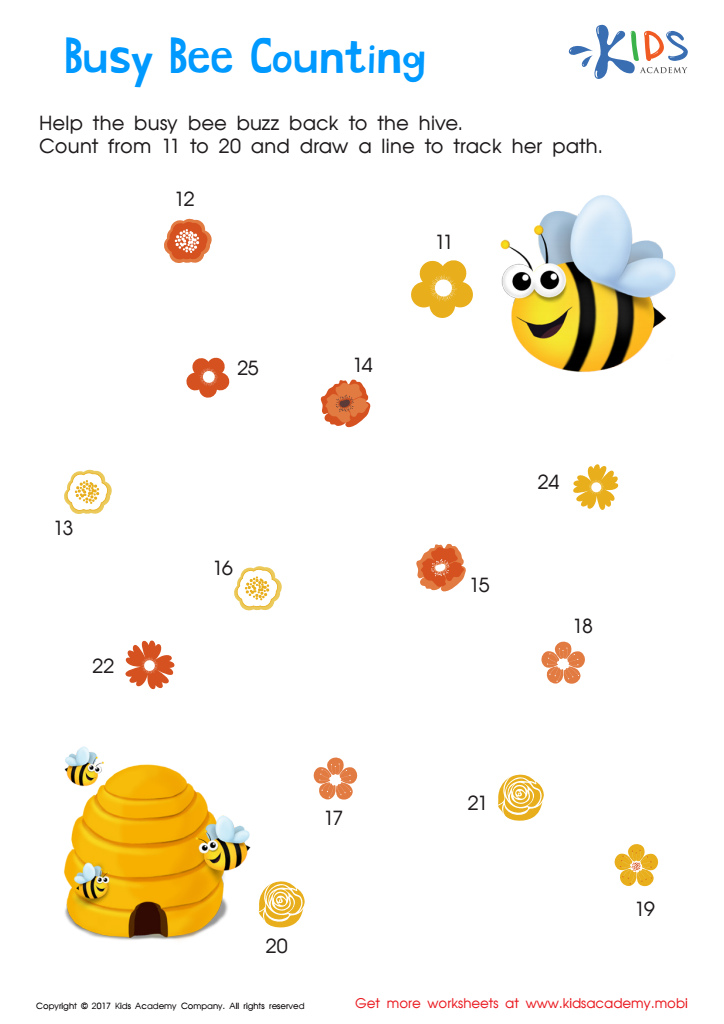
Ordering 11–20: Busy Bee Counting Worksheet
 Assign to My Students
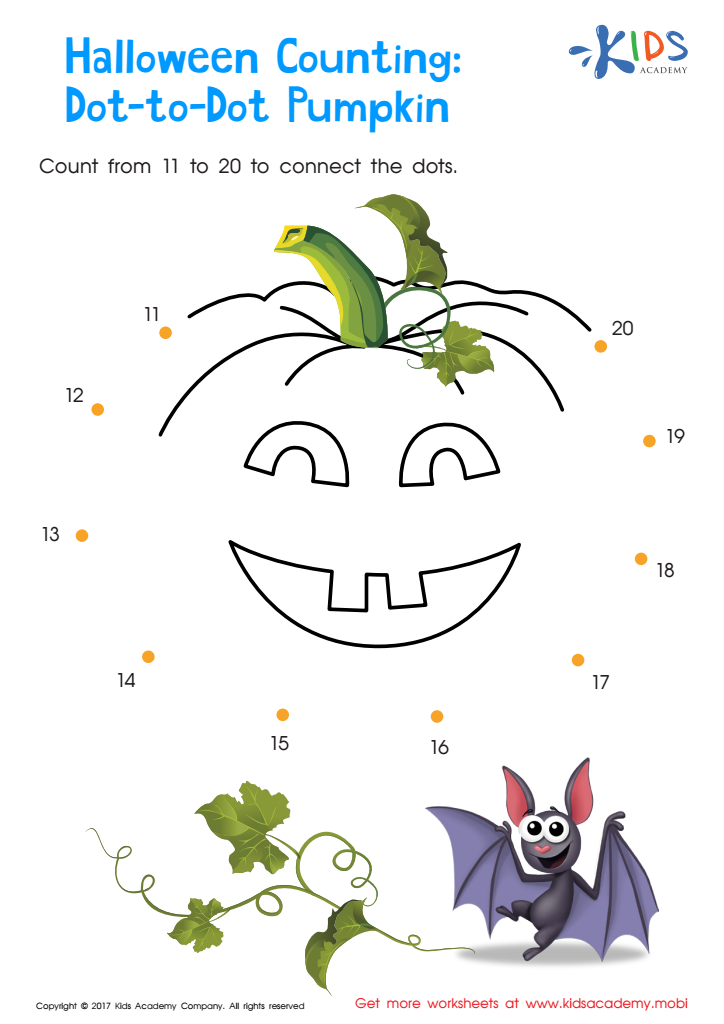
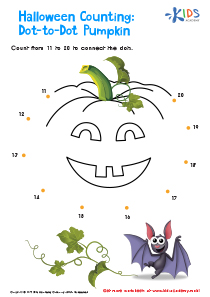
Ordering 11–20: Halloween Counting Worksheet
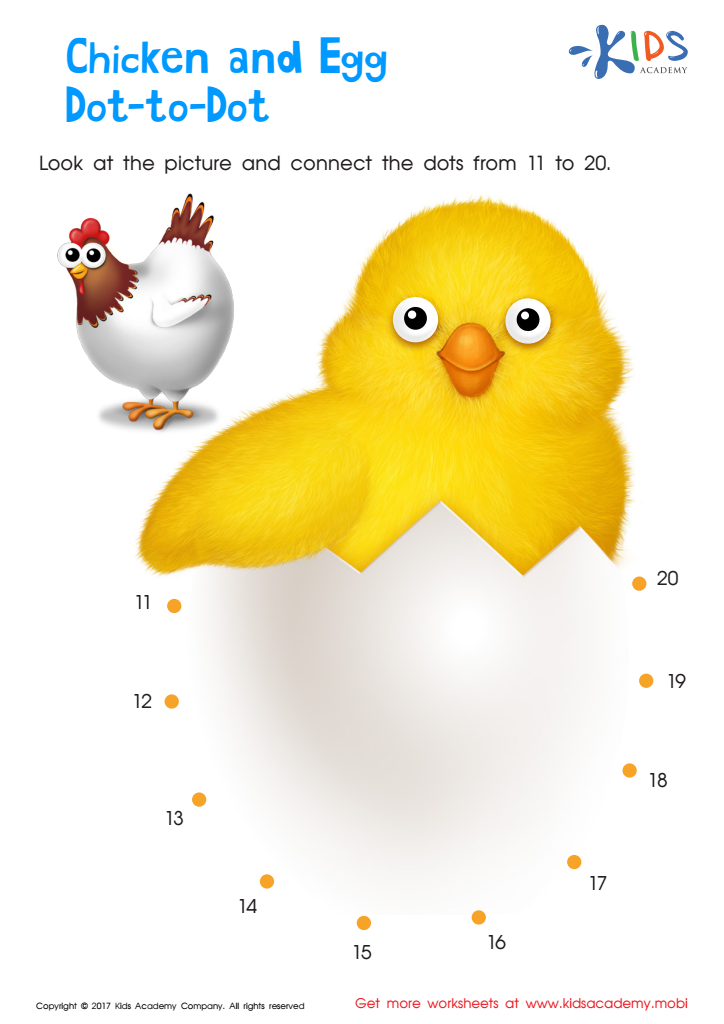
Ordering 11–20: Chicken & Egg Dot–to–dot Worksheet
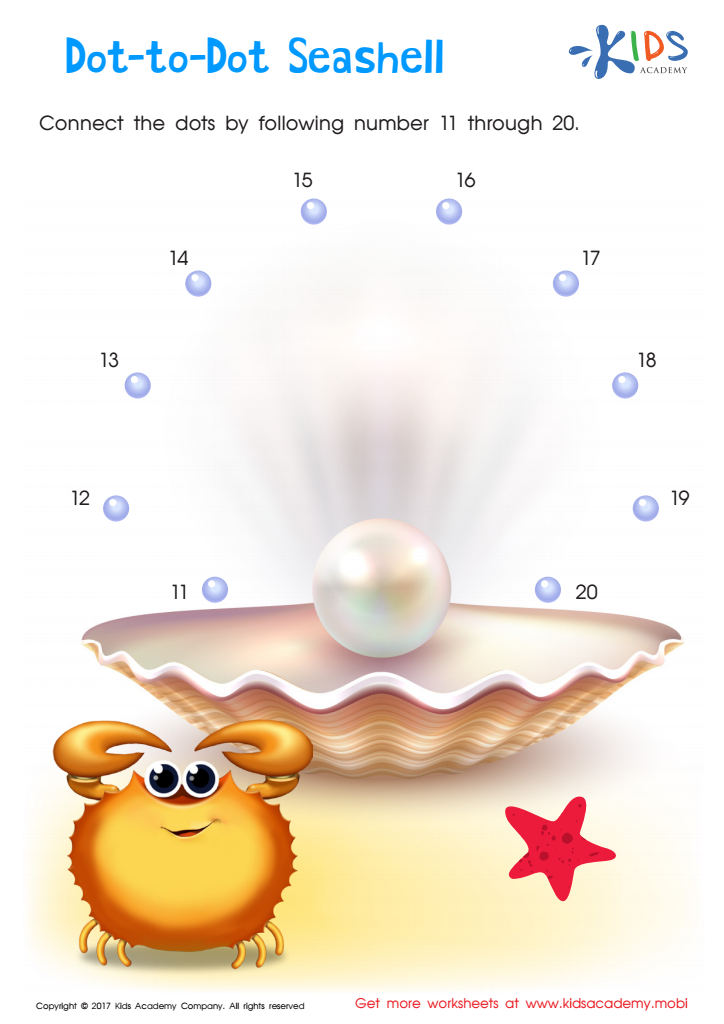
Ordering 11–20: Dot–to–dot Seashell Printable






Parents and teachers should prioritize developing fine motor skills and early number recognition in preschoolers because these foundational abilities significantly influence a child's future educational success and daily life skills. Fine motor skills involve the coordination of small muscles in the hands and fingers, necessary for tasks like writing, buttoning clothes, and using utensils. Enhancing these skills at a young age lays the groundwork for more complex activities, ultimately fostering independence and boosting self-confidence.
Simultaneously, early number recognition, especially up to 100, is essential for developing math literacy and cognitive skills. Understanding numbers helps children grasp basic mathematical concepts, such as counting, addition, and subtraction, which are critical for more advanced topics they will encounter later. Number games and activities also enhance memory, concentration, and problem-solving skills, contributing to overall cognitive development.
By integrating fine motor skills with number learning, children can engage in activities like tracing numbers, counting objects, and drawing shapes. This combined approach ensures a holistic development process where both sets of skills reinforce each other. Consequently, paying attention to these areas in early education ensures children are well-prepared, confident, and capable learners as they progress through their academic journey.