Color recognition Preschool Reading Worksheets
23 filtered results
-
From - To
Introduce your preschoolers to the vibrant world of colors with our Color Recognition Preschool Reading Worksheets! Carefully designed for young learners, these printable worksheets help children identify and name various colors through fun and engaging activities. By incorporating playful exercises, kids can enhance their color recognition skills while developing early reading abilities. Perfect for both classroom and home settings, our resources are aimed at providing a strong foundation in learning colors, which is essential for cognitive development. Encourage your child's learning journey with colorful worksheets that make education an exciting and enjoyable experience!
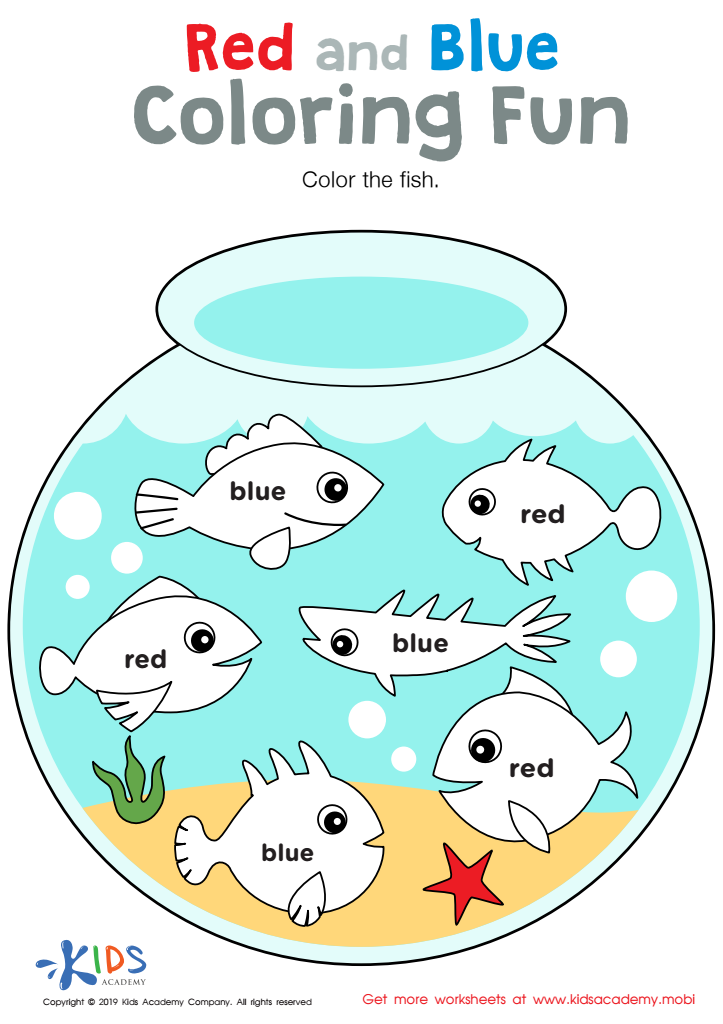
Red and Blue Coloring Fun Worksheet
 Assign to My Students
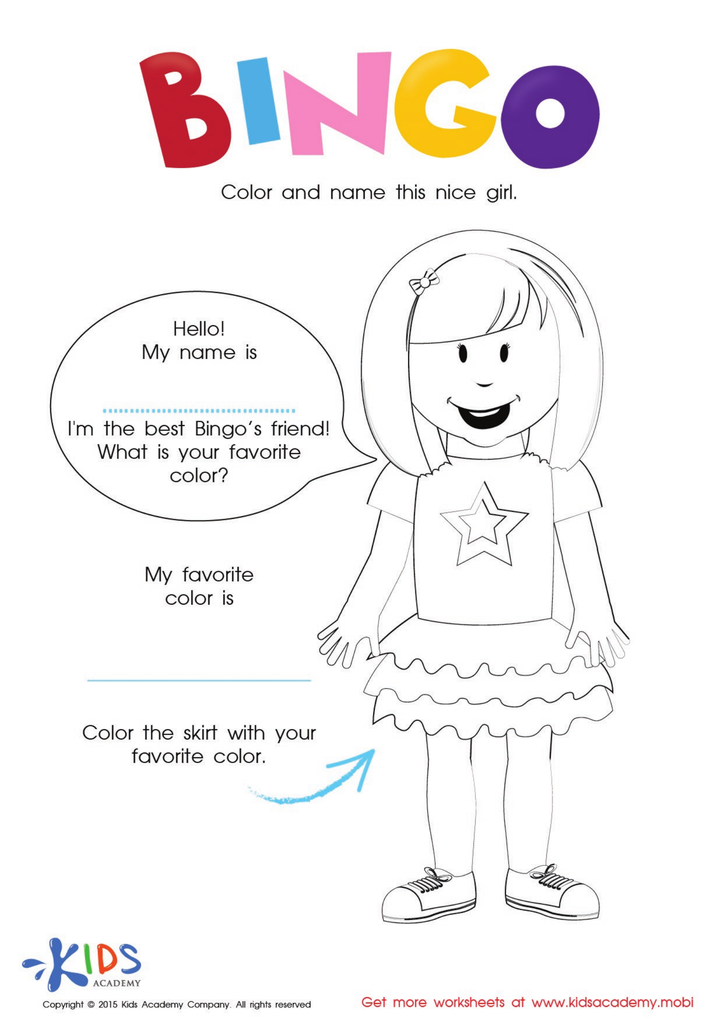
The Bingo Song: Coloring The Girl Worksheet
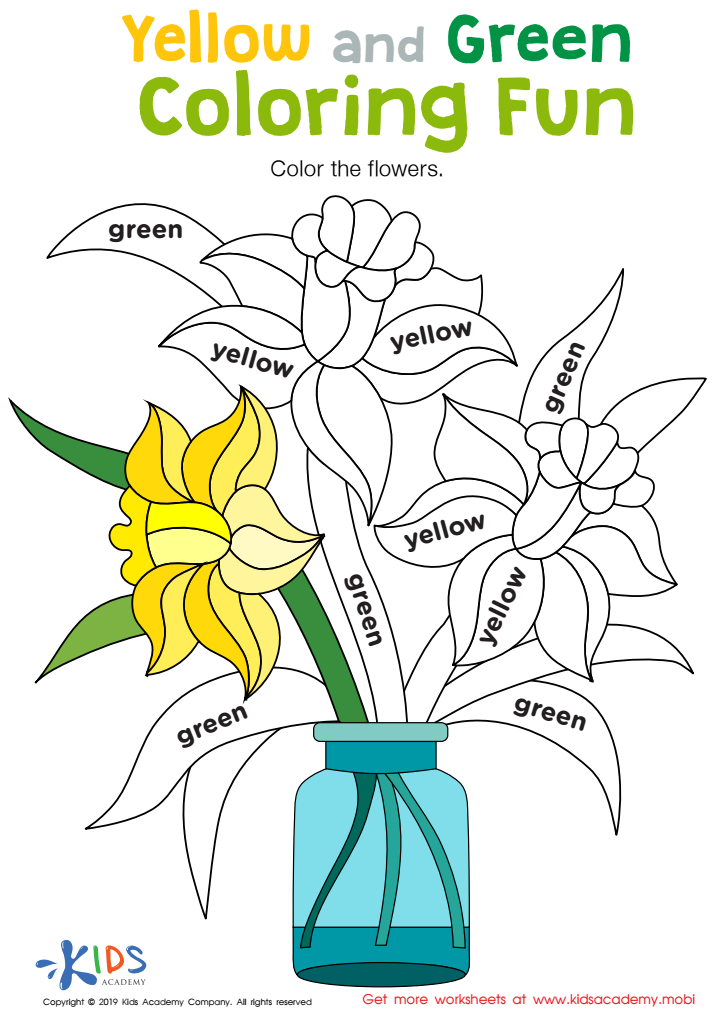
Yellow and Green Coloring Fun Worksheet
Assign to My Students
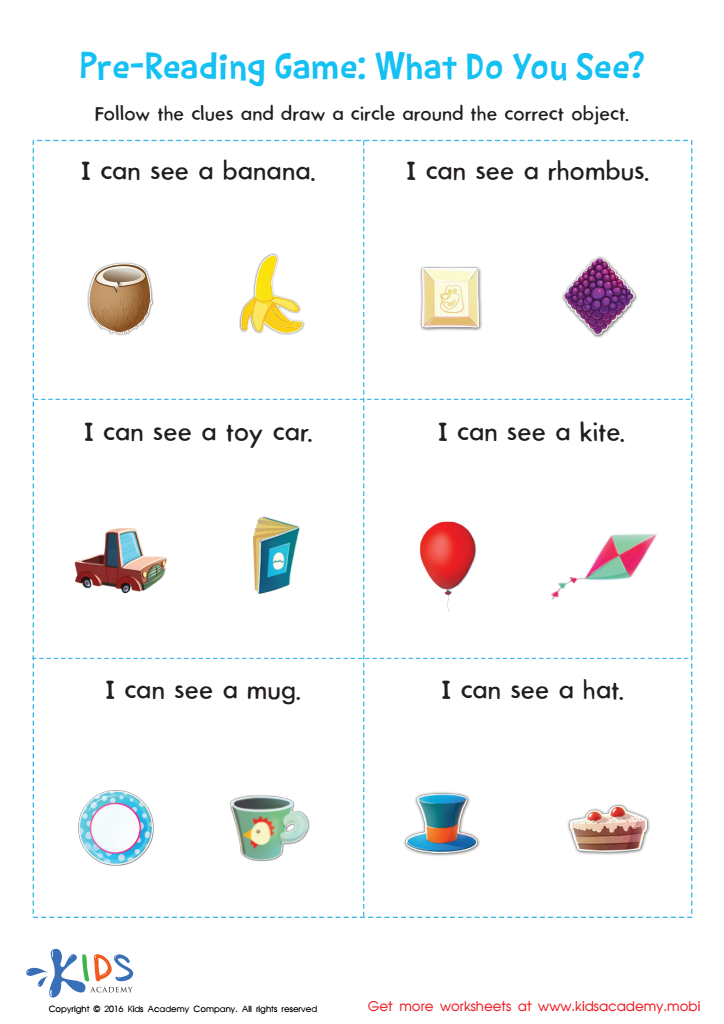
Pre–reading Worksheet: What Do You See?
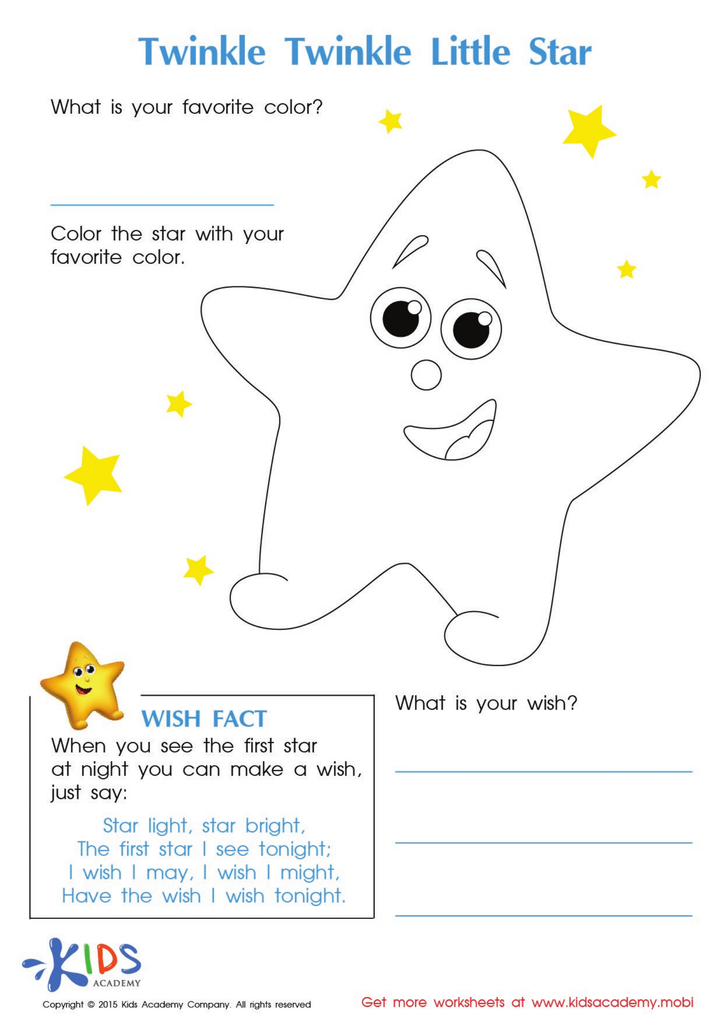
Twinkle Little Star Coloring Worksheet
Twinkle Twinkle Little Star Coloring Page
Assign to My Students
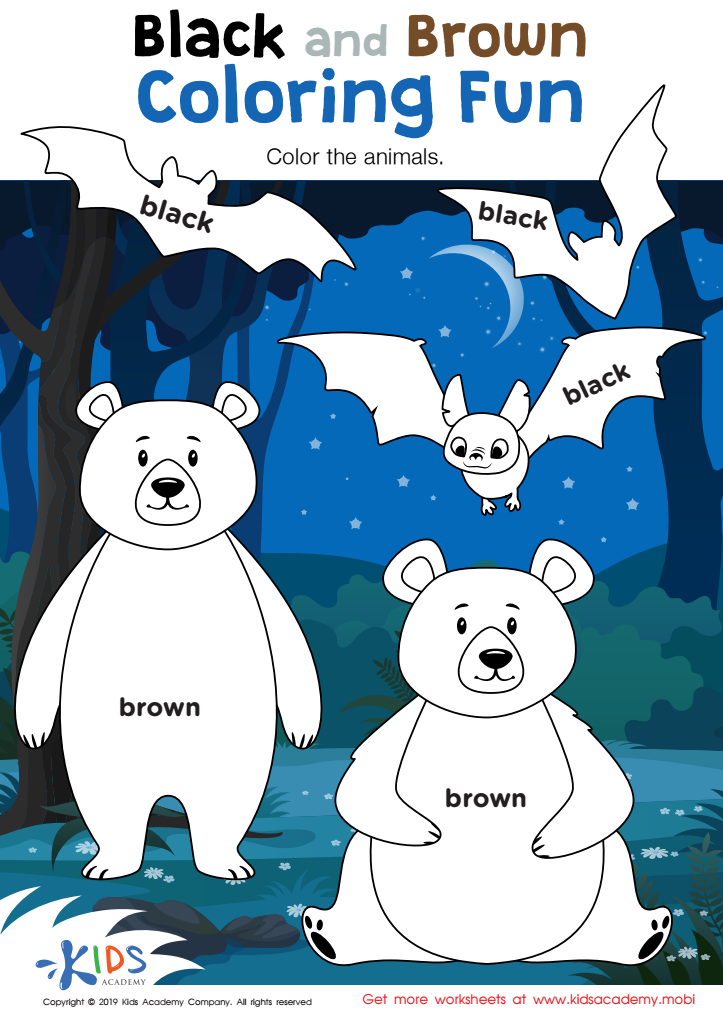
Black and Brown Coloring Fun Worksheet
Assign to My Students
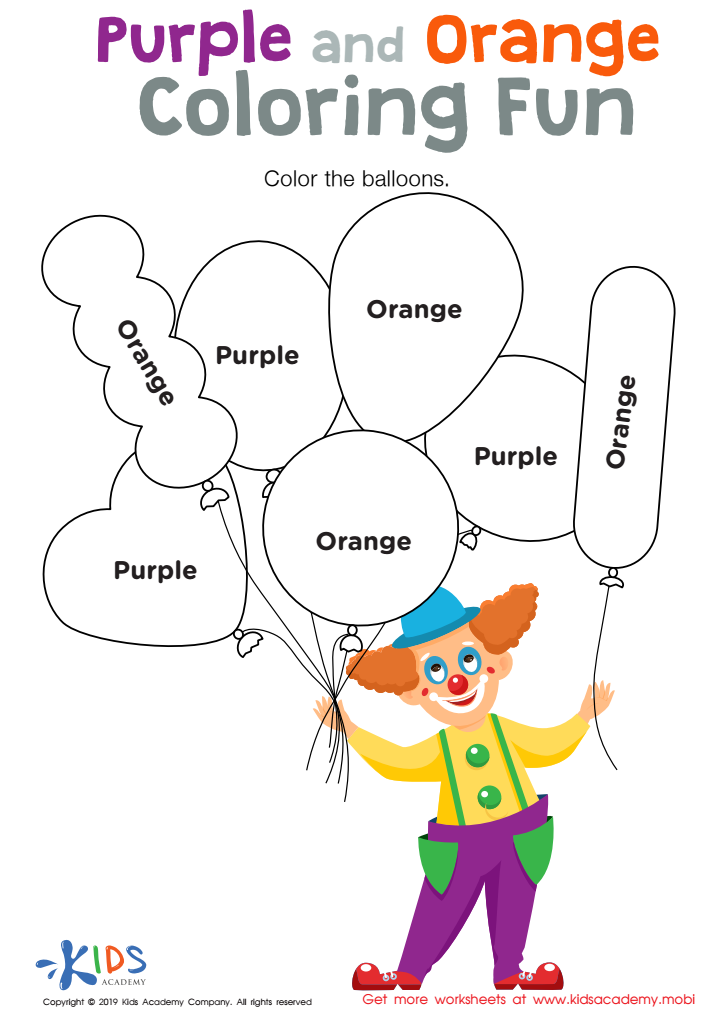
Purple and Orange Coloring Fun Worksheet
Assign to My Students
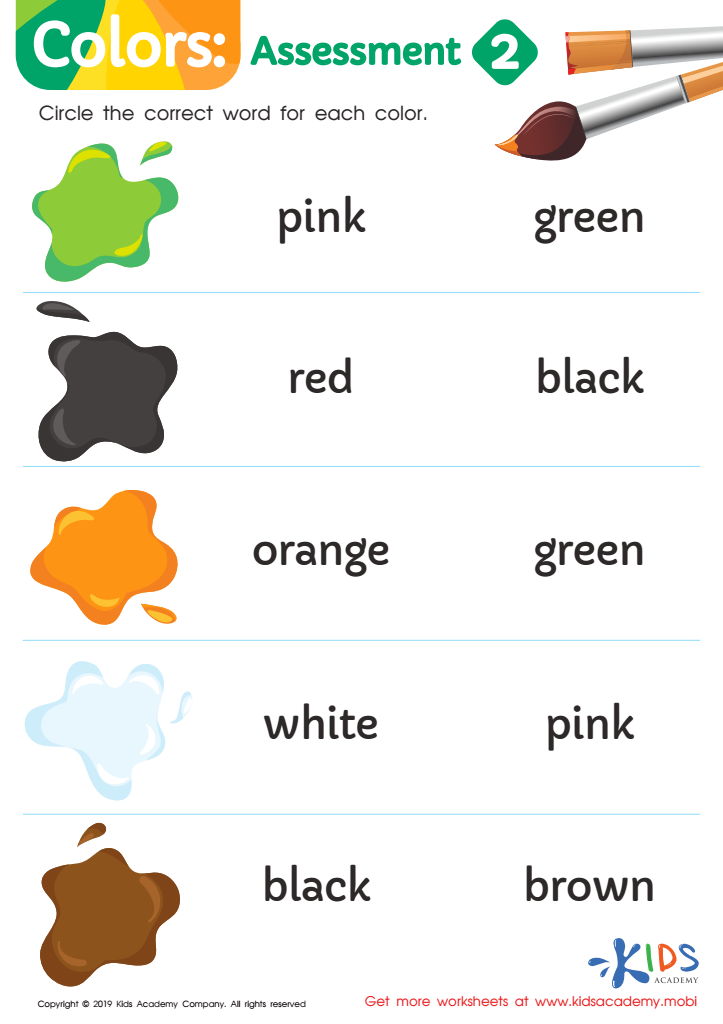
Colors: Assessment 2 Worksheet
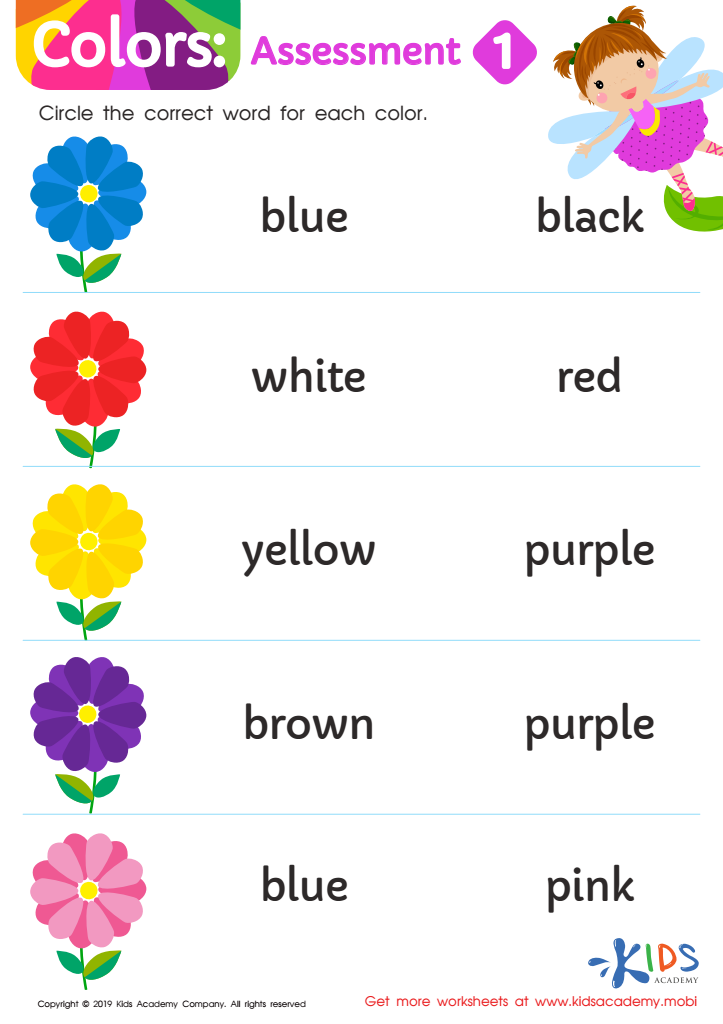
Colors: Assessment 1 Worksheet
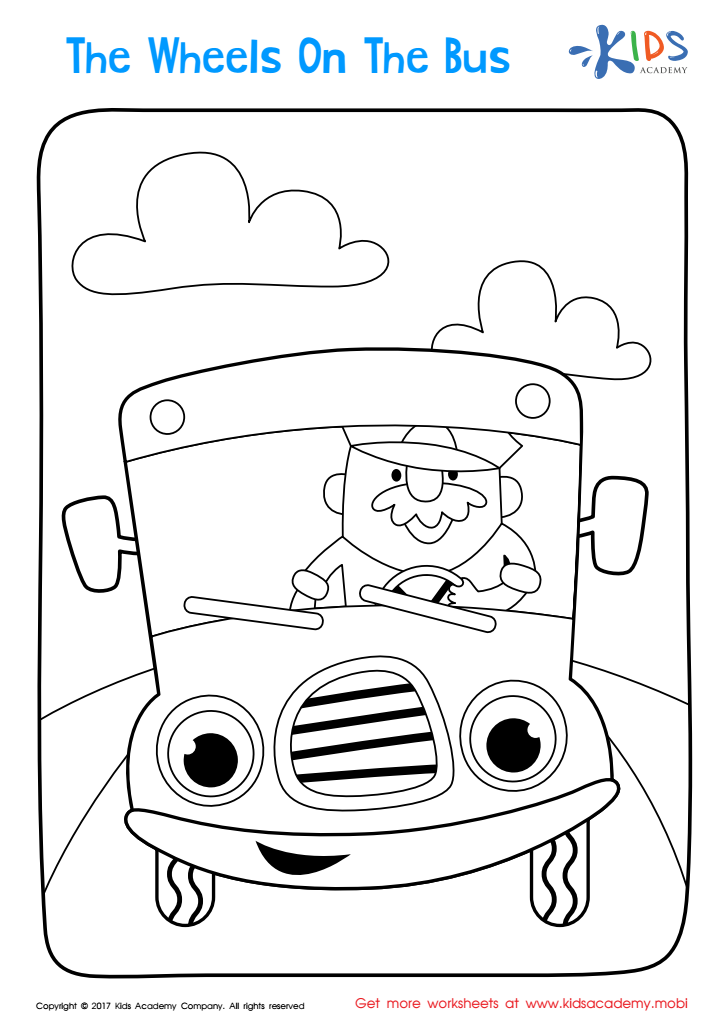
The Wheels on the Bus Coloring Page
Assign to My Students
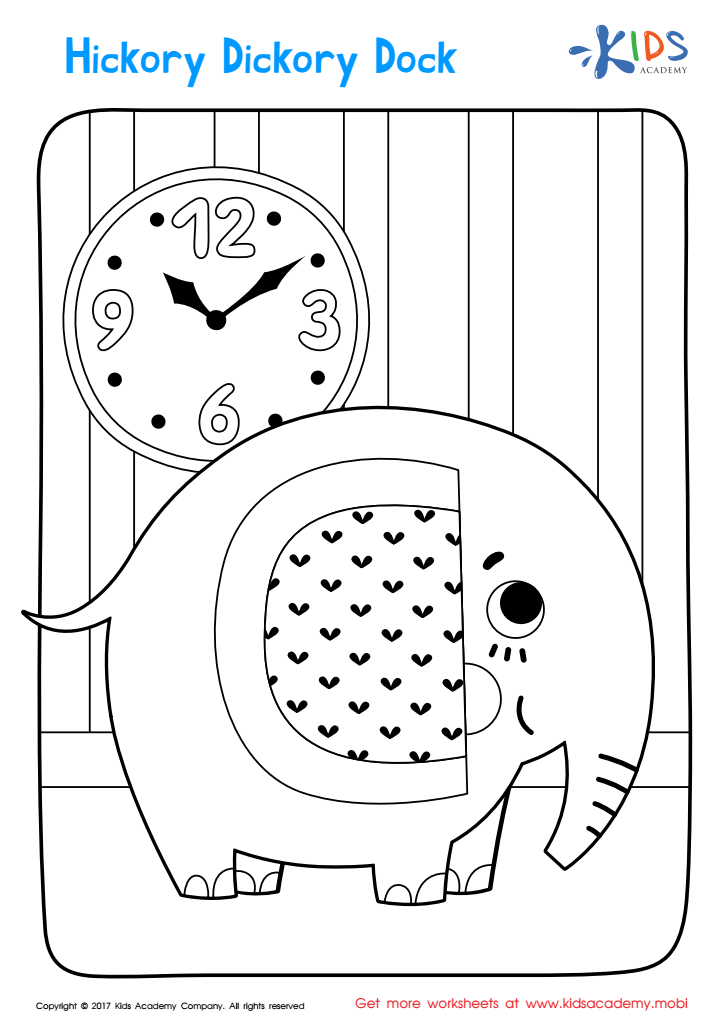
Hickory Dickory Dock Coloring Page
Assign to My Students
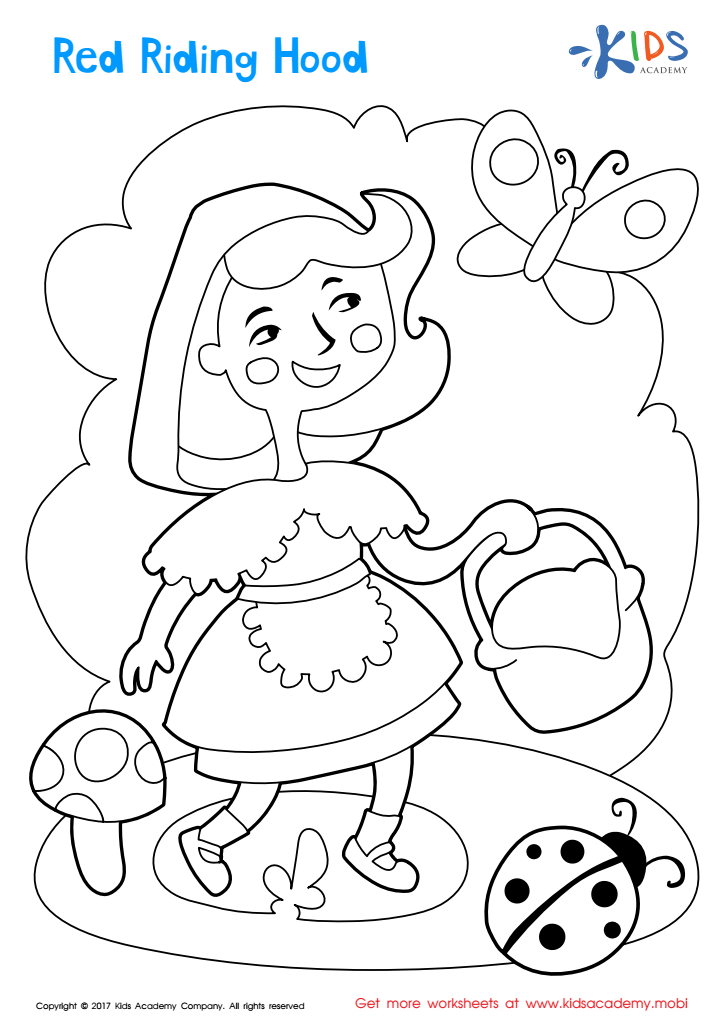
Red Riding Hood Coloring Page
Assign to My Students
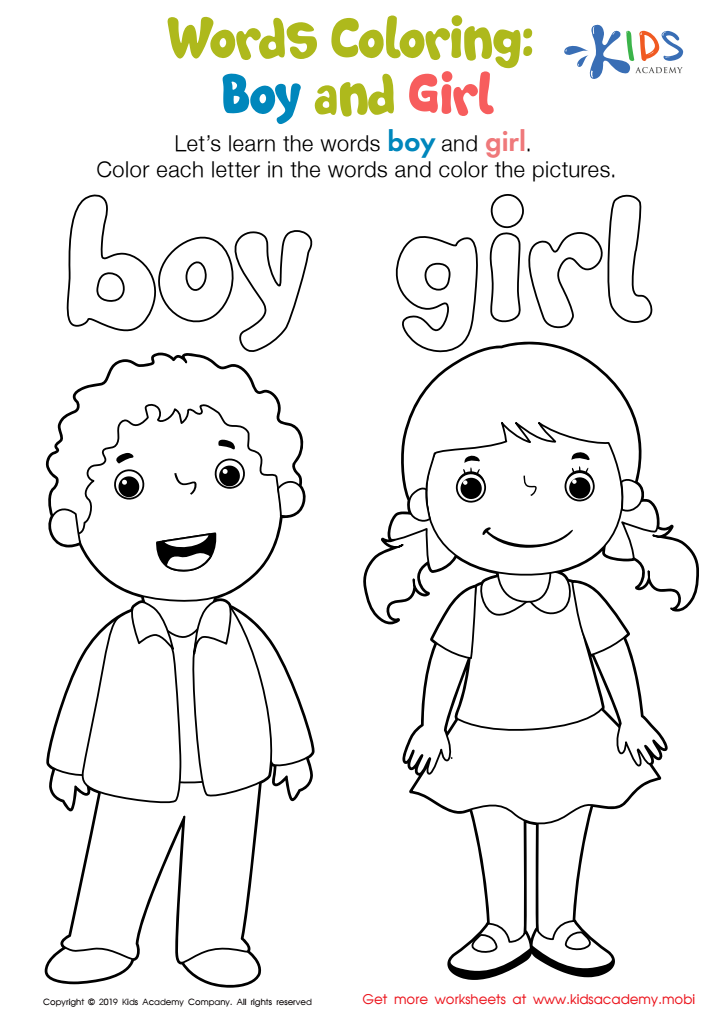
Boy and Girl Words Coloring Worksheet
Assign to My Students
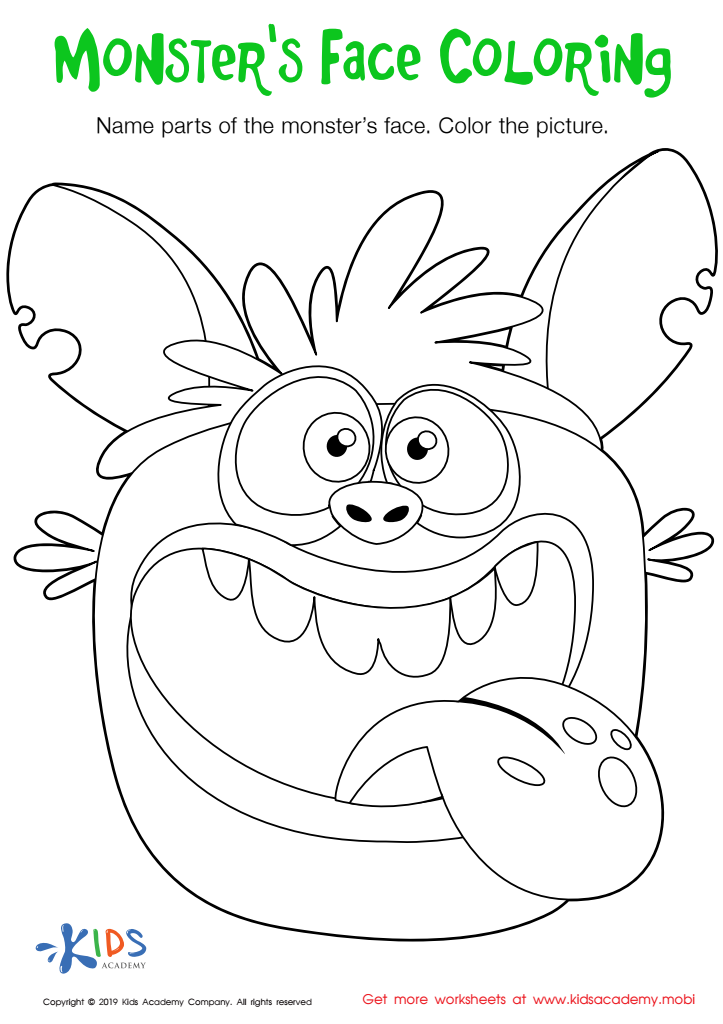
Monster's Face Coloring Worksheet
Assign to My Students
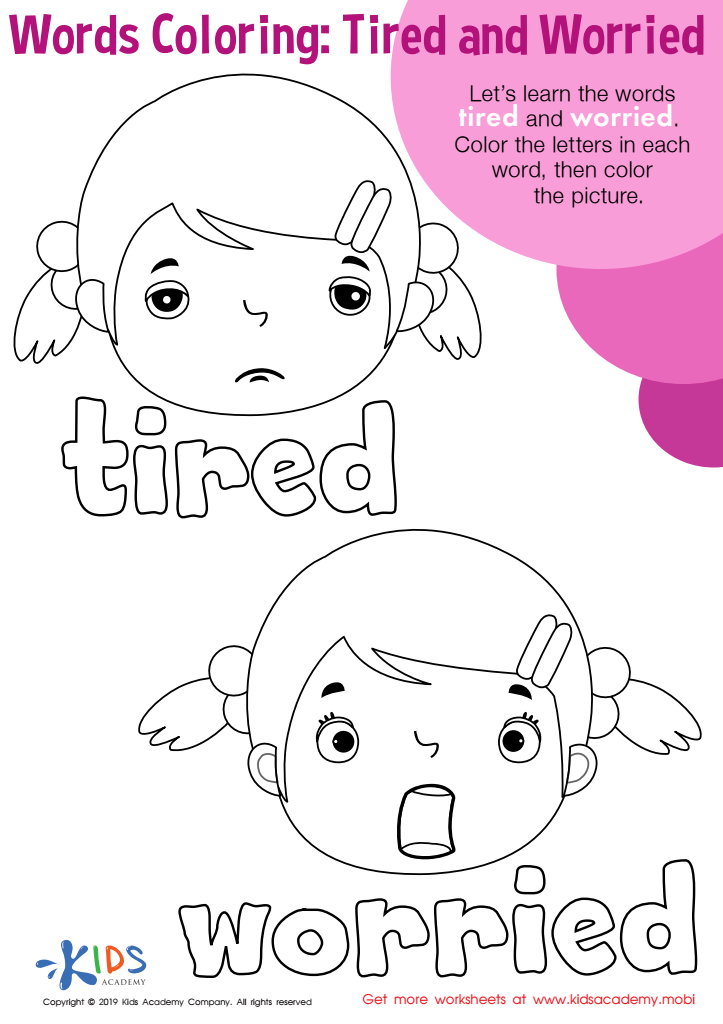
Tired and Worried Words Coloring Worksheet
Assign to My Students
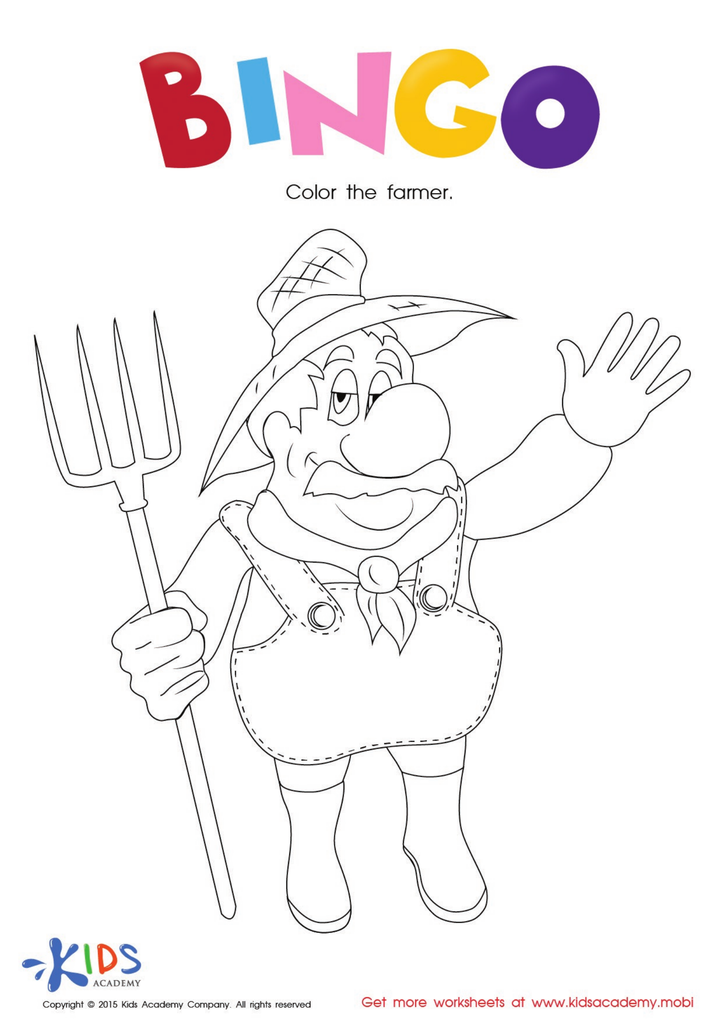
The Bingo Song: Coloring The Farmer Worksheet
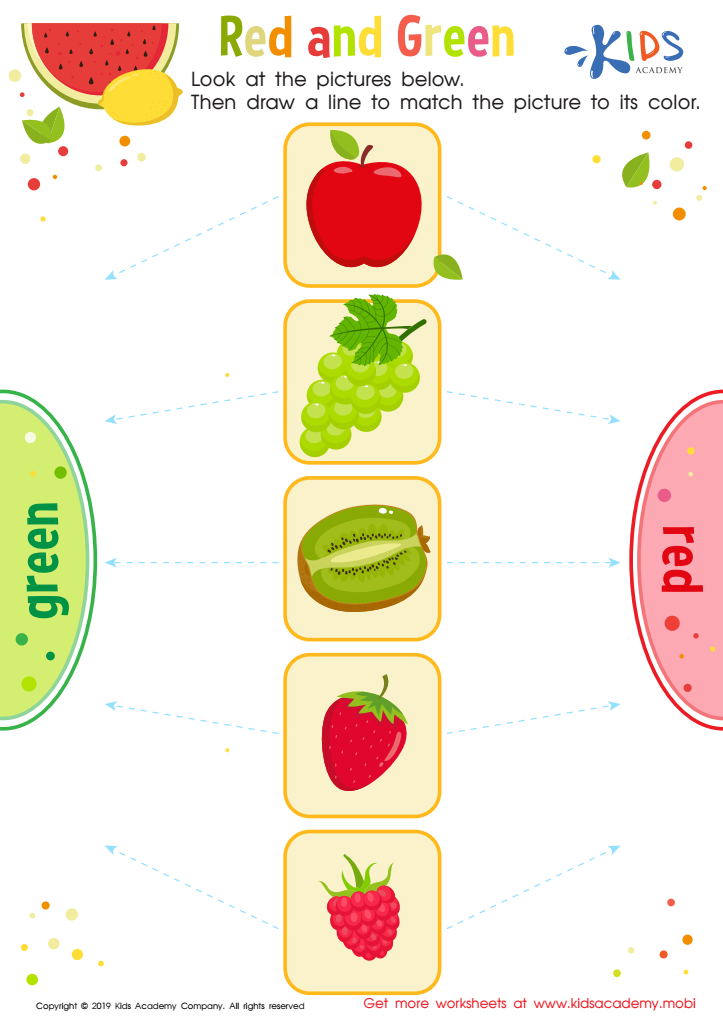
Red and Green Worksheet
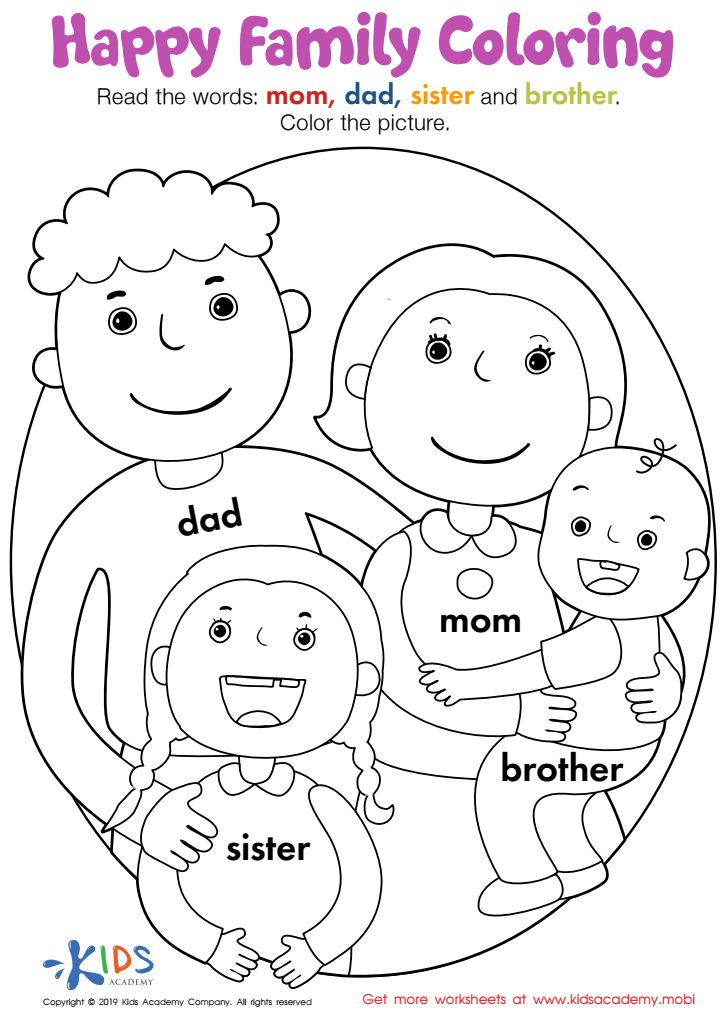
Happy Family Coloring Worksheet
Assign to My Students
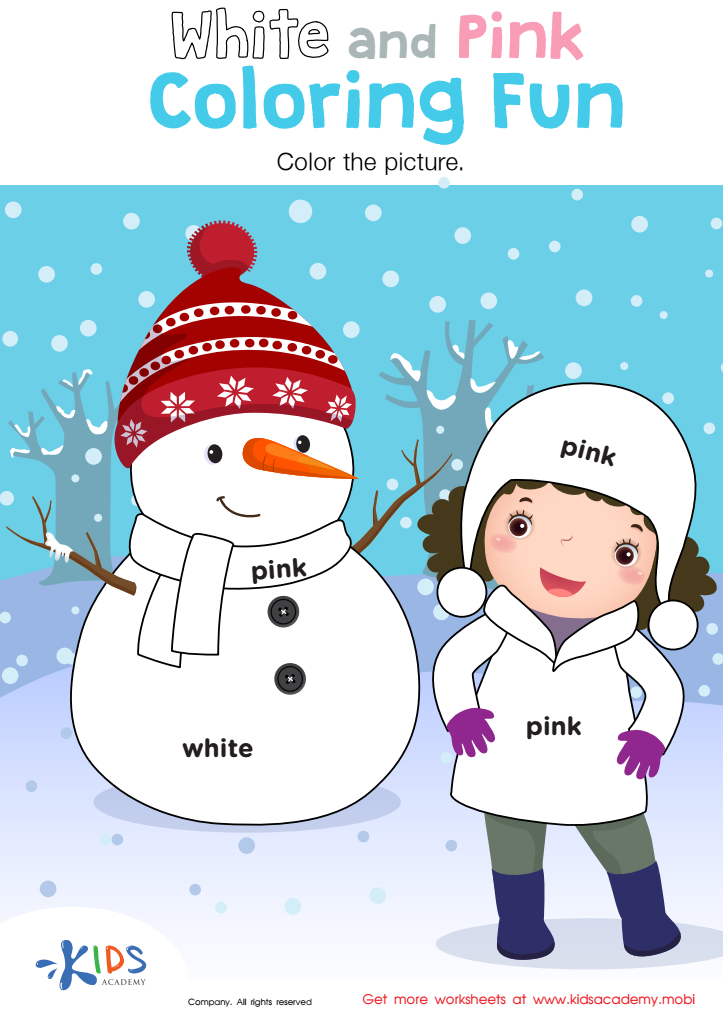
White and Pink Coloring Fun Worksheet
Assign to My Students
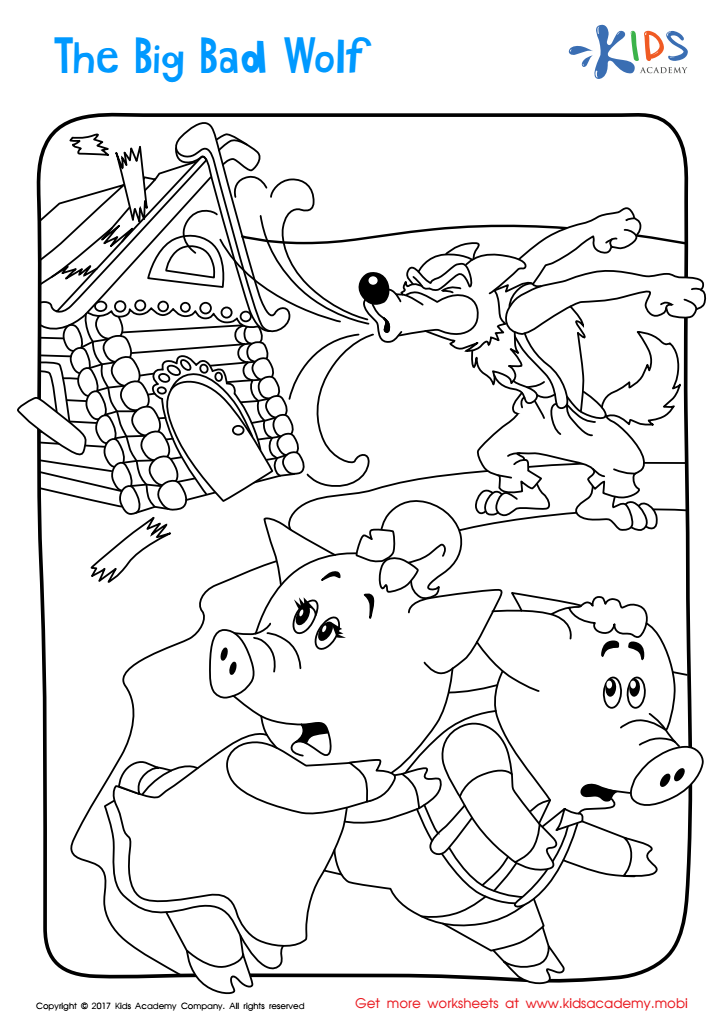
Big Bad Wolf Printable Coloring Page
Assign to My Students
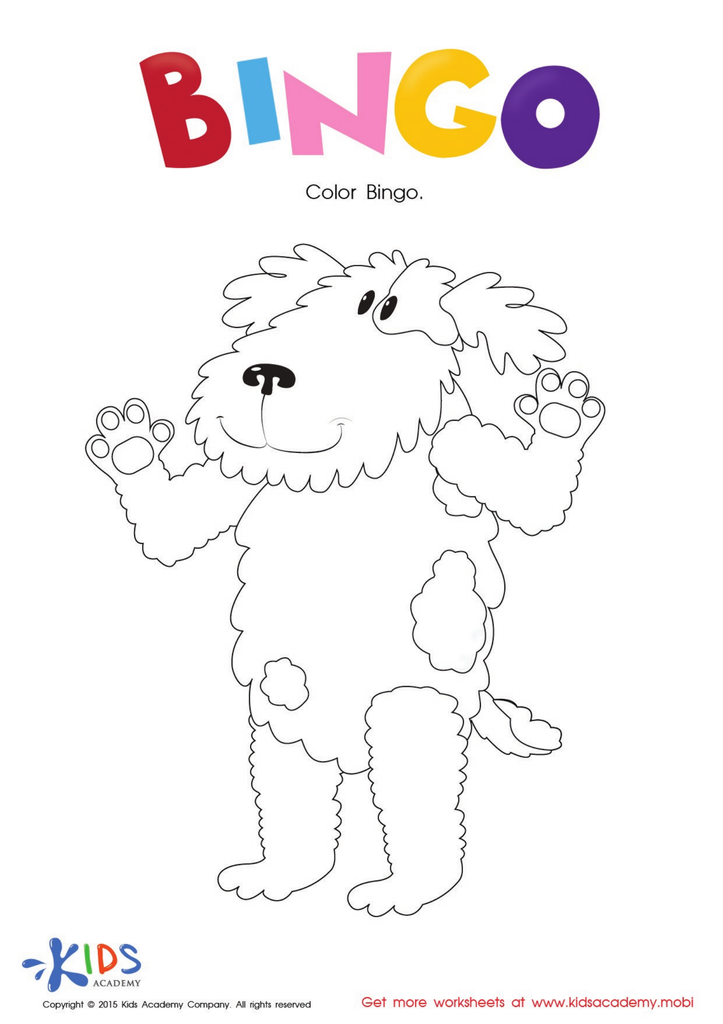
The Bingo Song: Coloring The Dog Worksheet
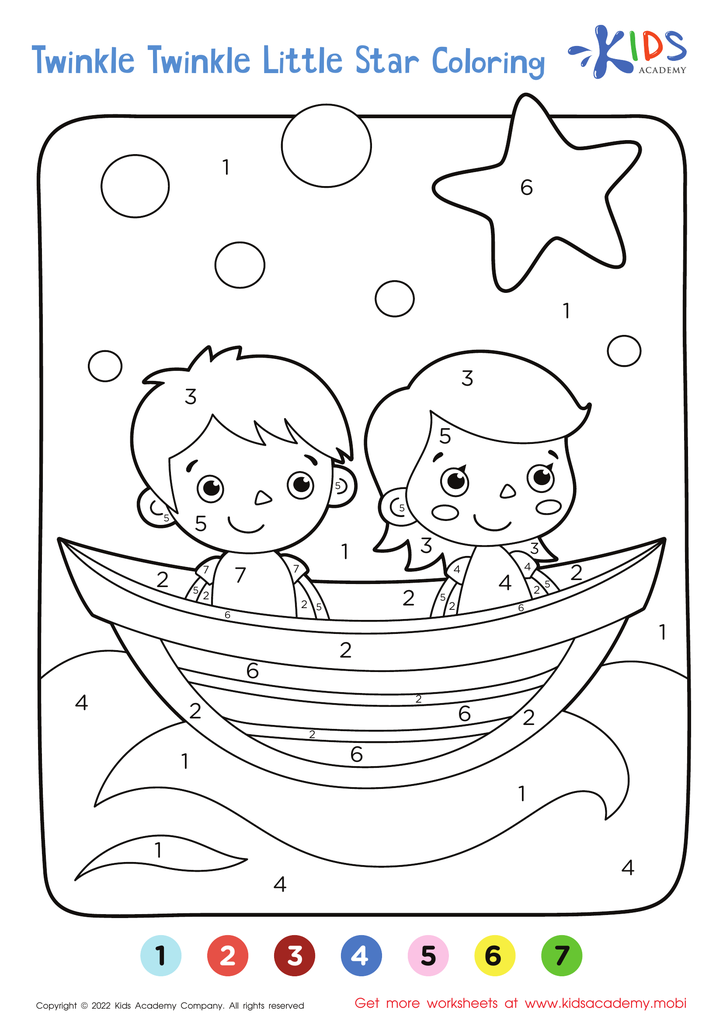
Twinkle, Twinkle, Little Star – Coloring by Numbers








Color recognition is a fundamental skill that significantly aids child development, making it crucial for parents and teachers to emphasize it in preschool reading. By learning colors, children enhance their cognitive abilities as they start to distinguish between different hues, which fosters their observational skills and attention to detail. This early engagement with colors also supports language development, encouraging children to expand their vocabularies by naming and discussing various colors.
Additionally, color recognition facilitates the learning of other essential concepts, including sorting and categorizing. Kids begin to understand patterns and relationships, which are critical pre-mathematical skills. When integrated into reading activities, learning colors aids in story comprehension and retention. For example, identifying the color of objects in a story can help children remember and relate to the narrative, improving their overall engagement and enjoyment of reading.
Moreover, being able to recognize and name colors enhances a child's confidence and independence. They feel more capable of navigating their environments, whether it’s choosing their clothes or identifying different items around them. Therefore, emphasizing color recognition in preschool reading activities is not just about learning colors; it sets the stage for broader educational and personal growth, making it an essential aspect of early childhood education.