Recognizing shapes Preschool Sight Words Worksheets
3 filtered results
Difficulty Level
Grade
Age
-
From - To
Subject
Activity
Standards
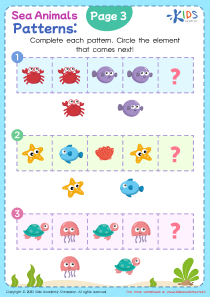
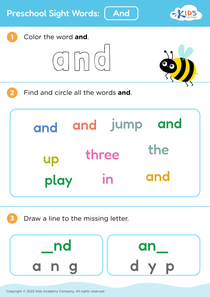
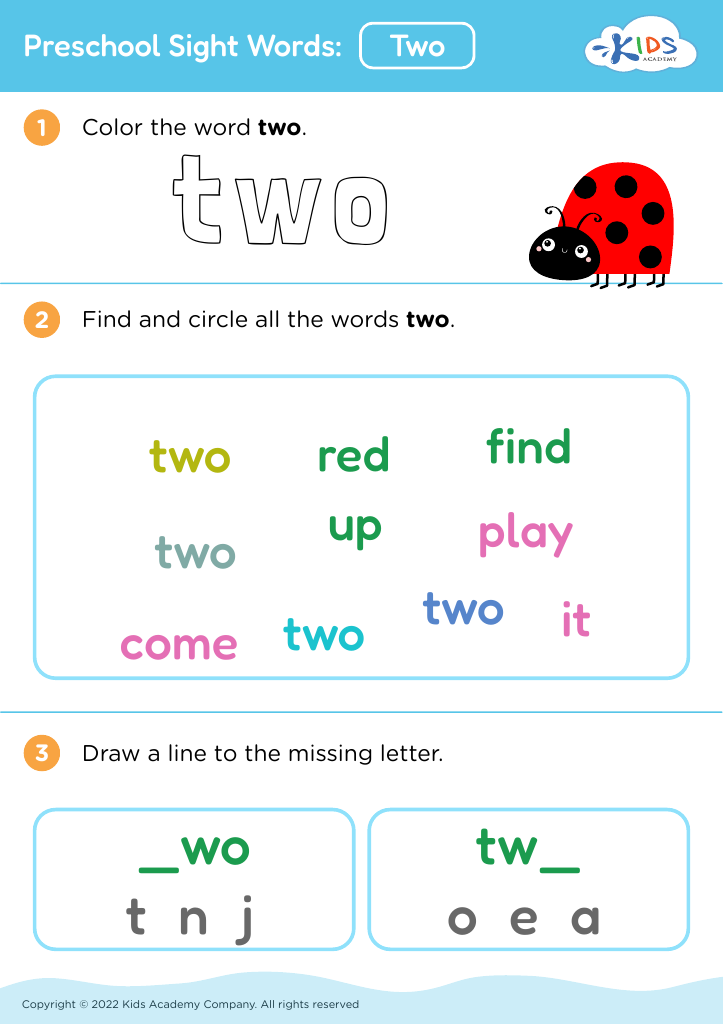
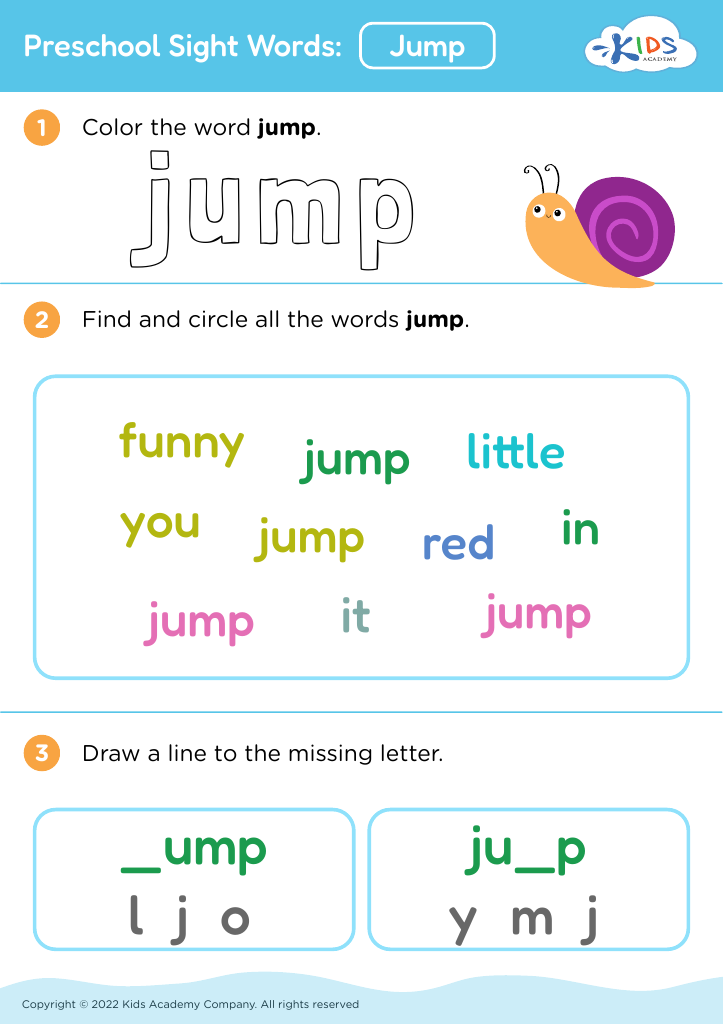
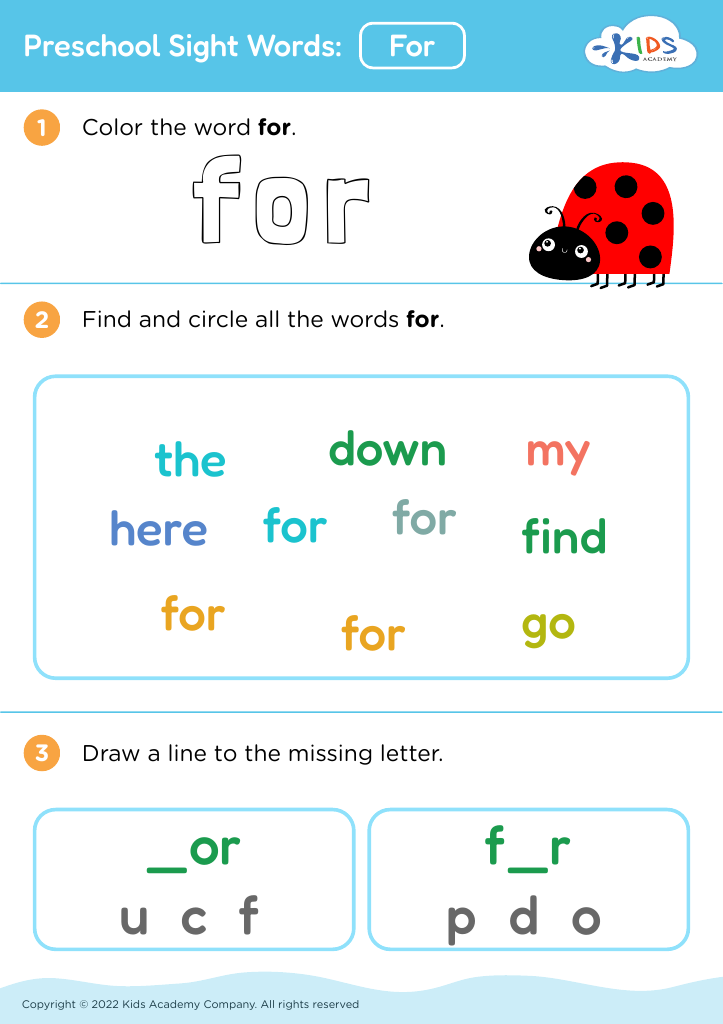
Enhance your preschooler's learning experience with our "Recognizing Shapes Preschool Sight Words Worksheets"! These engaging printables combine shape recognition and sight word practice, making learning fun and effective. Perfectly designed for little learners, our worksheets help toddlers identify basic shapes, strengthen their vocabulary, and develop crucial reading skills. Each worksheet integrates colorful illustrations and clear instructions, ensuring kids stay interested while educators and parents enjoy ease of use. Boost your child’s confidence and create a strong educational foundation with our expertly crafted resources. Explore "Recognizing Shapes Preschool Sight Words Worksheets" today and witness their learning journey soar!
Favorites
With answer key
Interactive
Join Kids Academy for Free
Who is primarily going to use this learning content?








Recognizing shapes and preschool sight words are foundational skills that play a crucial role in a child's early cognitive and literacy development. Understanding shapes helps children develop spatial awareness and problem-solving skills, which are essential for math and science later on. Identifying shapes like circles, squares, and triangles allows kids to categorize and organize the world around them, boosting their observational abilities and attention to detail. These skills become the building blocks for understanding more complex visual and spatial concepts.
On the other hand, preschool sight words are frequently occurring words that children must recognize instantly. Mastery of sight words improves reading fluency and comprehension because children do not need to pause to decode these common words, allowing them to focus on understanding the story or text. This instant recognition significantly boosts early literacy skills, setting the stage for successful reading experiences.
Parents and teachers who actively engage children in recognizing shapes and sight words are essentially equipping them with essential tools for academic success. Interactive and playful activities that focus on these skills not only make learning enjoyable but also foster a child's confidence and curiosity, creating a positive attitude towards future learning experiences. Prioritizing these areas in early education builds a strong foundation for lifelong learning.