Vocabulary enhancement Preschool Science Worksheets
8 filtered results
-
From - To
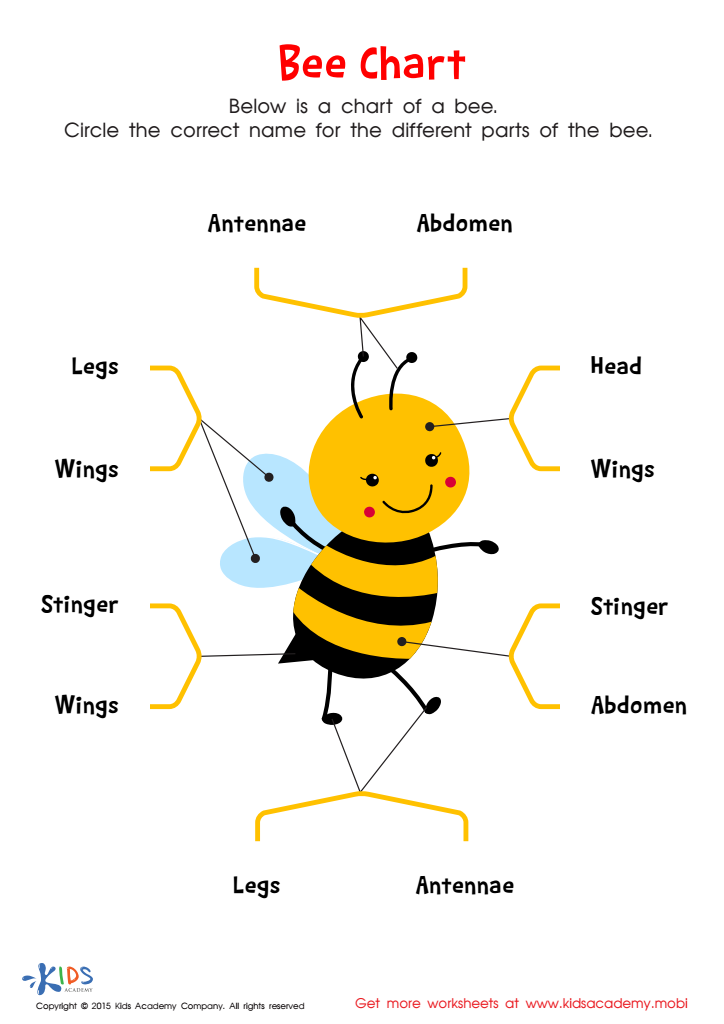
Discover our engaging "Vocabulary Enhancement Preschool Science Worksheets," designed to help young learners expand their word bank while exploring the wonders of science. These worksheets feature fun activities that introduce essential scientific terms related to various topics, from nature to the human body. By integrating interactive exercises such as matching, filling in the blanks, and drawing, children develop vocabulary skills in an enjoyable and imaginative way. Perfect for preschool educators or parents, these worksheets promote early literacy and scientific understanding, ensuring a solid foundation for future learning. Explore our collection today and watch your child's vocabulary soar while they discover the world around them!
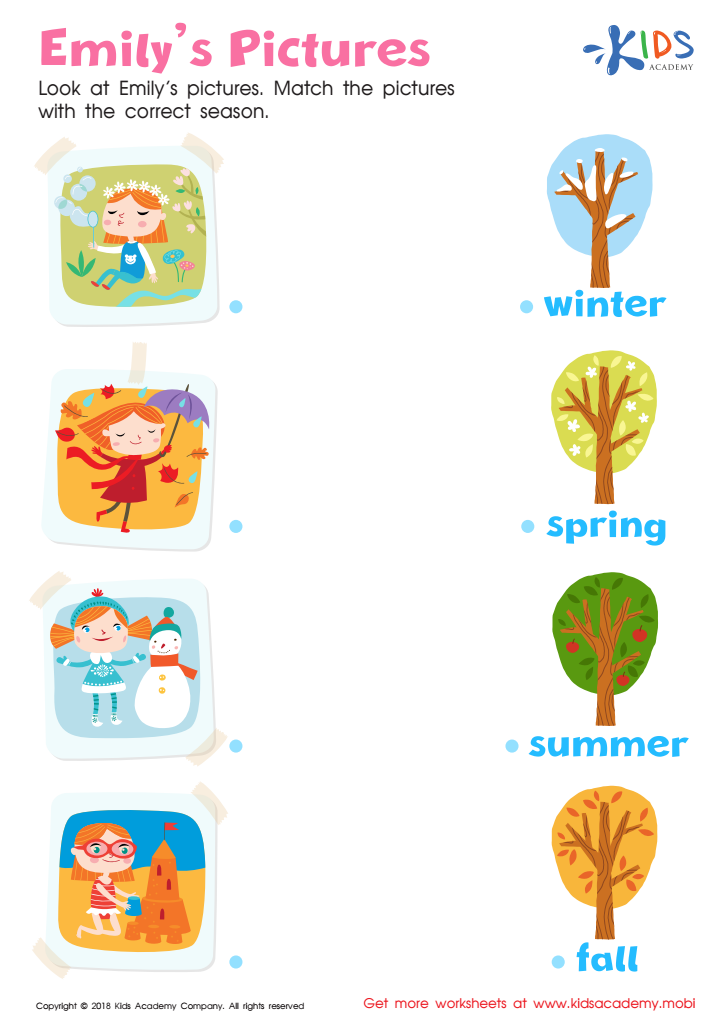
Emily's Pictures Worksheet
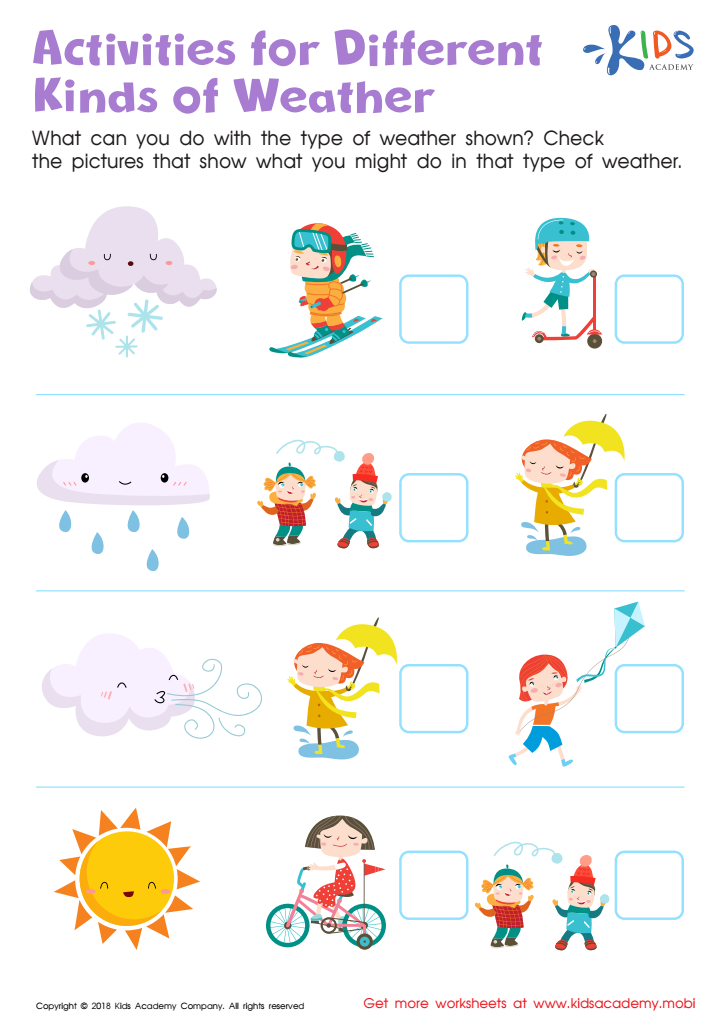
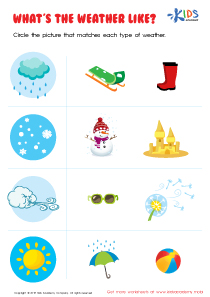
Activities for Different Kinds of Weather Worksheet
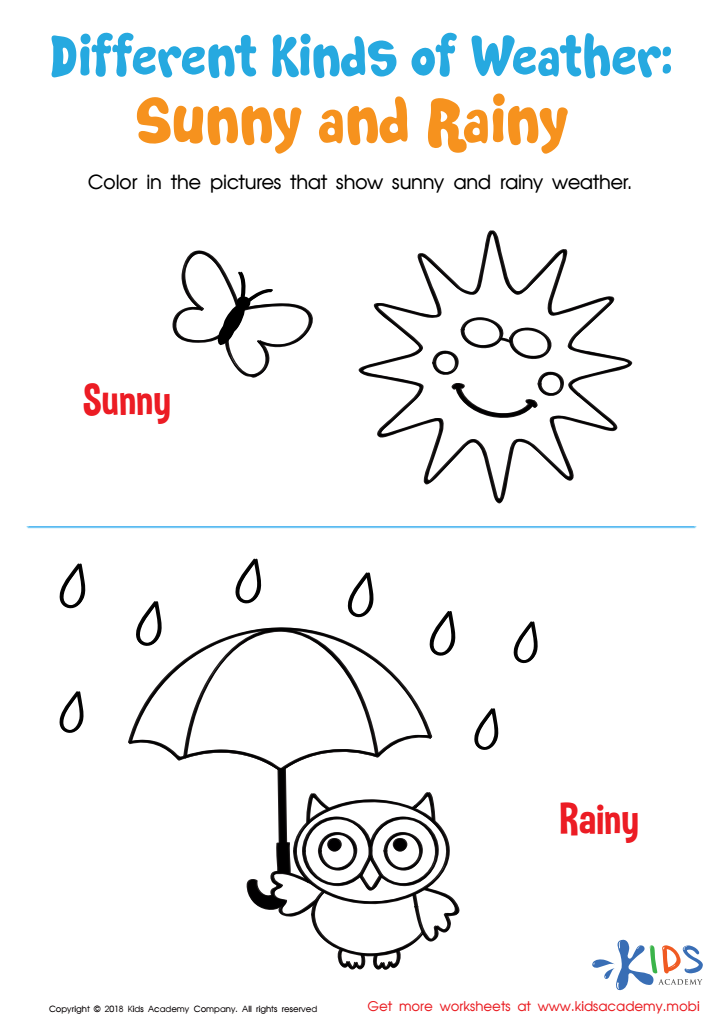
Different Kinds of Weather: Sunny and Rainy Worksheet
 Assign to My Students
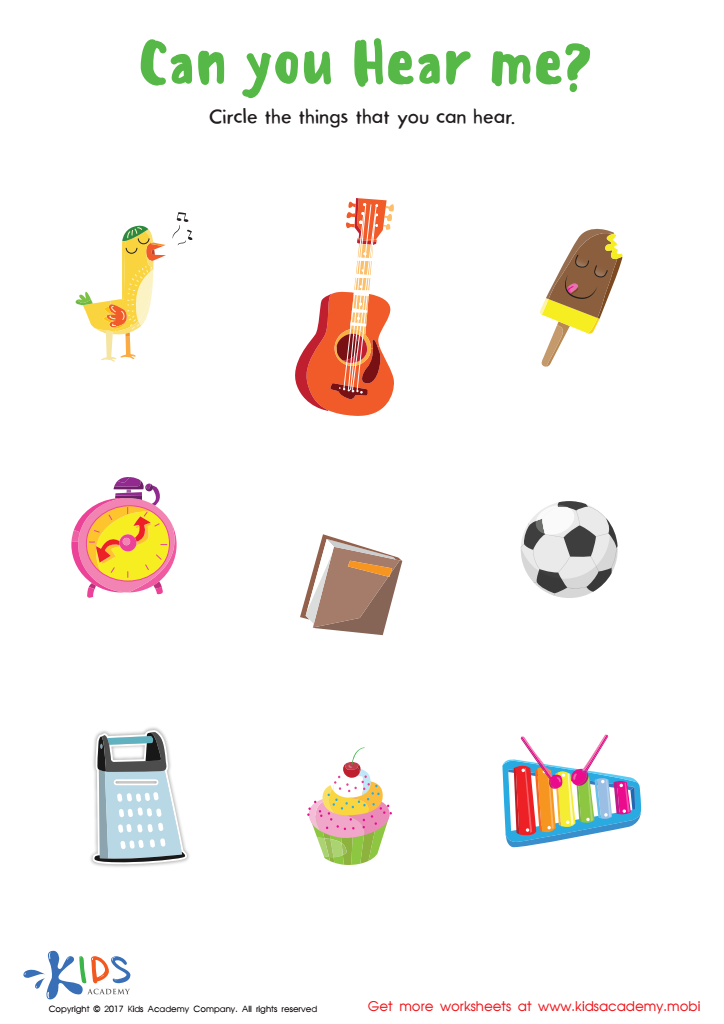
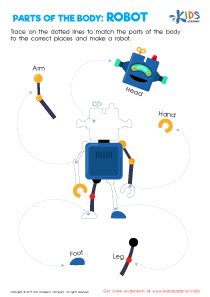
Can You Hear Me Worksheet
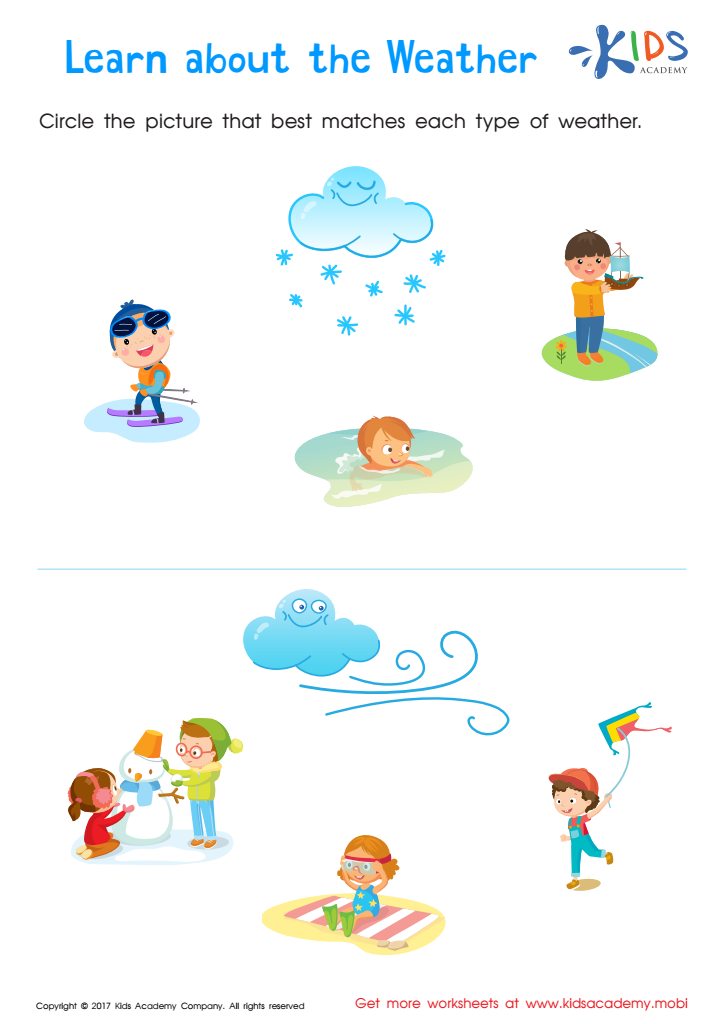
About the Weather Printable
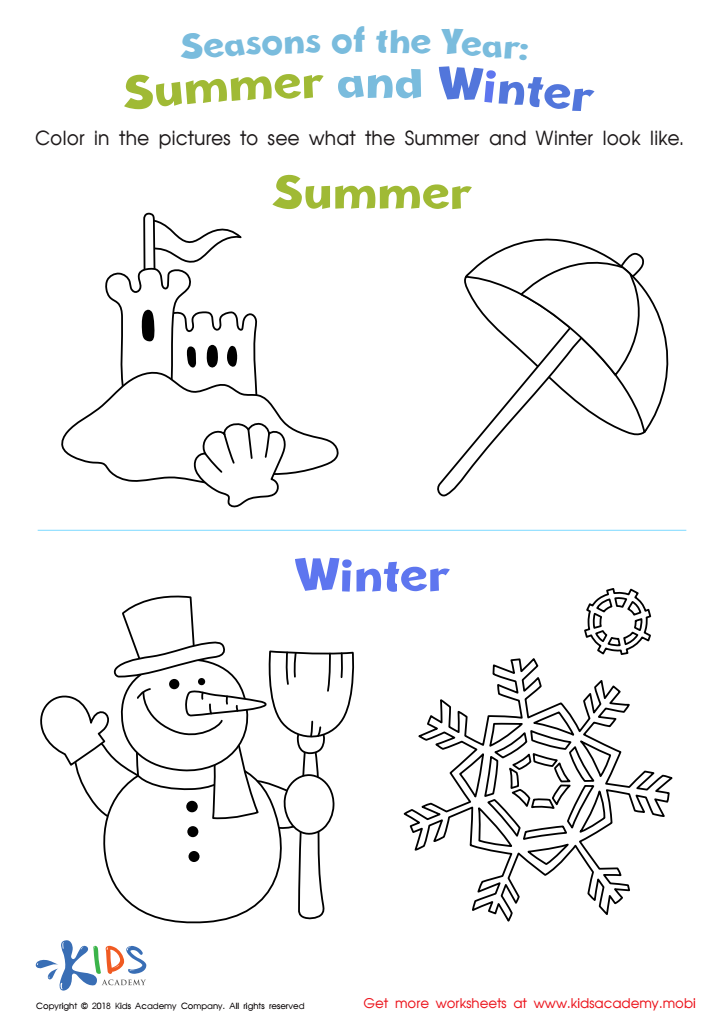
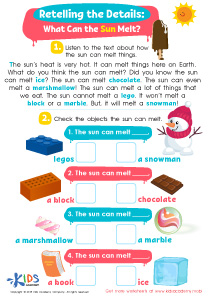
Summer and Winter Worksheet
Assign to My Students
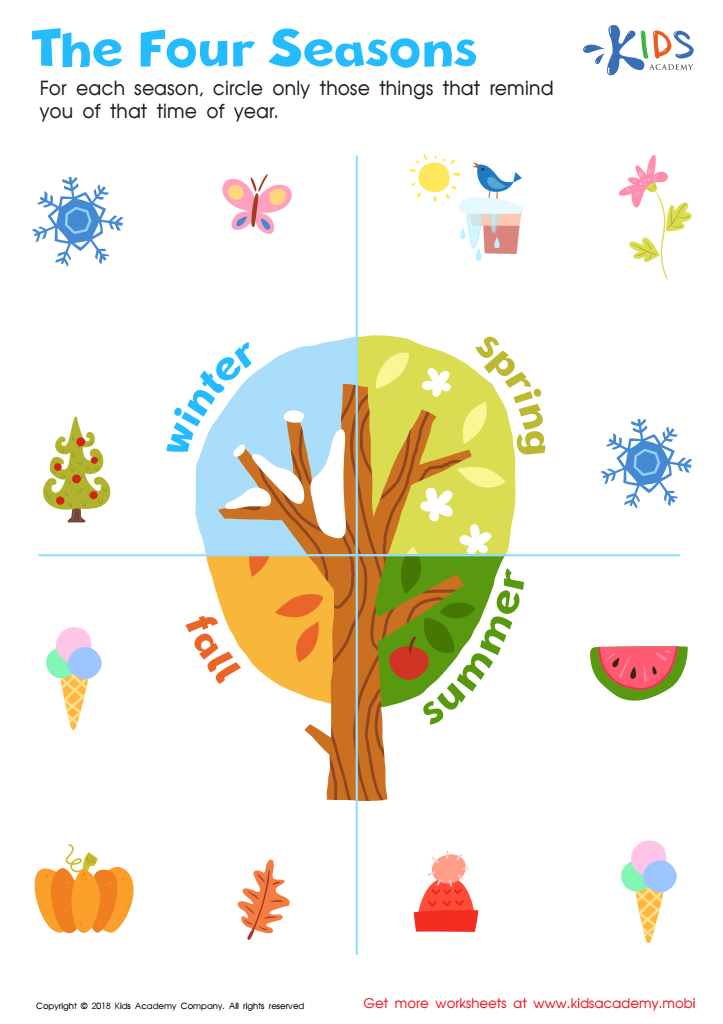
The Four Seasons Worksheet








Vocabulary enhancement in preschool science is crucial for several reasons. First, it lays a strong foundation for literacy and communication skills. Young children, who acquire vocabulary through exploration and discussion, develop a better capacity to express their thoughts and ask questions, fostering curiosity and critical thinking.
Second, science vocabulary allows children to engage in discussions about the natural world. When parents and teachers introduce terms related to nature, human anatomy, and basic scientific concepts, children become better equipped to understand their surroundings. This knowledge not only aids in their academic growth but also nurtures a sense of wonder and inquiry.
Third, a robust vocabulary correlates with improved academic performance in later years. Research shows that children with strong vocabulary skills tend to perform better in reading and math, as they can comprehend instructions and content more effectively.
Lastly, fostering early vocabulary enrichment in science encourages collaborative learning experiences. It allows children to work together to explore scientific concepts, helping them develop social skills and teamwork.
In summary, prioritizing vocabulary enhancement in preschool science is essential as it shapes children’s cognitive, social, and academic development, setting a fundamental framework for lifelong learning.