Identifying shapes Building Vocabulary Worksheets
10 filtered results
-
From - To
Enhance your child’s learning experience with our “Identifying Shapes Building Vocabulary Worksheets.” Designed for early learners, these engaging worksheets help children recognize and name various shapes while building essential vocabulary skills. Each worksheet features fun activities that encourage creativity and critical thinking, making learning enjoyable. Kids will explore shapes through interactive exercises that not only promote shape identification but also boost their language development. Perfect for teachers and parents alike, these resources are ideal for classroom use or at-home practice. Help your little ones develop a strong foundation in geometry and vocabulary with our expert-designed worksheets today!











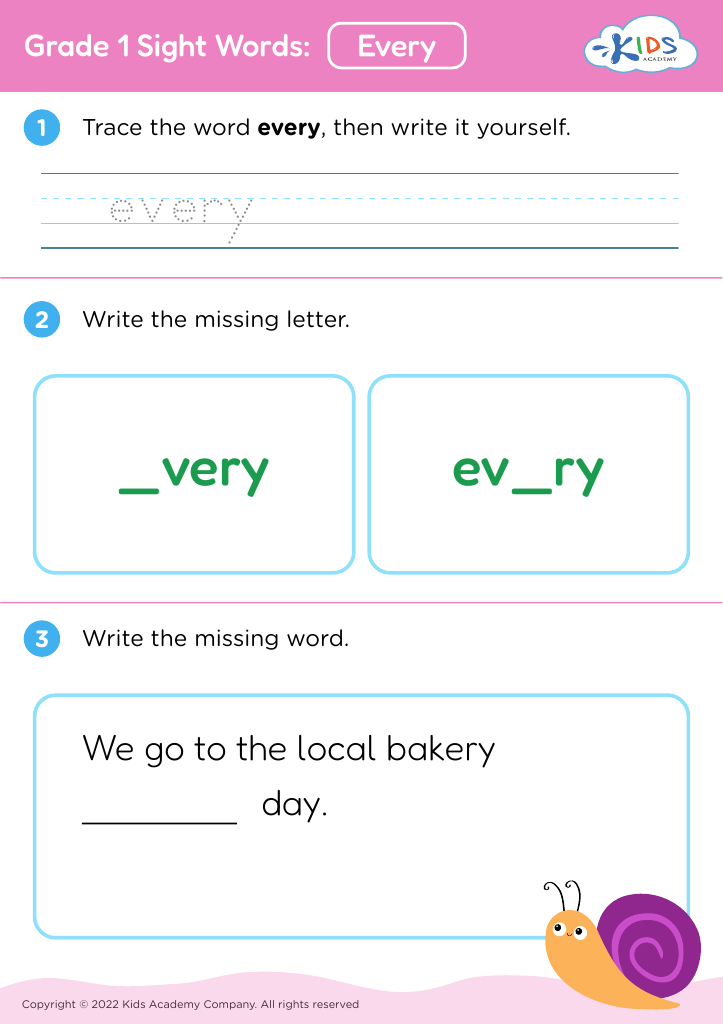
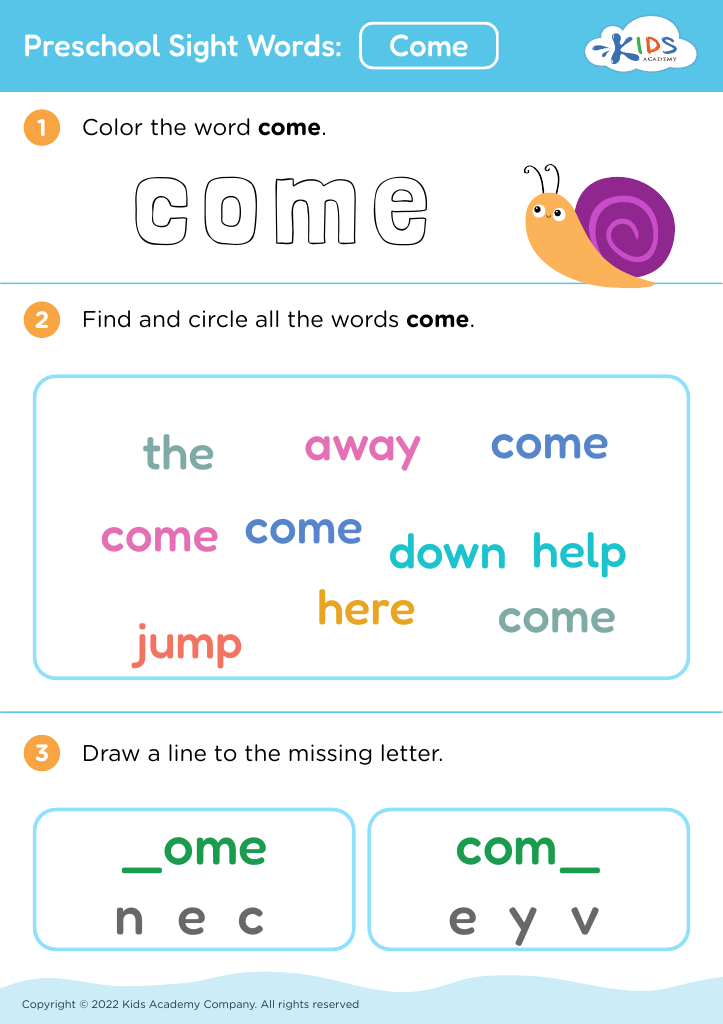
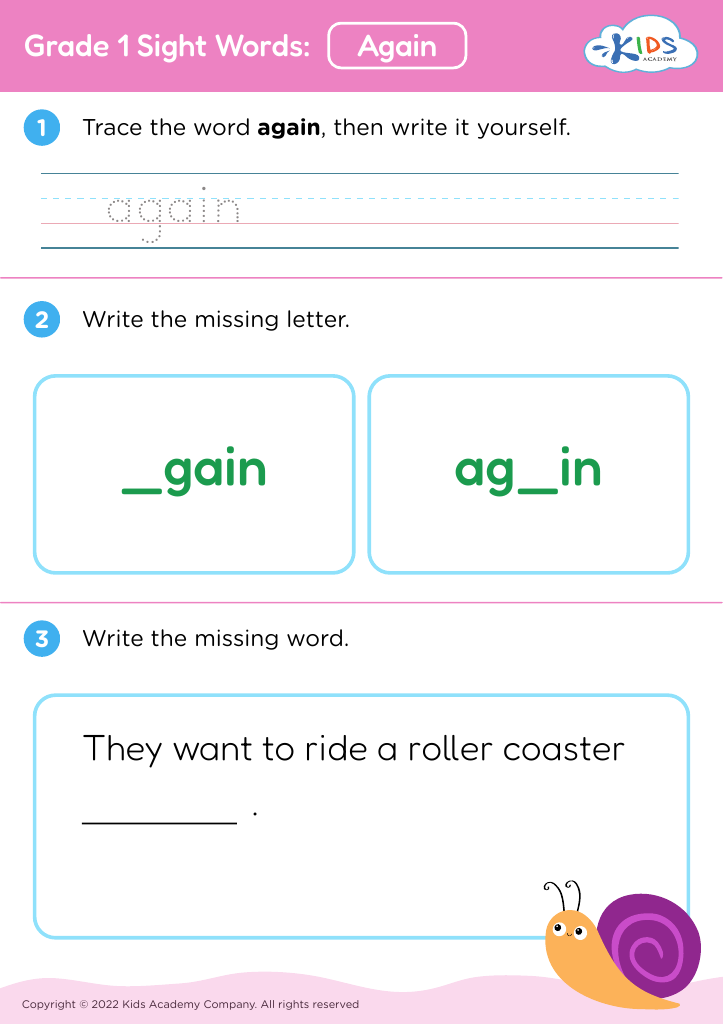
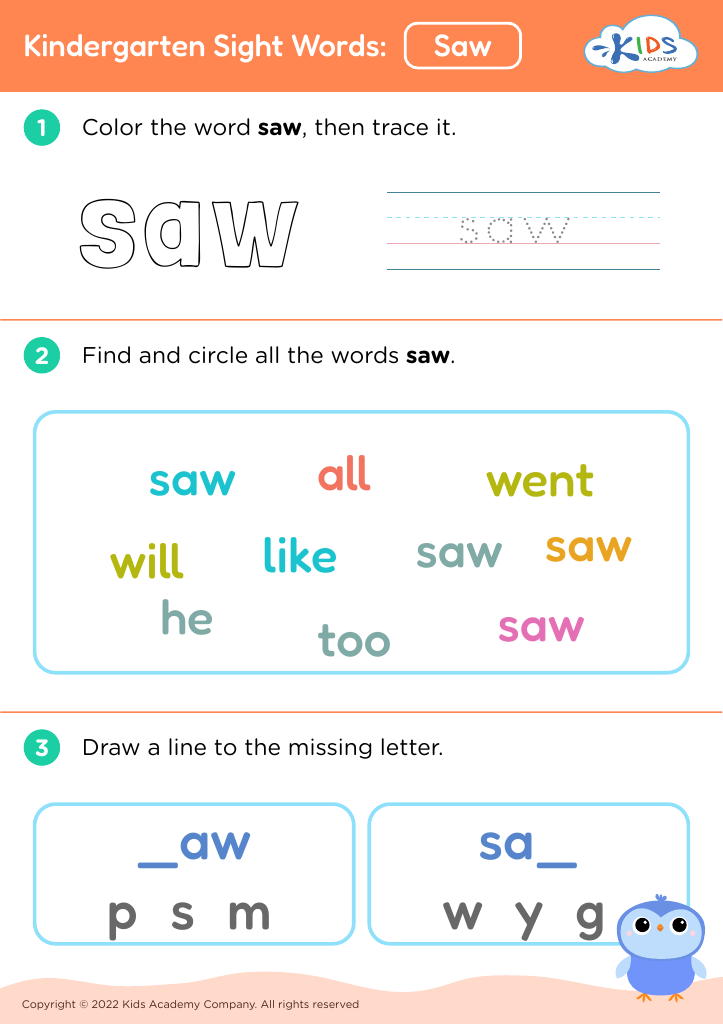








Identifying shapes is a fundamental aspect of early childhood education that significantly contributes to a child's cognitive development. When parents and teachers engage children in recognizing and naming shapes, they help build a strong mathematical foundation. Shapes are everywhere, and being able to identify them enhances children’s spatial awareness and problem-solving skills. Familiarity with shapes lays the groundwork for later concepts in geometry and measurement.
Furthermore, building vocabulary around shapes not only improves language skills but also boosts overall communication abilities. When children learn words like "circle," "triangle," or "rectangle," they expand their language while learning to classify and describe their environment. This vocabulary introduction fosters critical thinking and encourages creative expression as children describe the world around them.
Moreover, understanding shapes is often integrated into various subjects, including art and science. Whether drawing, constructing or exploring the environment, shape recognition becomes crucial across learning contexts. For parents and teachers, prioritizing shape identification and vocabulary thus supports holistic development, nurturing not just early math skills but also enhancing language, critical thinking, and cognitive flexibility in young learners. Engaging with shapes is an essential building block for a child's academic success and everyday interactions.








