Logical Reasoning Building Vocabulary Worksheets
8 filtered results
-
From - To
Enhance your child's cognitive abilities with our Logical Reasoning Building Vocabulary Worksheets! These engaging resources are designed to foster critical thinking skills while expanding vocabulary. Perfect for early learners, our worksheets encourage students to make connections, analyze relationships, and solve problems through fun activities. By integrating logical reasoning tasks with vocabulary enrichment, children will develop a deeper understanding of language and concepts. These worksheets are not only educational but also entertaining, ensuring that learning becomes a rewarding experience. Explore our collection now to help your child build essential skills for future success in reading and comprehension!
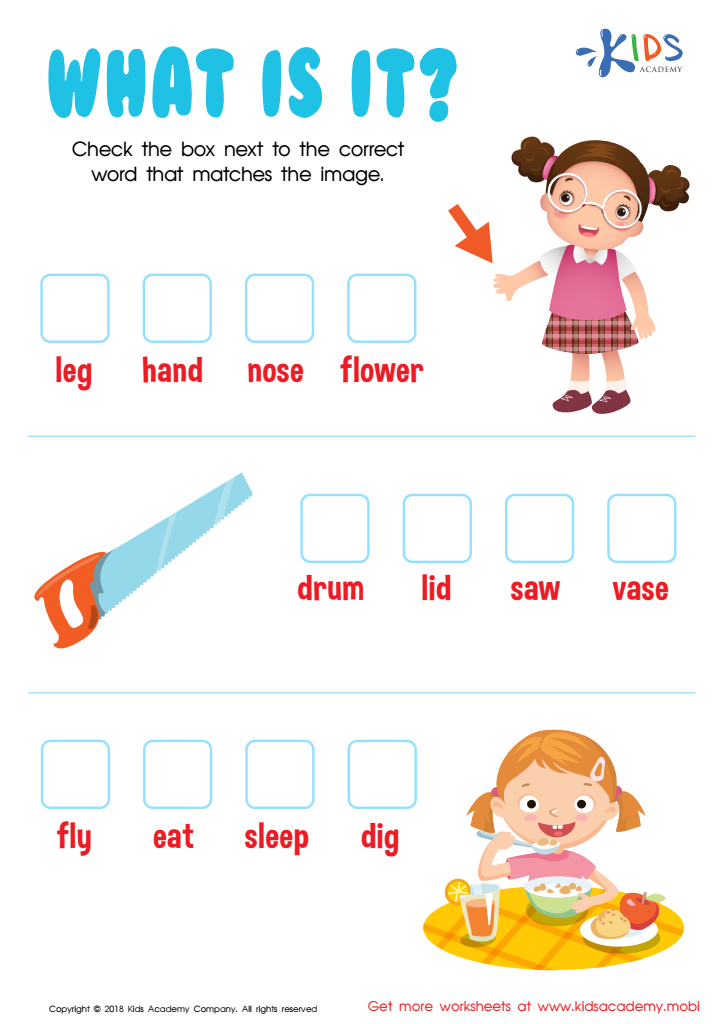
What Is It? Worksheet
 Assign to My Students











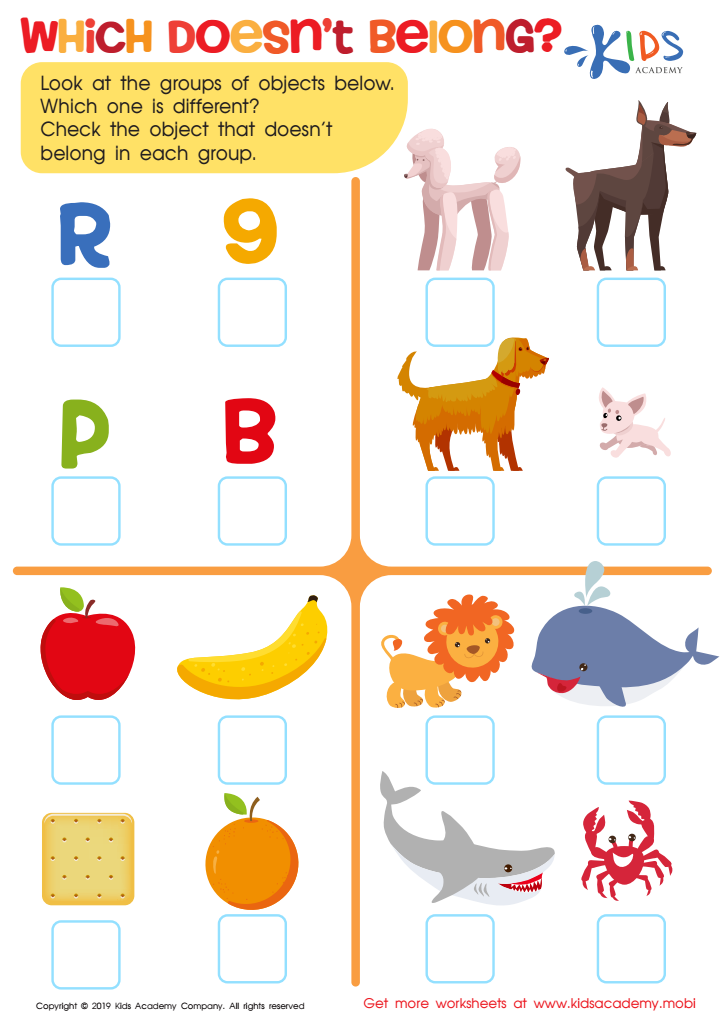
Which Doesn't Belong? Worksheet
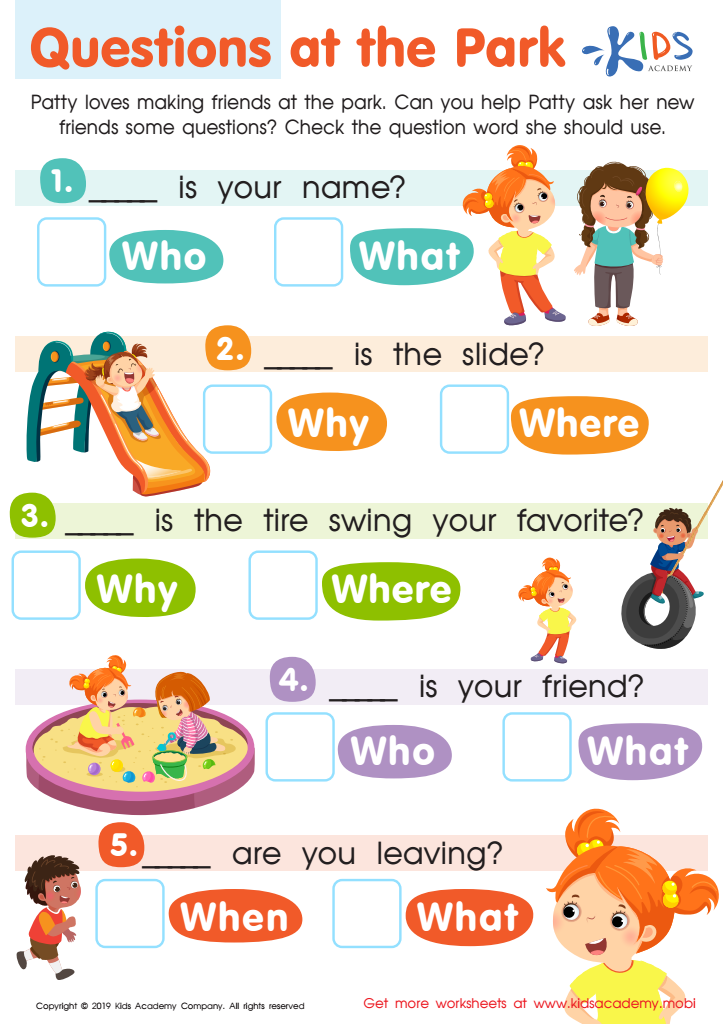
Questions at the Park Worksheet
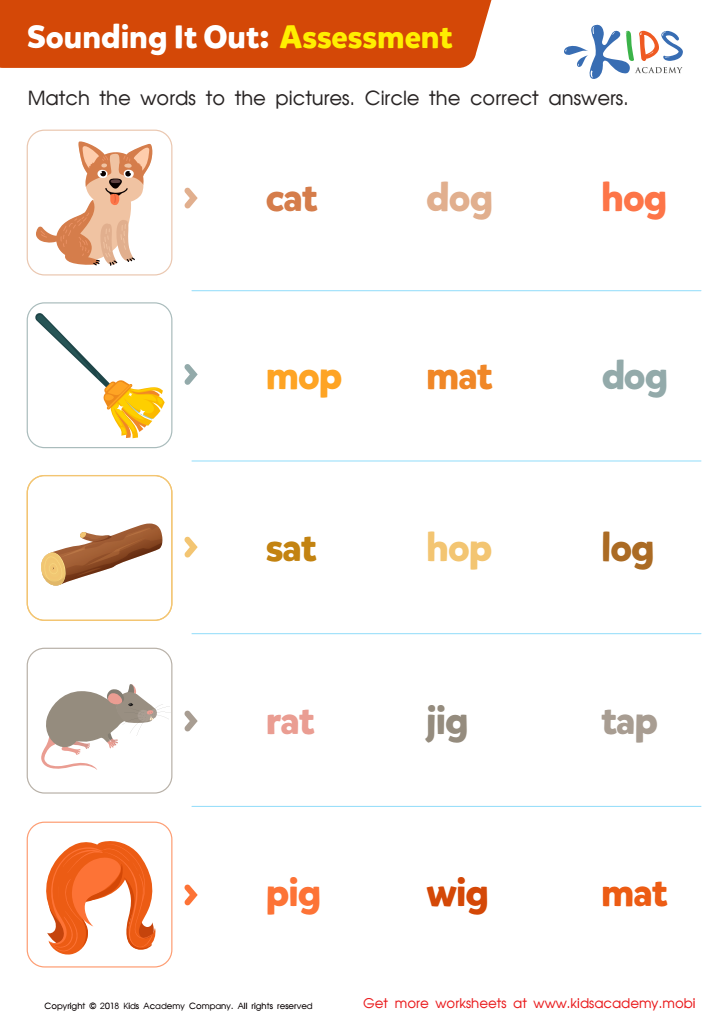
Sounding it Out: Assessment Worksheet
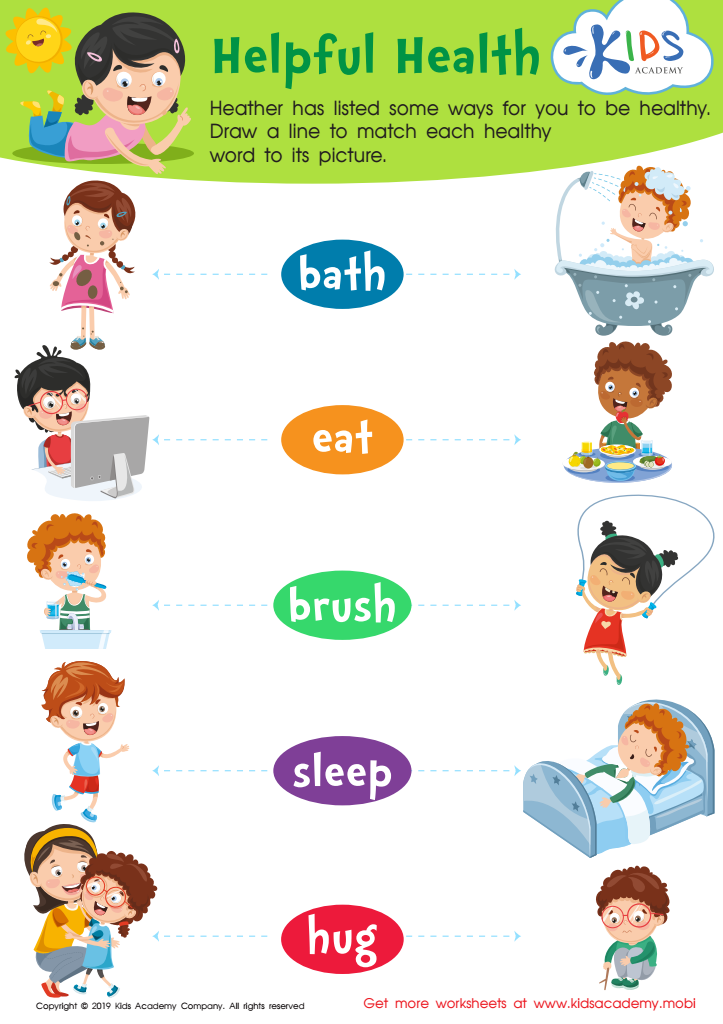
Helpful Health Worksheet



.jpg)




Logical reasoning and vocabulary development are crucial components of a child's cognitive and linguistic growth. For parents and teachers, recognizing the importance of these skills can significantly impact a child's overall academic success and emotional intelligence.
Logical reasoning equips children with the ability to analyze information, draw conclusions, and solve problems effectively. These skills are foundational for critical thinking, enabling them to navigate complex challenges both in the classroom and in real-life situations. Children with strong logical reasoning skills are often more adept at understanding new concepts, making logical connections, and developing independent thoughts.
Vocabulary building complements logical reasoning by enhancing communication skills and comprehension. A robust vocabulary enables children to express their ideas clearly, understand complex texts, and engage in thoughtful discussions. This linguistic flexibility fosters a love for learning and encourages curiosity.
Moreover, these skills are interlinked; a wide vocabulary allows children to articulate their reasoning, while logical tasks can introduce and reinforce new vocabulary. Thus, investing time in activities that foster both logical reasoning and vocabulary is essential. It not only prepares children for academic achievements but also equips them with lifelong skills necessary for social interactions, decision-making, and self-expression. Parents and teachers who focus on these areas are better preparing children for a successful future.








