
Math problem-solving Building Vocabulary Worksheets
6 filtered results
Difficulty Level
Grade
Age
-
From - To
Subject
Activity
Standards
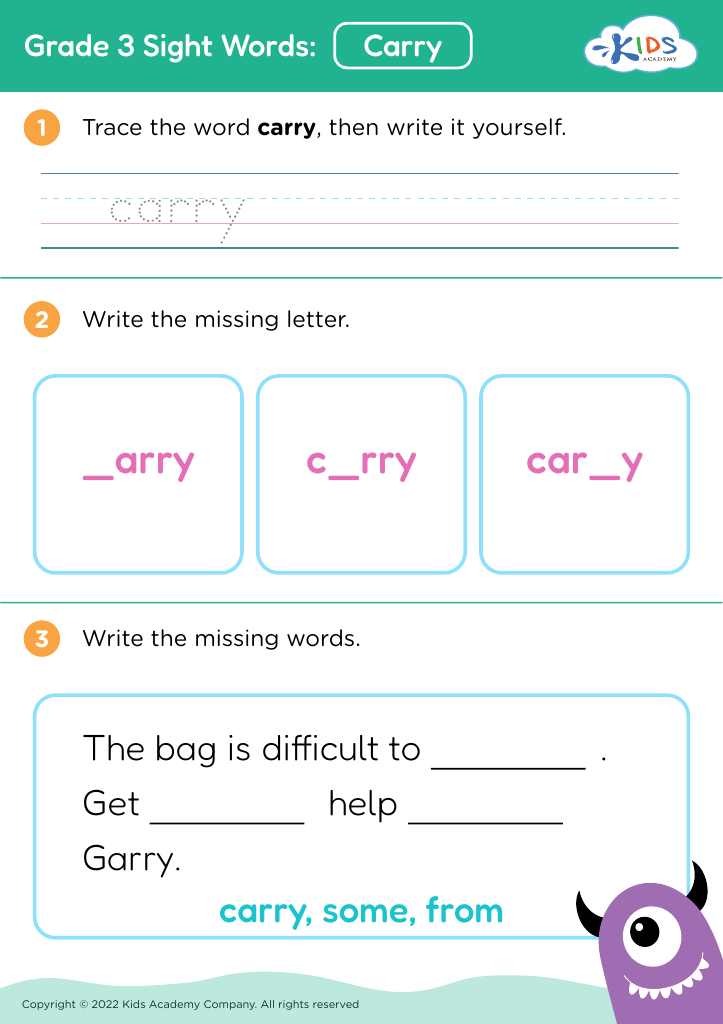
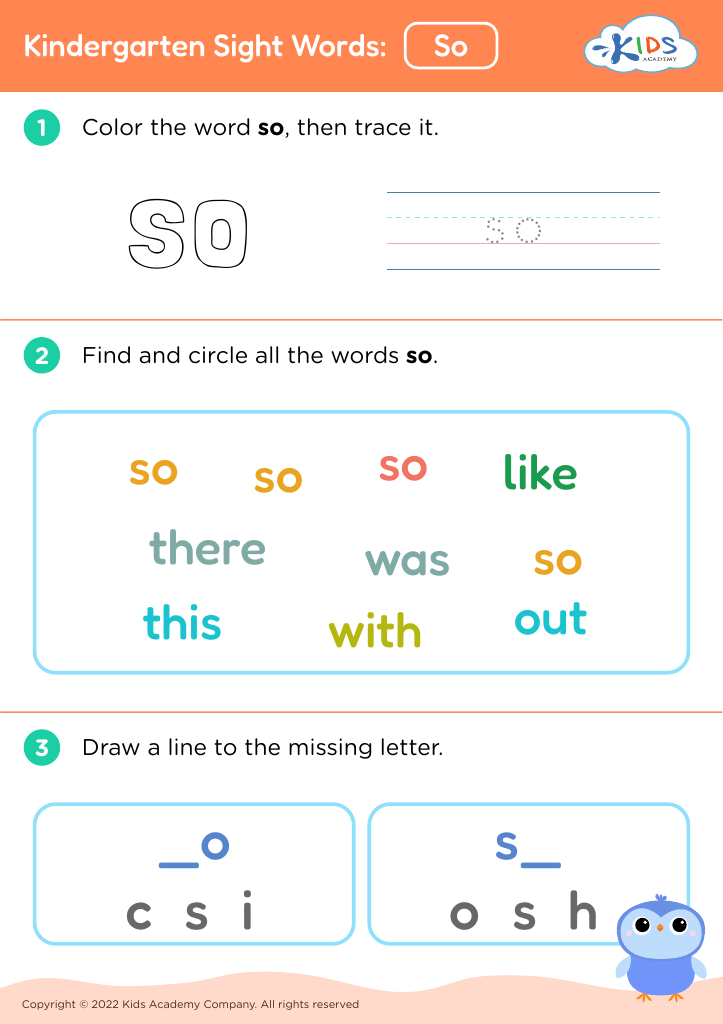
Boost your child's math and language skills with our Math Problem-Solving Building Vocabulary Worksheets! Designed for early learners, these engaging worksheets enhance understanding of math concepts while enriching vocabulary. Each activity encourages critical thinking and reinforces problem-solving techniques essential for academic success. Students will practice using math language, exploring terms such as "sum," "difference," "greater than," and more. Perfect for classroom use or at-home practice, our worksheets foster a love for learning through fun, interactive exercises. Equip your young scholars with the tools they need to master math vocabulary and tackle problems with confidence. Explore our collection today!
Favorites
With answer key
Interactive











Join Kids Academy for Free
Who is primarily going to use this learning content?






.jpg)

Math problem-solving and building vocabulary are crucial for early childhood education, as they set the foundation for a child's overall academic success. Parents and teachers should prioritize these areas for several reasons. First, math problem-solving encourages critical thinking and enables children to tackle real-world challenges effectively. Through solving problems, students learn to analyze situations, develop strategies, and think logically.
Moreover, building vocabulary related to math enhances communication skills, helping children articulate their thought processes and understand concepts more deeply. The specific language of math—terms like "sum," "difference," "multiply," and "divide"—is essential for grasping mathematical concepts and participating in discussions.
Furthermore, vocabulary development is not isolated from math; it contributes to reading comprehension across subjects, fostering a love of learning. When students can express themselves confidently, they are more likely to engage with complex concepts and share their insights with peers.
Lastly, a strong foundation in math problem-solving and vocabulary helps prepare children for future academic challenges. In an increasingly data-driven world, skills in math and effective communication will be indispensable, making early education in these areas critical for lifelong success. Engaging with math and language builds not only minds but provides children with tools for navigating the complexities of life.








