Fraction simplification Reading Worksheets
16 filtered results
-
From - To
Enhance your child's understanding of fractions with our engaging Fraction Simplification Reading Worksheets! Designed for early learners, these worksheets provide a fun, interactive way for students to grasp the concept of simplifying fractions. Each printable resource features clear explanations and hands-on activities that encourage critical thinking and problem-solving skills. These worksheets weave reading comprehension and math skills together, making learning enjoyable and effective. Perfect for both classroom and home use, our Fraction Simplification Reading Worksheets cater to various learning styles and abilities. Download now and turn fraction simplification into an exciting learning adventure for your child!
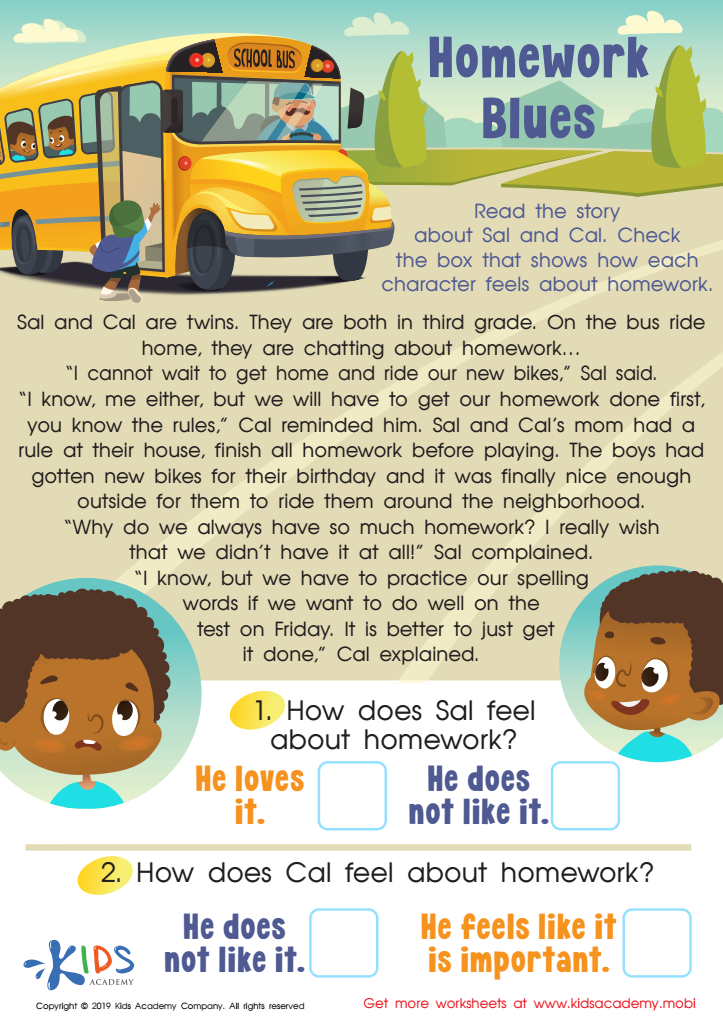
Homework Blues Worksheet
 Assign to My Students
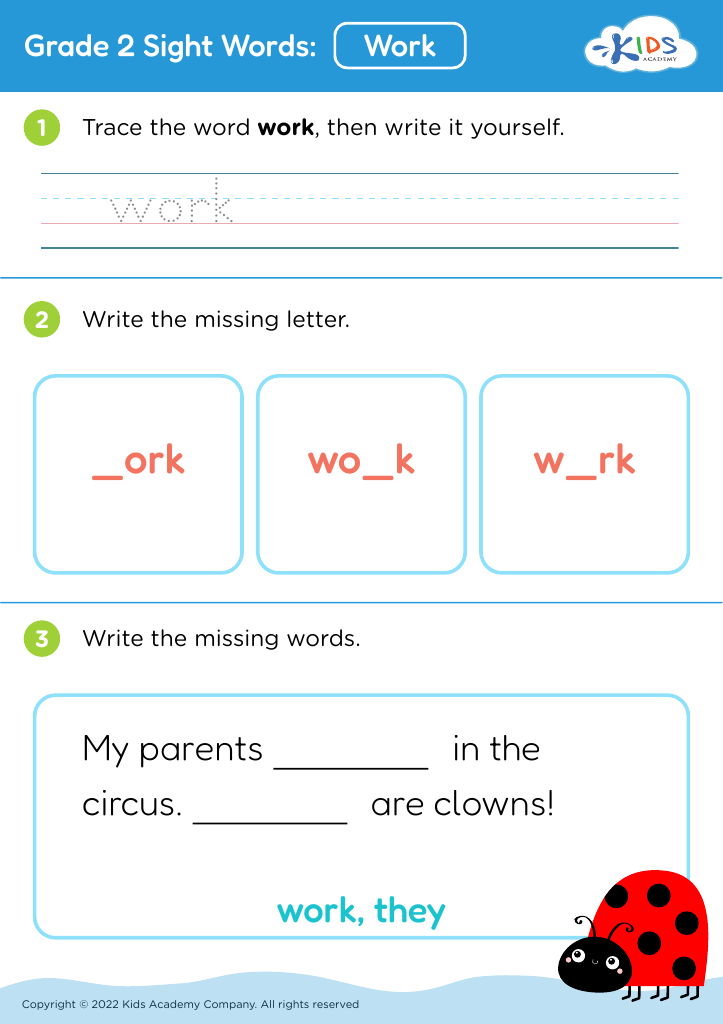
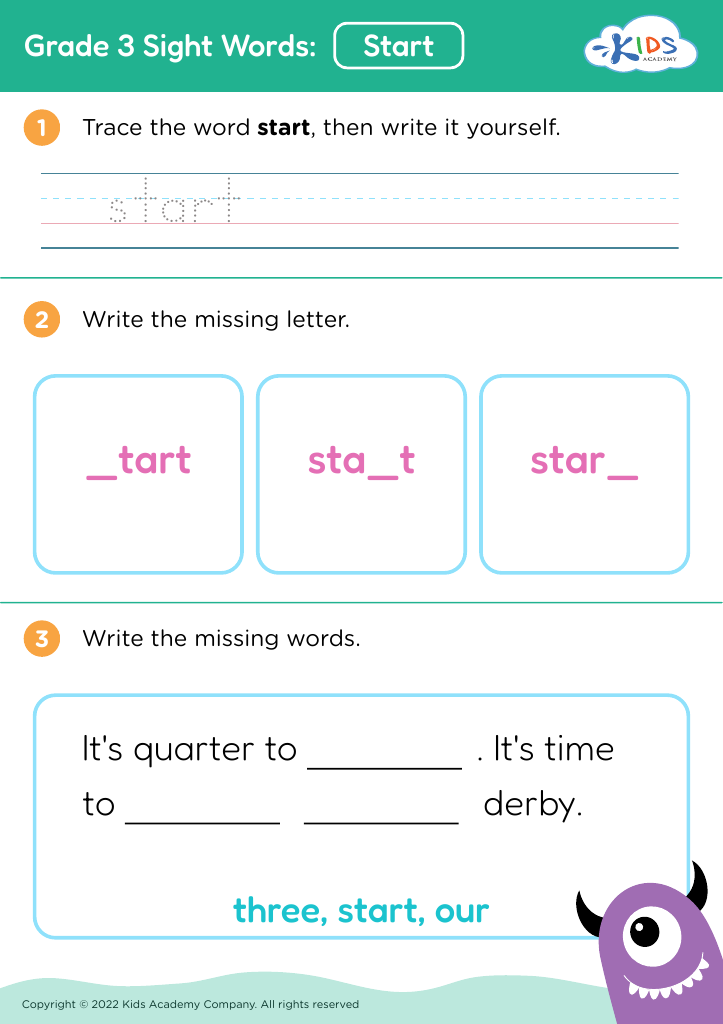
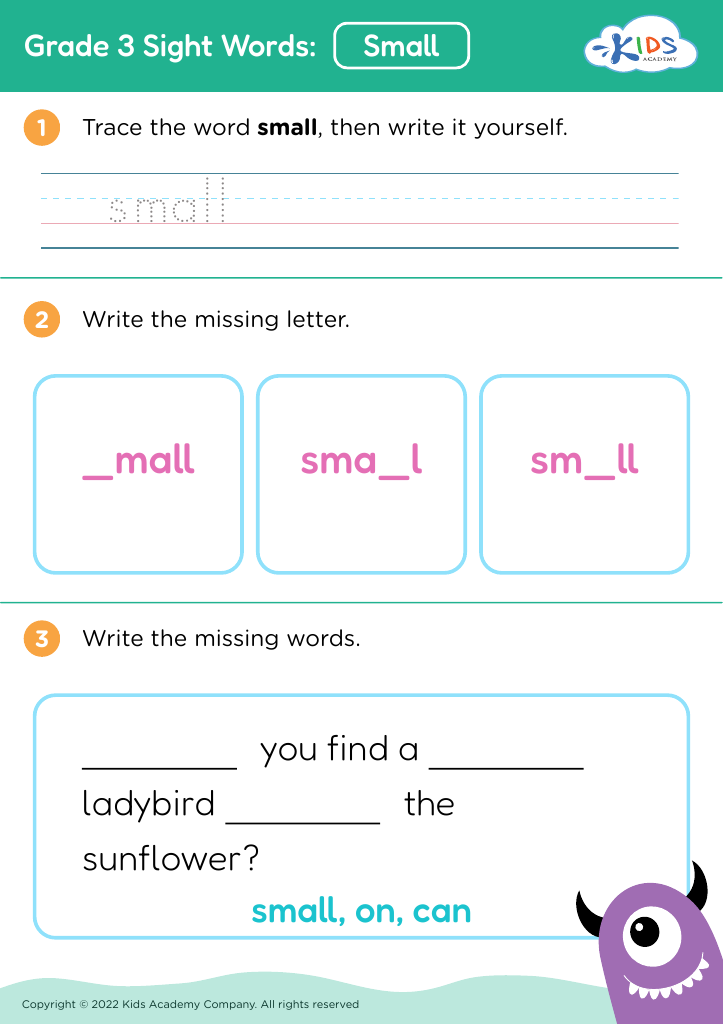








Fraction simplification is a crucial mathematical skill that has significant implications for students' overall math literacy and problem-solving abilities. Parents and teachers should care about this skill because it lays the foundation for understanding more complex mathematical concepts. Simplifying fractions helps students grasp the concept of equivalent values, which is essential for adding, subtracting, multiplying, and dividing fractions accurately in future lessons.
Moreover, mastering fraction simplification fosters critical thinking skills. Students learn to analyze problems, identify relationships between numbers, and determine the most efficient methods for finding solutions. This cognitive skill can translate beyond math and enhance their reasoning abilities in various subjects. Additionally, when students successfully simplify fractions, they experience a sense of achievement, which promotes confidence and a positive attitude toward math.
Furthermore, helping students develop this skill creates opportunities for collaboration in the classroom. When students confidently understand fractions, they can engage in group activities and discussions, promoting a supportive learning environment. In sum, fostering an understanding of fraction simplification contributes not only to math proficiency but also supports overall academic growth, self-esteem, and a love for learning, making it a crucial focus for both parents and teachers.








