Observation skills Reading Worksheets
3 filtered results
-
From - To
Enhance your child's attentiveness with our engaging Observation Skills Reading Worksheets. Designed for early learners, these printable worksheets help develop essential reading and observation skills through fun and interactive activities. Each worksheet challenges children to carefully analyze details in text and illustrations, improving their focus, comprehension, and critical thinking abilities. Perfect for classroom use or at-home practice, our Observation Skills Reading Worksheets cater to various learning styles, ensuring that young readers build a strong foundation for academic success. Explore our collection and watch your child's observational skills flourish while they enjoy the journey of learning to read.
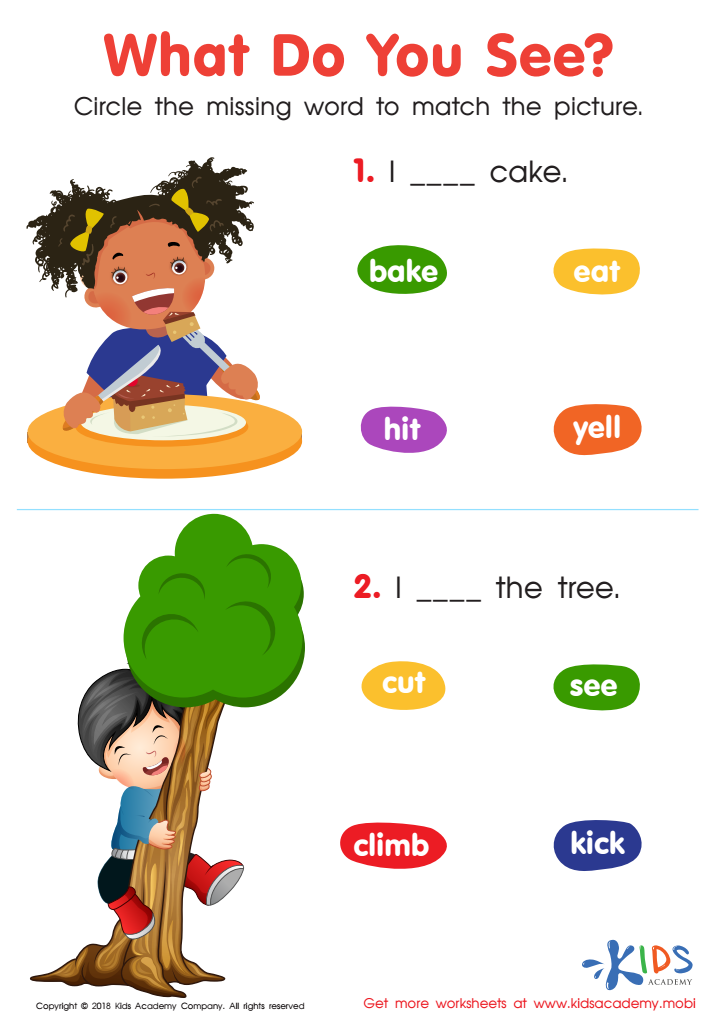
What Do You See? Reading Worksheet
 Assign to My Students
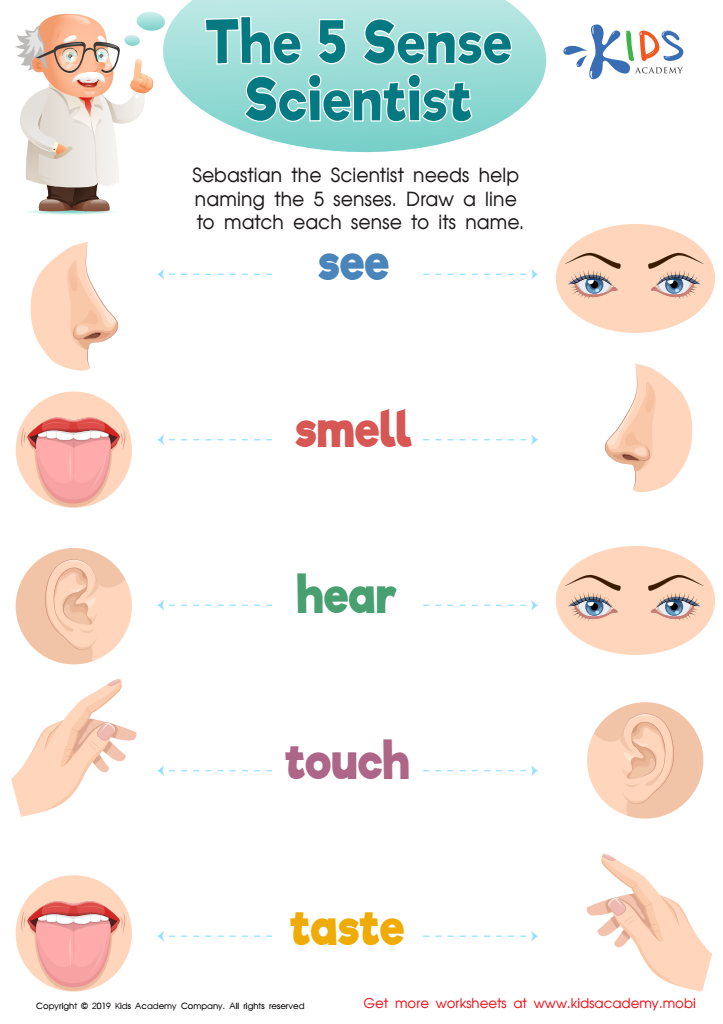
The 5 Sense Scientist Worksheet
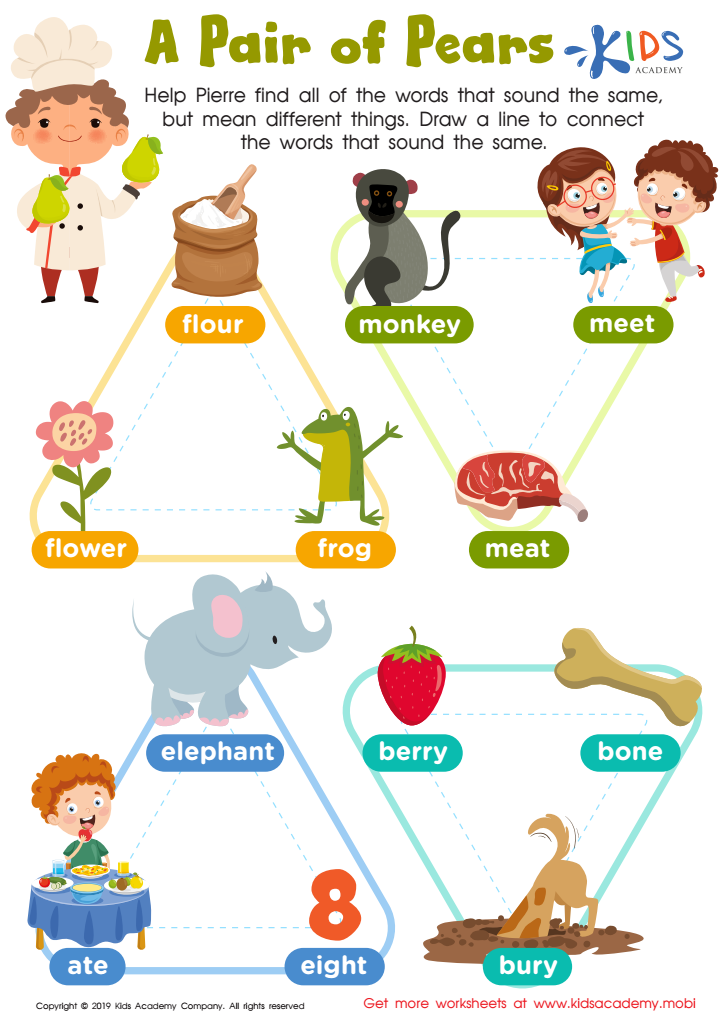
Pair Pears Worksheet





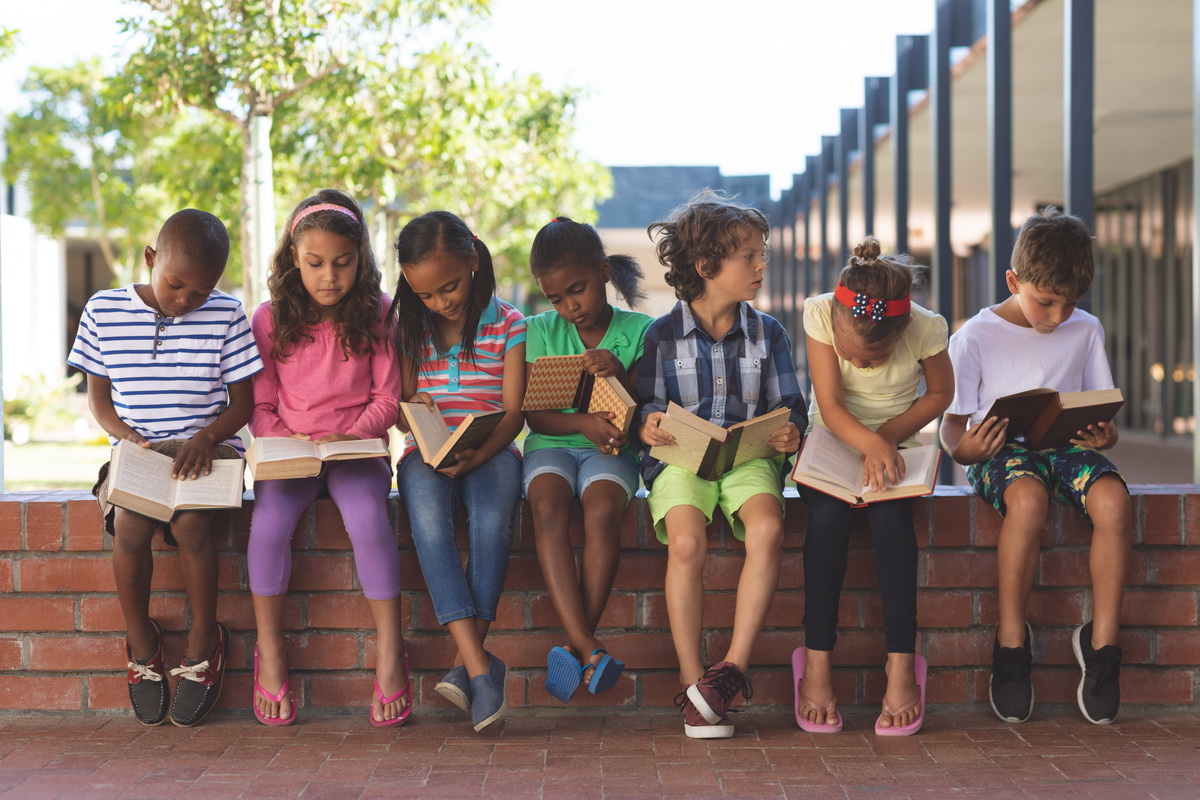

Observation skills are crucial for children's development, and both parents and teachers play a pivotal role in guiding and improving these skills. When correctly harnessed, observation skills can lay a strong foundation for academic success and personal growth. For parents, keen observation helps understand their child's interests, strengths, and areas where they may need extra help. This awareness allows parents to provide appropriate resources and support, paving the way for lifelong learning.
For teachers, observation facilitates tailored teaching strategies that address individual student needs. By recognizing subtle cues like body language or changes in behavior, teachers can adjust their methods to foster a more dynamic and inclusive learning environment. Observation skills also enable educators to track developmental milestones and cognitive progress, ensuring timely intervention where necessary.
Moreover, by demonstrating strong observation practices, both parents and teachers set positive examples for children. They learn to become more mindful, aware, and empathetic individuals. Thus, nurturing observation skills is not just about enhancing academic performance—it's about fostering holistic growth that prepares children for the complex social environments of the future. Observational proficiency fosters inquisitive minds, keen analytical abilities, and thoughtful interactions, all of which are essential life skills.








