Understanding habitats Reading Worksheets
3 filtered results
-
From - To
Explore our engaging "Understanding Habitats" Reading Worksheets, designed to enhance young learners' reading skills while introducing them to the fascinating world of habitats. These worksheets promote comprehension and critical thinking through captivating texts about various ecosystems, such as forests, deserts, and oceans. With activities that include matching, fill-in-the-blank exercises, and discussion questions, students will deepen their understanding of the environment. Perfect for early grades, our resources support curriculum goals and make learning interactive and enjoyable. Foster a love for reading and the natural world in your students today with these comprehensive worksheets tailored for curious minds!
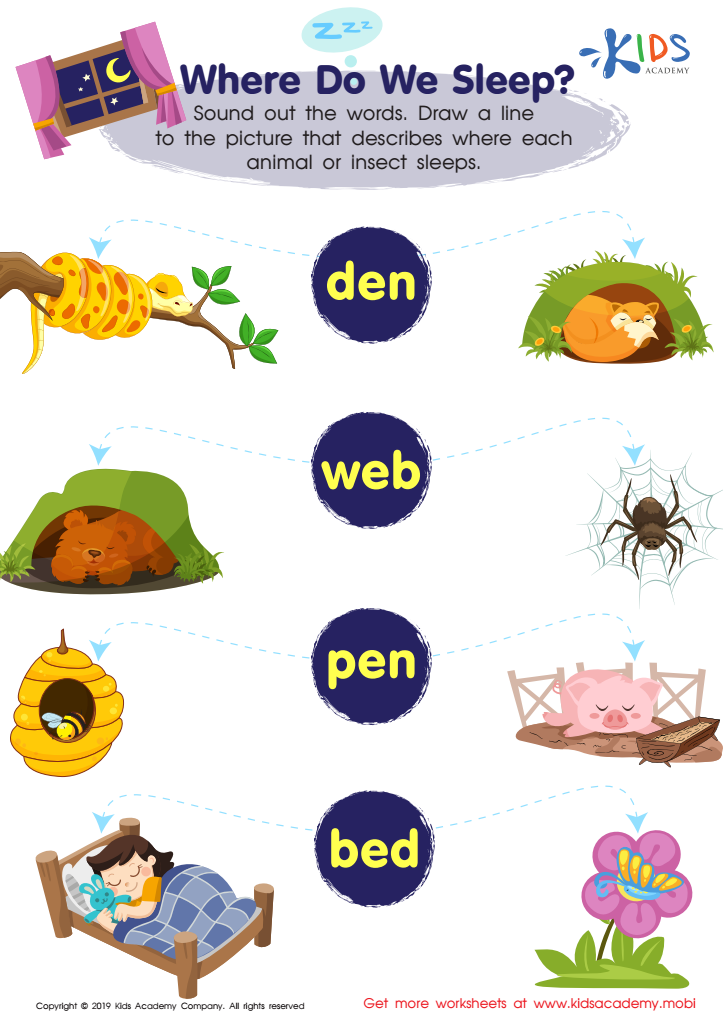
Where Do We Sleep Worksheet
 Assign to My Students
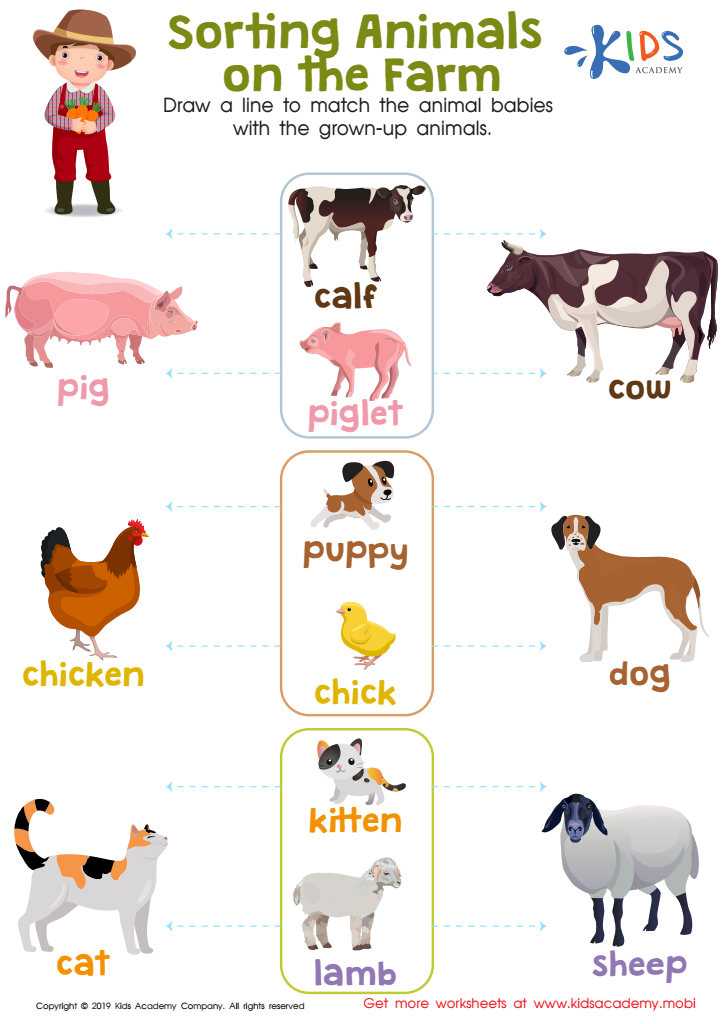
Sorting Animals on the Farm Worksheet








Understanding habitats is crucial for both parents and teachers as it lays the foundation for a child's appreciation of the natural world. Learning about different habitats—such as forests, deserts, oceans, and wetlands—helps children grasp the interconnectedness of ecosystems and the importance of biodiversity. This knowledge fosters an early sense of environmental responsibility, encouraging kids to become stewards of the Earth.
Reading about habitats engages children’s curiosity and enhances their literacy skills while opening up discussions about nature, survival, and adaptation. Through stories and educational texts, children encounter various plants and animals, learning how they interact with their environments. This encourages critical thinking and problem-solving, as they often explore challenges such as climate change and habitat destruction.
Moreover, introducing habitat education can enhance a child's social-emotional skills. Discussing various organisms' roles within an ecosystem fosters empathy and kindness toward all living things. Parents and teachers who emphasize environmental education are helping cultivate aware and compassionate individuals, essential qualities for future generations.
Ultimately, promoting an understanding of habitats empowers children with knowledge and respect for the world around them, supporting both their personal growth and a sustainable future.








