Letter recognition Reading Comprehension Worksheets
3 filtered results
-
From - To
Enhance your young learner’s reading skills with our engaging Letter Recognition Reading Comprehension Worksheets. Designed for early readers, these worksheets not only foster letter recognition but also boost reading comprehension abilities. Each activity combines fun exercises with age-appropriate texts, making learning enjoyable and effective. Children will practice identifying letters, associating sounds, and understanding simple sentences while developing critical thinking skills. Perfect for classrooms or at-home learning, our worksheets help nurture a love for reading from a young age. Explore our diverse range of printable resources today to support your child’s reading journey with interactive and educational fun!
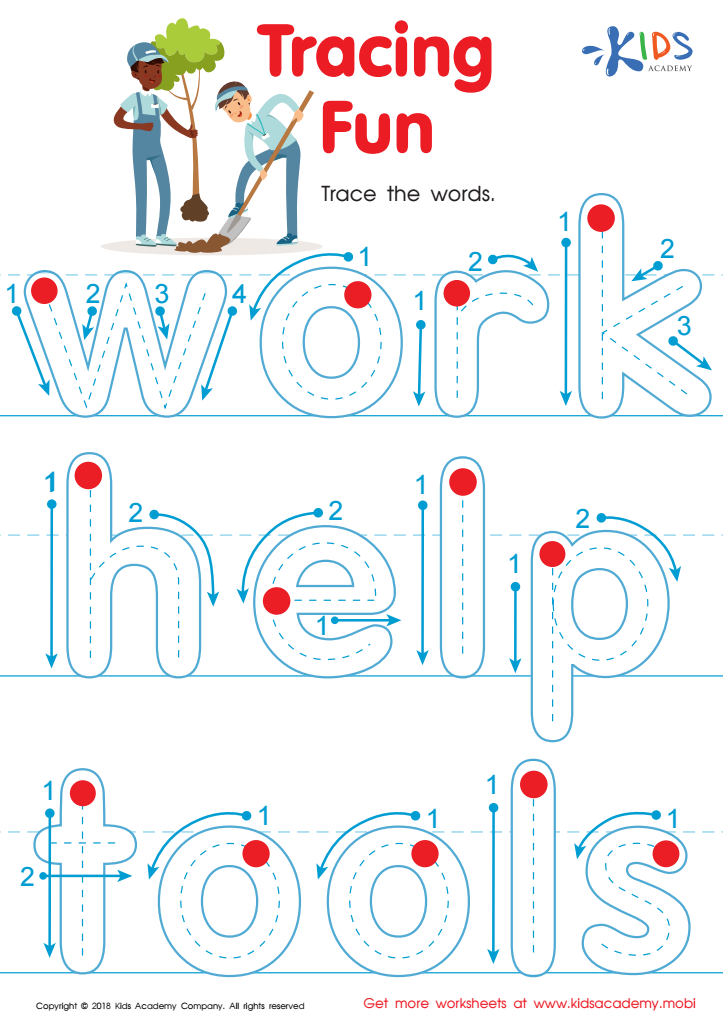
Tracing Fun Worksheet
 Assign to My Students
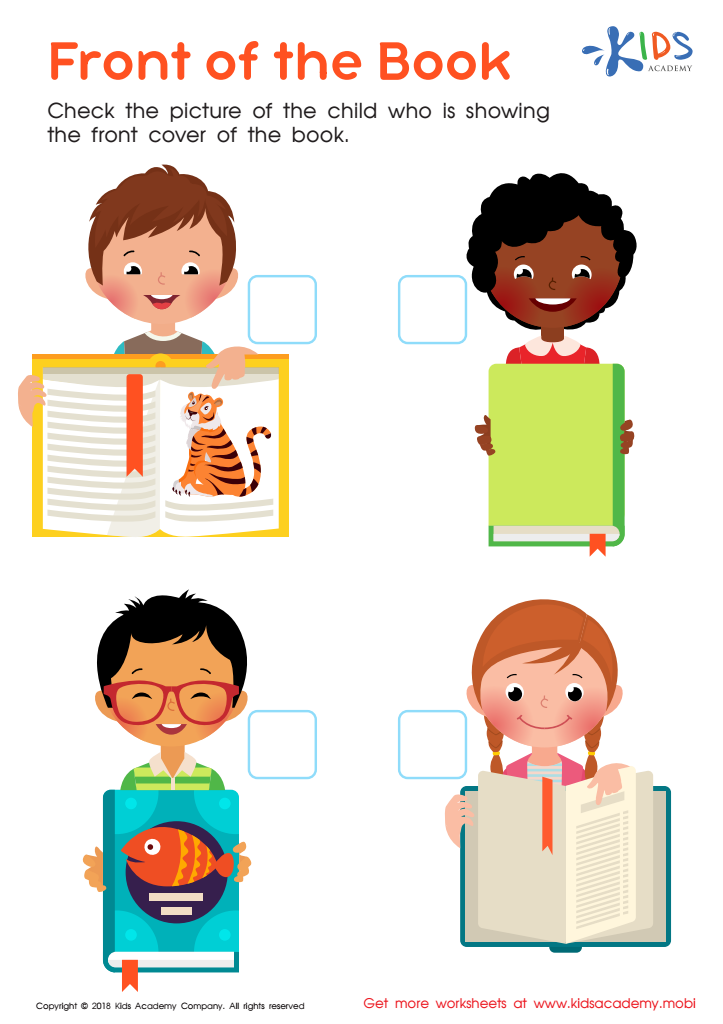
Front of the Book Worksheet
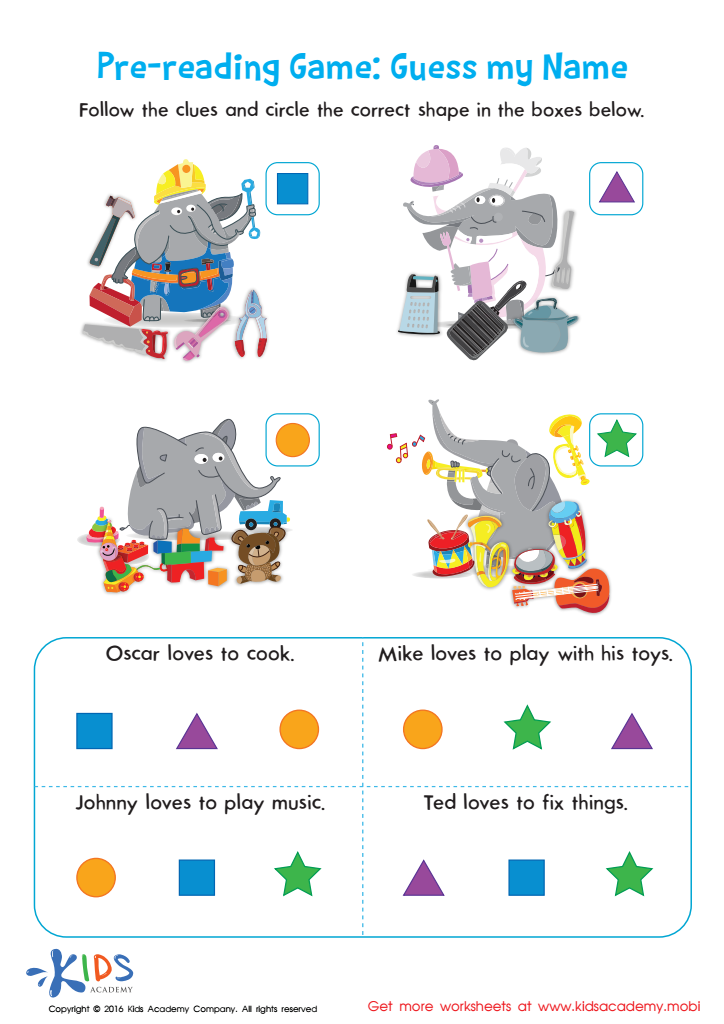
Pre Reading Worksheet Guess My Name


.jpg)





Letter recognition and reading comprehension are fundamental building blocks of literacy, essential for a child’s overall academic success. Parents and teachers should prioritize these skills because they serve as gateways to effective communication and critical thinking.
Letter recognition helps children identify and differentiate letters, which is crucial for reading and writing. Mastery of this skill allows young learners to decode words, facilitating the transition from simply recognizing letters to understanding words and sentences. Consequently, once children can decode text successfully, they can focus on reading comprehension, enabling them to grasp the underlying meaning of what they read.
Reading comprehension is vital for educational achievement across subjects. If a child struggles to understand what they read, it hampers their ability to engage with diverse texts, participate in discussions, and apply knowledge in practical situations. Moreover, strong reading comprehension fosters curiosity and a love for learning, which can inspire lifelong literacy habits.
In summary, letter recognition and reading comprehension are interlinked skills critical for ensuring children develop confidence, academic proficiency, and the ability to communicate effectively throughout their lives. By advocating for these foundational skills, parents and teachers can empower children to thrive in school and beyond.








