Color recognition Reading Fiction Worksheets
6 filtered results
-
From - To
Develop your child's color recognition skills with our engaging Color Recognition Reading Fiction Worksheets! Designed for early learners, these worksheets combine vibrant illustrations and fun story elements to help kids grasp color concepts while enhancing their reading abilities. Each activity aims to spark curiosity and imagination, encouraging young readers to identify colors within the context of captivating narratives. Perfect for classrooms or home study, our worksheets promote critical thinking and foster a love for reading. Download these creative resources today to make learning enjoyable and interactive for your little ones, laying a strong foundation for their academic success!
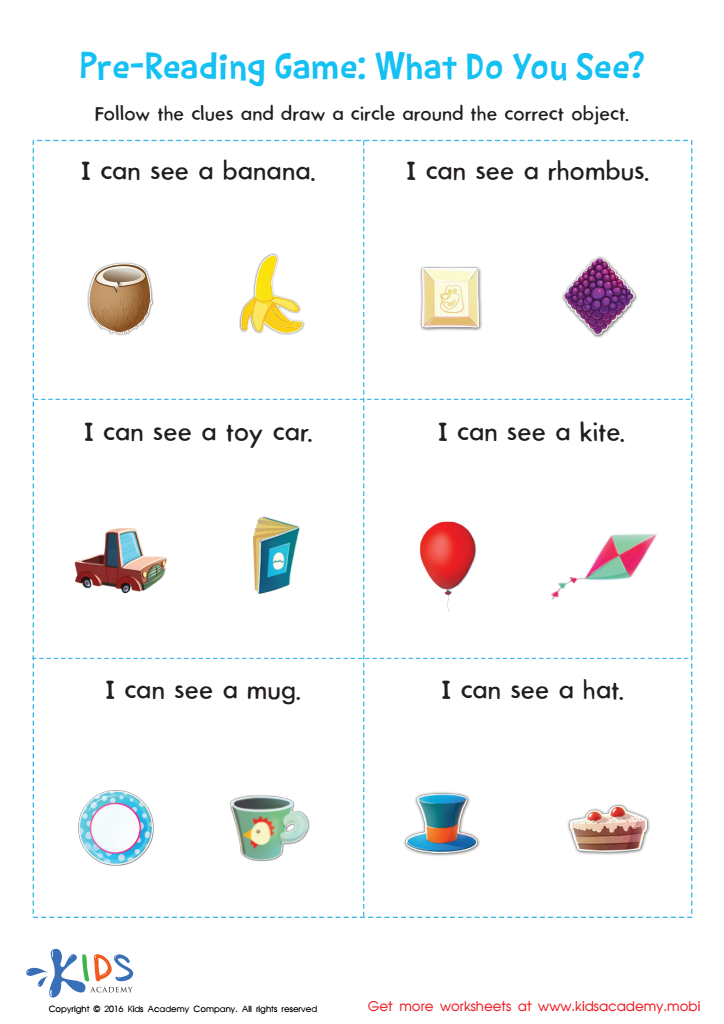
Pre–reading Worksheet: What Do You See?
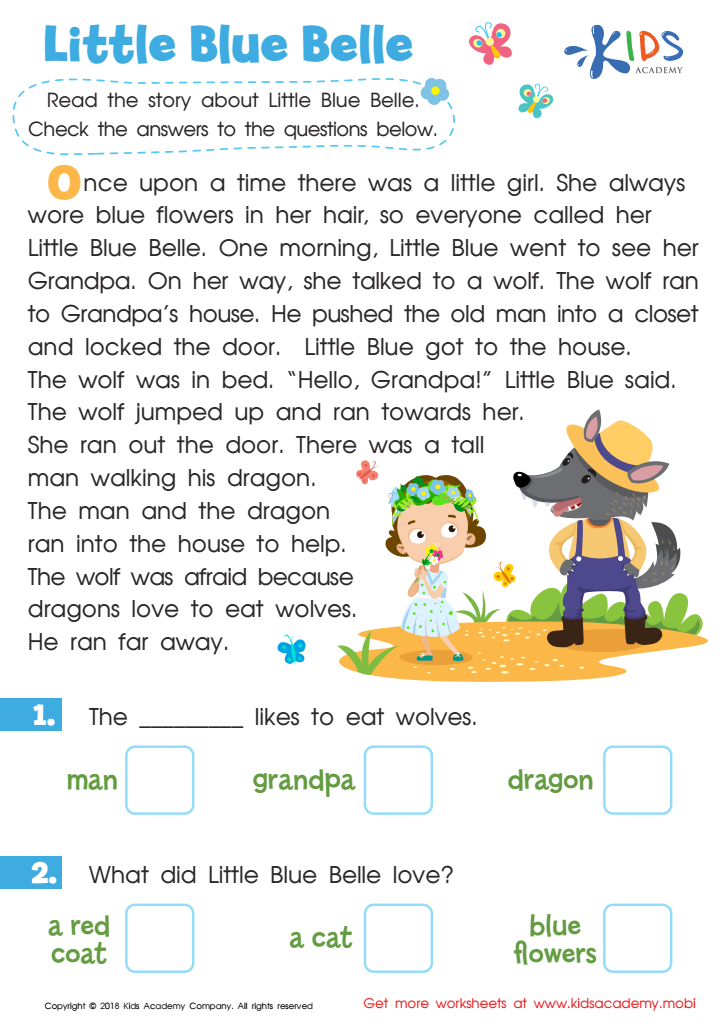
Little Blue Belle Worksheet
Twinkle Twinkle Little Star Coloring Page
 Assign to My Students
Hickory Dickory Dock Coloring Page
Assign to My Students
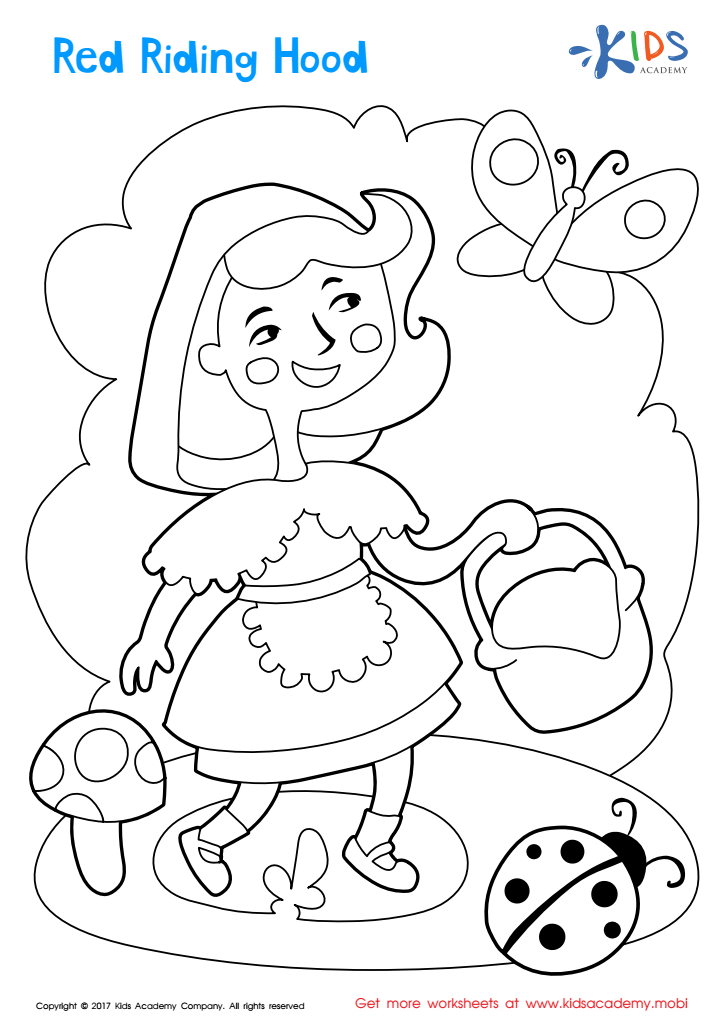
Red Riding Hood Coloring Page
Assign to My Students
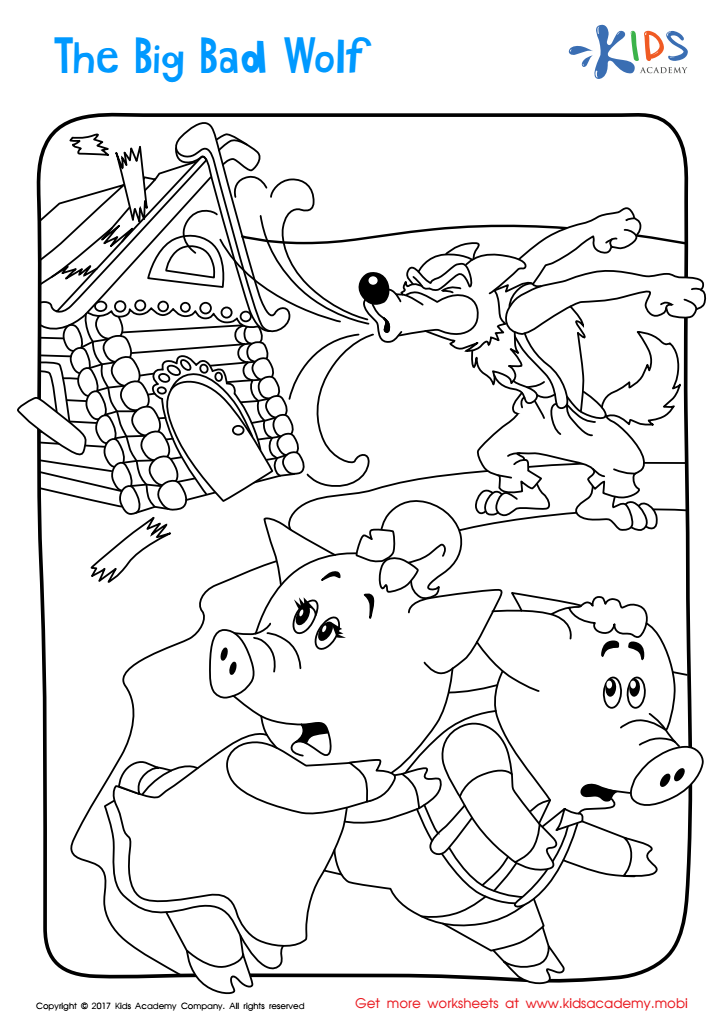
Big Bad Wolf Printable Coloring Page
Assign to My Students








Color recognition is an essential skill that lays the foundation for various cognitive and language development aspects in early childhood education. Parents and teachers should care about this skill because it significantly influences children's reading and comprehension abilities, particularly in recognizing context and meaning within fictional texts.
Colors often carry symbolic meanings in literature, linking emotions and themes to visual representations. For instance, a story with bright colors may convey happiness, while darker tones might indicate danger or sadness. When children can identify and understand colors during reading, they enhance their ability to visualize scenes, summarize narrative elements, and empathize with characters’ experiences.
Additionally, engaging with colors in reading materials can stimulate children's imaginations, helping them create mental images that promote deeper connections to the text. This engagement also fosters an interest in reading, as colorful illustrations capture young learners’ attention.
Finally, developing color recognition skills supports early literacy by expanding vocabulary and comprehension. By integrating color-related activities within reading sessions—such as identifying colors in illustrations or discussing their meaning—parents and teachers can nurture a love of reading while aiding children's language development. Ultimately, paying attention to color recognition enhances children's overall learning experiences, fostering a deeper appreciation for literature.








