Enhancing vocabulary Reading Fiction Worksheets
4 filtered results
-
From - To
Enhance your child's vocabulary with our engaging Reading Fiction Worksheets! Designed for early learners, these worksheets offer fun and interactive activities that build language skills while spotlighting the joys of reading fiction. With diverse exercises, including word searches, matching games, and context clues, children can explore new words in a captivating context. Our resources not only improve vocabulary but also foster comprehension and critical thinking. Perfect for classroom or home learning, these worksheets ensure a comprehensive language experience. Join us in cultivating a lifelong love for reading while enriching your child's vocabulary! Download your worksheets today and start the adventure!
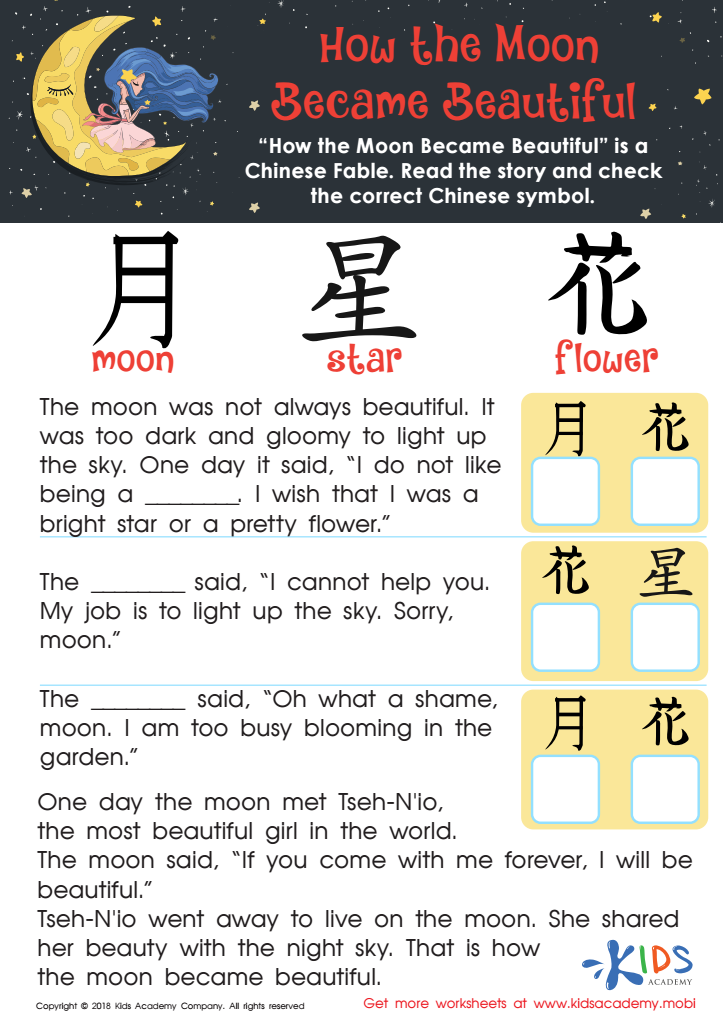
How the Moon Became Beautiful Worksheet
 Assign to My Students
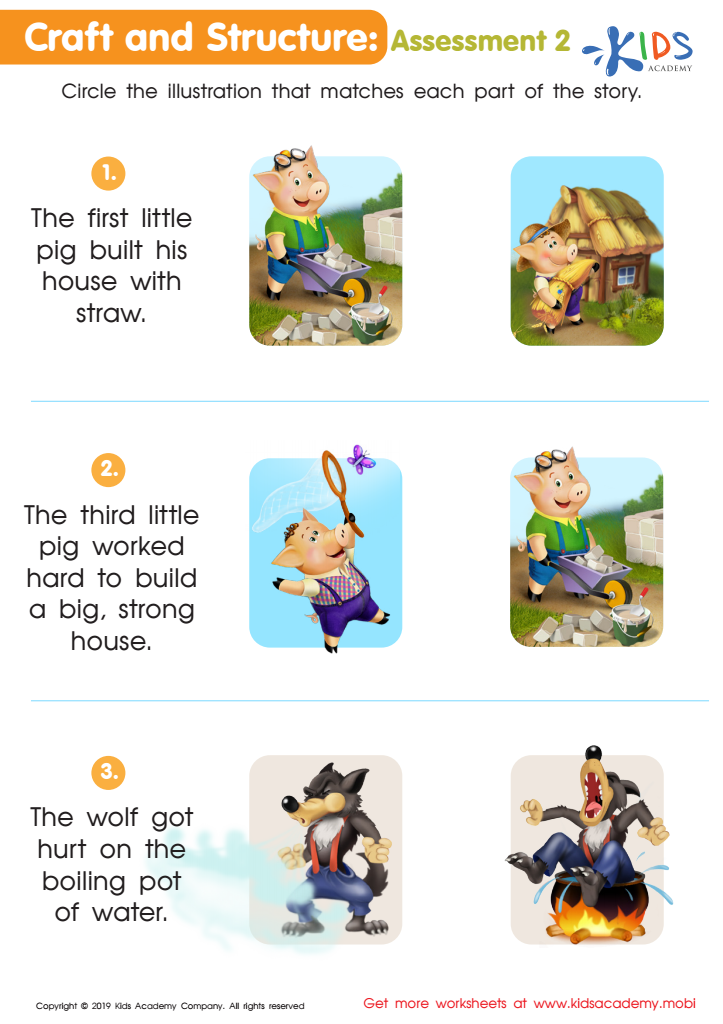
Craft and Structure: Assessment 2 Worksheet 2
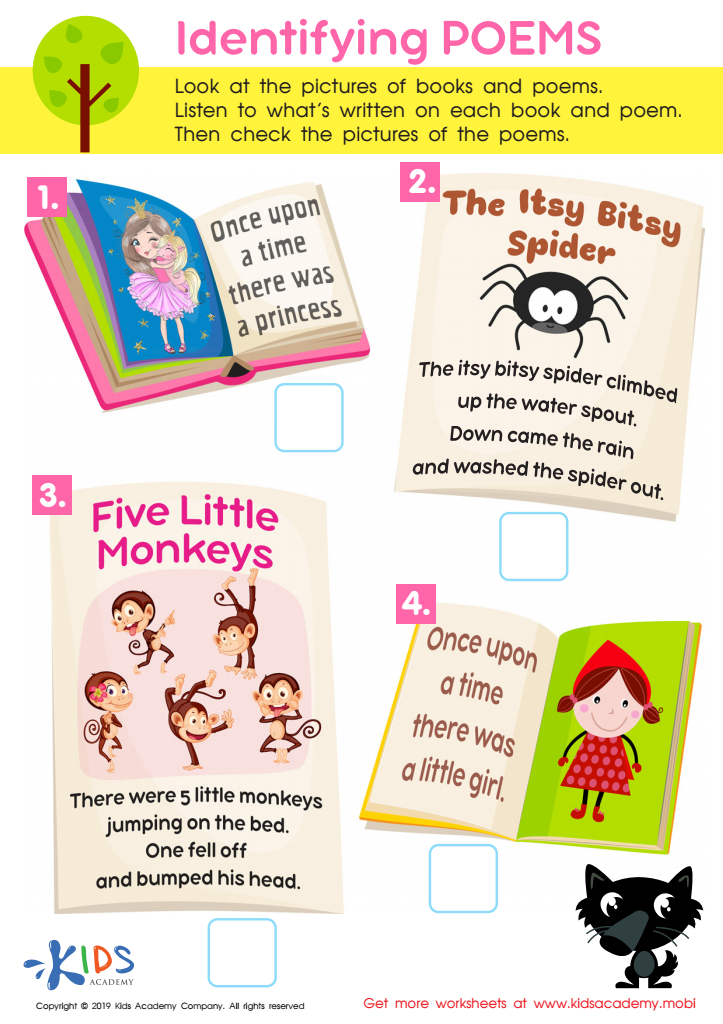
Identifying Poems Worksheet
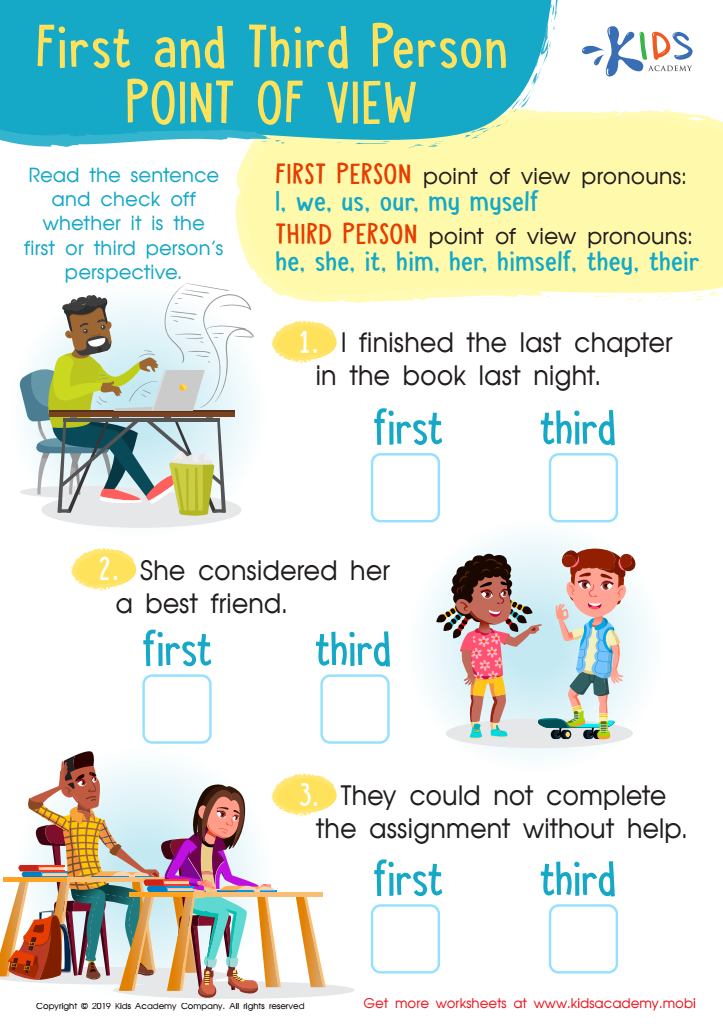
First and Third Person Point of View Worksheet



.jpg)

.jpg)


Enhancing vocabulary through reading fiction is crucial for young learners and offers extensive benefits that parents and teachers should prioritize. First, a rich vocabulary enables children to express themselves more clearly and effectively, which fosters better communication skills. Fiction introduces diverse language, ideas, and contexts, exposing children to new words in engaging and memorable ways.
Moreover, reading fictional stories encourages imagination and creativity. Through narratives, children are not only entertained but also stimulated cognitively, as they navigate different characters, settings, and plots. This cognitive engagement helps them make connections between words and their meanings, boosting comprehension skills.
Furthermore, the emotional themes present in fiction can foster empathy, critical thinking, and moral reasoning as children reflect on different human experiences. By discussing these themes, parents and teachers can reinforce vocabulary lessons while promoting social-emotional development.
Finally, proficient vocabulary skills are strongly linked to academic success. Children who read widely tend to perform better in all areas of study, setting a strong foundation for their educational journey. By focusing on enhancing vocabulary through reading fiction, parents and teachers equip students with the essential tools they need for effective communication, comprehension, and overall success in school and life.








