Reading Skills Reading Fiction Worksheets
5 filtered results
-
From - To
Enhance your child's reading comprehension with our engaging "Reading Skills Reading Fiction Worksheets." These thoughtfully designed resources help young learners develop essential reading skills while enjoying fascinating fictional stories. Each worksheet focuses on key reading strategies, including summarizing, identifying main ideas and characters, and making inferences. Perfect for classroom use or at-home practice, our worksheets cater to various reading levels, ensuring a fun and interactive learning experience. Download and print these resources to encourage critical thinking and a love for reading. Unlock your child’s potential today and foster a lifelong appreciation for literature with our comprehensive reading skills worksheets!
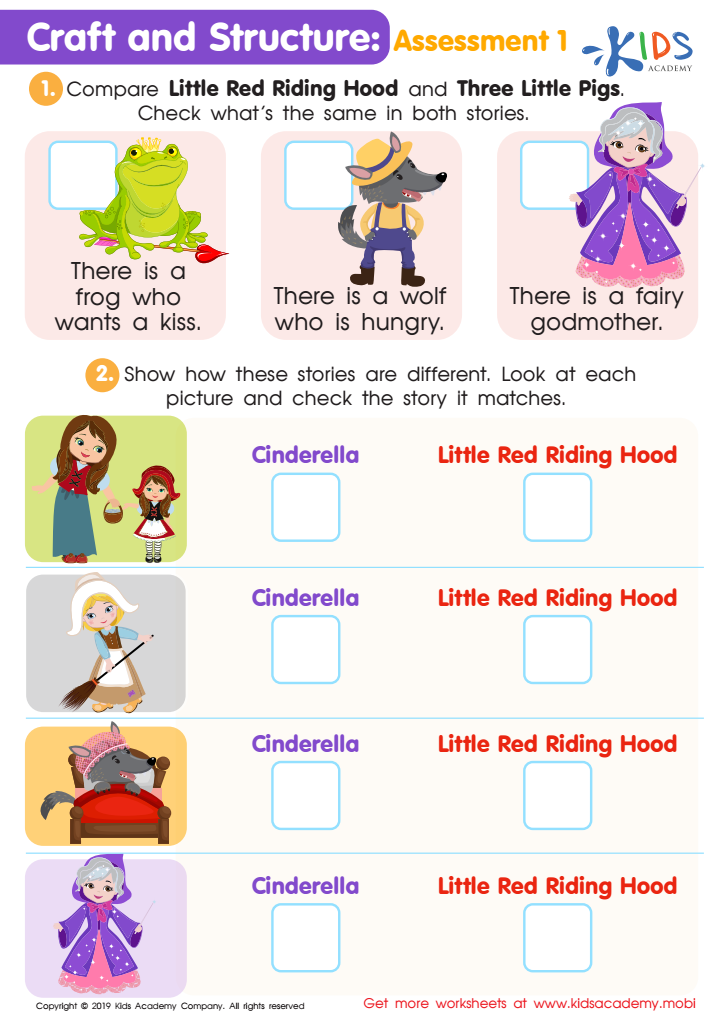
Craft and Structure: Assessment 1 Worksheet
 Assign to My Students
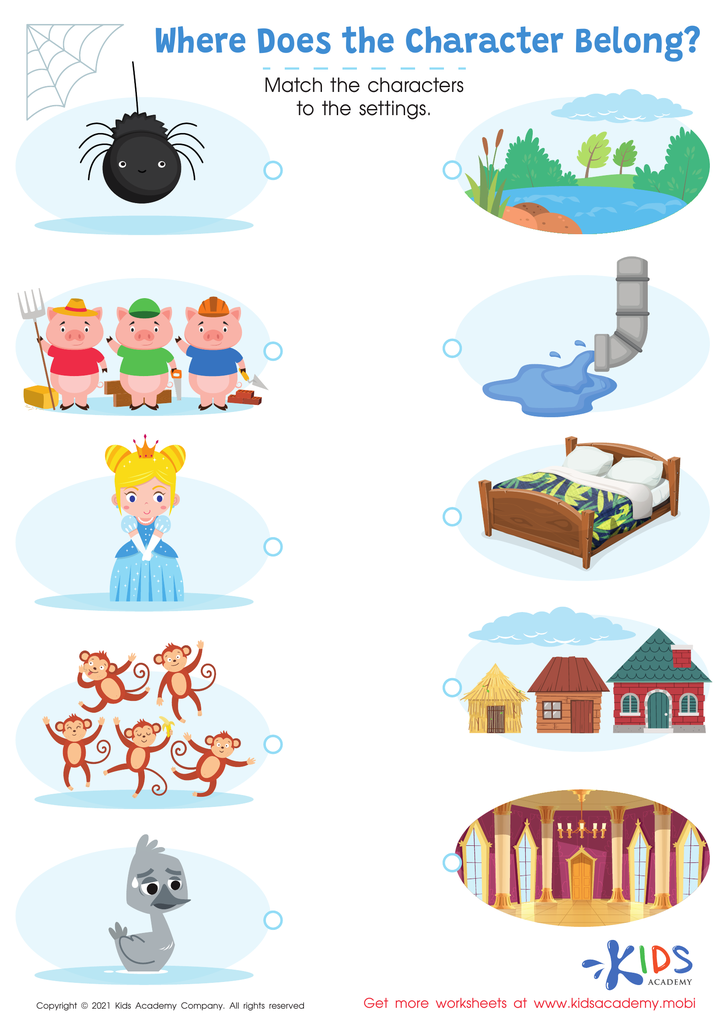
Where Does the Character Belong? Worksheet
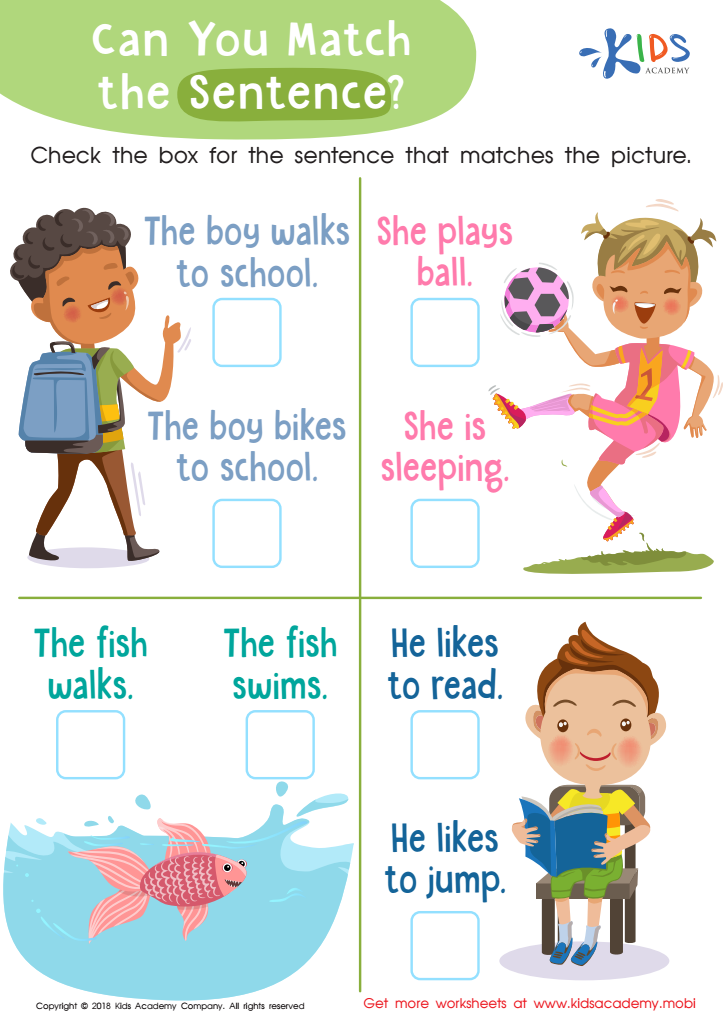
Can You Match the Sentence? Worksheet
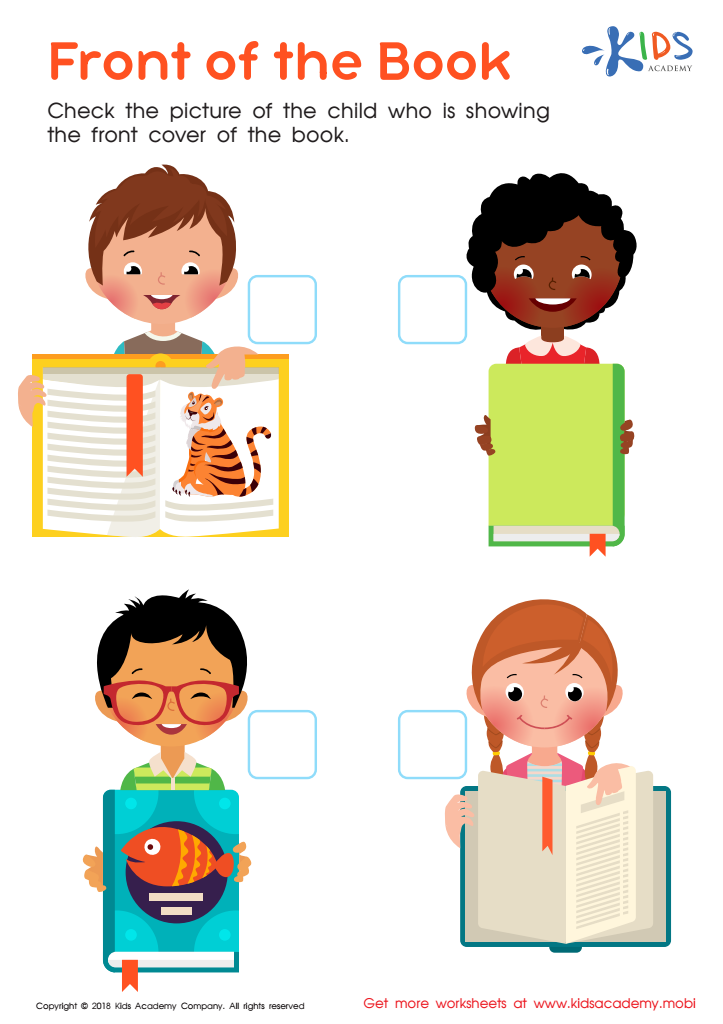
Front of the Book Worksheet
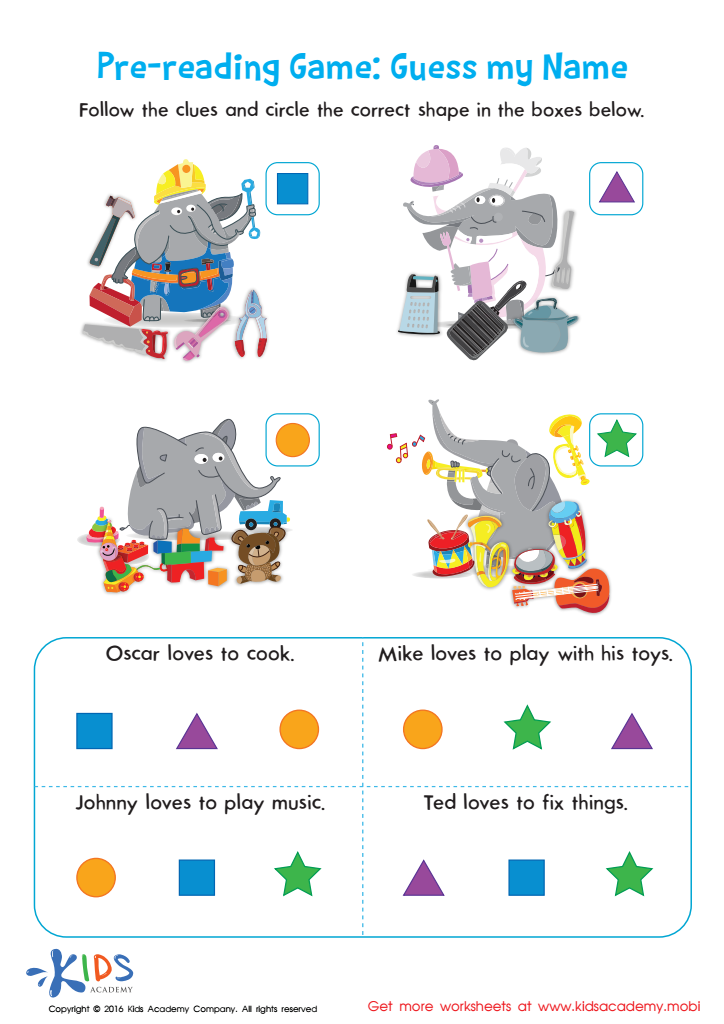
Pre Reading Worksheet Guess My Name






.jpg)

Reading skills, particularly in the context of fiction, play a crucial role in a child's development and education, making it essential that parents and teachers prioritize them. Firstly, reading fiction enhances children's imagination and creativity. It exposes them to diverse worlds, characters, and perspectives, fostering empathy and emotional intelligence. When children step into the shoes of fictional characters, they learn to understand and appreciate different viewpoints, which is vital for social interactions and harmonious living.
Moreover, reading fiction significantly improves vocabulary and language skills. It introduces children to new words and phrases, helping them to articulate their thoughts and feelings more effectively. This enhanced language competence is foundational for their communication skills in the long run.
Furthermore, fiction often addresses complex themes such as friendship, conflict, and moral dilemmas, encouraging critical thinking and analytical skills. Discussing these themes with adults can deepen comprehension and prompt important conversations about values and ethics.
Lastly, fostering a love for reading at an early age sets the foundation for lifelong learning. Children who enjoy reading are more likely to engage with texts in various subjects, which supports their academic performance. Ultimately, prioritizing reading skills in fiction benefits children's intellectual, emotional, and social growth.








