Shape Recognition Rhyming Words Worksheets
3 filtered results
-
From - To
Discover our engaging Shape Recognition Rhyming Words Worksheets, designed to enhance young children's literacy and cognitive skills. These fun-filled activities seamlessly combine shape recognition with rhyming word exercises, making learning a playful experience. Young learners will identify various shapes while enhancing their understanding of phonics and vocabulary through catchy rhymes. Perfect for early graders, our worksheets promote critical thinking and creativity, allowing children to connect sounds with visuals. Help your child develop essential language skills and strengthen their shape recognition in an interactive way. Access these versatile resources today and watch your child's learning journey flourish!
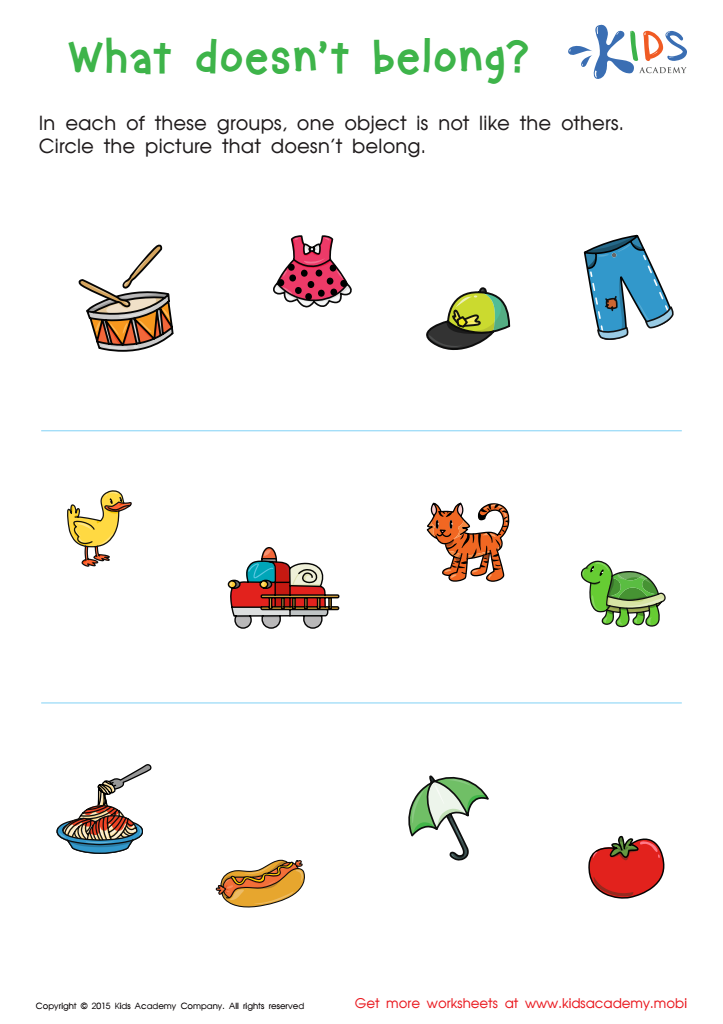
First Words: What Doesn't Belong Worksheet
 Assign to My Students
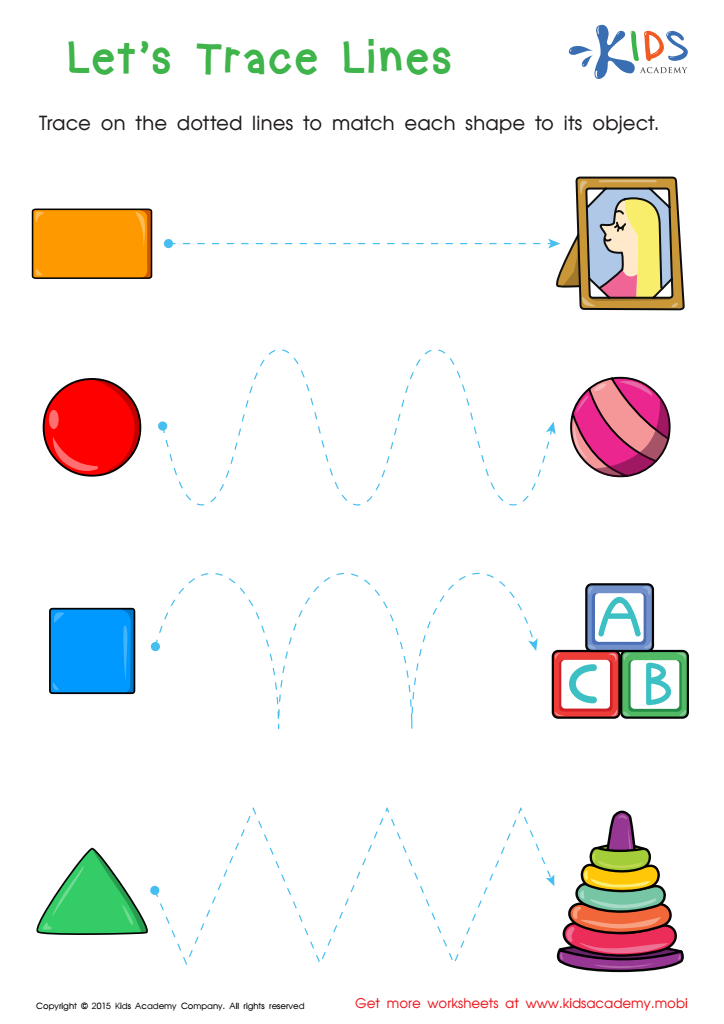
First Words: Let's Trace Lines Worksheet
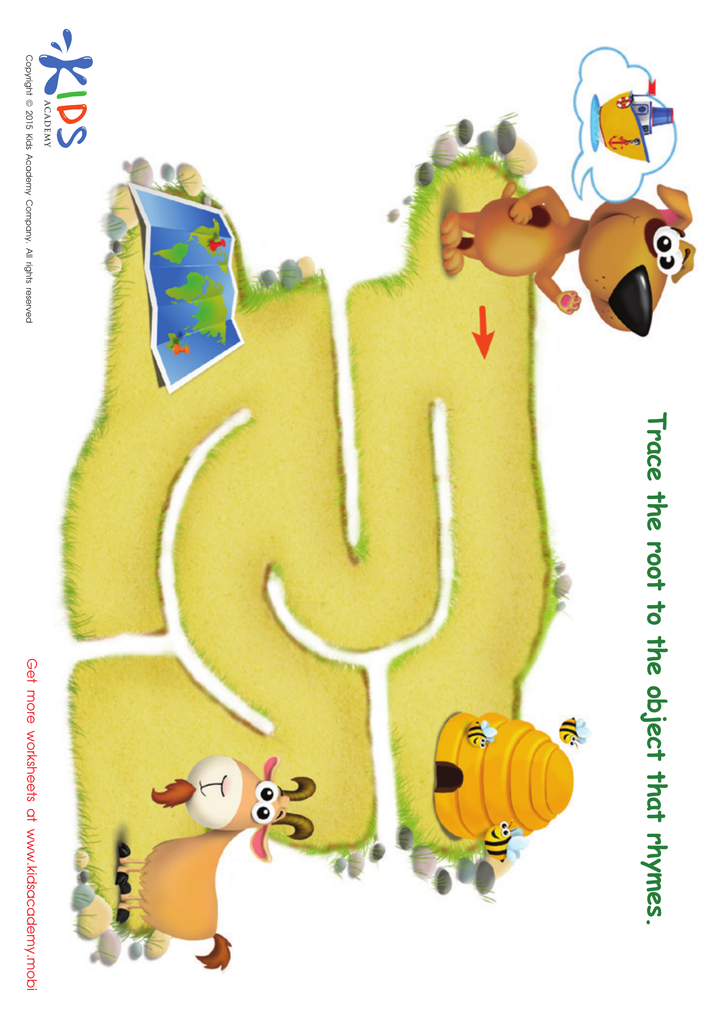
Boat Rhyming Words Worksheet








Shape recognition and rhyming words are essential components of early childhood education that contribute significantly to a child's overall development. First, learning to recognize shapes helps children understand their environment, engage with spatial awareness, and develop critical thinking skills. When children identify shapes, they lay the groundwork for more complex math concepts such as geometry, pattern recognition, and problem-solving in later years.
Additionally, rhyming words enhance phonemic awareness, which is crucial for reading and writing. When children practice rhyming, they learn to hear sounds, promote vocabulary expansion, and improve their language skills. This auditory sensitivity makes it easier for children to decode words, read fluently, and express themselves creatively.
Incorporating shape recognition and rhyming into playful and engaging activities, such as songs, games, and storytelling, makes learning enjoyable. This not only fosters a love for literacy and mathematics but also strengthens the bonds between parents, teachers, and children in the learning process. Moreover, these foundational skills promote cognitive, social, and emotional development, ultimately preparing children for success in school and beyond. Therefore, it is crucial for parents and teachers to prioritize these methods in their teaching practices.








