Comparing Fractions Sight Words Worksheets
36 filtered results
-
From - To
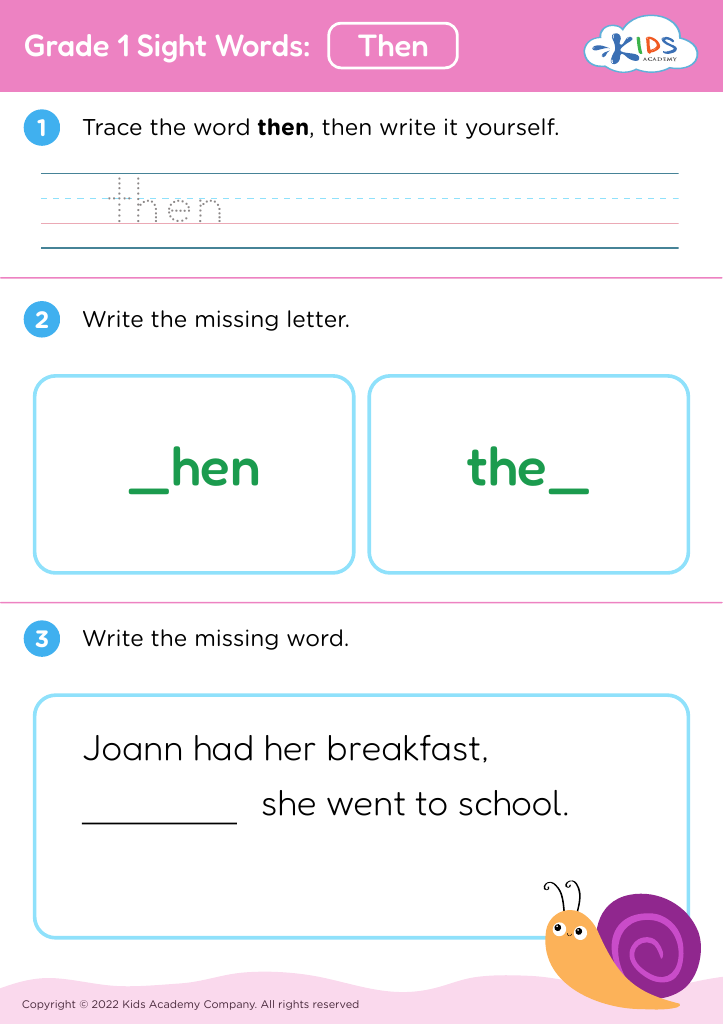
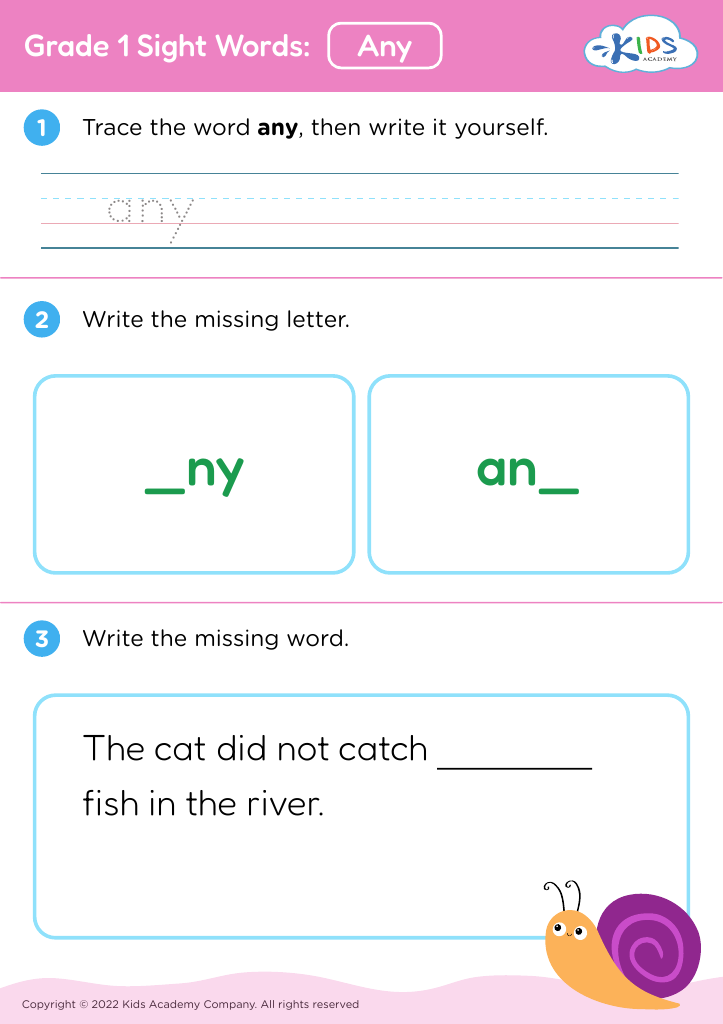
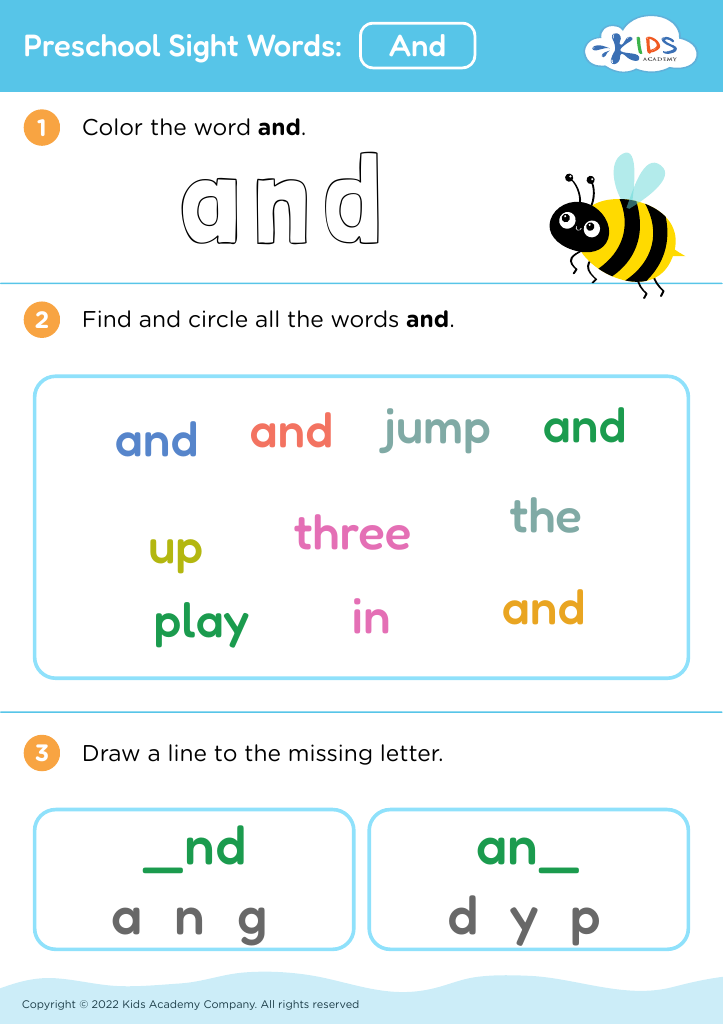
Enhance your child's understanding of fractions with our engaging "Comparing Fractions Sight Words Worksheets." Designed for early learners, these worksheets seamlessly blend sight word recognition with essential fraction concepts. Your students will practice comparing fractions using vibrant visuals and simple explanations, making math fun and accessible. Each worksheet focuses on critical vocabulary to reinforce reading skills while navigating the world of fractions. Ideal for classroom or home use, our printable resources promote hands-on learning and boost confidence in young mathematicians. Download today and watch your child excel in both reading and math, building a strong foundation for future success!











Parents and teachers play a crucial role in early childhood education, and understanding concepts like comparing fractions is essential for children’s mathematical development. Comparing fractions helps children grasp the idea of quantity, equivalency, and the relationship between parts and wholes. When students learn to compare fractions, they develop critical thinking skills and enhance their problem-solving abilities.
Using sight words in conjunction with comparing fractions reinforces language development and comprehension. Recognizing key terms such as "greater than," "less than," "equal to," and "fraction" helps children articulate mathematical concepts clearly. This vocabulary boost is key in intertwining math and literacy, facilitating a deeper understanding of both subjects.
Additionally, mastering fraction comparison lays a solid foundation for more complex mathematical concepts in future grades, including addition, subtraction, and applications in real-world situations. Engaging parents in activities that involve comparing fractions using everyday objects can create a supportive learning environment at home, reinforcing skills acquired in the classroom.
Ultimately, understanding comparing fractions and incorporating sight words empowers children, assisting them in achieving success in future mathematical endeavors and enhancing their communication skills, which are essential throughout their educational journey.