Comparing quantities Sight Words Worksheets
3 filtered results
-
From - To
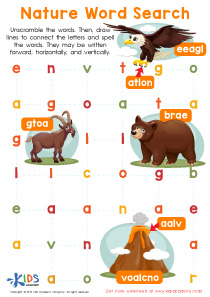
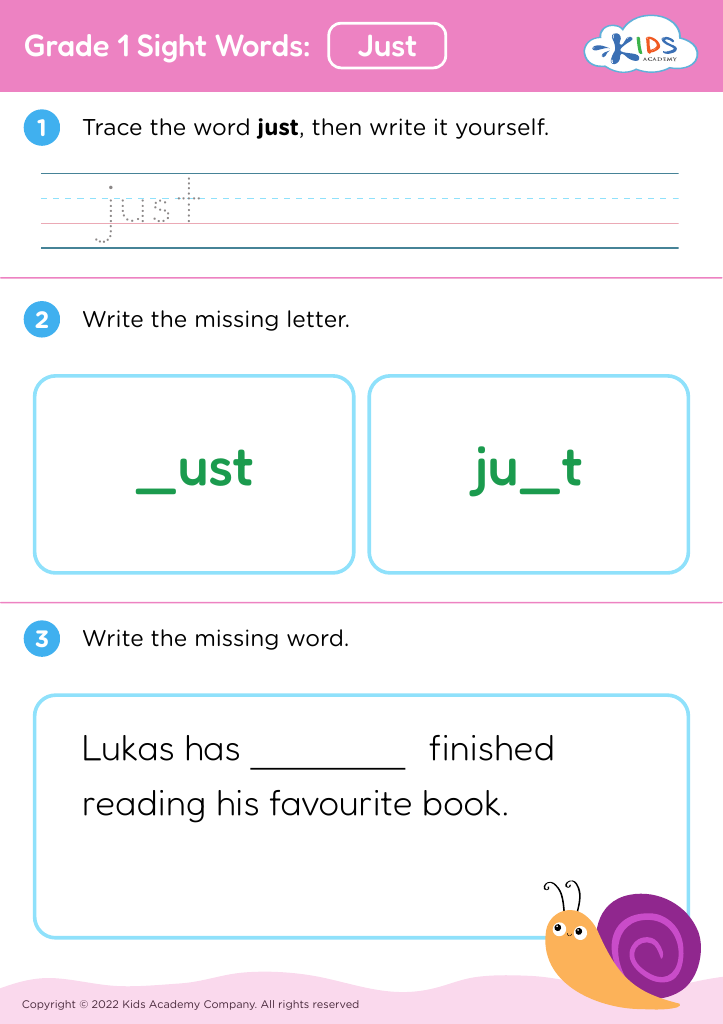
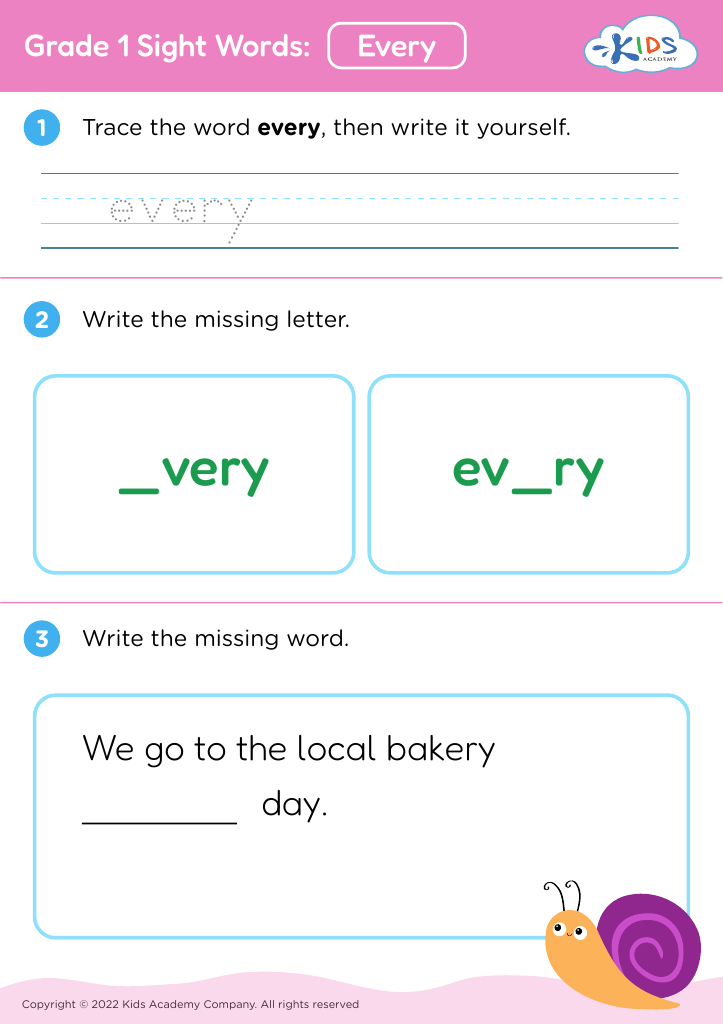
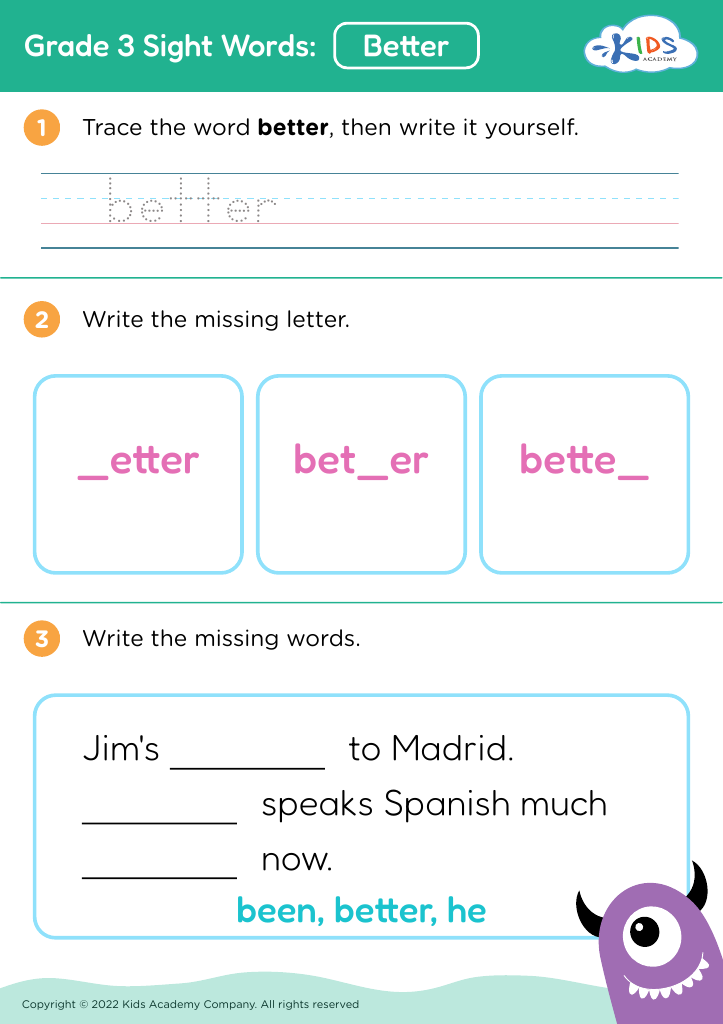
Enhance your child's literacy skills with our "Comparing Quantities Sight Words Worksheets." Designed for early learners, these engaging worksheets focus on key sight words while teaching how to compare different quantities. By incorporating visually appealing graphics and interactive exercises, children will develop both reading abilities and critical thinking skills. Our worksheets provide fun practice for recognizing sight words in context, helping students to confidently identify and compare numbers. Ideal for preschoolers and kindergarteners, these resources help ensure a solid foundation in reading and math concepts. Explore our collection today to make learning entertaining and effective for your young learners!









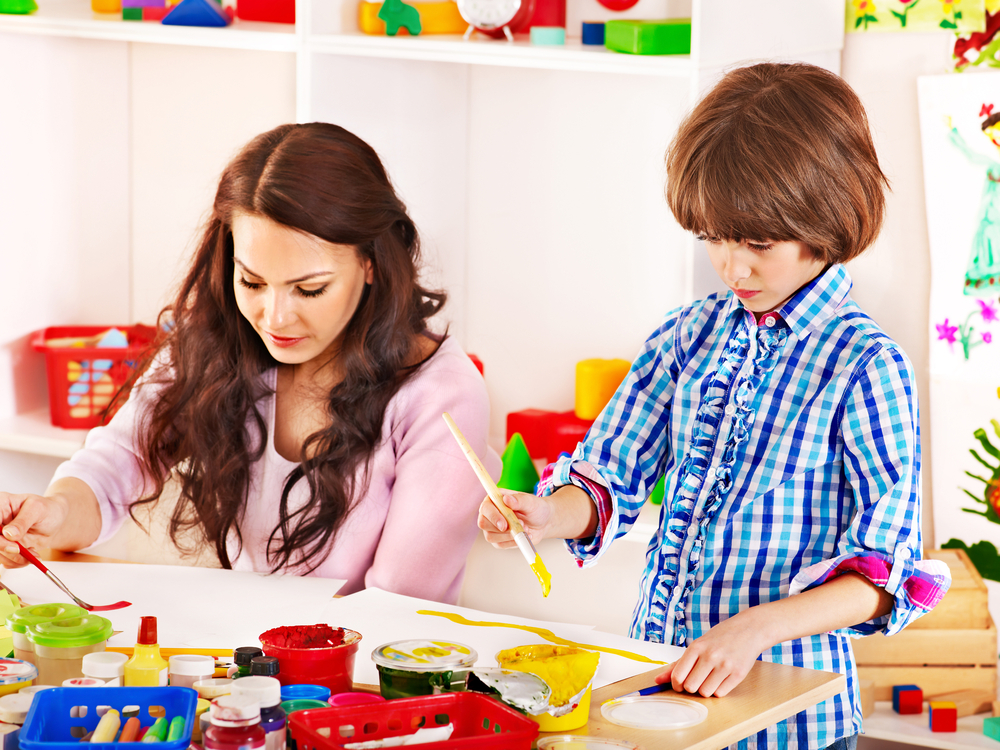



Comparing quantities is a fundamental skill that forms the basis for mathematical understanding, problem-solving, and critical thinking. For early learners, understanding how to compare quantities fosters a sense of number sense, enabling them to develop skills necessary for more complex math concepts later on. Parents and teachers should focus on teaching comparing quantities alongside sight words, as both areas play vital roles in children’s education.
Sight words facilitate reading fluency, while the ability to compare quantities nurtures cognitive development by helping children make sense of the world around them. When children learn to compare quantities, they enhance their analytical skills, learning to observe, classify, and assess differences and similarities, which is not only crucial for math but for reading comprehension as well.
Integrating comparing quantities with sight word activities can create engaging, real-life learning experiences, making these concepts stick. For example, using objects to compare quantities during reading activities allows students to visualize and verbalize their understanding. This multifaceted approach supports cognitive development and reinforces both language and mathematical skills. By prioritizing these foundational skills, parents and teachers can empower young learners to become confident, capable individuals in their academic journeys.