Shape Recognition Sight Words Worksheets
7 filtered results
-
From - To
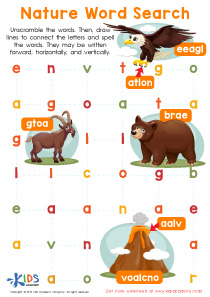
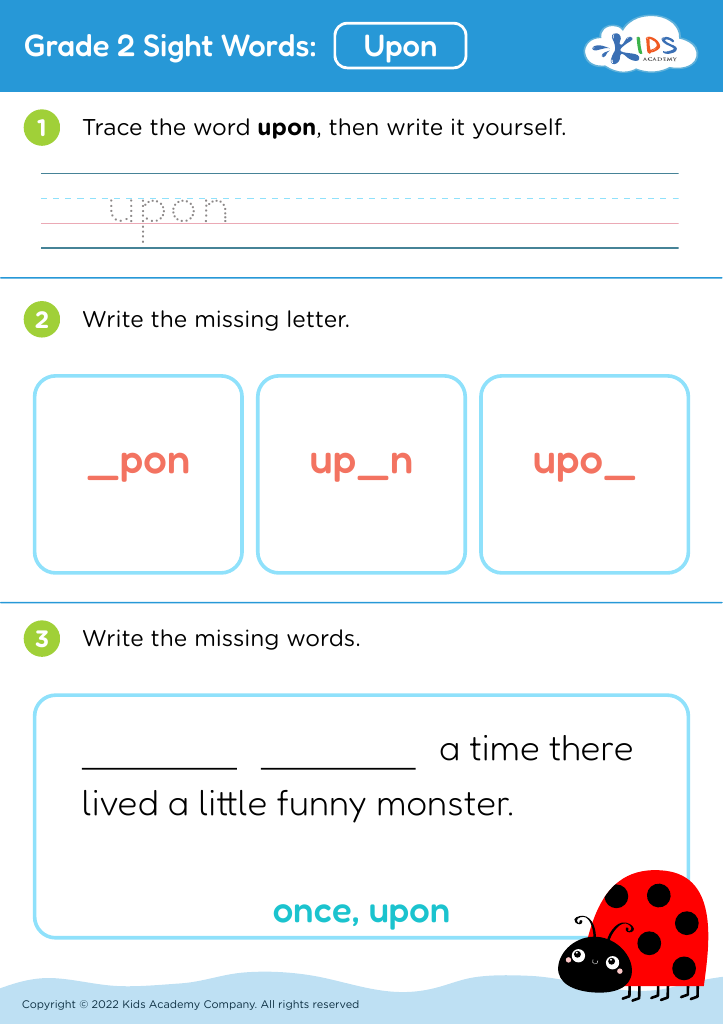
Enhance your child's reading and shape recognition skills simultaneously with our Shape Recognition Sight Words Worksheets. These engaging and educational worksheets are designed to help kids identify common sight words in unique shapes, making learning interactive and fun. Perfect for early learners, each worksheet integrates visual learning elements to reinforce word recognition and shape differentiation. By blending these fundamental skills, our worksheets provide a multifaceted approach to early literacy and cognitive development. Whether you're a teacher or parent, these resources will support your child's educational journey and boost their confidence in reading and geometry basics. Download now to start learning!



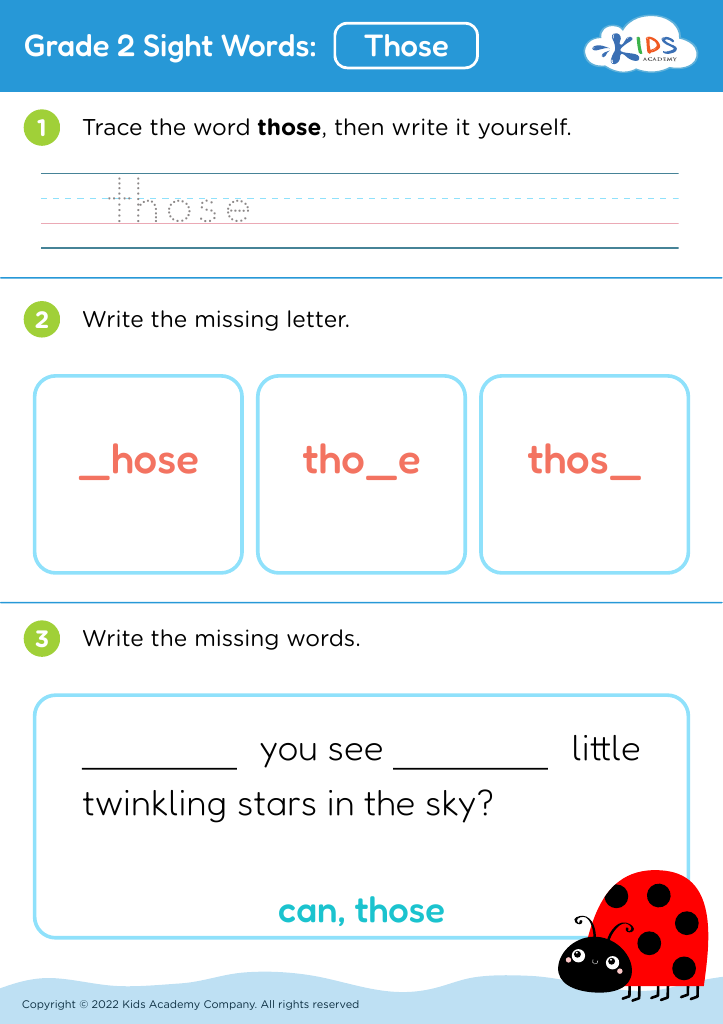
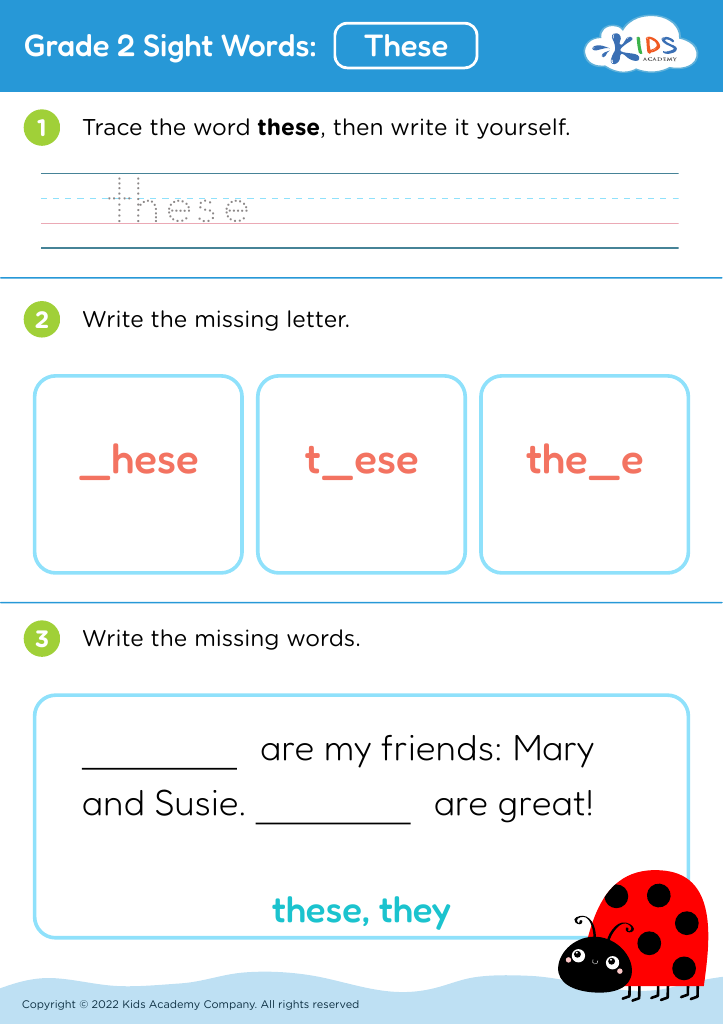
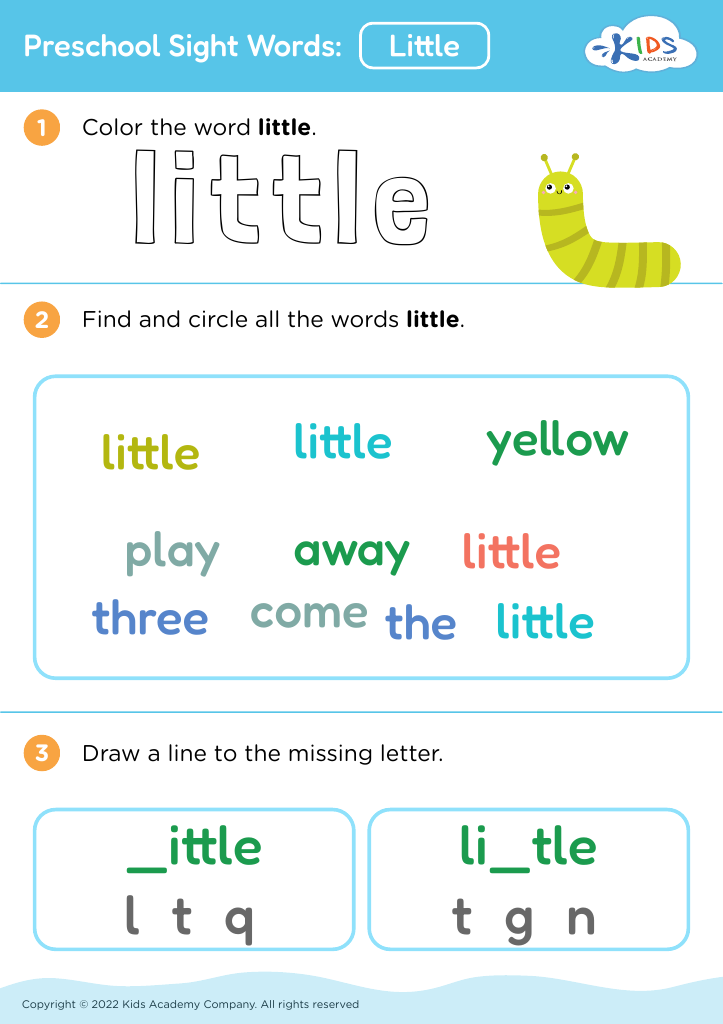
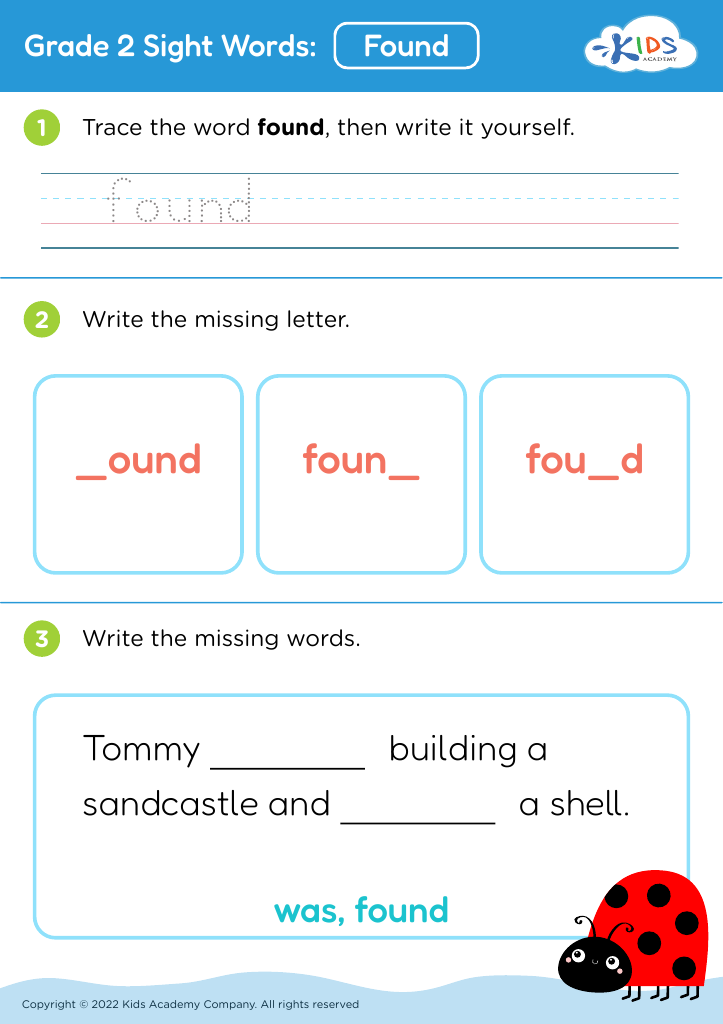
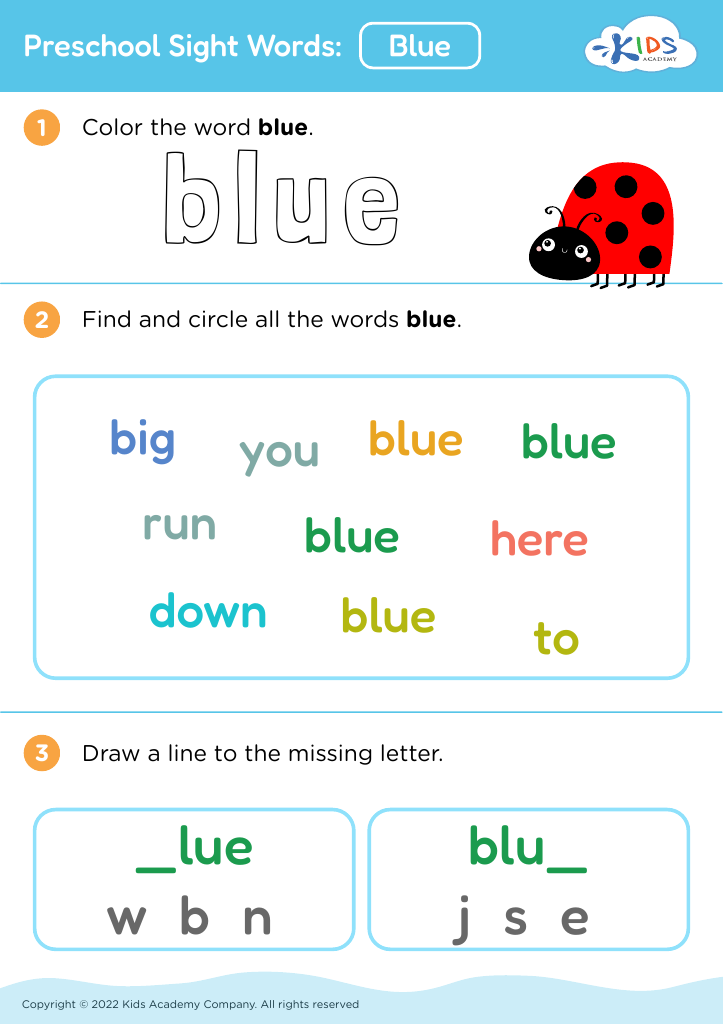
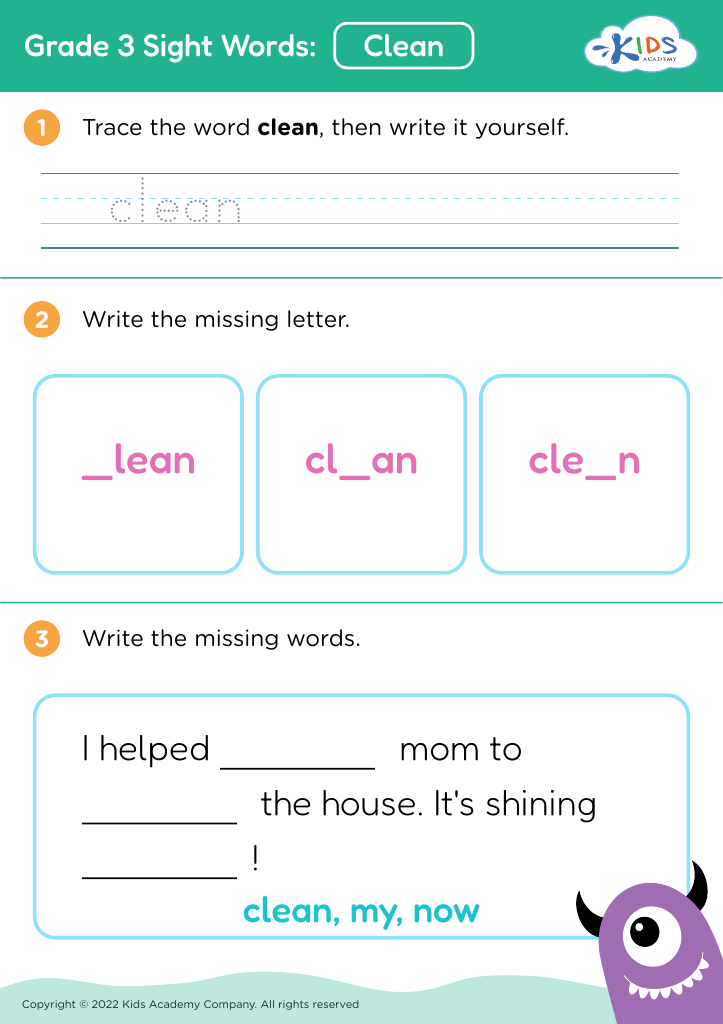








Shape Recognition and Sight Words are foundational elements in early childhood education that both parents and teachers should prioritize. Shape recognition involves identifying common geometric shapes, which is a stepping stone towards spatial awareness and categorization skills. By recognizing shapes, children develop a crucial cognitive skill that aids in problem-solving and logical reasoning. Additionally, familiarizing themselves with different shapes enhances their understanding of the environment, helping them organize visual information and build distinguishing features into their mental models.
Sight words, on the other hand, are common words that young readers encounter frequently but often cannot easily decode using phonics. Mastery of sight words improves reading fluency, enhancing comprehension and confidence. By combining shape recognition with sight words, educators can build a multi-sensory learning experience. For instance, flashcards that pair shapes with sight words capitalize on visual and verbal memory pathways, making learning more engaging and effective.
In sum, parents and teachers should emphasize shape recognition sight words because they complement each other in developing a well-rounded early learning foundation. These skills collectively encourage observational abilities, reading proficiency, and an eagerness for learning, which are vital for academic success and everyday problem-solving.