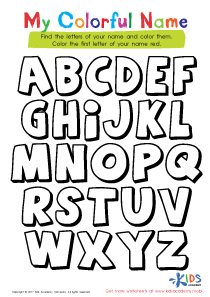
Fine motor skills development Grade 2 Alphabet Worksheets
3 filtered results
Difficulty Level
Grade
Age
-
From - To
Subject
Activity
Standards
Discover our engaging Fine Motor Skills Development Grade 2 Alphabet Worksheets designed to enhance young learners' writing abilities while mastering the alphabet. Tailored for second-grade students, these printable resources feature fun activities that promote hand-eye coordination, dexterity, and grip. Your child will enjoy tracing, filling in, and coloring letters in various fun formats, which fosters creativity and solidifies their understanding of each letter's shape. These worksheets not only support literacy but also boost confidence in fine motor skill development. Perfect for classroom use or at-home practice, our worksheets will make learning the alphabet enjoyable and effective for your child!
Favorites
With answer key
Interactive

Letter J Tracing Page
Trace and write the letter "J" with our ABC worksheet - start at the big red dot! Have fun completing words like jewelry, jellyfish and more. Check out our kindergarten activities for more alphabet practice.
Letter J Tracing Page
Worksheet
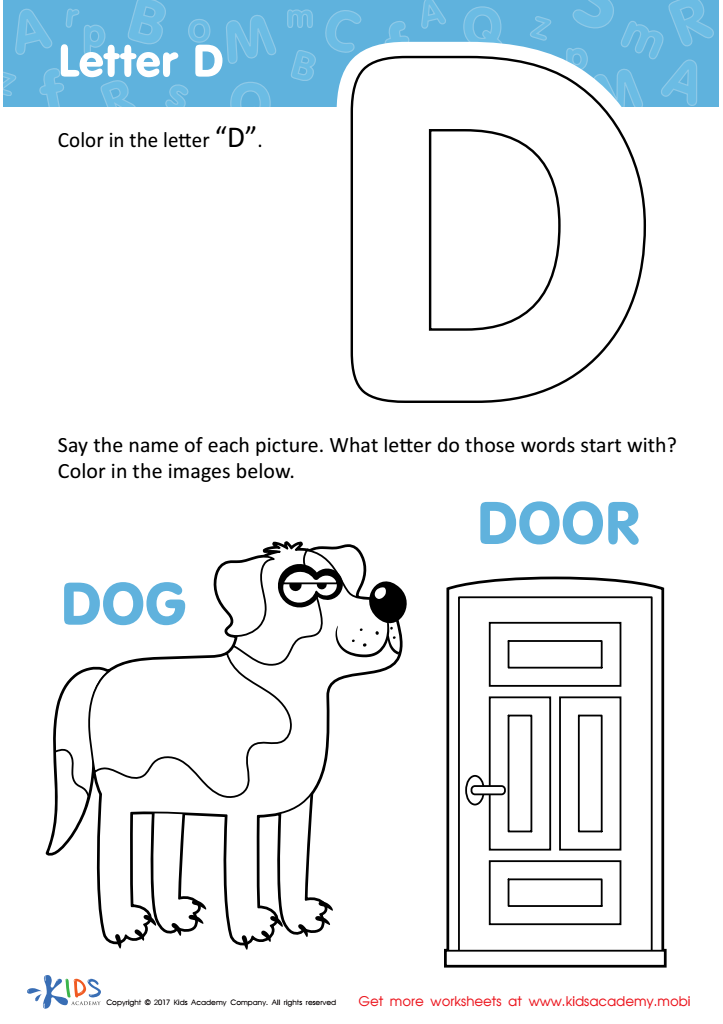
Letter D Coloring Sheet
Coloring with this letter "D" page is a great way to encourage your child's creativity while they learn the letter "D" and its sound. It's a fun activity to stimulate their imagination!
Download (PDF)
 Assign to My Students
Assign to My Students
Letter D Coloring Sheet
Worksheet
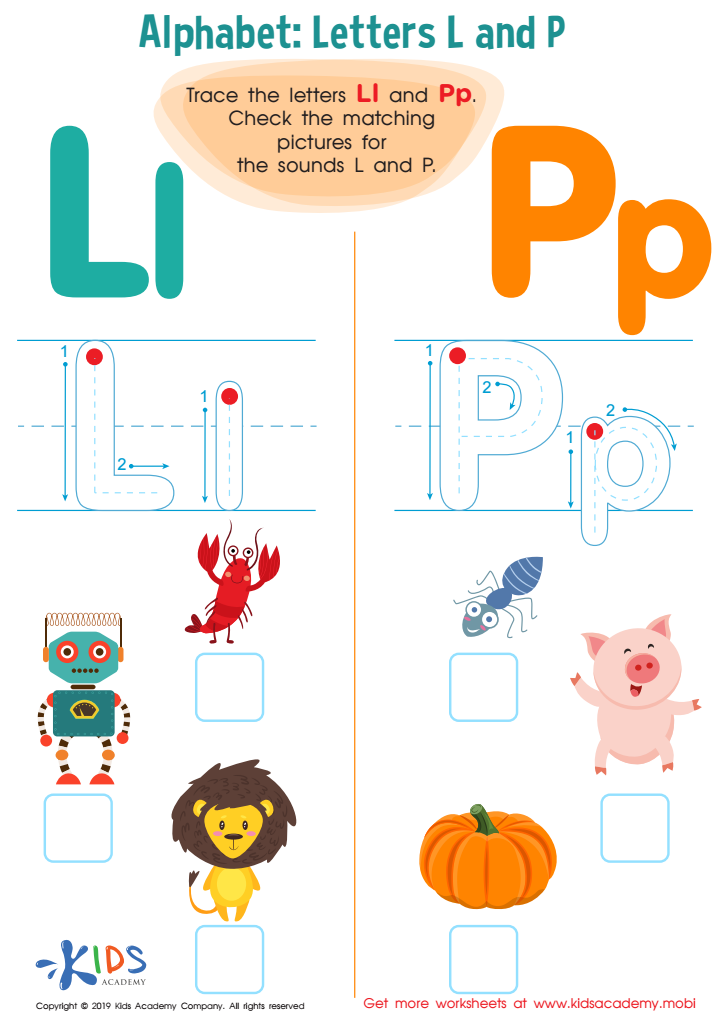
Letter L and P Tracing Worksheet
This traceable worksheet can motivate your students to learn and practice core skills. They'll trace the letters 'L' and 'P' and identify the pictures next to them. With this exercise, they'll unlock their learning abilities and excel in the subject!
Letter L and P Tracing Worksheet
Worksheet
Join Kids Academy for Free
Who is primarily going to use this learning content?








Fine motor skills are crucial for children's overall development, particularly in Grade 2 as they transition into more complex tasks. These skills involve the coordination of small muscles in the hands and fingers, which are essential for daily activities like writing, drawing, and using tools. In Grade 2, children are expected to write letters and numbers clearly, and improved fine motor skills directly contribute to their handwriting legibility and overall writing efficiency.
When children master fine motor skills, they gain confidence in their abilities, fostering a positive attitude toward learning and schoolwork. This skill development opens the door to creative expression through art, crafts, and other hands-on activities, enhancing engagement in various subjects.
For teachers and parents, supporting fine motor skills is important as it lays the groundwork for future academic success. Children who struggle with these skills may face challenges in multiple areas, leading to frustration and decreased motivation. By incorporating fine motor activities such as cutting, pasting, or playing with small objects into their routines, educators and parents can play an active role in ensuring children thrive in their learning environment. Recognizing the importance of fine motor skills can ultimately lead to a more holistic development in young learners.