Letter Tracing Grade 2 Alphabet Worksheets
6 filtered results
Difficulty Level
Grade
Age
-
From - To
Subject
Activity
Standards
Boost your child's handwriting skills with our "Letter Tracing Grade 2 Alphabet Worksheets." Designed for second graders, these engaging printables help students refine their letter formation techniques while building confidence and mastery. Each worksheet focuses on tracing both uppercase and lowercase letters, ensuring thorough practice. With fun themes and attractive illustrations, our resources make learning an enjoyable experience for kids. Ideal for at-home learning or classroom use, these worksheets encourage consistent practice, improving your child’s writing proficiency. Give your second grader the tools they need to excel in handwriting with our expertly crafted letter tracing worksheets.
Favorites
With answer key
Interactive
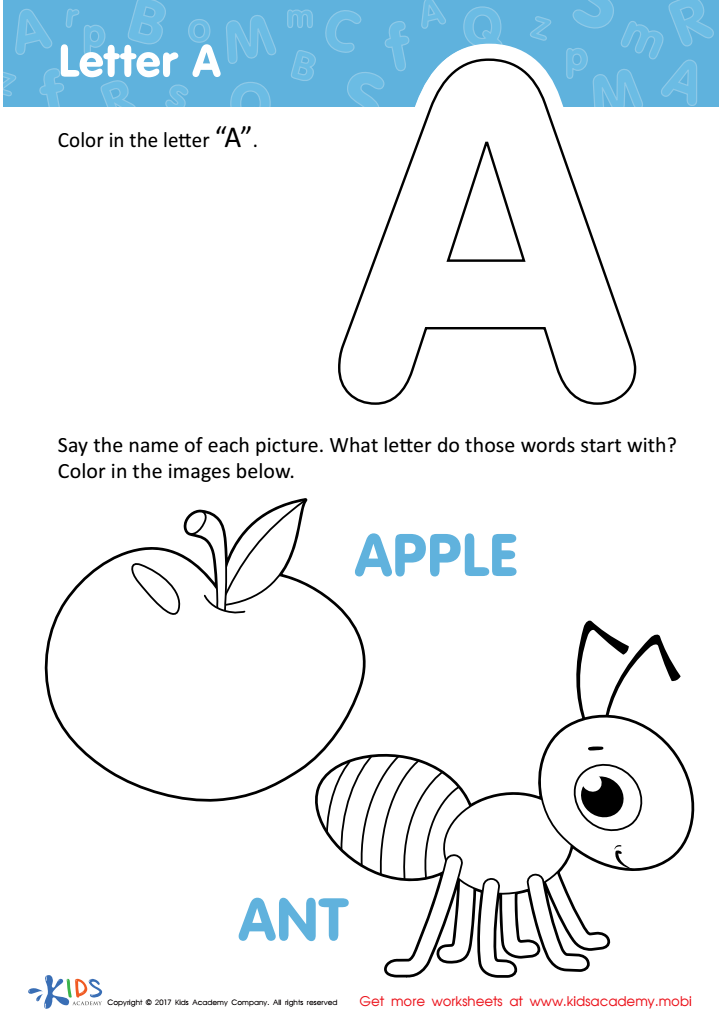
Letter A Coloring Sheet
This letter "A" coloring page is great for introducing kids to the alphabet! Let them exercise their creativity while they learn to recognize letters and sounds - it's a fun and easy way to help them get started.
Download (PDF)
 Assign to My Students
Assign to My Students
Letter A Coloring Sheet
Worksheet
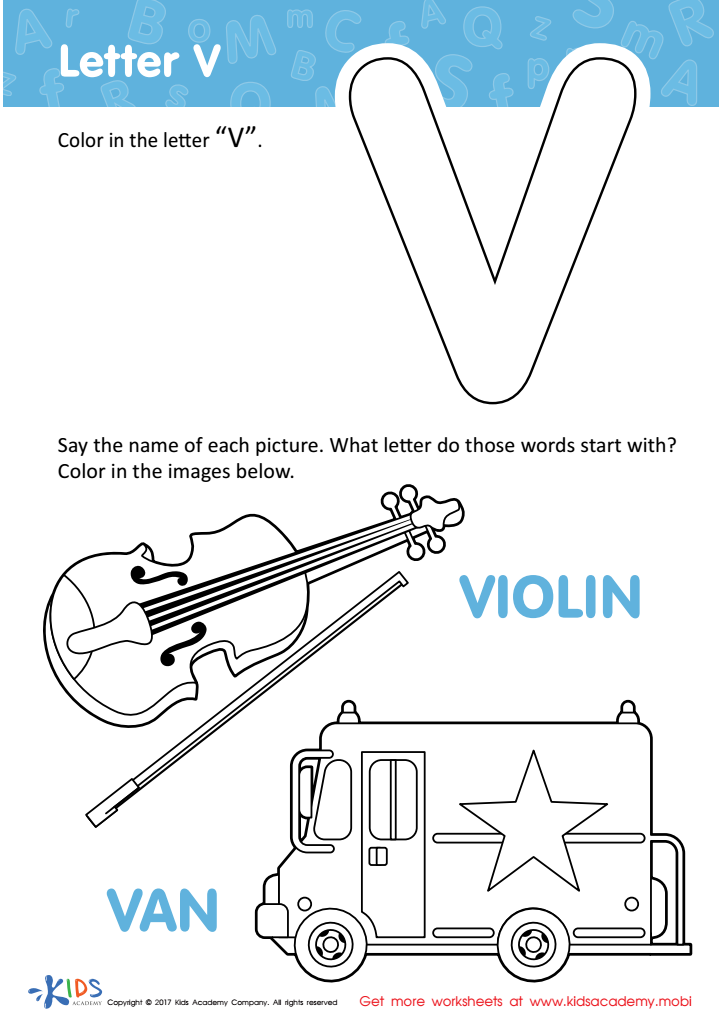
Letter V Coloring Sheet
This fun letter V coloring page can boost your child's knowledge of the letter "V" and its sound. Help them pronounce it correctly, too!
Download (PDF)
Assign to My Students
Assign to My Students
Letter V Coloring Sheet
Worksheet
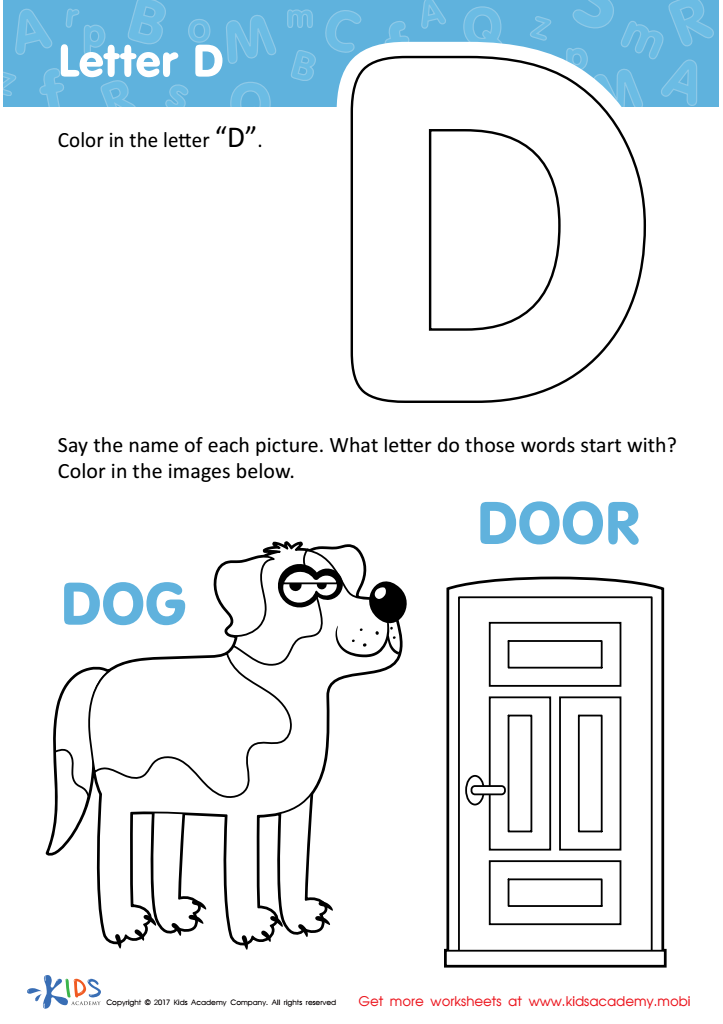
Letter D Coloring Sheet
Coloring with this letter "D" page is a great way to encourage your child's creativity while they learn the letter "D" and its sound. It's a fun activity to stimulate their imagination!
Download (PDF)
Assign to My Students
Assign to My Students
Letter D Coloring Sheet
Worksheet
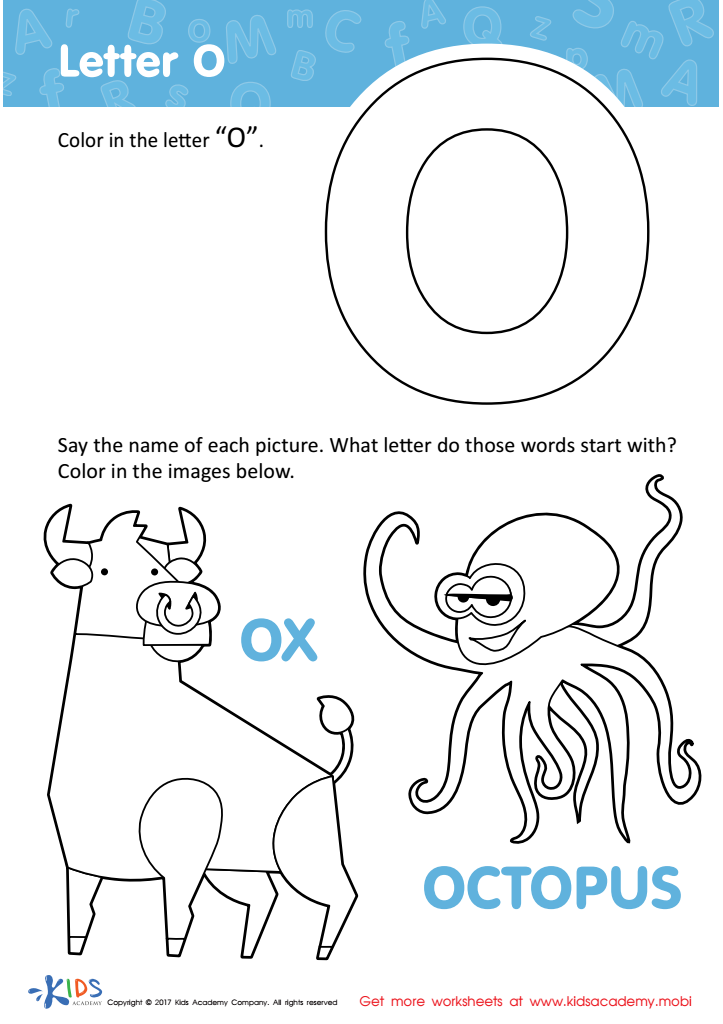
Letter O Coloring Sheet
Oh my! The letter "O" is so much fun. Coloring in the octopus and ox on this delightful letter "O" coloring page can help your child have fun while strengthening their recognition of the letter and sound.
Download (PDF)
Assign to My Students
Assign to My Students
Letter O Coloring Sheet
Worksheet
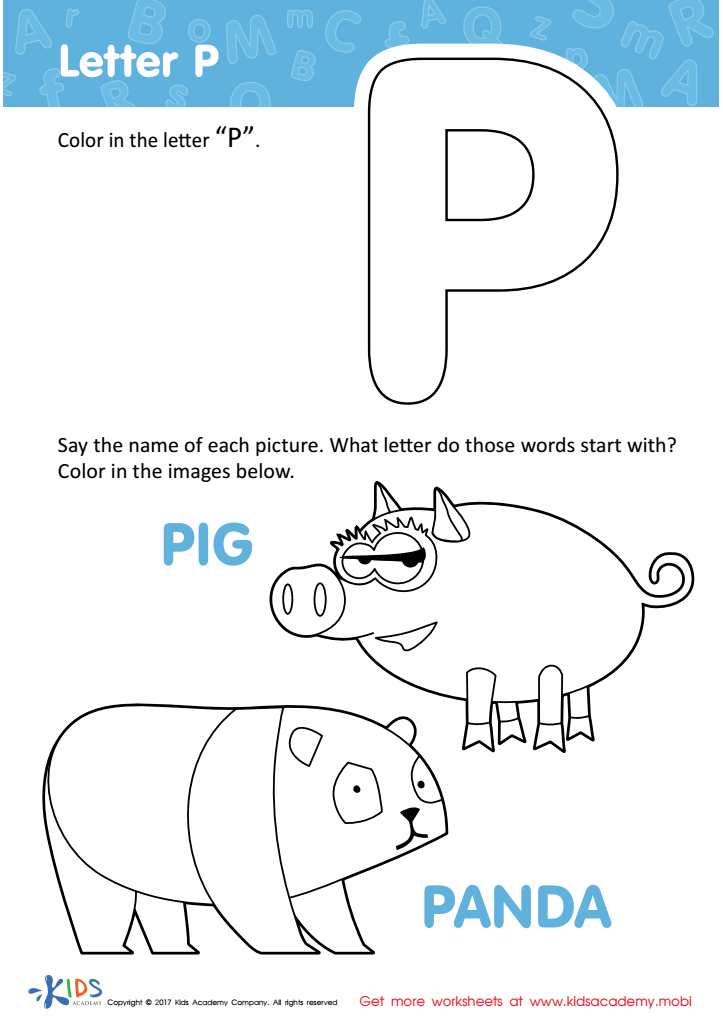
Letter P Coloring Sheet
Encourage your child's creativity and letter recognition with this "P" coloring page! Through coloring animals such as pigs and pandas, your little one will get to know the sound of the letter "P" and have fun too!
Download (PDF)
Assign to My Students
Assign to My Students
Letter P Coloring Sheet
Worksheet
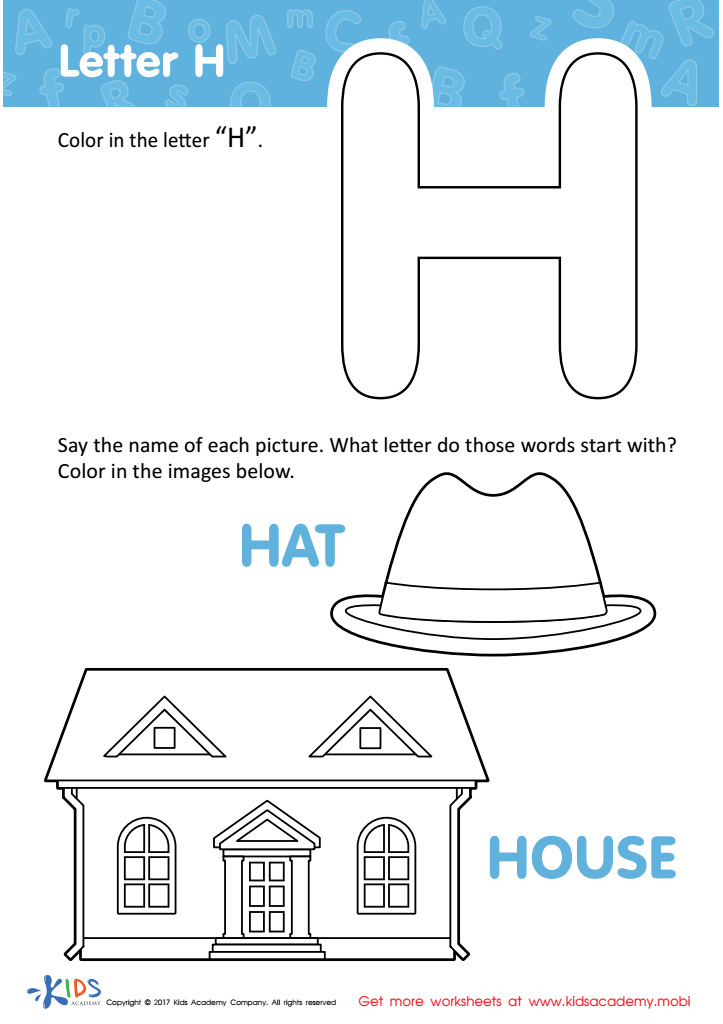
Letter H Coloring Sheet
This fun "H" coloring page will help your child recognize the letter and sound of "H"! With a hat and house to color, your little learner will have a blast picking colors and creating designs, all while learning about the letter "H"!
Download (PDF)
Assign to My Students
Assign to My Students
Letter H Coloring Sheet
Worksheet
Join Kids Academy for Free
Who is primarily going to use this learning content?








Parents and teachers should care about letter tracing for Grade 2 students because it lays a critical foundation for literacy skills, fine motor development, and academic success. At this stage, children are transitioning from basic letter formation to more fluid and legible handwriting, which is essential for their communication skills. Consistent practice with letter tracing helps reinforce correct letter shapes and proportions, which in turn ensures that students can write more efficiently and legibly.
Moreover, the act of tracing letters contributes significantly to the development of fine motor skills and hand-eye coordination. These abilities are crucial not just for writing, but for a range of other academic and life tasks, such as cutting with scissors or using a computer keyboard.
Additionally, fluent handwriting can boost children's confidence and reduce anxiety when they encounter writing-heavy tasks in other subjects like Math, Science, and Social Studies. Proficient handwriting enables students to focus more on content than the mechanics of writing, thereby fostering better overall academic performance.
Good letter tracing worksheets for Grade 2 can also make the learning experience enjoyable, keeping students engaged and motivated. Therefore, investing time and resources into letter tracing at this stage aids in building a solid educational foundation that benefits young learners socially, emotionally, and academically.