Phonics Skills Grade 2 Coloring Pages Worksheets
3 filtered results
Difficulty Level
Grade
Age
-
From - To
Subject
Activity
Standards
Enhance your Grade 2 students' phonics skills with our engaging coloring pages and worksheets! Perfectly designed to make learning fun, these resources combine creativity with essential phonetic activities. Your young learners will enjoy coloring while practicing letter sounds, blends, and digraphs, reinforcing their reading and writing skills. Each printable worksheet encourages interaction and improves focus, helping children grasp phonics concepts effectively. Explore a variety of themes and images that captivate young imaginations while promoting literacy. Download our phonics skills coloring pages today to support your students' learning journey in a vibrant and enjoyable way! Creativity awaits in every stroke!
Favorites
With answer key
Interactive
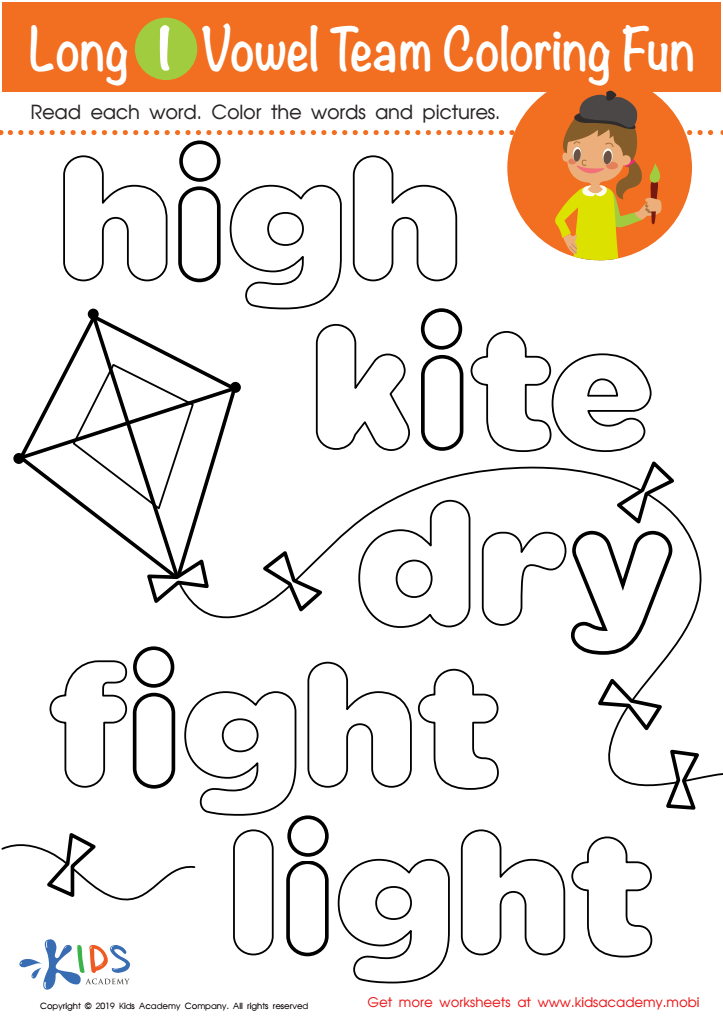
Long I Vowel Team Coloring Worksheet
This worksheet provides practice with letter combinations that make the long "i" sound while enhancing creativity and motor skills with a fun coloring activity. Unknowingly, new readers learn key phonics skills while having fun!
Download (PDF)
 Assign to My Students
Assign to My Students
Long I Vowel Team Coloring Worksheet
Worksheet
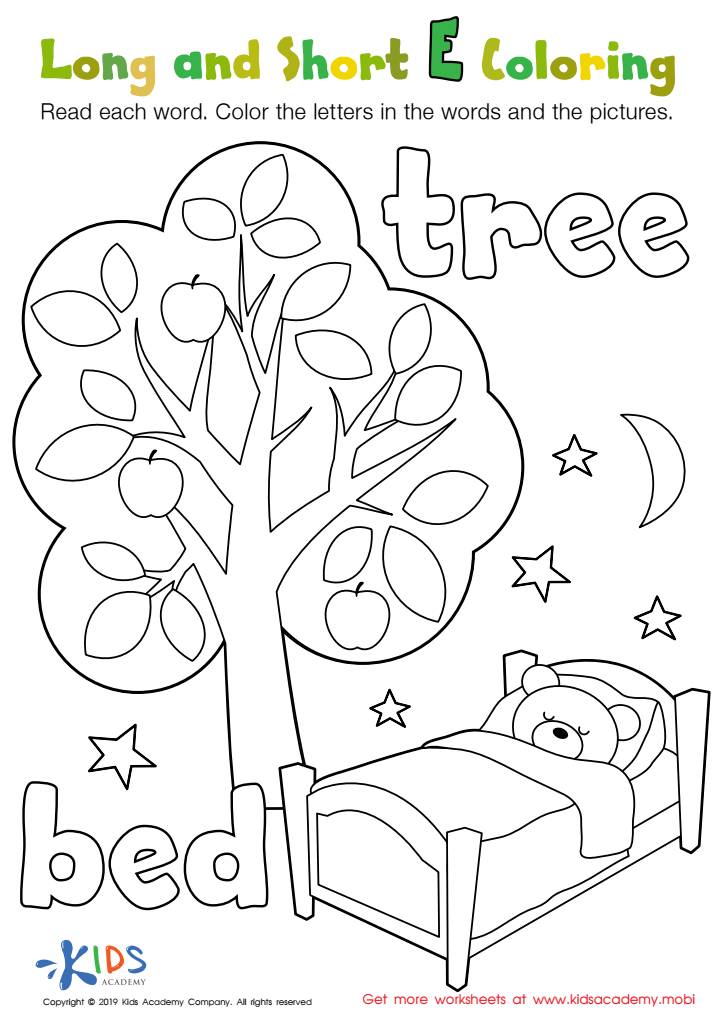
Long and Short E Worksheet
This fun printout makes learning phonics enjoyable for Grade 3 students. Get them to read the words “tree” and “bed” to recognize the different sounds of the letter “E”. After hearing the words they can color the words and the pictures to understand differences between long and short vowels.
Download (PDF)
Assign to My Students
Assign to My Students
Long and Short E Worksheet
Worksheet
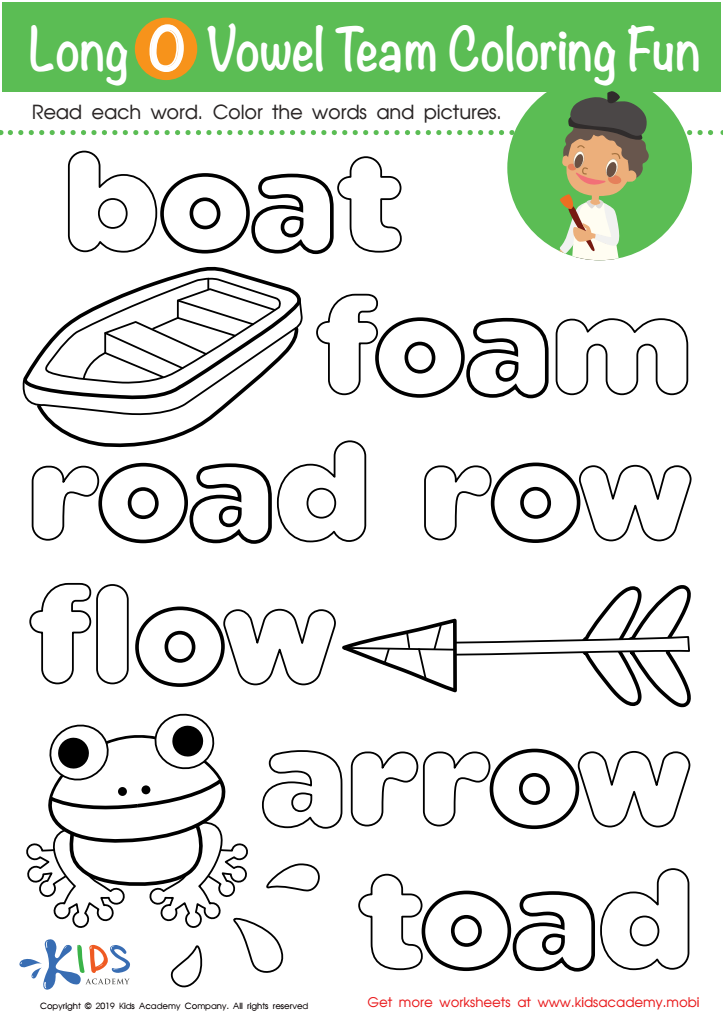
Long O Vowel Team Coloring Worksheet
Divide your class into teams and have them work together to identify and pronounce the long O sound in words like "boat" and "flow". As they read aloud, have the rest of the class listen attentively. Then let teams color in the words and matching pictures, reinforcing the lesson. This simple printout is perfect for phonics lessons and a fun way to energize your class.
Download (PDF)
Assign to My Students
Assign to My Students
Long O Vowel Team Coloring Worksheet
Worksheet
Join Kids Academy for Free
Who is primarily going to use this learning content?




Parents and teachers should care about phonics skills grade 2 coloring pages because they play a vital role in reinforcing essential reading skills in a fun and engaging manner. Phonics involves the relationship between letters and sounds, forming the foundational skills necessary for reading and writing proficiency. For second graders, mastering phonics skills can significantly enhance their reading fluency and comprehension.
Coloring pages that incorporate phonics activities stimulate creativity while simultaneously providing valuable learning opportunities. These activities often feature letters, sounds, and related imagery that prompt children to recognize and produce the sounds of letters and letter combinations. As students color, they are engaged in a multisensory experience, which aids memory retention and learning.
Additionally, coloring pages can promote fine motor skills development, essential for writing, by encouraging children to practice hand coordination and control. They provide a platform for parents and teachers to interact with students, identify areas of strength and weakness in their phonics understanding, and foster a love of learning.
In conclusion, phonics skills grade 2 coloring pages are an effective teaching tool that supports literacy development, engagement, and holistic growth in young learners. Prioritizing these resources can lead to greater academic success in reading and writing.