Alphabet Recognition Grade 2 Worksheets - Page 2
37 filtered results
-
From - To
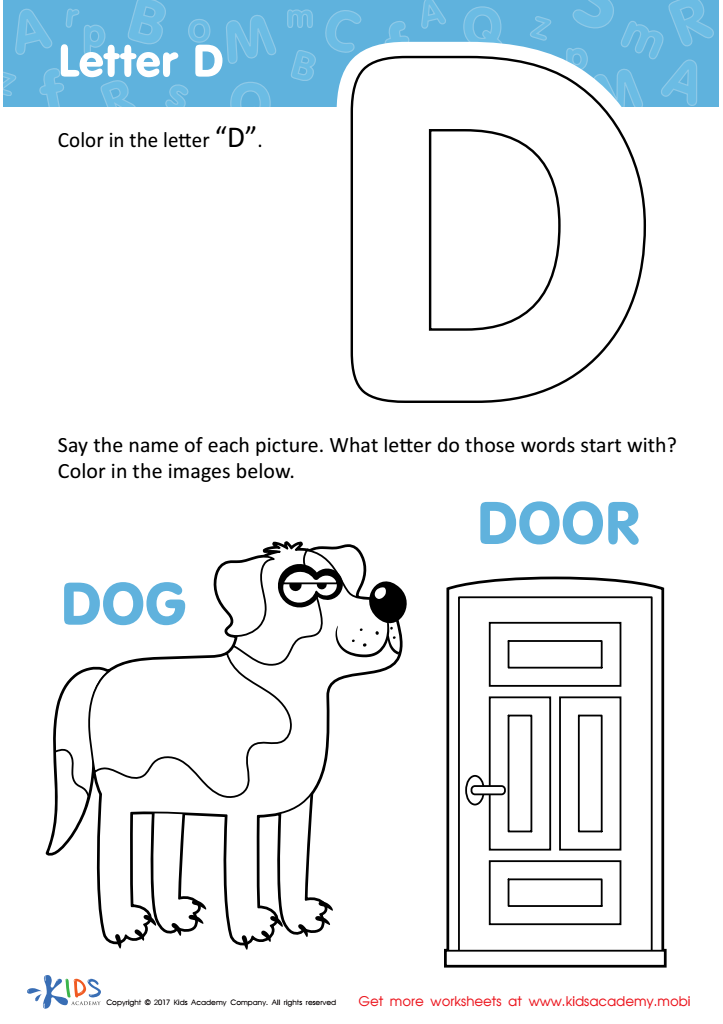
Letter D Coloring Sheet
 Assign to My Students
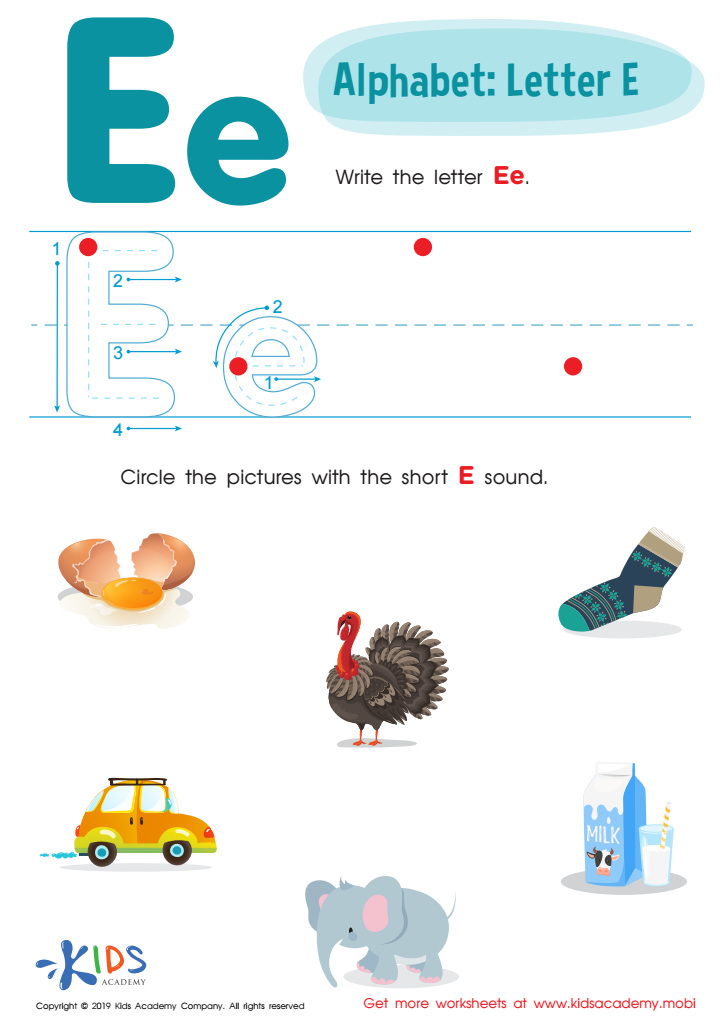
Letter E Tracing Worksheet
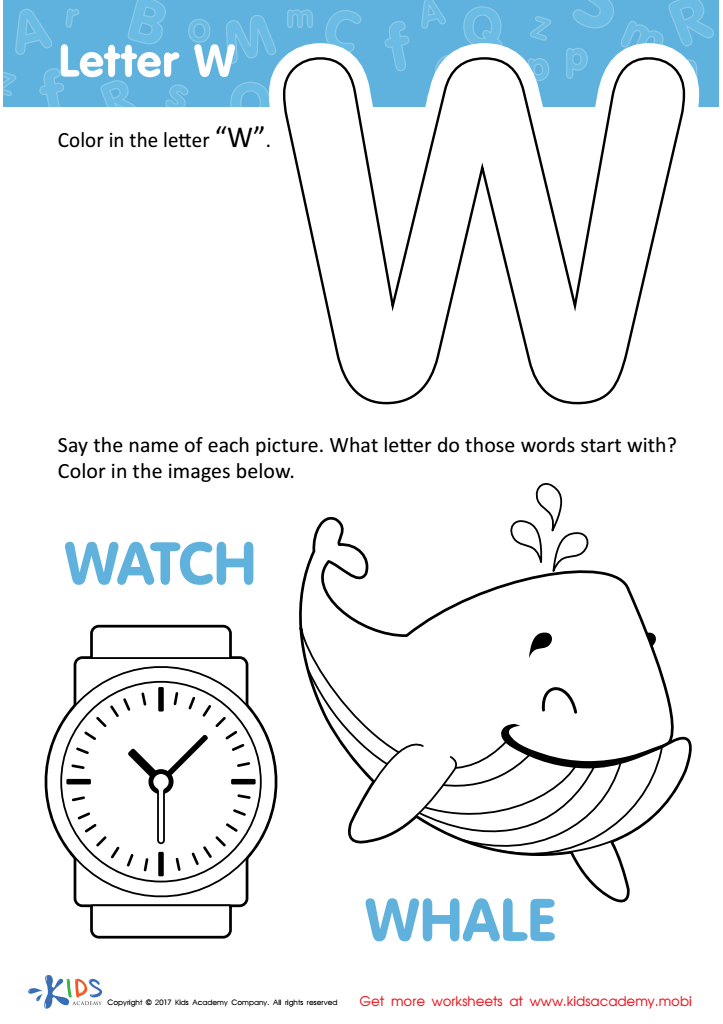
Letter W Coloring Sheet
Assign to My Students
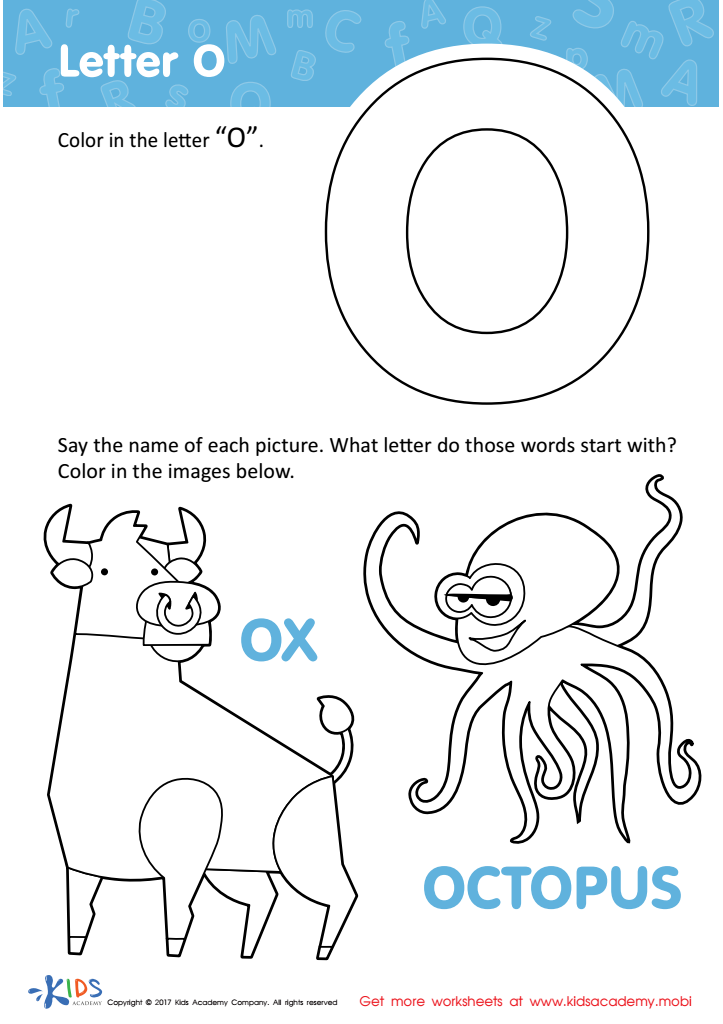
Letter O Coloring Sheet
Assign to My Students
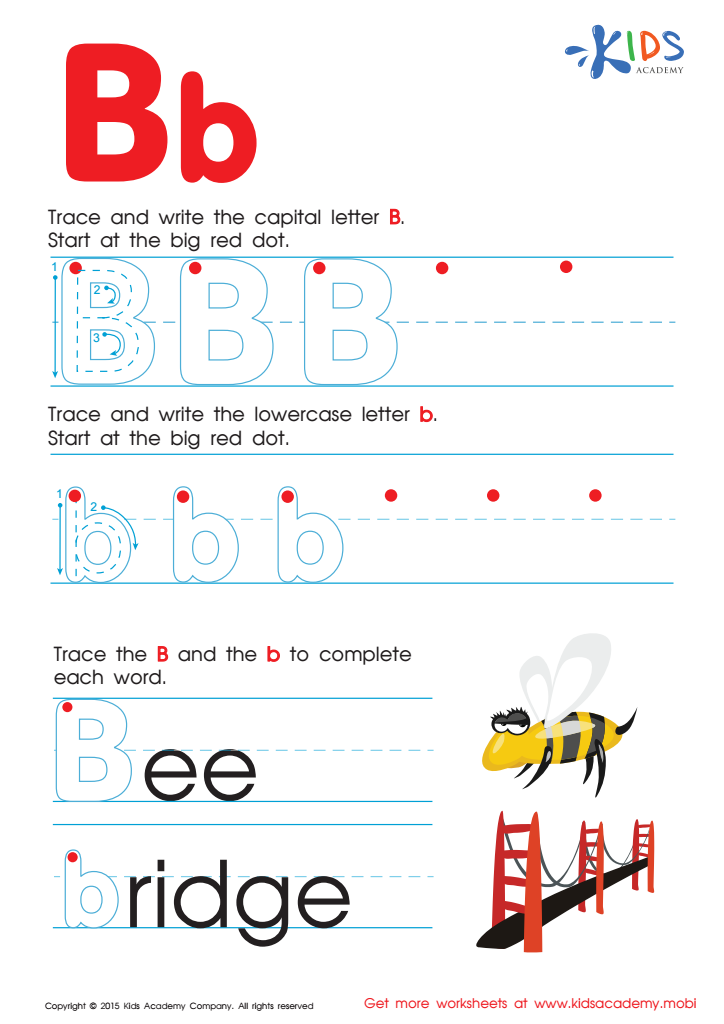
Letter B Tracing Page
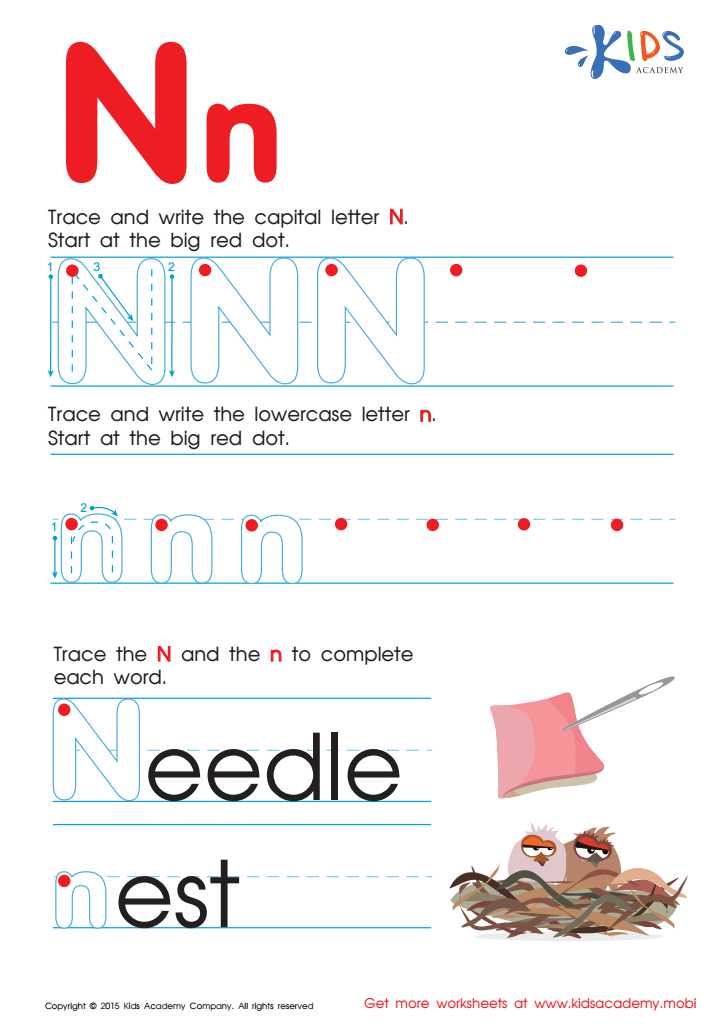
Letter N Tracing Page
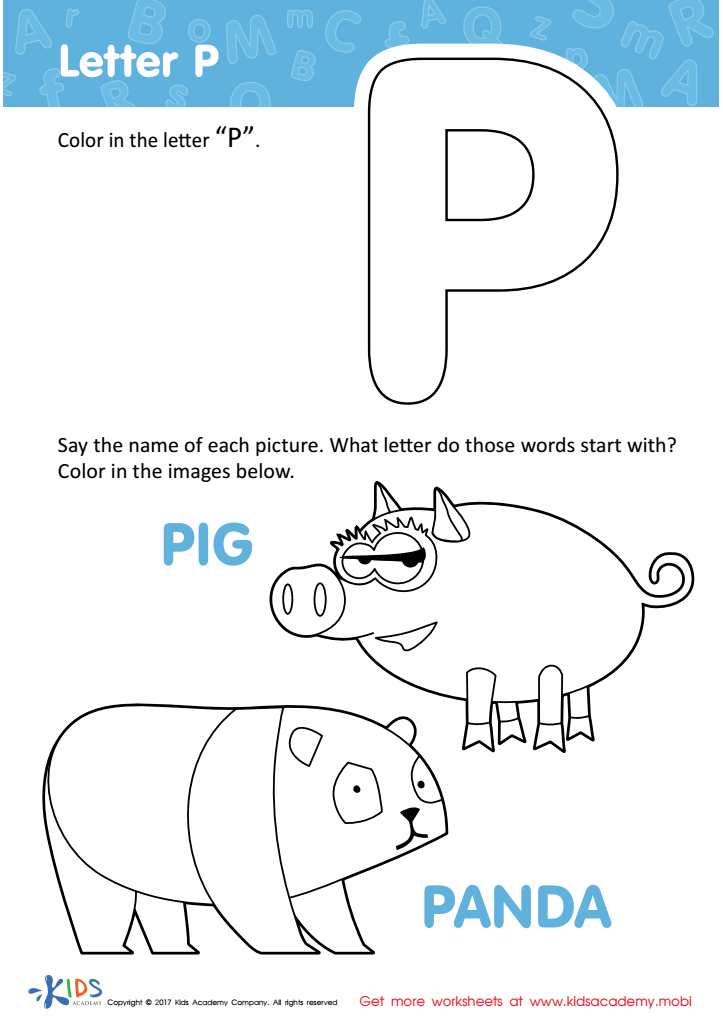
Letter P Coloring Sheet
Assign to My Students
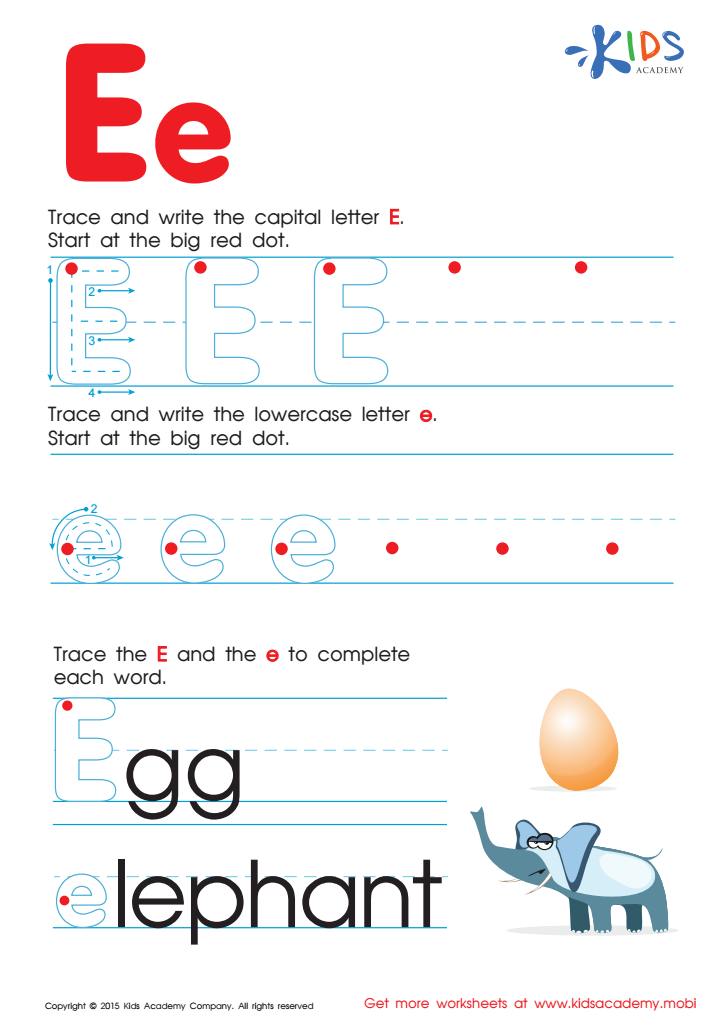
Letter E Tracing Page
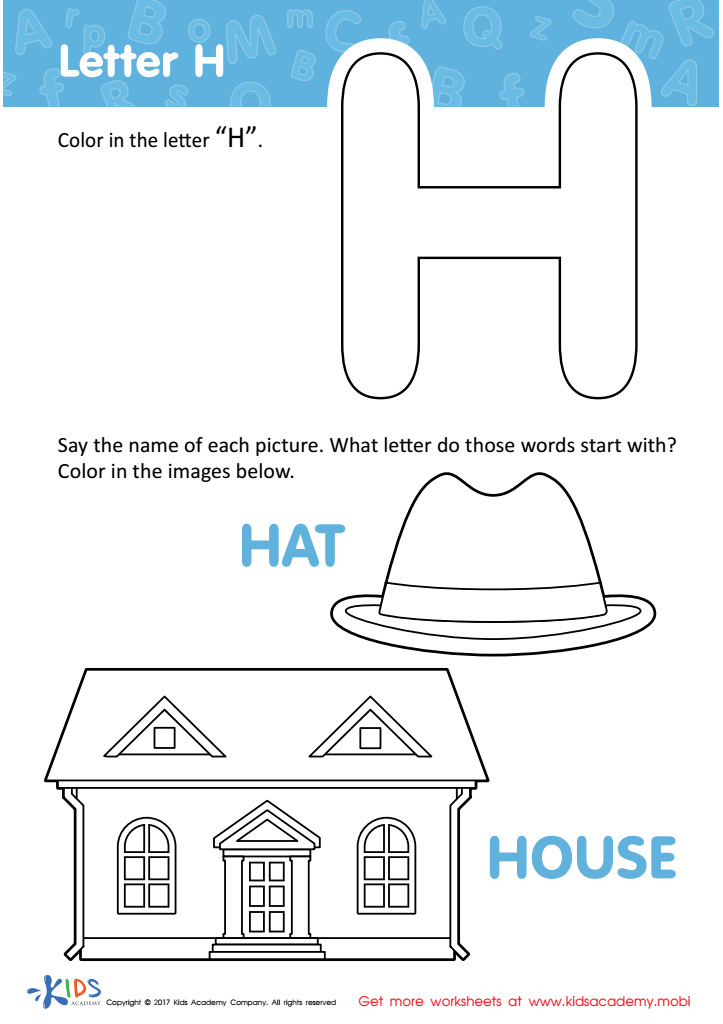
Letter H Coloring Sheet
Assign to My Students
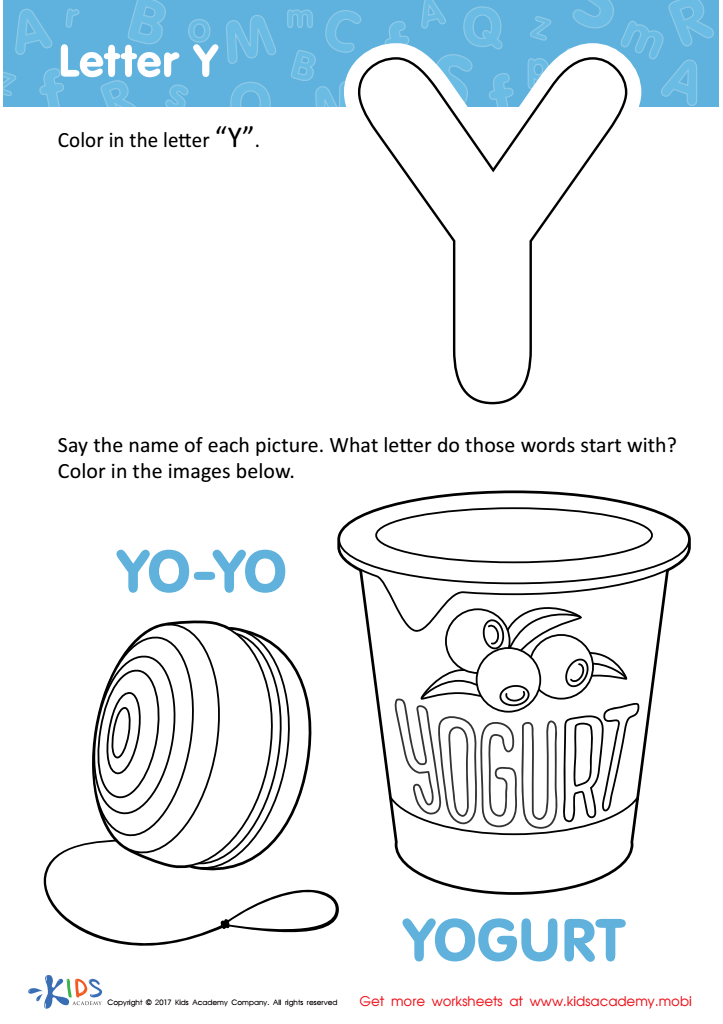
Letter Y Coloring Sheet
Assign to My Students
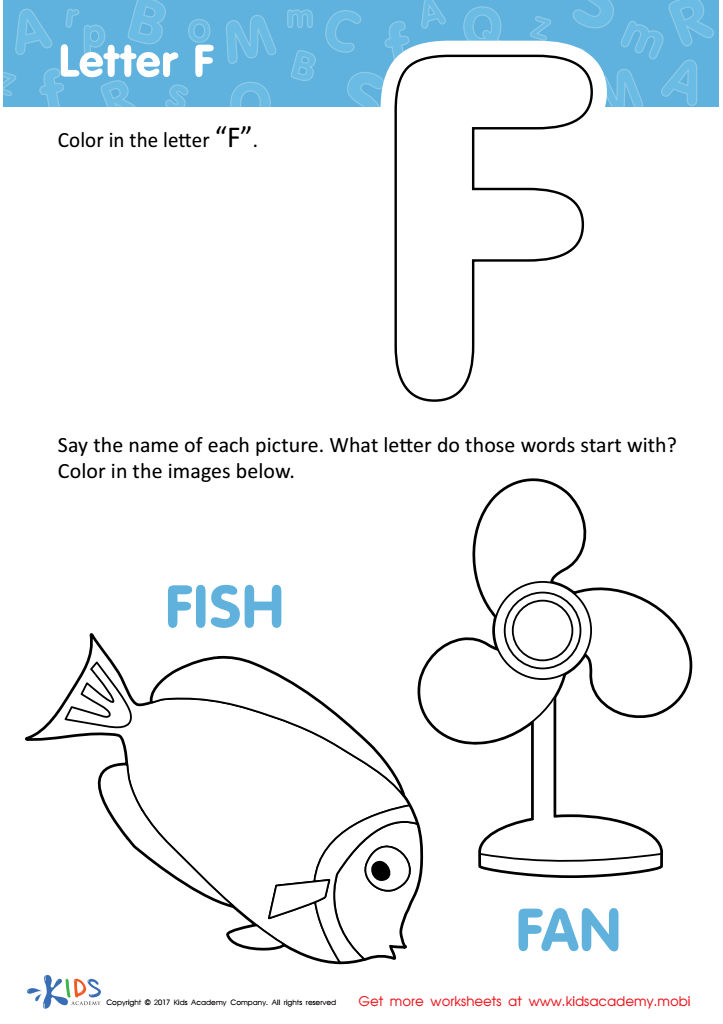
Letter F Coloring Sheet
Assign to My Students
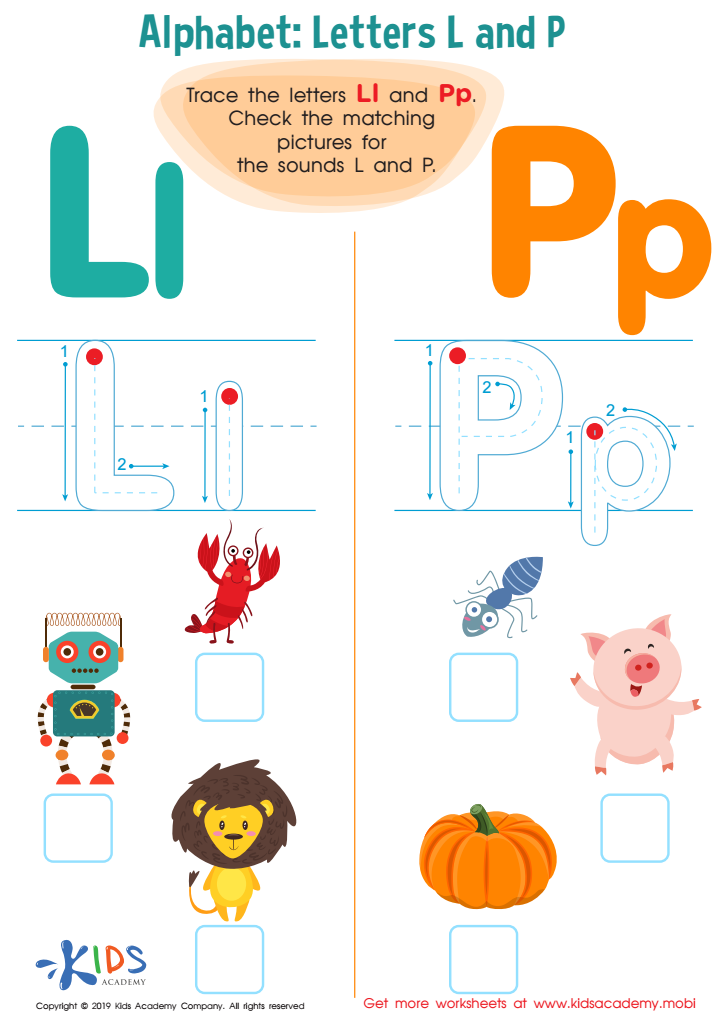
Letter L and P Tracing Worksheet






Alphabet recognition is a foundational skill that plays a crucial role in a child's literacy development. By Grade 2, students should possess a solid grasp of the alphabet, which serves as the building block for reading and writing. Understanding letter names and sounds enables children to decode words, improving their reading fluency and comprehension. This skill also contributes to a child's ability to spell and construct sentences, which are essential components of written communication.
Parents and teachers should prioritize alphabet recognition because it fosters confidence in young learners, encouraging them to engage with text and participate in literacy activities. Early mastery of this skill helps prevent future reading difficulties, contributing to a positive academic trajectory. Furthermore, strong literacy skills are linked to overall academic success and lifelong learning.
Engaging students in meaningful activities that promote letter recognition—such as reading together, playing games, and providing interactive resources—can reinforce their learning experience. By supporting alphabet recognition during Grade 2, parents and teachers set the groundwork for literacy proficiency, empowering children to express themselves effectively, think critically, and explore the world around them. In short, alphabet recognition is integral to a child's educational journey, making it essential for stakeholders to value and nurture this skill.