Categorization skills Grade 2 Worksheets
4 filtered results
-
From - To
Enhance your second grader's learning experience with our interactive Categorization Skills Grade 2 Worksheets! These thoughtfully designed resources will help students develop essential skills in organizing and grouping information. Our worksheets feature engaging activities that encourage critical thinking, allowing children to categorize objects, words, and concepts effectively. Aligned with grade-level standards, they promote cognitive growth and strengthen comprehension. Perfect for classroom use or at-home practice, these worksheets will make the learning process enjoyable and rewarding. Watch your child’s confidence soar as they master categorization, laying a solid foundation for future education. Explore our collection today to support your child's learning journey!
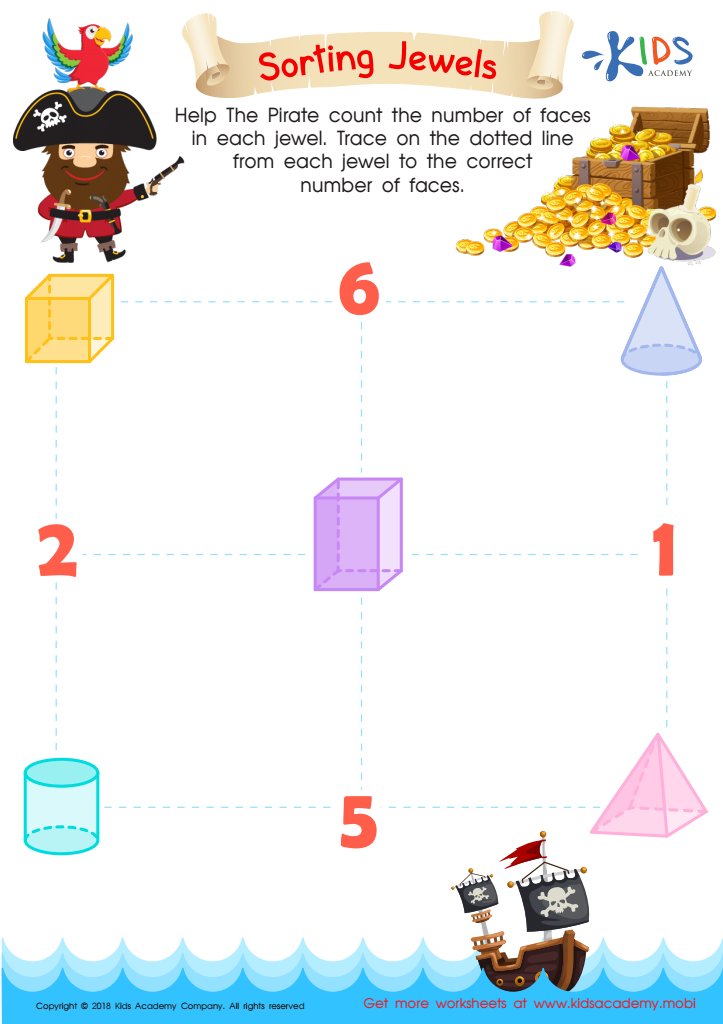
Sorting Jewels Worksheet
 Assign to My Students
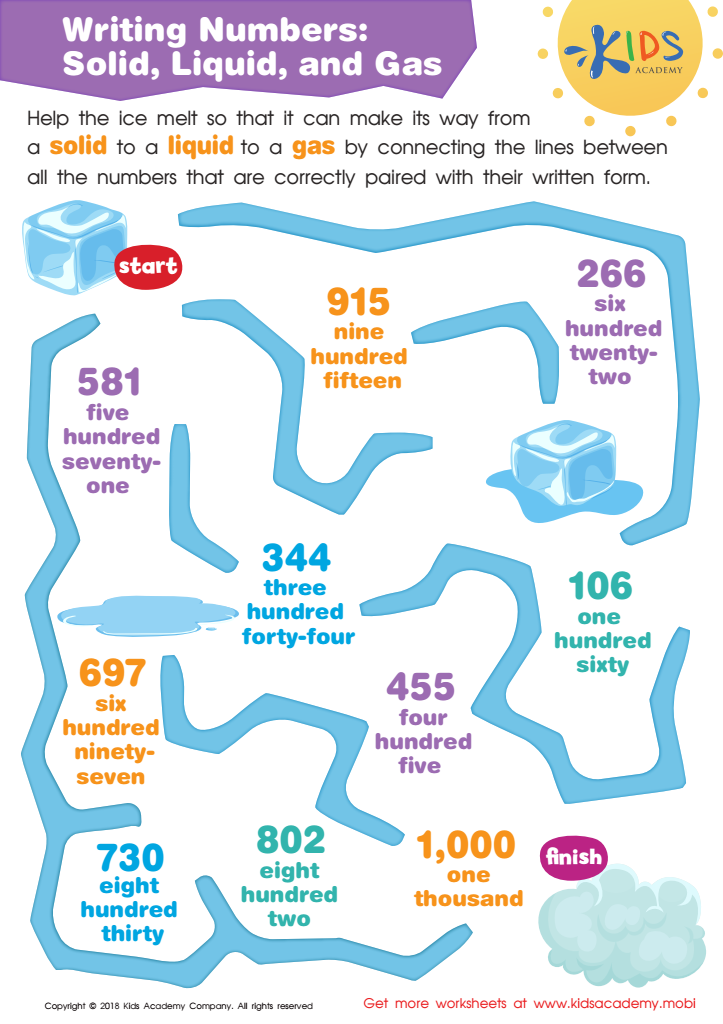
Solid, Liquid, and Gas Writing Numbers Worksheet
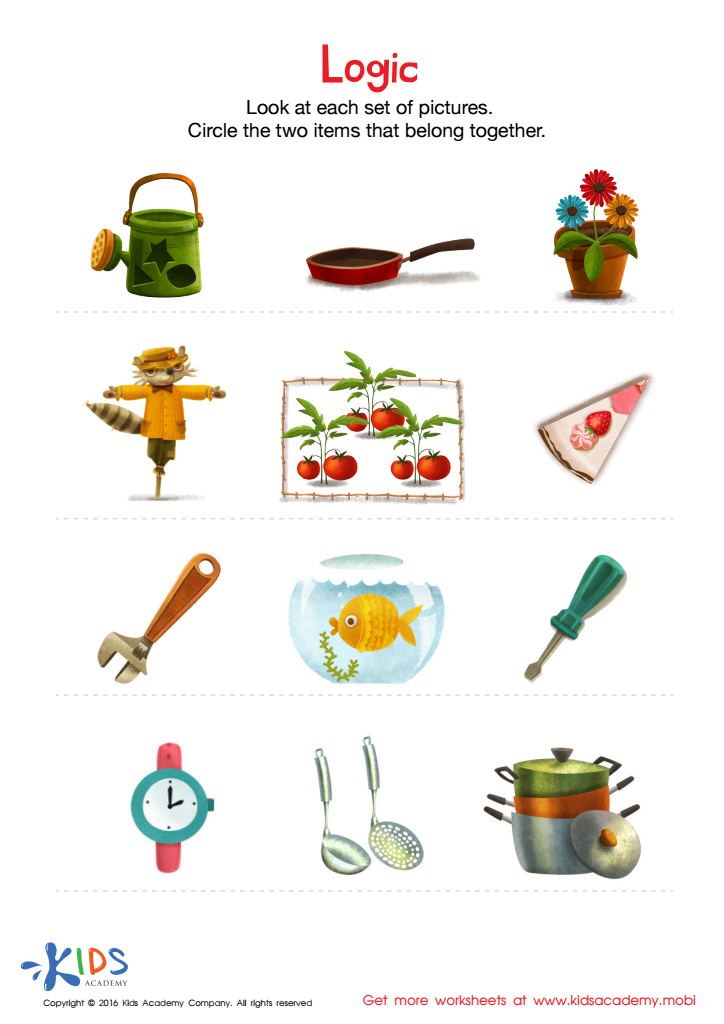
Logic Game Sorting Worksheet






Categorization skills are crucial for Grade 2 students as they lay the foundation for higher-order thinking and problem-solving abilities. At this age, children are beginning to interact more deeply with their surroundings and categorize information based on attributes, similarities, and differences. By developing categorization skills, students enhance their ability to organize and make sense of the world around them.
This skill supports their academic growth across various subjects. For instance, in mathematics, categorization helps children understand shapes, numbers, and sorting items based on specific criteria. In science, it aids in classifying living things or materials, greatly enriching their comprehension. Moreover, these skills contribute to language development, as students learn to group words, enhancing vocabulary and comprehension.
Teachers and parents should prioritize nurturing categorization abilities because early exposure fosters critical thinking, encouraging children to make connections and draw conclusions. These foundational skills translate into better performance in reading comprehension, writing, and overall academic success.
Ultimately, focusing on categorization skills not only builds a strong educational footing but also cultivates a child's innate curiosity and cognitive flexibility, setting them up for lifelong learning endeavors. Supporting these skills is an investment in their future academic and personal achievements.